by Rick Goldman
Last Saturday, our team pulled a bag of frozen shrimp from the freezer at 5:45 p.m. with zero dinner plans. Fifteen minutes later, we had garlic butter shrimp over rice — tender, flavorful, and completely hands-off. That's the magic of instant pot seafood recipes. Whether it's a weeknight scramble or a weekend feast, the pressure cooker turns seafood from intimidating to effortless. We've spent months testing dozens of fish and shellfish dishes in the Instant Pot, and this guide covers everything our team has learned — from dead-simple seafood meals to restaurant-quality plates that still take under 30 minutes.

Seafood cooks fast on the stovetop already. So why bother with pressure cooking? Because the Instant Pot locks in moisture that dry-heat methods steal. Delicate fish like tilapia or cod come out flaky, not rubbery. Shellfish stays plump. And the sealed environment means the kitchen doesn't smell like a dock for three hours afterward. Our team considers it the single best tool for people who want to eat more seafood but feel nervous about overcooking it.
This post breaks down our favorite recipes, timing guides, beginner tips, and the mistakes we see people make most often. Everything here comes from hands-on testing — no theory, no guesswork.
Contents
These are the dishes our team makes when time is tight. Each one takes under 20 minutes from start to plate. They require minimal prep, basic pantry ingredients, and almost no technique. Anyone new to instant pot seafood recipes should start right here.
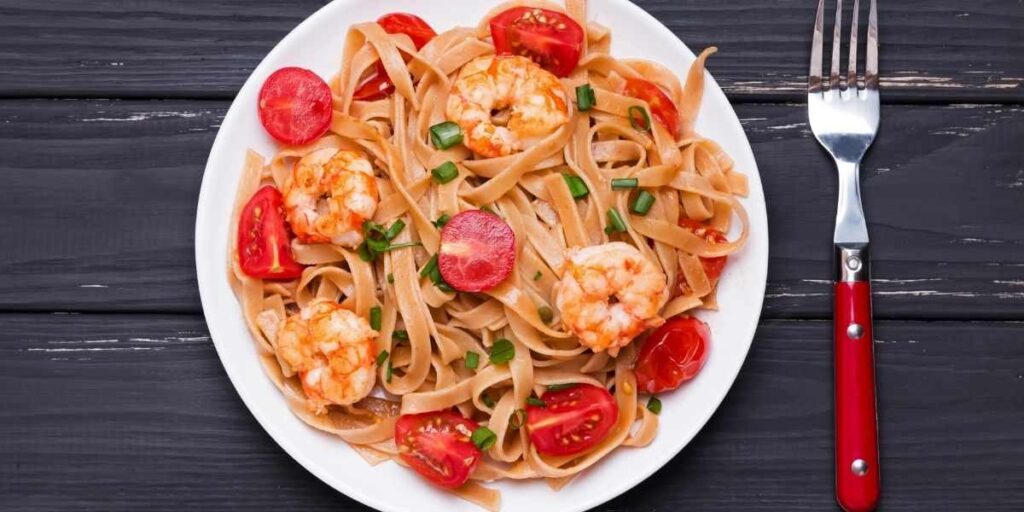
This is the recipe that converted our team. Toss a pound of peeled shrimp into the pot with four tablespoons of butter, minced garlic, a squeeze of lemon, and a pinch of red pepper flakes. Set it to one minute on low pressure. Use quick release. The whole thing is done in about eight minutes including the time it takes to pressurize. Serve it over rice, pasta, or just eat it straight from the pot with crusty bread. For anyone who loves pairing seafood with noodles, our guide on types of pasta helps pick the right shape for saucy dishes like this.
Salmon is incredibly forgiving in the Instant Pot. Our go-to method: mix two tablespoons of Dijon mustard with one tablespoon of honey and a teaspoon of soy sauce. Brush it over the fillets. Place them on the trivet with a cup of water underneath. Three minutes on high pressure, then quick release. The fillets come out silky every single time. We've never had a dry piece of salmon using this method.
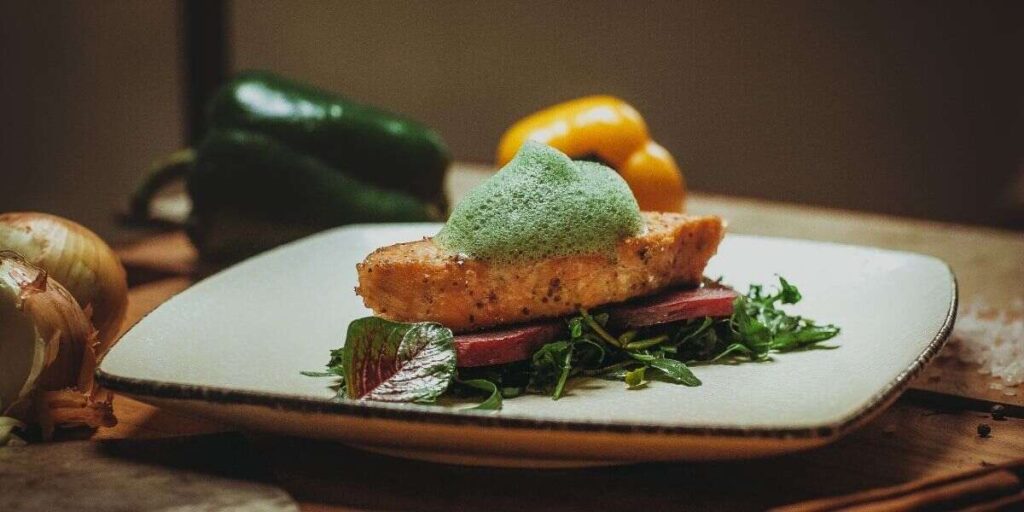
If there's leftover salmon, it makes a great base for the next day's lunch. Our team has even used it in homemade salmon skin rolls — crisp the skin separately in a pan and roll everything together.
Mussels are one of the most underrated instant pot seafood recipes out there. Add half a cup of white wine, a few crushed garlic cloves, and a diced shallot to the pot. Pour in two pounds of cleaned mussels. Two minutes on high pressure, quick release. They pop open perfectly. Discard any that stay shut. Ladle the broth into bowls alongside the mussels and serve with bread for dipping. It feels fancy but takes less effort than making a sandwich.
One great recipe isn't enough. Our team believes in building a rotation — a set of four to five seafood dishes that cycle through the weekly meal plan. The Instant Pot makes this realistic because prep time is almost nothing. Most people struggle to eat the recommended two servings of seafood per week (according to the USDA Dietary Guidelines). A rotation solves that.
Not all seafood cooks the same way in the Instant Pot. Here's a timing reference our team uses constantly:
| Seafood | Fresh (minutes) | Frozen (minutes) | Pressure | Release |
|---|---|---|---|---|
| Shrimp (large) | 1 | 2 | Low | Quick |
| Salmon fillet | 3 | 5 | High | Quick |
| Cod fillet | 3 | 4 | High | Quick |
| Mussels | 2 | 3 | High | Quick |
| Clams | 2 | 4 | High | Quick |
| Crab legs | 3 | 4 | High | Quick |
| Lobster tail | 3 | 4 | High | Quick |
| Tilapia fillet | 2 | 3 | Low | Quick |
| Squid/Calamari | 15 | 18 | High | Natural 5 min |
Notice that squid is the outlier. Most seafood needs just one to five minutes. Squid needs a long cook to get tender — anything in between turns it into rubber bands. Our team plans the rotation around these times. Monday might be a one-minute shrimp dish. Wednesday could be a three-minute salmon. Friday is crab legs for a treat. The key is variety without added complexity.
One smart move: make a big batch of seafood broth on Sunday. Shrimp shells, a few fish bones, onion, celery, and bay leaves. Twenty minutes on high pressure. Strain it and freeze in portions. That broth becomes the liquid base for every instant pot seafood recipe during the week. It adds depth that plain water never will. For anyone looking to stretch a food budget further, our guide on saving money on food has more tips along these lines.
There's a massive gap between steaming a plain piece of fish and making a Thai coconut curry with prawns. The Instant Pot bridges that gap beautifully. Our team has watched complete beginners nail dishes that would challenge them on a stovetop. Here's how to think about the progression.
Start with recipes that use the trivet (the metal rack that comes with the pot). Place fish on the trivet, add a cup of water below, and pressure cook. The steam does all the work. Orange roughy with zucchini is a perfect example. Season the fish with salt, pepper, and a little Old Bay. Lay sliced zucchini around it. Three minutes on high, quick release. Done.
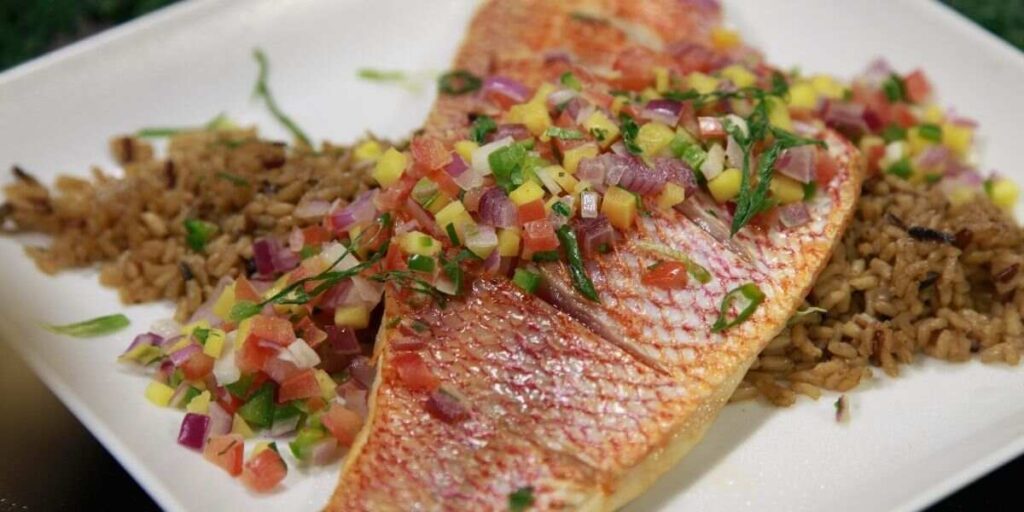
Another beginner favorite: lemon-herb cod. Place cod fillets on parchment paper on the trivet. Drizzle with olive oil, lemon juice, and dried dill. Two minutes on low pressure. The parchment makes cleanup effortless and prevents the delicate fish from sticking. Anyone who can boil water can master this recipe on the first try.
A sharp fillet knife makes prep much easier. Our breakdown of kitchen knife types covers which blades work best for deboning and skinning fish.
Once the basics click, it's time to use the Instant Pot's sauté function. This is where instant pot seafood recipes get really exciting. Sauté aromatics first — garlic, ginger, lemongrass, chili paste — then deglaze with coconut milk or broth. Add the seafood last. The flavor layers are incredible.
Our team's favorite advanced dish is shrimp with tomatoes and warm spices. Sauté diced onion and garlic, add cumin, coriander, and a pinch of cinnamon. Pour in crushed tomatoes. Then drop in the shrimp. One minute on low pressure. The tomato sauce absorbs all those spices, and the shrimp stays perfectly curled and tender. For the lemongrass variation, our lemongrass substitute guide covers alternatives if fresh stalks aren't available.
Seafood cioppino (a tomato-based stew) is the ultimate Instant Pot showpiece. Sauté onion, fennel, and garlic. Add white wine, canned tomatoes, and fish stock. Pressure cook for five minutes. Then quick release, stir in a mix of shrimp, mussels, clams, and firm white fish. Seal again for just two minutes. The result is a rich, complex stew that tastes like it simmered for hours.
Let's be honest — seafood leaves a smell. The Instant Pot's sealed design helps during cooking, but the silicone sealing ring absorbs odors like a sponge. Our team learned this the hard way after making garlic shrimp and then tasting garlic in a batch of rice the next day. Proper care is non-negotiable when cooking seafood regularly.
The best method our team has found: fill the pot with two cups of water and a cup of white vinegar. Add a strip of lemon peel. Run a five-minute steam cycle. This neutralizes about 90% of the smell. For stubborn odors, leave the sealing ring in direct sunlight for a few hours. UV light breaks down the odor-causing compounds embedded in the silicone.
Pro tip: Keep a dedicated sealing ring just for seafood and strong-smelling dishes. They cost around $10 and save a lot of flavor contamination headaches.
The sealing ring should be removed and washed after every use. Most people skip this step, and it's why their Instant Pots develop a permanent funk. Pull the ring out, wash it with dish soap and warm water, and let it air dry completely before putting it back. Our team replaces sealing rings every 12 to 18 months, or sooner if they lose elasticity. A worn ring won't hold pressure properly, which means uneven cooking and potential safety issues.
The inner pot itself is stainless steel and easy to clean. For stuck-on bits, fill it with warm water and let it soak for 30 minutes. A non-abrasive sponge handles the rest. Never use steel wool — it scratches the surface and creates spots where food sticks in the future.
We've made every mistake on this list. Some of them twice. Seafood is unforgiving — a minute too long and dinner goes from perfect to terrible. Here are the errors our team sees most often.
This is the number one problem. Most people treat the Instant Pot like a slow cooker and set it for way too long. Shrimp needs one minute. Not five. Not three. One. Salmon needs three minutes, not eight. The pressure environment cooks food dramatically faster than any other method. Our team always sets the timer for one minute less than a recipe suggests on the first attempt, then adjusts from there.
Another timing trap: forgetting that the pot continues cooking during the pressurization phase. The food isn't just sitting there while the pot builds pressure — it's already heating up. For delicate fish like sole or flounder, this preheat phase might be enough to cook the fillet before the timer even starts. In those cases, zero minutes on the timer with a quick release is the right call.
The Instant Pot needs liquid to build pressure. The minimum is usually one cup. But here's the mistake: using too much liquid dilutes the flavor. Seafood releases its own juices during cooking, so that one cup of broth or water quickly becomes a cup and a half. Our team uses exactly the minimum required and relies on the seafood's natural moisture to round things out.
Quick release versus natural release makes a huge difference with seafood. Almost every seafood dish should use quick release. Natural release means the food keeps cooking in residual heat for 10 to 15 extra minutes. That's fine for a tough cut of meat. For shrimp, it's a disaster. The only exception our team makes is squid and octopus, which benefit from a 5-minute natural release to stay tender.
One more mistake worth mentioning: not using the trivet for delicate fish. Placing a thin fillet directly in liquid turns it into mush. The trivet lifts the fish above the water line so it steams gently instead of boiling. It's a small detail that makes an enormous difference in texture. And for people wondering what to serve alongside these dishes, our rundown of pasta sauce types pairs surprisingly well with many pressure-cooked seafood meals.
The Instant Pot removes nearly every barrier to cooking seafood at home — the guesswork, the timing anxiety, the cleanup, the smell. Our team has tested these instant pot seafood recipes dozens of times and the results are consistently excellent. Pick one recipe from this guide, grab the ingredients on the next grocery run, and make it this week. Start simple, build confidence, and the showstopper dishes will follow naturally.
 |
 |
 |
 |

About Rick Goldman
Rick Goldman grew up traveling the Pacific Coast and developed an early appreciation for regional and international cuisines through exposure to diverse food cultures from a young age. That culinary curiosity shaped his approach to kitchen gear — he evaluates tools based on how well they perform across different cooking styles, ingredient types, and meal occasions. At BuyKitchenStuff, he covers kitchen equipment reviews, recipe guides, and food-focused buying advice.
Check for FREE Gifts. Or get our Free Cookbooks right now.
Disable the Ad Block to reveal all the recipes. Once done that, click on any button below
|
|
|
|
