Kitchen Gadgets & Equipment Reviews ›
by Rick Goldman
Which degreaser actually cuts through the sticky, baked-on grease coating your range hood — and which ones just smear it around? If you've ever scrubbed a greasy hood filter until your arms ached, you know that the wrong product turns a 10-minute job into an hour-long ordeal. After comparing formulas, spray patterns, and real-world cleaning power, our top pick for most kitchens is the Krud Kutter Original Concentrated Cleaner Degreaser for its sheer versatility and concentrated value.
Range hoods collect airborne grease, dust, and cooking residue every single day. Over time, that buildup becomes a thick, tacky layer that standard dish soap can't touch. A purpose-built degreaser breaks down those molecular bonds between grease and metal, making removal far easier. The right formula saves you time, protects your hood's finish, and keeps your kitchen ventilation running efficiently. According to the EPA's Safer Choice program, many modern degreasers now use biodegradable surfactants that are effective without harsh chemical fumes.

In this 2026 guide, we break down 7 of the best degreasers for range hoods — from citrus-based sprays to industrial concentrates. Whether you're dealing with light weekly maintenance or months of neglected buildup, you'll find something here that fits. We also cover what to look for when shopping, answer common questions, and help you pick the right formula for your kitchen. If you're also upgrading other parts of your kitchen setup, check out our guide to the best countertop blenders for more expert-tested recommendations.
Contents




If you want a degreaser that works hard but smells like you're cleaning with something natural, the ZEP Heavy-Duty Citrus Degreaser is worth a close look. It uses natural citrus solvents — d-limonene, specifically — to dissolve adhesives, grease, and oil from a wide variety of surfaces. That means no harsh chemical fumes filling your kitchen while you scrub down the range hood. The fresh citrus scent is a genuine bonus compared to the aggressive chemical smell that many industrial degreasers leave behind.
On stainless steel range hoods, ZEP does an admirable job cutting through moderate to heavy grease buildup. You spray it on, let it sit for 30 seconds to a minute, and wipe. For really stubborn spots, a second application usually does the trick. It's also versatile enough for stovetops, grills, concrete, tools, engines, fiberglass, and aluminum — so you're not buying a single-purpose product. The 32-ounce bottle is ready to use with no mixing required.
Where it falls slightly short is on extremely old, baked-on grease layers. You may need to let it dwell longer or scrub harder than you would with a more aggressive chemical formula. It's also not the most economical option if you're cleaning a large commercial kitchen — you'll go through the bottle faster than a concentrate.
Pros:
Cons:
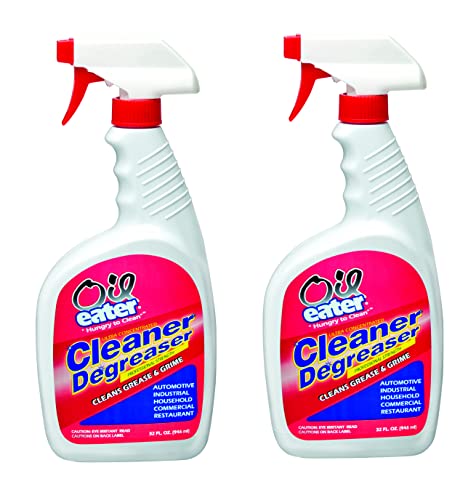
The Oil Eater Original stands out in this lineup for one specific reason: it carries USDA approval for use in food service facilities (categories A1, A4, and A8). If food safety compliance matters in your kitchen — whether you're running a small catering operation or you simply want peace of mind — this is a significant advantage. It dissolves grease, oil, and dirt from any washable surface without harsh solvents.
On range hoods, Oil Eater works best as a spray-and-wipe solution. Apply it generously, give it 30 to 60 seconds of dwell time, and the grease lifts off with minimal scrubbing. The biodegradable, non-corrosive formula means you won't damage the finish on stainless steel or painted hood surfaces. It handles kitchen counters, outdoor patios, floors, and even automotive grease — so the two-pack gives you plenty of product for multiple cleaning tasks around the house.
The formula is milder than some heavy-duty competitors, which is both a strength and a limitation. You get a safer, more eco-friendly cleaner, but if your range hood hasn't been cleaned in six months, you might need multiple passes. The 2-pack pricing makes it a solid value overall.
Pros:
Cons:
Goo Gone built its reputation on removing sticky residues, and their kitchen degreaser brings that same problem-solving approach to grease. What sets it apart from liquid sprays is the foaming formula — it clings to vertical surfaces like the interior panels of your range hood instead of dripping straight down. That extra contact time makes a real difference when you're trying to dissolve baked-on cooking residue.
The fast-working formula is designed specifically for kitchen environments. It handles countertops, stoves, range hoods, pots, and pans without damaging surfaces. You spray it on, let the foam do its work for a minute or so, and wipe clean. For range hood filters, you can spray them down in the sink, let the foam penetrate the mesh, and rinse. The one-step approach means you don't need a separate rinse agent or follow-up cleaner.
The 14-ounce can is the smallest in this roundup, and that's worth noting. If you have a large range hood or plan to clean multiple kitchen surfaces in one session, you may burn through a can quickly. It's ideal for targeted, regular maintenance rather than deep-cleaning an entire commercial kitchen. Think of it as your weekly maintenance degreaser rather than your once-a-year heavy lifter.
Pros:
Cons:
Krud Kutter has earned a loyal following for good reason — no other single product removes this many types of tough stains from this many different surfaces. The one-gallon concentrate format makes it exceptionally cost-effective. You can dilute it for light maintenance cleaning or use it at full strength for the worst grease imaginable. On range hoods, the full-strength formula cuts through months of accumulated cooking grease with impressive speed.
The proprietary blend of biodegradable surfactants, detergents, and emulsifiers works in a water-based solution, so it's safer than petroleum-based alternatives. Beyond kitchen grease, Krud Kutter tackles adhesives, markers, crayon, paint overspray, pet stains, tape residue, tree sap, and wax. That versatility means the gallon jug won't sit half-used under your sink — you'll find reasons to reach for it constantly. For anyone who enjoys cooking regularly, especially with a gas range, having a gallon of this on hand is practically a requirement. If you're investing in your kitchen with items like a quality pair of heat-resistant cooking gloves, a good degreaser is just as essential.
The full-strength formula is potent, so you'll want to test it on an inconspicuous area first if you have a specialty finish on your hood. Some users report that it can dull certain painted surfaces if left on too long. Dilute appropriately and rinse after cleaning.
Pros:
Cons:
WD-40 is a name most people associate with lubricant, but their Specialist Cleaner & Degreaser is a seriously capable cleaning product in its own right. What makes this formula stand out is its exceptional surface safety. Unlike many degreasers that can etch glass, corrode aluminum, or cause flash rust on bare metal, the WD-40 Specialist is specifically formulated to prevent all of those problems. That makes it ideal for range hoods with mixed-material construction.
The bio-solvent formula is non-flammable, non-corrosive, non-abrasive, and low-odor. It's approved for use in food-processing facilities, so it meets strict safety standards. The gallon jug features a shatter-resistant trigger and a convenient refill port — no funnel needed, no mess. For regular kitchen degreasing, you can spray it directly on the hood surface, let it sit briefly, and wipe. It handles both the exterior finish and the metal mesh filters without risk of discoloration or damage.
The trade-off for all that surface safety is that the WD-40 Specialist is somewhat gentler than the most aggressive degreasers on this list. On extremely thick grease deposits, it works — it just takes a bit more dwell time or a second pass. For most home cooks who clean their hoods monthly, though, it's more than powerful enough. The gallon size ensures you won't run out anytime soon.
Pros:
Cons:
If you want the absolute best cost-per-use ratio, the STANLEY HOME PRODUCTS Degreaser Concentrate is hard to beat. One bottle makes up to 64 gallons of cleaning solution. That's an extraordinary amount of degreaser from a single purchase. Whether you're maintaining a busy home kitchen or handling cleaning duties for a small restaurant, this concentrate delivers industrial-strength performance at a fraction of the per-use cost of ready-to-spray bottles.
The formula is twice as concentrated as the original STANLEY degreaser, so it tackles stubborn messes in both hard and soft water. On range hoods, you mix it to the appropriate dilution, spray or apply with a cloth, and let it work. Grease and grime break down in seconds at higher concentrations. The multi-purpose nature extends to cookware, grills, dishes, woodwork, countertops, broilers, laundry, equipment, and tools — essentially anywhere grease accumulates.
The biggest adjustment is that you need to mix it yourself. If you want the convenience of a grab-and-spray bottle, you'll need to keep a diluted batch ready in a separate spray bottle. That's a minor inconvenience for the savings, but it's worth mentioning. Also, at high concentrations, the formula is powerful enough that you should wear gloves and rinse surfaces thoroughly after cleaning. If you're the type who stocks up on kitchen essentials, you might also appreciate our guide to the best chamber vacuum sealers for similar long-term value.
Pros:
Cons:
Dawn is already the go-to dish soap in millions of kitchens, and their Professional Heavy Duty Degreaser takes that grease-fighting reputation to the next level. This bundle pairs a 32 oz spray bottle with a heavy-duty Scotch-Brite sponge, giving you everything you need to attack a greasy range hood right out of the box. No mixing, no extra supplies to buy.
The formula cuts tough grease 2X faster than standard cleaners and reduces scrubbing effort by roughly 50%, according to Dawn's testing. On range hoods, you notice the difference immediately — spray it on, wait a moment, and the grease practically slides off with the included sponge. It's safe to use on food-contact surfaces when followed by a water rinse, which makes it practical for the areas around your stovetop and prep surfaces. The professional-grade formula is noticeably stronger than regular Dawn dish soap.
The 32 oz bottle is a standard size, so heavy users will go through it faster than the gallon options from Krud Kutter or WD-40. The included Scotch-Brite sponge is a nice touch, but once it wears out you'll need to replace it separately. Still, for a grab-and-go degreasing solution, this is one of the most convenient options in 2026.
Pros:
Cons:
The first decision you'll face is whether to go with a solvent-based degreaser or a water-based one. Solvent-based formulas (like ZEP's citrus degreaser) use chemical agents that dissolve grease on contact — they're faster on heavy buildup but may produce stronger fumes. Water-based options (like Krud Kutter and WD-40 Specialist) use surfactants and emulsifiers to lift grease from surfaces. They're generally safer for indoor use and less likely to damage finishes.
For most home range hoods, a water-based formula with strong surfactants is the sweet spot. You get effective grease removal without worrying about ventilation or surface damage. If you're tackling commercial-grade buildup or haven't cleaned your hood in a very long time, a solvent-based formula may save you time and effort on that initial deep clean.
Ready-to-use sprays like the Dawn Professional and Goo Gone are convenient — you grab the bottle and start cleaning. Concentrates like STANLEY HOME PRODUCTS and Krud Kutter require you to mix a dilution, but the cost savings are dramatic. A single bottle of STANLEY concentrate makes up to 64 gallons. If you clean your range hood weekly (which you should), a concentrate pays for itself many times over.
Consider your cleaning frequency and the size of the job. For occasional spot cleaning, a ready-to-use spray is fine. For regular, thorough maintenance of a busy kitchen, investing in a concentrate is the smarter financial choice. Just keep a labeled spray bottle filled with your diluted mix so it's always ready when you need it.
Not all degreasers play nicely with all materials. Some can etch glass, corrode aluminum, or strip protective coatings from painted surfaces. Before spraying anything on your range hood, check the product label for surface compatibility. The WD-40 Specialist formula is specifically designed to prevent etching, corrosion, and flash rust — making it the safest pick for hoods with mixed materials.
Stainless steel hoods are generally forgiving, but always wipe in the direction of the grain and avoid abrasive pads that can scratch the finish. If your hood has a specialty coating or painted finish, test any new degreaser in a small, hidden area first. Browse our full degreaser category page for more options tailored to specific surface types.
If you're using a degreaser near food preparation areas — and range hoods are directly above your stove — food safety matters. Products with USDA approval (like Oil Eater) or those labeled safe for food-processing facilities (like WD-40 Specialist and Dawn Professional) have been tested and cleared for use in environments where food contamination is a concern. Even if you're not running a restaurant, choosing a food-safe formula means you don't have to worry about chemical residue dripping from the hood onto your cooking surfaces.
At minimum, always rinse the cleaned surfaces with water after degreasing, especially around areas directly above the stove. A quick wipe-down with a damp cloth after the degreaser has done its job ensures no residue is left behind.
For most home kitchens, cleaning your range hood exterior and filters with a degreaser every two to four weeks is ideal. If you cook daily — especially with high-heat methods like frying or stir-frying — you may want to clean it weekly. Heavy grease buildup not only looks unsightly but reduces your hood's ventilation efficiency, forcing the fan to work harder and potentially shortening its lifespan.
Yes, most kitchen degreasers work well on range hood filters. For metal mesh filters, remove them from the hood, spray generously with degreaser, and let them soak in hot water for 10 to 15 minutes. Scrub gently with a brush, rinse, and let them dry completely before reinstalling. For charcoal or carbon filters, degreasers won't help — those filters need to be replaced rather than cleaned.
Citrus-based degreasers like ZEP can handle moderate grease effectively. They use d-limonene, a natural solvent derived from citrus peels, which breaks down grease and oil without harsh chemicals. However, for extremely heavy, baked-on grease that has built up over many months, you may need to apply the product multiple times or let it dwell longer. For the worst cases, a concentrated formula like Krud Kutter at full strength will likely save you time.
Cleaning the accessible portions of your range hood ductwork with a degreaser is generally safe, as long as you use a food-safe product and rinse thoroughly. Spray the degreaser onto a cloth rather than directly into the duct to avoid oversaturating the interior. For deep duct cleaning — especially in commercial settings — it's best to hire a professional who has the proper equipment and training to clean the entire duct run safely.
Regular dish soap is designed to break down light cooking oils in water. A dedicated degreaser contains stronger surfactants, solvents, or emulsifiers that can dissolve heavy, polymerized grease that dish soap can't touch. Think of it this way: dish soap handles what's on your plates after dinner, while a degreaser handles what's been baking onto your hood at 300+ degrees for weeks. For anything beyond light surface grease, a proper degreaser will save you significant time and effort.
Most modern degreasers are safe for stainless steel when used as directed. The key is to avoid letting the product sit on the surface for extended periods beyond the manufacturer's recommendation, and to always wipe in the direction of the steel's grain. Abrasive degreasers or those containing bleach can cause discoloration or micro-scratches. Products like WD-40 Specialist are specifically formulated to prevent corrosion and flash rust on metal surfaces, making them a particularly safe choice for stainless steel hoods.
 |
 |
 |
 |

About Rick Goldman
Rick Goldman grew up traveling the Pacific Coast and developed an early appreciation for regional and international cuisines through exposure to diverse food cultures from a young age. That culinary curiosity shaped his approach to kitchen gear — he evaluates tools based on how well they perform across different cooking styles, ingredient types, and meal occasions. At BuyKitchenStuff, he covers kitchen equipment reviews, recipe guides, and food-focused buying advice.
