by Rick Goldman
Yes, fried catfish recipes without cornmeal absolutely work — and in many cases, they produce a lighter, crispier crust than the classic Southern version. Our team has tested multiple coating alternatives across dozens of batches, and the results genuinely impressed us. Browse more cooking guides on the BuyKitchenStuff blog.
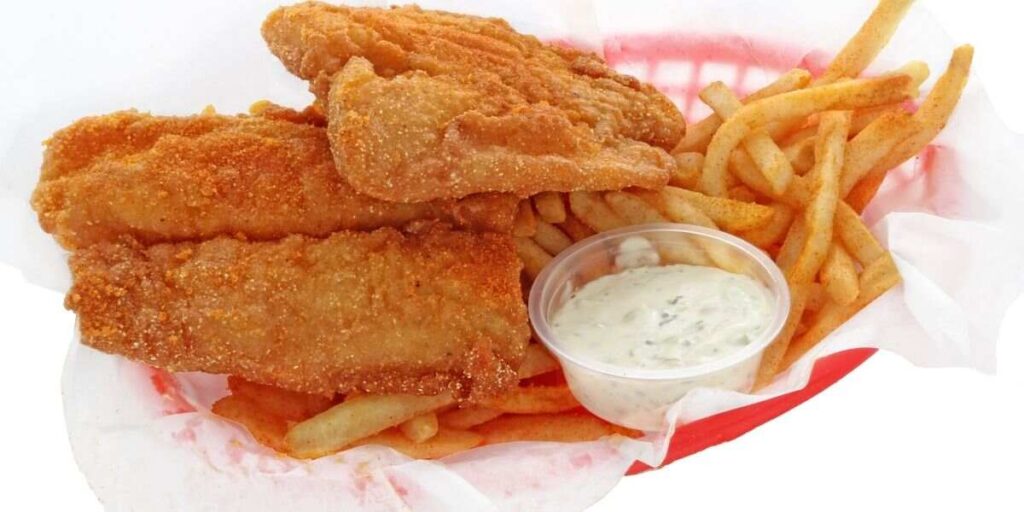
Cornmeal has been the go-to catfish coating in Southern kitchens for generations. It adds a hearty, gritty crunch that many people love. But cornmeal isn't always on hand — and for anyone managing gluten sensitivities or strong texture preferences, finding a reliable alternative matters a lot.
Our team has put in the kitchen time so most home cooks don't have to guess. From all-purpose flour to panko breadcrumbs to almond flour, there are solid options at every price point. What follows is everything our team has learned about coating, frying, and serving catfish without ever opening a bag of cornmeal.
Contents
Catfish has deep roots in Southern American cuisine. Communities along the Mississippi River and Gulf Coast relied on fresh-caught catfish as an affordable, plentiful protein. Cornmeal was cheap, widely available, and created a hearty crust that held up well in cast iron skillets over open fires.
Over generations, the cornmeal crust became more than a cooking technique — it became a cultural signature. A Southern fish fry without cornmeal once felt almost unthinkable. But culinary traditions evolve, and fried catfish recipes without cornmeal have built their own loyal following with good reason.
Several real factors have pushed home cooks toward alternative coatings:
Our team has found that many home cooks discover cornmeal alternatives by accident — running out mid-recipe — and never fully go back. The results genuinely stand on their own.
The right coating depends on texture goals, dietary needs, and what's already in the kitchen. Our team has tested all of the options below with real catfish fillets. Here's what actually works.
All-purpose flour is the most accessible swap. It creates a thinner, more delicate crust that lets the fish's natural flavor come forward — a real advantage for people who find cornmeal overpowering.
For best results, our team recommends a double-dip approach: dredge in flour, dip in egg wash, then dredge again. This builds a thicker coating without relying on cornmeal's natural body.
Breadcrumbs add significant crunch. Panko (Japanese-style breadcrumbs) is our team's top pick — it's coarser, airier, and stays crispier well after the fish comes out of the oil.
Our experience with panko is consistently positive. It holds its texture even when fish rests before serving — critical when cooking multiple batches.
For a broader look at what works beyond catfish, our guide on cornmeal substitutes covers alternatives across a wide range of recipes and cooking methods.
For anyone avoiding gluten, several options produce genuinely excellent results when the technique is right:
Our team's biggest finding with almond flour: it needs more seasoning than most coatings. On its own it reads as flat. Adding smoked paprika, garlic powder, and a pinch of cayenne brings out real depth.
| Coating | Gluten-Free | Texture | Flavor Profile | Best For |
|---|---|---|---|---|
| All-Purpose Flour | No | Light, thin | Neutral | Everyday quick frying |
| Panko Breadcrumbs | No (GF version available) | Extra crispy, airy | Neutral to savory | Maximum crunch |
| Rice Flour | Yes | Crispy, delicate | Very mild | Light gluten-free crust |
| Almond Flour | Yes | Dense, rich | Nutty | Keto / low-carb diets |
| Crushed Saltines | Varies | Crunchy, buttery | Savory, salty | Southern-style without cornmeal |
| Crushed Pork Rinds | Yes | Very crispy | Rich, pork-forward | Zero-carb, keto |
| Chickpea Flour | Yes | Firm, slightly dense | Earthy, mild | Plant-based leaning diets |
One underrated advantage of frying catfish without cornmeal is that many alternatives cost less — or are already in the pantry. Our team tracked the approximate coating cost per batch of four fillets.
Based on average grocery prices our team has paid:
For comparison, a basic bag of cornmeal runs about $0.15–$0.25 per batch. Most alternatives land in a comparable price range. Almond flour is the only significant cost outlier, though buying it in bulk helps.
Our team's practical tips for keeping costs down:
The catfish itself is usually the biggest line item. Fresh or frozen fillets typically run $5–$9 per pound. Frozen catfish is often just as good as fresh, and proper thawing makes a real difference. Our guide on how to store food to keep it fresh longer covers safe thawing methods and how to handle fish without affecting texture.
Switching away from cornmeal introduces a few new failure points. Our team has made all of these mistakes — sometimes more than once. Here's what to watch for.
Our team's most reliable setup: a simple egg wash made with two eggs, a tablespoon of hot sauce, and a pinch of salt. It works as a binder for every alternative coating we've tested.
Our team's optimal frying temperature for catfish is 360–365°F. It produces a golden, crispy exterior while giving the fish enough time to cook through without drying out. A clip-on thermometer makes this easy to monitor.
These are real recipes our team has cooked, adjusted, and eaten multiple times. No guesswork — just what consistently produces good results.
This is the most accessible fried catfish recipe without cornmeal. Most home cooks already have everything needed.
Ingredients (serves 4):
Steps:
Our team recommends a double dredge for extra structure: flour → egg → flour again. The second flour layer adds thickness and a slight crunch that single-dredge flour can't match.
This delivers maximum crunch. Our team considers it the best cornmeal substitute approach for anyone who loves a thick, satisfying outer crust.
Ingredients (serves 4):
Steps:
Our team often mixes a tablespoon of finely grated Parmesan into the panko. It adds a subtle savory depth and helps the coating brown more evenly. The flavor pairs extremely well with catfish's mild sweetness.
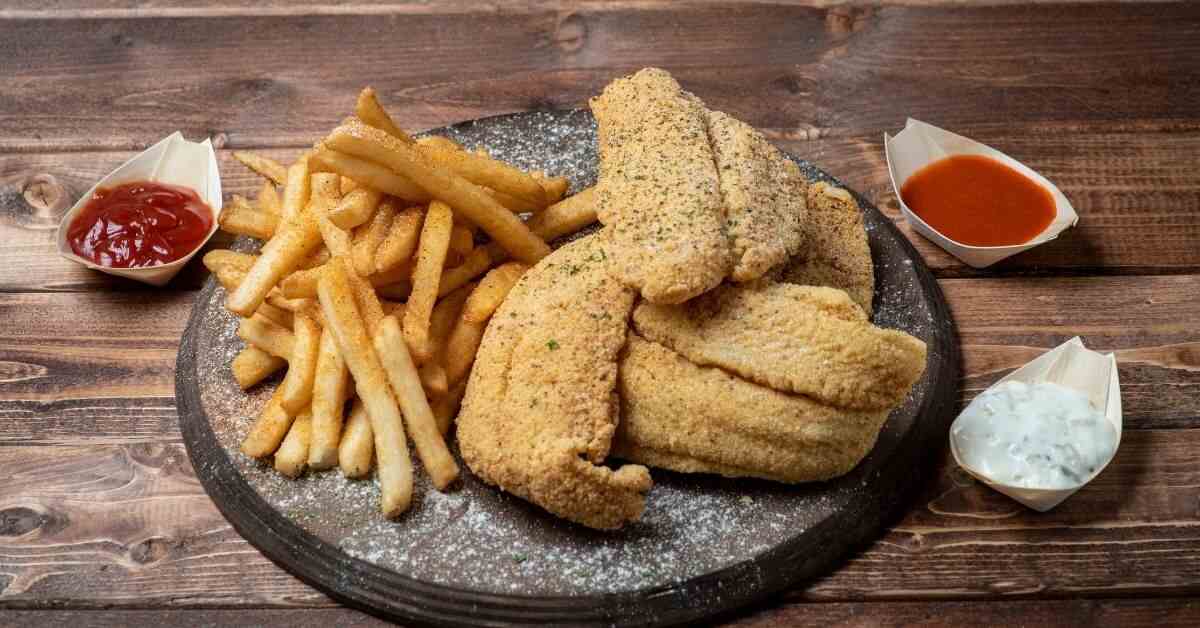
There's real skepticism about stepping away from the cornmeal tradition. Our team has heard most of the objections — and most don't hold up under actual testing.
This one is technically accurate — but it's framed the wrong way. Fried catfish recipes without cornmeal don't taste exactly like the cornmeal version. They taste different. Whether that's better or worse depends entirely on personal preference, and both outcomes are valid.
Our team has served both versions side by side at the same meal. Most guests enjoy both. The reactions differ by preference, not quality.
This assumption is outdated. Modern gluten-free options — especially rice flour and gluten-free panko — fry beautifully when handled correctly.
Our team's conclusion: gluten-free frying isn't a compromise. It's a slight technique adjustment. The results can be just as impressive as anything made with wheat-based coatings.
Not every situation calls for skipping the cornmeal. Our team has a clear picture of when alternatives genuinely shine — and when the classic makes more sense.
Our team's honest view: both approaches produce delicious catfish. Fried catfish recipes without cornmeal are a legitimate, well-developed option — not a workaround or a compromise. The best choice depends on who's eating, what's available, and what the meal calls for.
Our team recommends all-purpose flour for ease and availability, or panko breadcrumbs for maximum crunch. Rice flour is the best gluten-free flour option — it creates a light, consistently crispy crust. The key with any flour-based coating is thorough seasoning and a proper egg wash to help the coating stick and build during frying.
Yes, catfish can be pan-fried with just oil and direct seasoning — sometimes called naked frying or pan-searing. The exterior won't develop the same crunch as a coated fillet, but the technique still produces flavorful, well-cooked fish. Most home cooks find that some form of coating significantly improves both texture and visual presentation.
Neutral oils with high smoke points perform best. Canola oil, vegetable oil, and peanut oil are all solid choices. Our team leans toward peanut oil — the slightly higher smoke point offers a bit more room for error, and it adds a subtle richness to the finished crust. Olive oil is not recommended; its smoke point is too low for sustained deep frying temperatures.
Almond flour performs well when the technique is adjusted slightly. It browns faster than cornmeal or AP flour, so oil temperature should stay around 350°F rather than the usual 360–365°F range. Our team adds smoked paprika, garlic powder, and onion powder to boost flavor — almond flour's natural taste is mild and slightly sweet, which needs support from seasoning. The resulting crust is dense and rich, ideal for keto or low-carb eaters.
Most catfish fillets take 3–5 minutes per side at 360°F, regardless of which coating is used. Thicker fillets may need a full 5–6 minutes. Our team uses a probe thermometer — catfish is fully cooked when the internal temperature reaches 145°F. The coating should be deep golden brown and firm before flipping. Flipping too early is the most common mistake and leads to coating separation.
Great fried catfish has never needed cornmeal — it's always needed heat, timing, and enough seasoning to make the coating worth eating.
 |
 |
 |
 |

About Rick Goldman
Rick Goldman grew up traveling the Pacific Coast and developed an early appreciation for regional and international cuisines through exposure to diverse food cultures from a young age. That culinary curiosity shaped his approach to kitchen gear — he evaluates tools based on how well they perform across different cooking styles, ingredient types, and meal occasions. At BuyKitchenStuff, he covers kitchen equipment reviews, recipe guides, and food-focused buying advice.
Check for FREE Gifts. Or get our Free Cookbooks right now.
Disable the Ad Block to reveal all the recipes. Once done that, click on any button below
|
|
|
|
