by Rick Goldman
Ever reached into the pantry mid-recipe only to find the cornstarch container empty? You're not stuck — not even close. There are more than a dozen reliable cornstarch substitutes for cooking that deliver comparable results, and some that outperform the original depending on your dish. This guide, part of our cooking substitutes series, covers every major alternative, which recipes each one suits best, and the mistakes that derail most home cooks before they even start.

Cornstarch is a refined starch extracted from corn kernels. It thickens sauces, crisps up coatings, and sets puddings without adding much flavor. But it breaks down in acidic environments, turns slimy after freezing, and offers minimal nutritional value. Knowing your alternatives isn't just a backup plan — it's smart, flexible cooking.
The science behind substitution matters. When starch granules hit hot liquid, they absorb water and swell — a process called gelatinization. Different starches activate at different temperatures, which is why some substitutes thrive in high-heat stir-fries and others only work in cold glazes. Get this right and every swap becomes predictable instead of a gamble.
Contents
Not every substitute works in every context. The wrong choice gives you a grainy sauce or a gummy dessert. Before you grab the nearest powder, think about what the cornstarch is actually doing in your recipe — thickening a liquid, binding a batter, or adding crunch to a coating. That single question narrows your options immediately.
For liquid thickening, arrowroot and potato starch are your strongest options. Both produce a clear, glossy finish and dissolve without lumps. If you're building a rich stock-based sauce — the kind you'd want alongside dishes from our healthy broccoli soup recipe — arrowroot delivers a restaurant-quality result. Wheat flour works too, but it adds opacity and a mild floury taste, so let the sauce simmer longer to cook it out.
For acid-based sauces — tomato, citrus, wine reductions — arrowroot holds its structure where cornstarch would break down. If you enjoy applying substitution logic across multiple ingredients, our fish stock substitute guide walks through the same decision-making framework for another common kitchen staple.
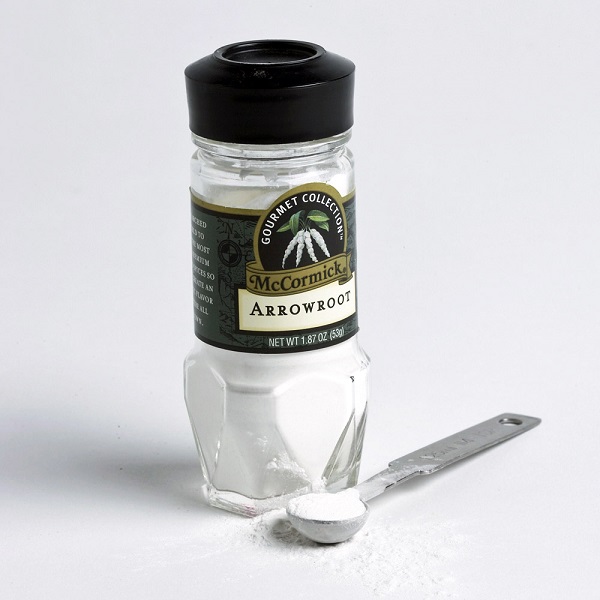
In stir-fries, cornstarch creates the velvety coating on meat and a crisp outer layer when shallow-frying. Rice flour handles this role exceptionally well — it holds up at high heat without turning gummy and produces a coating that stays crispy longer. It's the go-to choice for anyone experimenting with recipes like fried catfish without cornmeal, where the coating texture is everything.
Potato starch is another strong performer. It browns evenly and crisps quickly in a hot wok or skillet. If you're marinating chicken for a stir-fry — the kind featured in our healthy chicken recipes for weight loss — use rice flour or potato starch 1:1 in the marinade coat and you won't notice the difference.
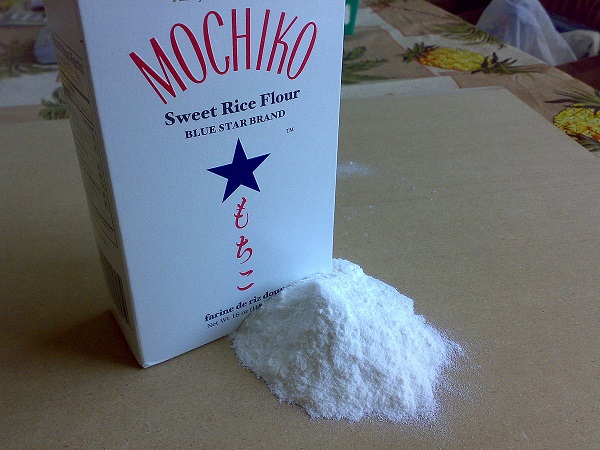
In baking, cornstarch softens cookie and cake texture by interrupting the gluten network. Arrowroot and tapioca starch are the closest substitutes here. Tapioca is particularly excellent in fruit pies — it thickens at a lower temperature and leaves fillings with a clear, glossy finish. If you're working on a lower-fat baking project where you might also be swapping out butter for ghee alternatives, tapioca fits naturally alongside those other adjustments.

Here's the full picture in one place. This table covers ratios, best applications, and what to watch out for with each substitute — so you can make a confident decision before you reach for anything on your pantry shelf.
| Substitute | Ratio vs. 1 tbsp Cornstarch | Best Uses | Avoid When |
|---|---|---|---|
| Arrowroot | 1:1 | Sauces, glazes, acidic dishes | Dairy-based sauces (turns slimy) |
| Rice Flour | 2 tbsp per 1 tbsp | Coatings, stir-fries, frying | Delicate clear sauces |
| Potato Starch | 1:1 | Soups, baking, high-heat cooking | Prolonged simmering |
| Tapioca Starch | 2 tbsp per 1 tbsp | Pies, fruit fillings, puddings | Very high-heat applications |
| Wheat Flour | 2 tbsp per 1 tbsp | Gravies, roux-based sauces | Gluten-free or grain-free diets |
| Guar Gum | ¼ tsp per 1 tbsp | Cold foods, dressings, smoothies | Hot cooking (can over-thicken) |
| Xanthan Gum | ¼ tsp per 1 tbsp | Gluten-free baking, sauces | Dishes where gummy texture is a problem |
| Glucomannan | ¼ tsp per 1 tbsp | Low-carb, keto cooking | Recipes needing an opaque result |
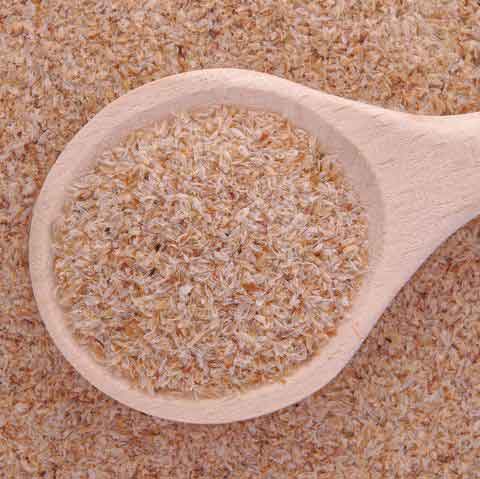
| Psyllium Husk | ½ tsp per 1 tbsp | Gluten-free bread, binding | Liquid thickening (adds gritty texture) |
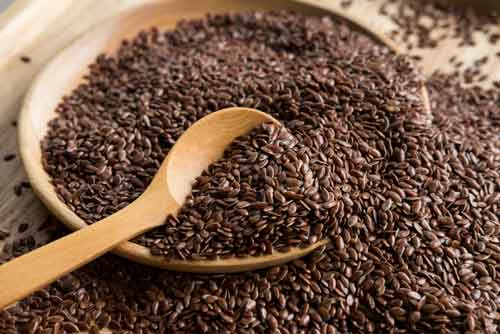
| Ground Flaxseeds | 1 tbsp + 3 tbsp water per 1 tbsp | Egg replacement, baking binder | Sauces or coatings |
Arrowroot, rice flour, potato starch, and tapioca are the four substitutes you'll use in the vast majority of situations. They're widely available, easy to measure, and produce consistent results. Arrowroot is your go-to for any sauce or glaze. Rice flour is your pick for anything fried or crispy. Potato starch handles soups and high-heat sautés. Tapioca is best reserved for baked desserts and fruit pies.
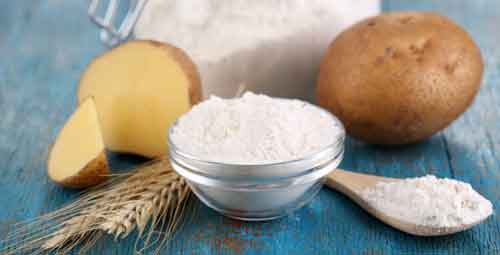
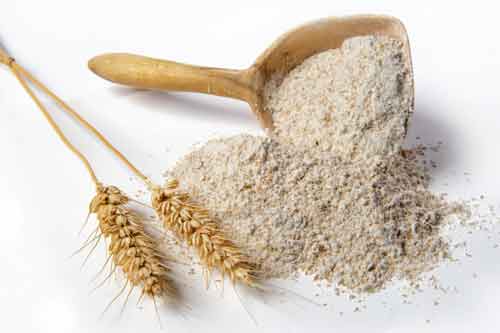
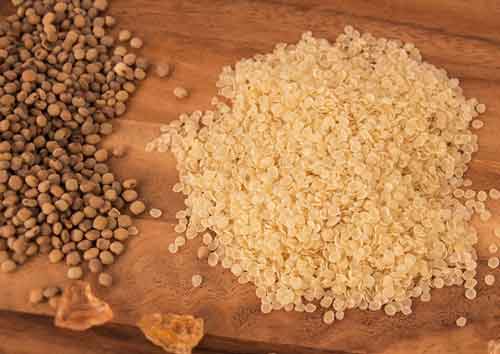
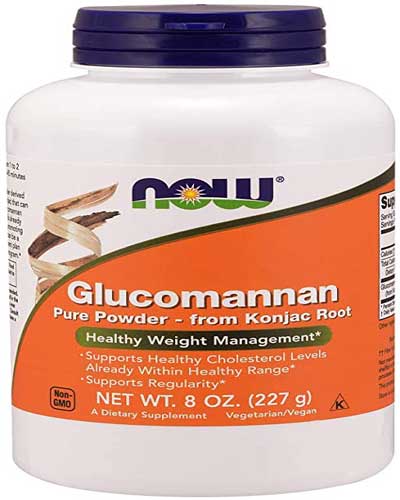
If you're cooking low-carb, keto, or managing a dietary restriction, the specialty options are worth learning. Guar gum and xanthan gum are extremely powerful — a tiny amount goes a long way. Glucomannan is particularly effective for keto cooking because it's nearly calorie-free and produces a clear, neutral-tasting gel. Ground flaxseeds function more as a binder than a thickener, making them ideal as an egg substitute in grain-free baking rather than for sauce work.
Use guar gum and xanthan gum sparingly — even a quarter teaspoon over your target amount can turn a silky sauce into something you'd need a knife to cut through.
Most failed substitutions trace back to two errors: using the wrong ratio and adding the starch at the wrong moment. Fix those two things and you'll get consistent results across every recipe.
Flour-based substitutes require double the volume because their starch concentration is lower. Gum-based substitutes require dramatically less — we're talking fractions of a teaspoon rather than tablespoons. These are not interchangeable. The most common mistake is assuming every substitute is a 1:1 swap. It isn't. Check the reference table before you measure anything.
Each starch has an ideal moment in the cooking process. Arrowroot breaks down with prolonged boiling — add it at the end of cooking, not the beginning. Wheat flour needs time to shed its raw taste — build it into the dish early and simmer. Psyllium husk and ground flaxseeds need time to hydrate — mix them with cold water first and let them sit a few minutes before incorporating into your batter or dough.
There's also a universal rule that applies to every cornstarch substitute for cooking: never add starch powder directly into hot liquid. Always combine it with a small amount of cold water first to form a slurry, then whisk that slurry into the hot pan. This single habit prevents lumps every time.
This is the most persistent myth in home cooking, and it's simply wrong. Arrowroot, rice flour, and potato starch each replicate what cornstarch does — often more cleanly. Arrowroot produces a clearer sauce. Potato starch handles higher heat without breaking down. Rice flour creates a crispier coating that holds longer after frying. The only scenario where cornstarch has a meaningful edge is in very high-heat deep-frying, and even there, rice flour is a close competitor.
They don't — not even close. Arrowroot turns slimy in dairy-based sauces. Tapioca can become stringy if overcooked. Guar gum over-thickens at room temperature. Each starch has unique behavior, and choosing the wrong one for the wrong dish creates textures you didn't intend. If you manage dietary sensitivities or food allergies, the stakes of a wrong swap are even higher — our guide on hidden food sensitivities explains exactly why ingredient choices can affect you beyond just taste and texture.
Matching the substitute to the cooking method — not just the recipe — is what separates a clean swap from a ruined dish.
The right equipment removes most of the uncertainty when you're working with unfamiliar starches. You don't need to buy anything new — you need to use what you already have with more precision.
Gum-based thickeners are measured in fractions of a teaspoon. A standard four-piece measuring spoon set isn't precise enough for this. Invest in a set that includes 1/8 teaspoon and 1/4 teaspoon options, or use a small digital kitchen scale. Even an extra half-teaspoon of xanthan gum can turn a pan sauce into something closer to gel than liquid.
If you apply the same systematic thinking to other pantry swaps, our guide to food mill substitutes walks through equipment-based substitution with the same precision-first approach.
Slurries must be incorporated quickly and evenly to prevent lumps from forming as the liquid heats. A flat whisk works best in shallow pans; a balloon whisk is more effective in deeper saucepans where you need to reach the bottom. Keep a fine-mesh strainer nearby as a backup — if lumps do form before the starch sets, you can strain the sauce and save it before the texture becomes permanent.
Arrowroot and potato starch are the most reliable 1:1 swaps. Both thicken at the same ratio, produce a neutral flavor, and deliver a clear finish in sauces and gravies. Choose arrowroot for acidic dishes; choose potato starch when you need to hold high heat for longer periods.
Yes, but use twice as much — 2 tablespoons of flour for every 1 tablespoon of cornstarch. Flour adds opacity and a mild raw taste, so simmer the sauce longer to cook it out completely. It works well in gravies and roux-based dishes but is not suitable for clear or acid-based sauces.
Glucomannan is the strongest option for keto recipes. It has almost zero net carbs, produces a clear gel, and is highly effective in small amounts — roughly 1/4 teaspoon per tablespoon of cornstarch. Xanthan gum is a close second and performs well in both hot and cold applications.
Arrowroot reacts with dairy proteins, which breaks down its starch structure and creates a slimy or gloppy texture. For any cream-based or milk-based sauce, use potato starch or cornstarch instead. All-purpose flour is also a safe choice in dairy applications since it remains stable in that environment.
The right cornstarch substitute for cooking isn't the most popular one on the shelf — it's the one that fits your dish, your heat, and your dietary needs.
 |
 |
 |
 |

About Rick Goldman
Rick Goldman grew up traveling the Pacific Coast and developed an early appreciation for regional and international cuisines through exposure to diverse food cultures from a young age. That culinary curiosity shaped his approach to kitchen gear — he evaluates tools based on how well they perform across different cooking styles, ingredient types, and meal occasions. At BuyKitchenStuff, he covers kitchen equipment reviews, recipe guides, and food-focused buying advice.
Check for FREE Gifts. Or get our Free Cookbooks right now.
Disable the Ad Block to reveal all the recipes. Once done that, click on any button below
|
|
|
|
