by Rick Goldman
Nearly 9 out of 10 home cooks keep at least one can of tomatoes in their pantry at all times — yet most people grab whichever can is closest without stopping to think about what they're actually buying. The question of crushed tomatoes vs. tomato sauce seems simple until you swap one for the other mid-recipe and wind up with something too watery, too salty, or just off. These two products come from the same fruit, but they behave very differently in the kitchen. Understanding the distinction is one of those small pieces of knowledge that pays off every single time you cook. For more practical guides like this one, explore the cooking section at BuyKitchenStuff.
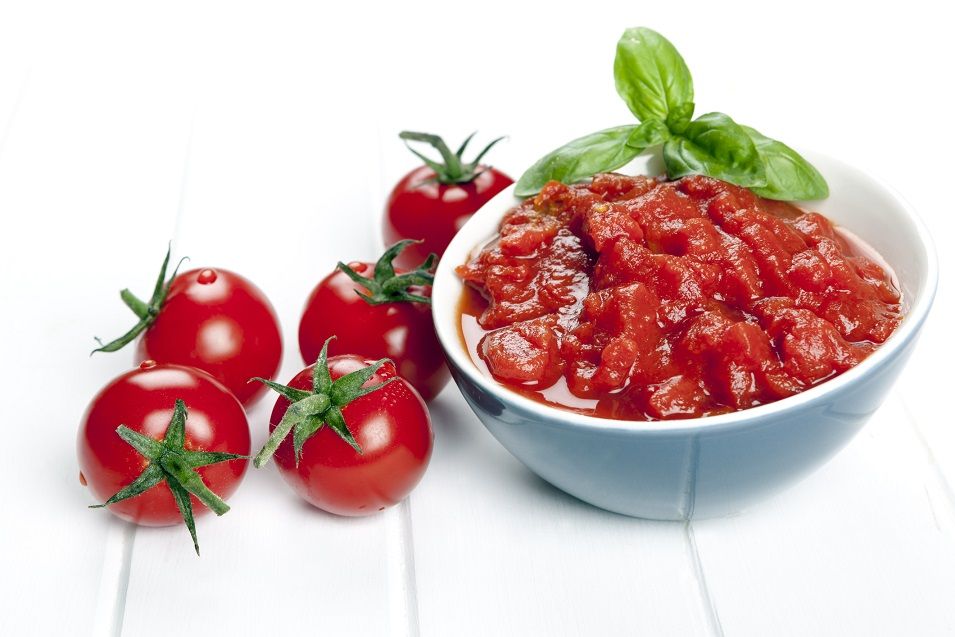
Here's the short version: crushed tomatoes are minimally processed, chunky, and essentially raw — they haven't been fully cooked and are usually unseasoned. Tomato sauce is cooked, smooth, and often contains added salt, herbs, or other seasonings. Both are genuinely useful. Neither is universally superior. The right choice depends entirely on what you're making and how much control you want over the final flavor.
Before diving into the details, it helps to know that tomato sauce has a long culinary history, stretching back centuries across Italian, Spanish, and Latin American cooking traditions. That history explains why modern canned tomato sauce is what it is — a convenient, pre-cooked product designed to save time. Crushed tomatoes, by contrast, are more of a raw ingredient, something closer to a starting point than a finished product.
Contents
The biggest mistake is treating these two products as interchangeable. They're not — and swapping one for the other without adjusting your recipe can change the flavor, consistency, and saltiness of your dish in ways that are genuinely hard to fix once everything is in the pot. Let's look at the two most common missteps.
If a recipe calls for crushed tomatoes and you use tomato sauce instead, you're introducing seasoning that wasn't accounted for in the original dish. Most canned tomato sauces contain added salt, and many include garlic, onion, or dried herbs. Crushed tomatoes are typically just tomatoes with a bit of citric acid (a natural preservative that keeps the color bright and adds mild tang). When you substitute without adjusting, your dish can end up over-salted or strangely herby before you've added a single spice yourself.
The reverse mistake is equally common. Using crushed tomatoes when a recipe wants tomato sauce gives you a chunkier, more acidic result. Sometimes that's perfectly fine — but if the recipe is built around a smooth, thin sauce that clings to pasta, floating chunks of tomato aren't going to get you there. The fix either way is simple: whenever you substitute one for the other, taste as you go. Hold back on salt when using canned sauce, and give crushed tomatoes extra time over heat to mellow out and thicken up.
Texture isn't just about preference — it's a functional part of how a dish comes together. Crushed tomatoes have real body and substance. They hold up during long cooking and give dishes a rustic, slightly chunky feel that reads as homemade and hearty. Tomato sauce is thinner and smoother straight from the can. When you cook it down, it becomes more concentrated and almost silky in consistency.
These textural differences affect how sauces coat pasta, how soups feel in the bowl, and how braises look on the plate. Neither texture is wrong — they serve different purposes. Paying attention to this distinction is what separates a decent cook from a reliably good one.
Pro tip: For slow-cooked braises and long-simmered meat sauces, crushed tomatoes are almost always the better starting point. They break down gradually over heat and build more complex, layered flavor than a pre-cooked canned sauce ever will.
Running out of an ingredient mid-cook is something every home cook faces eventually. The good news is that crushed tomatoes and tomato sauce are close enough relatives that you can make either work in most situations — as long as you know how to adjust on the fly.
Out of crushed tomatoes? Reach for a can of diced tomatoes and crush them yourself using the back of a spoon or a fork while they cook. You can also use an immersion blender (the handheld kind you stick directly into the pot) for a quick pulse, leaving some texture behind. If you decide to use tomato sauce as a substitute, scale back on any salt or herbs the recipe calls for — the sauce is already seasoned, and doubling up makes dishes taste flat and heavy.
Out of tomato sauce? Thin your crushed tomatoes with two or three tablespoons of water and let the mixture simmer for five to ten minutes to cook out some of the raw tomato brightness. Add a small pinch of salt and a drizzle of olive oil to round it out. If you're making a tomato-based pasta dish and want to plan ahead for leftovers, our guide on how to freeze pasta properly is worth a read — small planning habits like that keep good meals from going to waste.
You can make a reasonable tomato sauce from crushed tomatoes by simmering them over medium-low heat with olive oil, minced garlic, salt, and a small pinch of sugar for about 15 to 20 minutes. Blend it smooth with an immersion blender if you want a classic sauce consistency. The result won't be identical to canned tomato sauce, but it'll be close — and arguably better, since you control every ingredient that goes in.
Going the other direction — turning canned tomato sauce back into something textured like crushed tomatoes — doesn't really work. Once tomatoes are cooked and pureed, you can't restore fresh, chunky quality. But you can add body by stirring in a bit of tomato paste (a thick, highly concentrated tomato product), which thickens the sauce and adds depth without significantly changing the seasoning balance.
One important note: tomato paste is not a stand-alone substitute for either product. It's too thick and intense to use straight out of the can. But a tablespoon or two stirred into crushed tomatoes or a loosened tomato sauce can mimic some of the richness you'd otherwise get from a much longer cooking time.
There's no shortage of advice about canned tomatoes floating around online — and not all of it holds up. A few stubborn myths lead home cooks to make decisions that don't actually improve their food. Here's what's worth setting straight.
You'd be surprised how often people assume crushed tomatoes and tomato sauce are just different textures of the same product. They're not. The difference isn't simply about how much the tomatoes have been broken up — it's about whether they've been cooked at all, and what's been added during processing.
Crushed tomatoes are raw. They go from fresh tomato to can with minimal heat treatment beyond what's needed for safe sterilization. Tomato sauce undergoes a full cooking step that caramelizes some of the natural sugars, reduces water content, and fundamentally changes the flavor in ways that can't be reversed. The pH level (a measure of acidity) can also differ meaningfully between the two, which affects how they interact with other ingredients — especially proteins like meat, eggs, and dairy.
They both start with tomatoes, but they end up as very different products by the time they reach your pantry shelf. Treating them as equals is where a lot of recipes quietly go wrong.
This one has genuine truth to it — but only in peak tomato season. Outside of summer, most fresh tomatoes at a standard grocery store have been picked underripe and ripened during transport and storage. The flavor suffers significantly, and you often end up with something mealy and hollow-tasting.
High-quality canned tomatoes, by contrast, are processed at peak ripeness — often within hours of being harvested. Their flavor can be more consistent and more intense than an off-season fresh tomato that's spent a week in a refrigerated truck. For cooked applications like sauces, braises, soups, and stews, canned tomatoes are not a compromise. They're often the smarter and more reliable choice.
Worth knowing: The "San Marzano" label on a can doesn't always mean what you think. True San Marzano tomatoes are grown in a specific volcanic region of Italy and carry a DOP (Protected Designation of Origin) seal. Products labeled "San Marzano style" or "San Marzano type" are not the same — read the label carefully if authenticity matters to you.
Budget matters in the kitchen. Understanding the price difference between crushed tomatoes and tomato sauce helps you stock your pantry strategically and get real value from your grocery dollars — especially if you cook tomato-based dishes regularly or in large batches.
In most grocery stores, both products are among the most affordable items you can buy. The differences are modest, but worth understanding when you're stocking up or cooking for a crowd.
| Product | Typical Can Size | Store Brand Price | Name Brand Price | Best Use Case |
|---|---|---|---|---|
| Crushed Tomatoes | 28 oz (794g) | $1.00 – $1.50 | $2.50 – $3.50 | Homemade sauces, soups, braises, chili |
| Tomato Sauce | 15 oz (425g) | $0.80 – $1.20 | $1.50 – $2.50 | Quick pasta dishes, casseroles, stuffed peppers |
| Tomato Paste | 6 oz (170g) | $0.60 – $1.00 | $1.00 – $1.80 | Flavor booster, thickening agent |
| Jarred Pasta Sauce | 24 oz (680g) | $2.00 – $3.00 | $5.00 – $8.00 | Speed meals, last-minute dinners, dipping |
Crushed tomatoes generally offer more flexibility per dollar. Because they're unseasoned, you can take them in almost any direction — Italian, Mexican, Indian, Middle Eastern — without fighting against flavors that are already locked into the can. A single 28 oz can is typically enough for a generous pasta sauce for four people, or a solid pot of soup with some left over.
Tomato sauce is convenient and inexpensive, but its versatility is more limited. The pre-added seasoning makes it harder to adapt to different cuisines without the dish tasting like something came out of a can. If you rely heavily on canned tomato sauce for everything, you often end up buying jarred pasta sauce when you want something more robust — and that's where the cost climbs quickly.
For most home cooks, keeping both crushed tomatoes and tomato sauce on hand is the most practical pantry strategy. Reach for crushed tomatoes when you have time and want full control. Reach for tomato sauce when you need a meal on the table in under 20 minutes.
Knowing what each product is and what it costs is useful context. But knowing exactly when to use each one is where that knowledge turns into better food. Here's a practical breakdown of where each one genuinely shines.
Crushed tomatoes are your go-to when you want control over the final flavor. Because they're unseasoned and only minimally cooked, you're starting with a true blank canvas. They perform best in dishes where they have time to develop flavor, or where you're building a complex seasoning profile entirely yourself.
When you use crushed tomatoes, give them time and heat. A five-minute simmer barely scratches the surface of their potential. Thirty minutes over low heat transforms them into something richer, sweeter, and far more developed. If you enjoy cooking with cast iron — which holds heat evenly and is excellent for long-simmered tomato dishes — these cast iron grill pan recipes give you a solid sense of what that technique can produce.
Tomato sauce is your convenience tool. It's already cooked, already seasoned, and ready to go straight from the can. You're not building flavor from the ground up — you're finishing something that's mostly already done, which is genuinely useful on a busy weeknight.
It works best when you're in a hurry and need dinner ready fast. It's also ideal when you need a smooth, thin sauce for rice dishes or stuffed peppers where chunks of tomato would be awkward, or when making a casserole where the sauce needs to distribute evenly through the whole dish without any textural interruptions.
One underrated use: tomato sauce as a quick braising liquid for chicken thighs or pork shoulder. Mix one 15 oz can with half a cup of chicken broth, pour it over the meat, season lightly, and let everything simmer low and slow for an hour. The pre-seasoned sauce does most of the flavor work, and you end up with something that tastes far more complicated than the actual effort involved.
Theory is useful, but real-world results are what actually matter in the kitchen. Here's how crushed tomatoes and tomato sauce behave in the dishes you're most likely to be cooking on any given week — and which one gives you better results in each situation.
For a classic marinara sauce, crushed tomatoes are the better choice. They have more brightness and natural acidity, and when you cook them down with olive oil, garlic, and a few leaves of fresh basil, the result is cleaner and more vibrant than starting with pre-seasoned canned sauce. Tomato sauce works in a pinch, but the locked-in seasoning limits how much you can steer the final flavor.
For pizza, most serious home cooks and professional pizzerias use crushed tomatoes or tomato puree — not pre-seasoned tomato sauce. The reason is control. You want the cheese, toppings, and crust to carry the dish, not an aggressively flavored base competing with everything else. For homemade pizza, crush the tomatoes by hand directly onto the dough, season lightly with salt and a thin drizzle of olive oil, and don't pre-cook the sauce. It finishes in the oven, and the result is noticeably fresher and brighter.
For tomato soups, both products work — but crushed tomatoes give you more depth if you let the soup simmer for 30 minutes or more. The raw tomato flavor cooks off, leaving something richer, rounder, and more complex. If you use canned tomato sauce for a quick soup, thin it with broth and taste carefully for salt before adding more of anything.
This is where crushed tomatoes genuinely outperform canned tomato sauce. In a slow cooker, time does the heavy lifting. Crushed tomatoes break down over hours of gentle heat, releasing their natural sugars and building a sauce that tastes like it required constant attention — even if you just set it and walked away for the day. By dinnertime, the chunks are gone, the acidity has mellowed completely, and the flavor is deep, rich, and complex.
Tomato sauce in a slow cooker can work, but you need to watch the salt carefully. Long cooking concentrates flavors significantly, and because canned sauce is already seasoned, four or more hours of heat can push the sodium level into uncomfortably salty territory. If you go this route, reduce or eliminate any additional salt called for in the recipe and taste near the end before adjusting anything.
One final practical note worth keeping in mind: if your dish includes other naturally acidic ingredients — wine, citrus juice, vinegar — crushed tomatoes give you more control over the final acid balance than pre-seasoned tomato sauce does. You can build up acidity intentionally and adjust as you go. With canned sauce, you're working around flavors that are already fixed, which makes precise balancing harder once everything is in the pot.
Yes, with a few adjustments. Crushed tomatoes are unseasoned and have a chunkier texture, so when you use them in place of tomato sauce, you'll need to add your own salt and give them more time to cook down for a smoother consistency. The flavor will also be slightly more acidic and fresh-tasting, which works well in many dishes but will change the overall character of whatever you're making.
Crushed tomatoes taste bright, fresh, and slightly acidic — because they're essentially raw, you get a lot of that clean, sharp tomato flavor. Tomato sauce has a deeper, more mellow flavor because the cooking process caramelizes some of the natural sugars and reduces overall acidity. Most canned tomato sauces also contain added salt and sometimes herbs, which further distinguishes the flavor from unseasoned crushed tomatoes.
Crushed tomatoes are generally the better choice for homemade pizza sauce. They allow you to control seasoning completely, and their slightly chunky texture spreads well on dough without becoming soupy. Many pizzerias crush their tomatoes by hand and apply the sauce raw directly to the dough — it finishes cooking in the oven, staying bright and fresh. Pre-seasoned tomato sauce works but tends to produce a flatter, more "canned" tasting result.
No, these are different products. Canned tomato sauce is a basic cooking ingredient — typically tomatoes, salt, and minimal seasonings — designed to be built upon. Jarred pasta sauce is a fully finished product with a more complex blend of seasonings, vegetables, oils, and sometimes sugar. You can use canned tomato sauce as a starting point for pasta and season it yourself, but jarred pasta sauce is ready to use with almost no added effort.
Crushed tomatoes are typically the healthier option because they have fewer additives. They're usually lower in sodium and contain no added sugar or herbs — just tomatoes and citric acid. Canned tomato sauce often contains added salt and sometimes sugar to balance acidity. If you're watching your sodium intake, check the nutrition label carefully — some brands of tomato sauce contain over 300mg of sodium per half-cup serving, while crushed tomatoes typically have significantly less.
Absolutely, and it's easier than you might expect. Simmer crushed tomatoes in a saucepan with a drizzle of olive oil, minced garlic, salt, and a small pinch of sugar over medium-low heat for 15 to 20 minutes, stirring occasionally. Blend it smooth with an immersion blender if you want a silky consistency. The result is a fresher, more customizable tomato sauce than anything from a can — and you control every ingredient that goes into it.
This is a very common problem, and it usually happens because canned tomato sauce already contains salt while the recipe you're following may have been developed with unseasoned crushed tomatoes or fresh tomatoes in mind. When you layer salted pasta water, cheese, and seasoned protein on top of a pre-salted sauce base, the sodium compounds quickly. The fix is to use less salt throughout your cooking process and to taste the dish before adding anything at the end.
Once you open a can of either product, transfer any unused portion to an airtight container and refrigerate it immediately. Both crushed tomatoes and tomato sauce will keep safely in the fridge for about five days. For longer storage, you can freeze either product in a sealed freezer-safe container for up to three months — just leave a little extra room in the container since tomatoes expand slightly as they freeze.
Once you understand what crushed tomatoes and tomato sauce actually are, you'll never reach for the wrong can again — and every tomato-based dish you make from here on will be quietly, noticeably better for it.
 |
 |
 |
 |

About Rick Goldman
Rick Goldman grew up traveling the Pacific Coast and developed an early appreciation for regional and international cuisines through exposure to diverse food cultures from a young age. That culinary curiosity shaped his approach to kitchen gear — he evaluates tools based on how well they perform across different cooking styles, ingredient types, and meal occasions. At BuyKitchenStuff, he covers kitchen equipment reviews, recipe guides, and food-focused buying advice.
Check for FREE Gifts. Or get our Free Cookbooks right now.
Disable the Ad Block to reveal all the recipes. Once done that, click on any button below
|
|
|
|
