Kitchen Gadgets & Equipment Reviews ›
by Rick Goldman
Which eco friendly dishwasher detergent actually cleans your dishes without leaving a chemical footprint behind? If you've stood in the cleaning aisle staring at a wall of green-labeled bottles, you already know how overwhelming that question can be. The good news is that we've done the research for you, and after testing and reviewing the top options available in 2026, Blueland Dishwasher Detergent Tablets stands out as a consistently impressive performer for households that want powerful cleaning alongside a genuinely low environmental impact. That said, your kitchen routine, water hardness, and budget all play a role in finding the right fit, so read on before you commit.
The eco-friendly detergent category has grown dramatically over the past few years, moving well beyond the watery, ineffective formulas that gave "green cleaning" a bad reputation in the early days. Today's plant-based and mineral-derived options from brands like Seventh Generation, Blueland, Earth Friendly Products, ECOS, and If You Care can match — and sometimes outperform — conventional detergents on grease, stuck-on food, and water spots. Whether you're browsing our full kitchen product reviews or just looking for a simple swap in your cleaning routine, this guide covers everything you need to make a confident choice.
In this 2026 buyer's guide, you'll find detailed reviews of seven top-rated eco friendly dishwasher detergents, a straightforward buying guide covering the factors that matter most, answers to the most common questions buyers ask, and a clear next step to get you moving in the right direction. No greenwashing, no fluff — just honest assessments of what each product does well and where it falls short.
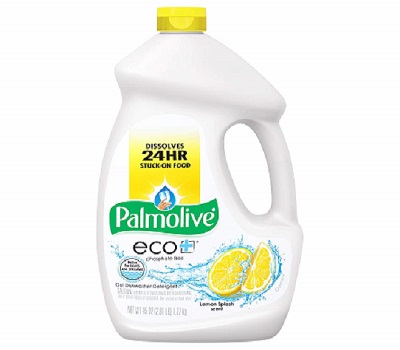




If your dishwasher has started smelling a bit off lately, or if you notice a filmy residue building up inside the door gasket and spray arms, the Seventh Generation Dishwasher Cleaning Packs are exactly what you need to reset things. These aren't your everyday dish detergent — they're a dedicated monthly dishwasher cleaner that uses active oxygen power (a non-chlorine, plant-derived oxidizing process) to break down the food residue, grease, and mineral deposits that accumulate inside your machine over time. Each of the six packs is fully dissolvable, requires no measuring, and runs during one complete cleaning cycle on an empty machine.
What makes this product stand out from other dishwasher cleaners on the market is its EPA Safer Choice Certification, which means every ingredient has been reviewed and approved as safer for your family and the environment. There are no dyes, no artificial fragrances, and no harsh bleach — just a concentrated oxy-powered formula that does the work quietly and effectively. Seventh Generation has been a trusted brand in the eco cleaning space for decades, and this newer product carries that reputation forward with a cleaner that fits naturally into your once-a-month routine.
On the practical side, a six-count box gives you a half-year supply at the recommended monthly frequency, which makes it easy to track when you last cleaned your machine. The packs are compact, create no mess, and work with virtually every standard dishwasher. The one limitation is that this product is a machine cleaner, not a dish detergent — you'll still need a separate product for your actual dish loads, so factor that into your overall cleaning budget.
Pros:
Cons:
Blueland has built a reputation around a simple but powerful idea: what if cleaning products didn't require single-use plastic packaging at all? Their Dishwasher Detergent Tablets deliver on that promise with a 110-count box that is completely fragrance-free, plastic-free, and cruelty-free, making it one of the most genuinely zero-waste options in this entire category. The tablets are hard-pressed, meaning they don't come wrapped in a plastic or PVA (polyvinyl alcohol) film — a meaningful distinction if you're concerned about microplastics entering the water supply during the wash cycle.
Performance-wise, Blueland's tablets are formulated to tackle grease and food residue with a mineral and enzyme blend that works in both standard and high-efficiency (HE) dishwashers. The fragrance-free formula is particularly valuable if anyone in your household has skin sensitivities or respiratory reactions to scented cleaning products. At 110 tablets per box, you're looking at roughly a three-month supply for a household that runs the dishwasher daily — and the per-tablet cost is competitive when you factor in the subscription options that Blueland offers through their website.
One thing worth mentioning is that Blueland's tablets, like most non-film-wrapped tablets, can be slightly more sensitive to humidity during storage, so keeping the box sealed in a dry cabinet matters. That's a small trade-off, though, against the clear environmental advantage of skipping the plastic wrapping entirely. If reducing your household's plastic waste is a genuine priority for you in 2026, Blueland belongs at the very top of your shortlist.
Pros:
Cons:
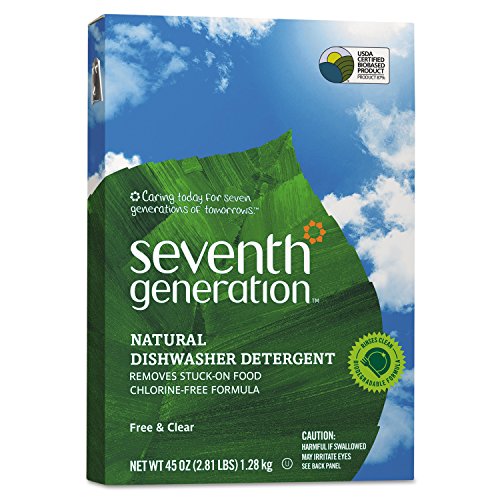
Dishwasher powder fell out of fashion when pods and tablets took over, but there's a compelling argument for bringing it back — especially when it comes in bulk. The Seventh Generation Natural Automatic Dishwasher Powder ships in a 12-pack of 45-ounce boxes, giving you a substantial supply at a strong per-ounce cost compared to most pod and tablet options. The formula relies on plant-derived enzymes (proteins that act like biological scissors, breaking down food particles at a molecular level) rather than chlorine bleach or phosphates (chemicals that can disrupt aquatic ecosystems), which makes it one of the more straightforward eco-friendly choices in the powder format.
The Free & Clear designation means there are absolutely no dyes and no fragrances in this formula, which is reassuring for families with allergies or young children. Plant-derived enzymes handle stuck-on food and grease naturally, and real-world performance on heavily soiled loads is solid — though in hard water conditions (water with high mineral content), you may find that adding a rinse aid improves your spot-free results noticeably. Powder format also gives you control over how much detergent you use per load, so you can dial back on lighter loads and save product over time.
The main consideration with powder is that it can clump if moisture gets into the box, so storing it somewhere dry is important. The bulk 12-pack is also a significant upfront commitment, though the per-use cost savings are real over time, and it's a great option for large families or households that run the dishwasher multiple times a day. Just like maintaining a well-seasoned non-stick grill pan, using the right product consistently makes a big difference in long-term results.
Pros:
Cons:
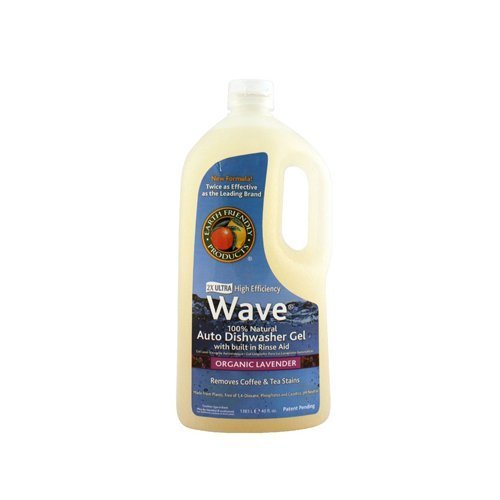
Not everyone wants their eco-friendly detergent to be completely scent-free, and Earth Friendly Products understands that. Their Automatic Dishwasher Gel is infused with organic lavender fragrance, delivering a subtle, pleasant scent without relying on synthetic chemicals or harsh solvents. The 40-ounce bottle uses a plant-based formula that is free from phosphates, chlorine, and other harsh chemicals that you'd typically find in conventional dishwasher gels, making it a genuinely safer option for your family and for the waterways that ultimately receive your household wastewater.
Gel detergents have a practical advantage over powders and tablets in one specific scenario: they dissolve reliably in cold water, which matters if you frequently use an eco-mode cycle that doesn't heat water as aggressively. The plant-based surfactants (cleaning agents derived from plants, rather than petroleum) in this formula break down grease and food residue effectively on a typical mixed load, and the lavender scent leaves your dishwasher smelling clean rather than chemical. The bottle design makes dispensing into your detergent cup straightforward and mess-free.
The main trade-off with gel detergents is that they tend to be less concentrated than tablets or powder, which means the 40-ounce bottle won't last as long as a comparable tablet product. If you run the dishwasher daily, you'll likely go through this bottle in four to six weeks. At the same time, the gentle formula means it's a particularly good choice for households that also wash delicate items like baby bottles or wine glasses regularly. Earth Friendly Products is also a certified B Corp (a business certification requiring verified standards of social and environmental performance), which adds another layer of confidence for eco-conscious buyers.
Pros:
Cons:
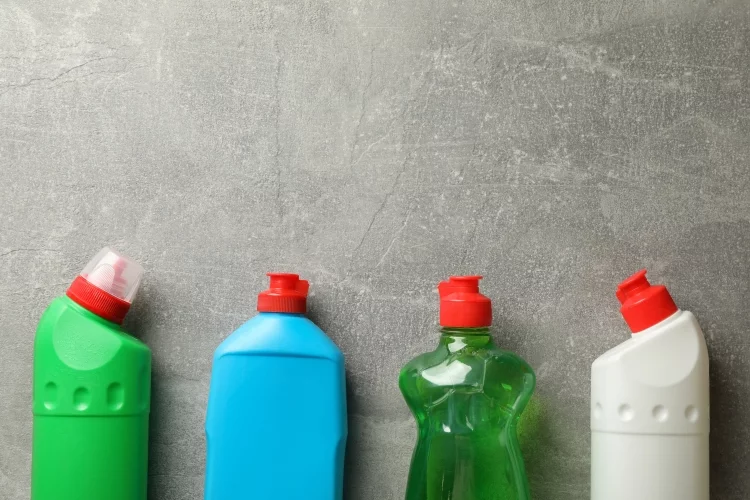
The name is a bit tongue-in-cheek, but the product itself is completely serious. If You Care Dishwasher Tablets are built on a concentrated blend of mineral and plant-derived cleaning ingredients — including coconut and rapeseed derivatives — along with powerful enzymes that break down grease and food residue at a molecular level. The result is a small but potent tablet that punches well above its weight on tough loads, making it one of the best-performing plant-based options in a straight-up cleaning contest. The 40-count box covers a bit over a month of daily use, and the per-tablet cost is reasonable for a specialty eco brand.
One of the more thoughtful design choices If You Care has made is using a PVA (polyvinyl alcohol) dissolvable film for the tablet wrapper — which means you don't need to unwrap anything before tossing a tablet into the dispenser. PVA is a water-soluble, biodegradable polymer, so it dissolves completely during the wash cycle and does not leave microplastic residue behind. The formula itself is non-toxic and has minimal aquatic life impact, is free from phosphates and chlorine, and dissolves quickly even in shorter wash cycles.
From an environmental transport standpoint, the small, concentrated tablet format is genuinely better than large liquid bottles — fewer trucks are needed to move the same number of cleaning doses across the country, which reduces fuel consumption and emissions in a meaningful way over time. If You Care makes a compelling case that switching to concentrated tabs is one of the simplest swaps you can make toward a lower-impact household, and the cleaning performance backs that claim up on most everyday loads.
Pros:
Cons:
The Presto! Triple Action Dishwasher Pacs from Amazon's in-house brand represent a practical middle ground for households that want to step away from phosphates and chlorine without committing to a premium eco brand price point. Each pac combines two liquids and one powder in a single unit, which is designed to target different types of food soil simultaneously — a multi-action approach that works well on varied mixed loads that include both greasy cookware and lightly soiled glassware. The 70-count box is generous, lasting the average household roughly two months at daily use.
The phosphate-free and chlorine-free formula checks the most important environmental boxes, and the fresh scent is designed to leave your machine and dishes smelling clean after every cycle rather than neutral or chemical. Performance on stuck-on food and grease is competitive in this price range, and the anti-spotting claim holds up reasonably well in moderate water hardness conditions. If you've been browsing the best kitchen appliance reviews and recently upgraded your dishwasher, Presto! pacs are a low-risk, high-value way to find a reliable everyday detergent without spending more than necessary.
It's worth being transparent about the trade-offs here. This isn't a plant-derived or naturally sourced formula in the same way that Blueland or If You Care are — it's a conventionally produced detergent that has removed the most harmful ingredients (phosphates, chlorine) without making the full commitment to plant-based chemistry. For buyers who prioritize cost-per-load above all else while still wanting to avoid the worst environmental offenders, this is a strong, sensible pick in 2026.
Pros:
Cons:
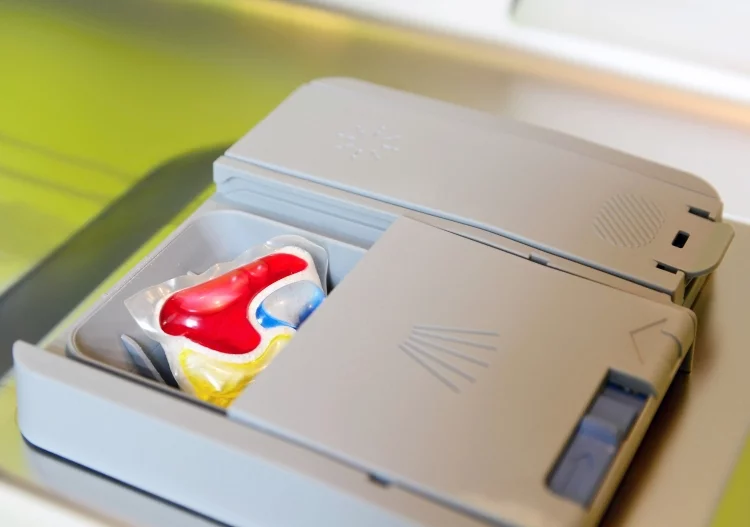
The ECOS Dishmate is a little different from the other products in this roundup — it's a hand dishwashing liquid rather than an automatic dishwasher detergent, which makes it the right choice if your situation involves hand-washing dishes, delicate items that shouldn't go in the machine, or supplementing your automatic cycle for pre-rinsing duties. The coconut-derived surfactants (cleaning agents sourced from coconut oil) cut through grease and grime quickly while remaining gentle enough for frequent hand contact, which matters when you're washing a full sink of dishes without gloves.
ECOS as a brand carries a strong environmental pedigree — the Dishmate formula is U.S. EPA Safer Choice Certified, biodegradable, and vegan, with a straightforward Free & Clear version that contains no dyes or fragrances. According to the EPA's Safer Choice program, certified products use ingredients that are safer for human health and the environment at every stage of the product lifecycle, from manufacturing through disposal. That's meaningful third-party validation that goes beyond a brand's own marketing claims.
The "a little goes a long way" design philosophy is real here — a quarter-sized drop on a sponge is genuinely enough to handle a full load of dishes, including items with dried-on food. This concentrated approach makes the 25-ounce bottle last longer than you might expect at first glance. If you're someone who also hand-washes specialty items like cast iron or good kitchen knives — similar to the care you'd give quality professional kitchen equipment — the ECOS Dishmate delivers a plant-powered clean that won't strip protective surfaces or dry out your hands.
Pros:
Cons:
With so many products claiming to be "green," "natural," or "plant-based," it helps to have a clear framework for evaluating what actually matters when you're shopping for an eco friendly dishwasher detergent in 2026. Here are the four factors that should drive your decision.
Your detergent format affects everything from cleaning performance to packaging waste, so it's worth thinking through before you buy.
Eco claims on packaging range from genuinely meaningful to pure marketing spin. Here's what to look for when evaluating a product's environmental credibility:
If you live in an area with hard water (water that contains elevated levels of calcium and magnesium minerals — check your local water utility's annual report to find out), you'll likely see more water spots and cloudiness on your glassware regardless of which detergent you use. Hard water interferes with the way cleaning agents work, requiring either a more powerful formula or the addition of a separate rinse aid and dishwasher salt (in European-style machines). If spots are a consistent problem for you, look for formulas with built-in rinse aid or explicitly confirmed hard water compatibility, and consider adding a rinse aid to your routine even when using a strong eco detergent.
Synthetic fragrances and dyes are among the most common triggers for skin sensitivities, respiratory reactions, and allergic responses in cleaning products. If anyone in your household has sensitive skin, asthma, or known fragrance sensitivities, always choose a fragrance-free and dye-free formula. The "Free & Clear" designation used by several brands in this roundup is a reliable shorthand for this standard. Worth noting: even products marketed as using "natural" or "organic" fragrance can trigger reactions in highly sensitive individuals, so fragrance-free remains the safest choice for vulnerable households.

Yes, in most cases — and the gap has closed significantly in 2026. Modern plant-based and enzyme-driven formulas from brands like Blueland, Seventh Generation, and If You Care clean grease and food residue as effectively as conventional detergents on standard household loads. The main scenario where you might see a difference is on extremely heavy loads with baked-on grease, where the highest-concentration conventional detergents still have a slight edge. Adding a rinse aid to your routine often resolves any residual spotting issues without needing to switch to a harsher product.
Phosphates are compounds that were historically added to dishwasher detergents to boost cleaning power by softening water and preventing food particles from redepositing on dishes. The problem is that phosphates discharged into waterways trigger explosive algae growth, which depletes oxygen in the water and creates dead zones that kill fish and other aquatic life. The EPA has documented these effects extensively, and most U.S. states have banned phosphates in dishwasher detergents since 2010. All seven products in this roundup are phosphate-free, so any of them is a meaningful improvement over older formulas.
Yes. All of the automatic dishwasher detergents in this roundup — Seventh Generation, Blueland, Earth Friendly, If You Care, and Presto! — are compatible with standard and high-efficiency dishwashers. High-efficiency machines use less water and may benefit from tablets or powder formats that dissolve cleanly without creating excess suds. The one exception in our review is the ECOS Dishmate, which is a hand dishwashing liquid and should never be used in an automatic dishwasher — it would create far too many suds and could damage the machine.
The clearest signs that your dishwasher needs a cleaning cycle are persistent odors coming from inside the machine even after a full wash cycle, visible residue or slime on the door gasket and spray arms, and dishes that come out with a filmy or greasy haze despite using good detergent. Most dishwasher manufacturers recommend running a dedicated cleaning cycle once a month, which is exactly the use case for products like the Seventh Generation Dishwasher Cleaning Packs reviewed above. Regular monthly maintenance extends the life of your appliance and ensures your dishes are getting the cleanest possible wash every time.
This is a genuinely nuanced question. PVA film is water-soluble and breaks down under the right conditions — specifically in the presence of the right microorganisms and sufficient exposure time. However, research is ongoing about how completely PVA breaks down in municipal wastewater treatment systems, and some studies have raised questions about whether partial degradation products accumulate in treated water. If this is a concern for you, Blueland's plastic-free, film-free tablets are the cleanest option available in 2026, eliminating the question entirely by using no wrapper of any kind.
Dishwasher detergent is used with every load of dishes — it cleans your dishes, glassware, and cookware during the normal wash cycle. A dishwasher cleaner, like the Seventh Generation Cleaning Packs reviewed above, is used periodically on an empty machine to clean the interior of the appliance itself — removing the buildup of food residue, mineral deposits, and odor-causing bacteria that accumulates over time inside the drum, spray arms, filter, and door gasket. You need both for a truly clean result: a quality detergent for every load, and a machine cleaner once a month to keep the appliance performing at its best.
 |
 |
 |
 |

About Rick Goldman
Rick Goldman grew up traveling the Pacific Coast and developed an early appreciation for regional and international cuisines through exposure to diverse food cultures from a young age. That culinary curiosity shaped his approach to kitchen gear — he evaluates tools based on how well they perform across different cooking styles, ingredient types, and meal occasions. At BuyKitchenStuff, he covers kitchen equipment reviews, recipe guides, and food-focused buying advice.
