by Daisy Dao
Last week I was halfway through a batch of homemade coleslaw dressing when I realized my jar of celery seed was completely empty. The store was a 30-minute drive away, and I had guests arriving in an hour. That moment of panic led me down a rabbit hole of pantry improvisation that actually improved my recipe. If you've ever found yourself in a similar bind, knowing the best celery seed substitutes saves you time and stress. Celery seed has a concentrated, slightly bitter, earthy flavor that shows up in everything from potato salad to spice rubs — and several ingredients in your kitchen right now can fill that gap. This guide walks you through ten proven alternatives, when to use each one, and how to nail the ratios so your dish tastes exactly the way you intended. For more cooking tips and techniques, explore our full guide collection.

Celery seed comes from the same plant as the stalks you chop into soups, but the flavor profile is far more intense. A single teaspoon packs the punch of several stalks. That concentration is exactly why substitutions require some thought — you need to match both the herbaceous depth and the subtle bitterness without overwhelming the dish. The good news is that most of these substitutes are staples you already own.
Whether you're building a dry rub, mixing a salad dressing, or seasoning a braise, the right substitute depends on whether you need the flavor, the texture, or both. Some swaps work universally while others shine in specific applications. Let's break it all down.
Contents
Before diving into the details, here's a side-by-side look at all ten substitutes. This table covers the best celery seed substitutes, their conversion ratios, and where they perform strongest. Bookmark this for quick reference next time you're mid-recipe.
| Substitute | Ratio (per 1 tsp celery seed) | Flavor Profile | Best Used In |
|---|---|---|---|
| Celery stalks (diced) | 3 tablespoons | Mild, fresh, watery | Soups, stews, stuffing |
| Celery leaves | 2 tablespoons chopped | Herbaceous, slightly bitter | Salads, garnishes |
| Caraway seed | ½ teaspoon | Earthy, anise-like | Coleslaw, rye bread, sauerkraut |
| Dill seed | 1 teaspoon | Grassy, mild anise | Pickles, potato salad, dressings |
| Parsley (fresh) | 1 tablespoon chopped | Clean, peppery | Tabbouleh, sauces, eggs |
| Fennel seed | ½ teaspoon | Sweet, licorice-forward | Italian sausage, roasts, braises |
| Celery salt | ½ teaspoon (reduce other salt) | Salty, concentrated celery | Bloody Marys, dry rubs, popcorn |
| Garlic or ginger | ½ teaspoon minced | Pungent, aromatic | Stir-fries, marinades, curries |
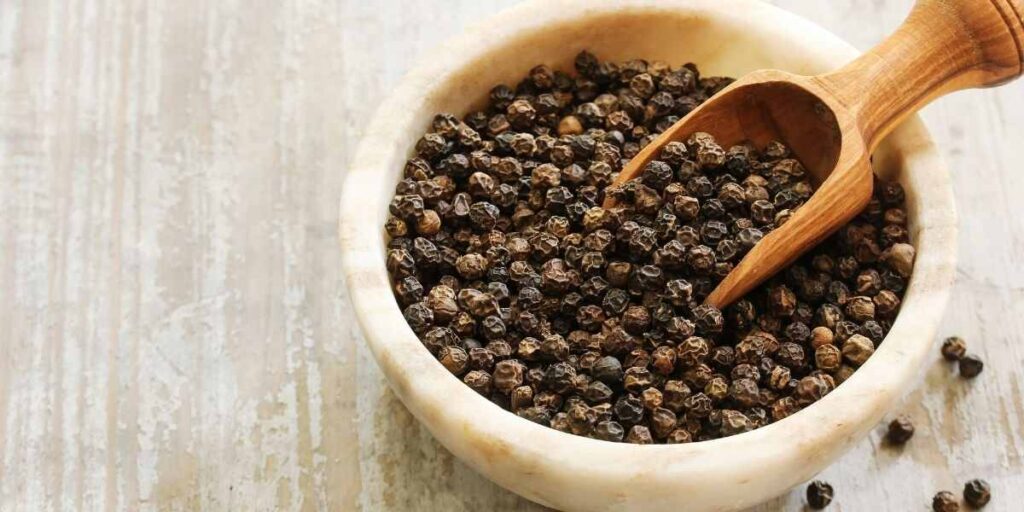
| Black pepper | ¼ teaspoon | Sharp, warm | Universal seasoning |
| Star anise (ground) | ¼ teaspoon | Sweet, deeply aromatic | Broths, pho, braised meats |
Every substitute brings trade-offs. Understanding what each option does well — and where it falls short — helps you make a confident choice instead of a hopeful guess.
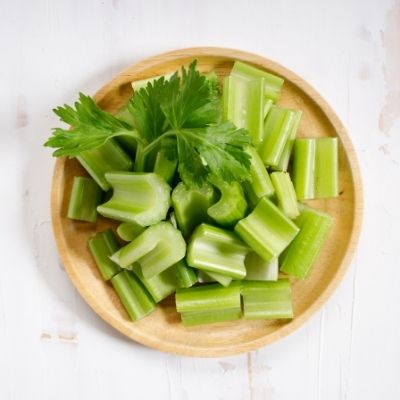
Fresh celery is the most intuitive swap and the closest in actual flavor family. The stalks deliver a mild, watery crunch — perfect for soups, stews, and braises where texture matters. The leaves are the hidden gem here. They carry a more concentrated herbaceous bitterness that closely mirrors celery seed. Finely mince the leaves and add them toward the end of cooking to preserve their punch. The downside is moisture content: fresh celery adds liquid to your recipe, which can throw off dressings, dry rubs, and baked goods. You also need a lot more volume to match the intensity of one teaspoon of seeds.
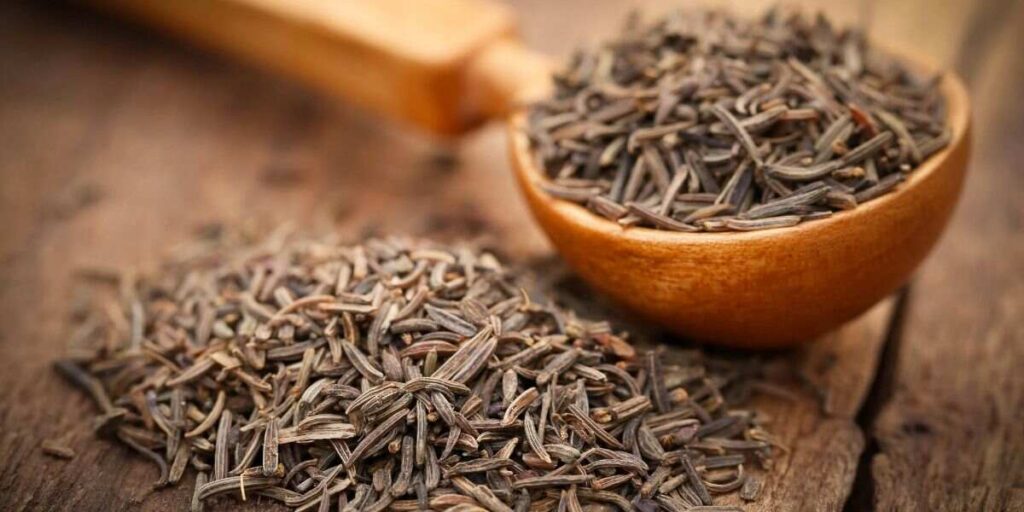
Caraway seed is arguably the best celery seed substitute for coleslaw and sauerkraut. It shares that earthy, slightly bitter backbone and even looks similar. The anise undertone is stronger than celery seed, so start with half the amount and adjust upward. Caraway works beautifully in bread doughs, brined vegetables, and Eastern European dishes. It struggles in delicate applications like seafood or light vinaigrettes where the anise note can dominate.
Dill seed offers a grassy, mildly sweet flavor that slots into pickle brines, potato salads, and creamy dressings with minimal adjustment. It lacks the bitterness of celery seed but compensates with a pleasant warmth. Use a 1:1 ratio. Dill seed is a particularly strong pick when you're making anything in the herb-substitute family — it blends naturally with other dried herbs without competing for attention.
Substitution advice online is full of misleading claims. Let's clear up the biggest ones so you don't waste ingredients or ruin a dish.
This is the most common mistake. Celery salt is roughly two-thirds table salt and one-third ground celery seed. If you swap teaspoon for teaspoon, your dish ends up aggressively salty. Use half the amount and reduce any other salt in the recipe by at least a quarter teaspoon. Taste as you go.
Oregano, thyme, and rosemary are not celery seed substitutes. They belong to entirely different flavor families. Celery seed sits in the Apiaceae family alongside parsley, dill, fennel, and caraway. Stick to that family for the most accurate results.
Juicing celery gives you a watery, grassy liquid — nothing like the concentrated punch of the seed. You would need an impractical amount of juice to approximate one teaspoon of celery seed, and you'd flood your recipe with liquid in the process.
Your skill level and available pantry determine which approach to take. Here's how to think about it whether you're a casual cook or someone who geeks out over flavor chemistry.

If you just need something that works right now, reach for fresh parsley or dill seed. Parsley delivers a clean, peppery freshness that fills a similar role in salads, egg dishes, and light sauces. It won't replicate the bitter earthiness of celery seed, but it prevents your dish from tasting flat. Dill seed is another grab-and-go option — especially in anything pickled or creamy. These are the swaps you make when dinner is in 20 minutes and you're not overthinking it.
For cooks who want a closer match, blending two or three substitutes gets you into the right flavor neighborhood. Try combining ¼ teaspoon caraway seed with ¼ teaspoon dill seed and a pinch of celery salt. This trio covers the earthy, grassy, and bitter notes that define celery seed. Another effective blend is fennel seed with a small amount of fresh parsley — the fennel provides aromatic depth while the parsley adds the green, herbaceous brightness. If you enjoy experimenting with ingredient substitutions across your cooking, these blends sharpen your instincts for balancing flavors on the fly.
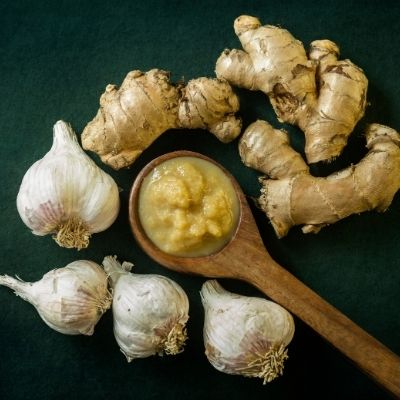
Garlic and ginger fall into a different category entirely. They don't taste like celery seed, but they fill the same structural role in a recipe — adding aromatic complexity that prevents a dish from tasting one-dimensional. Use these when your goal is depth rather than replication. A half teaspoon of freshly minced ginger in a stir-fry marinade gives you that aromatic backbone even though the flavor direction is completely different.
Having the right substitute on hand only matters if your spices are still potent. Dried seeds like caraway, dill, and fennel lose their essential oils over time, and stale spices are the silent killer of home cooking.
Whole seeds retain their flavor dramatically longer than pre-ground versions. A jar of whole caraway seeds stays potent for three to four years in a cool, dark cabinet. Ground caraway starts fading after six months. Whenever possible, buy whole seeds and grind them with a mortar and pestle or spice grinder just before use. The difference in aroma is immediately obvious.
Parsley and celery leaves are perishable. Wrap them in a damp paper towel, place them inside an unsealed plastic bag, and store them in the crisper drawer. They stay fresh for about a week this way. For longer storage, chop and freeze them in ice cube trays with a splash of olive oil — you'll have portion-ready herbs for months.
Even with the right substitute, things go sideways. Here's how to recover when your dish doesn't taste the way you expected.
If you went heavy on caraway or fennel and the licorice note is overpowering, add a squeeze of lemon juice or a splash of vinegar. Acid cuts through sweetness and pulls the other flavors forward. A pinch of salt also helps balance an overly sweet aromatic profile.
When your substitute isn't delivering enough depth, the issue is usually that celery seed's bitterness is missing. Add a tiny pinch of celery salt (watch the sodium) or a few drops of lemon zest. Bitterness and acidity wake up a flat dish faster than adding more of the same spice. You can also toast your substitute seeds in a dry pan for 60 seconds before adding them — heat releases volatile oils and intensifies flavor by 30 to 40 percent.
Fresh celery and parsley add moisture and crunch that dried celery seed doesn't. If your dressing turned watery after adding diced celery, strain out the solids, pat them dry, and fold them back in just before serving. For baked goods that came out soggy, reduce other liquids by a tablespoon next time you use a fresh substitute.
Substitution is more than swapping one ingredient for another. These practices ensure your final dish tastes intentional rather than improvised.
Dry-heat methods like roasting and grilling pair best with dried seed substitutes — caraway, dill seed, and fennel seed all handle high temperatures without losing character. Wet methods like braising and simmering work well with fresh alternatives like celery leaves and parsley, which release their flavor gradually into liquid. Never add fresh herbs at the beginning of a long braise — they turn bitter and muddy. Stir them in during the last ten minutes.
The single most effective practice is tasting at every stage. Add half the substitute amount first, stir, taste, then adjust. Celery seed substitutes vary in potency depending on freshness and brand, so published ratios are starting points rather than absolute rules. Your palate is the final authority.
Write down what you used, how much, and whether it worked. After a few attempts, you'll have a personalized reference that's more reliable than any generic guide. Note the dish, the substitute, the ratio, and your honest rating. This takes 30 seconds and saves you from repeating mistakes.
Caraway seed is the closest match for coleslaw. Use half the amount called for in the recipe, since caraway has a stronger anise note. It delivers the earthy, slightly bitter flavor that makes coleslaw dressing taste complete.
Yes, but reduce the amount to half and cut back on any other salt in the recipe. Celery salt is approximately two-thirds salt by weight, so a direct 1:1 swap makes your dish far too salty.
Dried parsley adds color and mild herbaceous flavor, but it lacks the bitterness and depth of celery seed. Fresh parsley is a better option. If dried is all you have, combine it with a pinch of dill seed for a more complete substitute.
Dill seed is the top choice for potato salad. It has a grassy warmth that complements mayonnaise-based dressings. Use a 1:1 ratio and add a small amount of freshly cracked black pepper for extra depth.
No. Celery flakes are dehydrated celery stalks and leaves, while celery seed comes from the flower of the celery plant. Flakes have a milder flavor and rehydrate with added moisture. Seeds are intensely concentrated and dry. You need roughly a tablespoon of flakes to approximate one teaspoon of seed.
Fennel seed works in dry rubs, especially for pork and poultry. Use half the amount since fennel is sweeter and more aromatic. Pair it with a small amount of black pepper to offset the sweetness and get closer to celery seed's savory profile.
Whole dried seeds like caraway, dill, and fennel last three to four years stored in airtight containers away from light and heat. Ground versions last about six months. Fresh herbs like parsley and celery leaves stay good for a week in the refrigerator or several months frozen in olive oil.
You don't need celery seed to make a great dish — you just need to understand what it brings to the table and pick the substitute that fills that specific role. Start with caraway or dill seed for your next recipe, taste as you go, and jot down what works. The more you practice substituting with intention, the more confident and flexible you become in the kitchen. Grab one of these alternatives and put it to the test tonight.
 |
 |
 |
 |

About Daisy Dao
Daisy Dao grew up in Honolulu, Hawaii, where coastal living and access to fresh local ingredients shaped her approach to home cooking from an early age. She has spent years experimenting with seafood preparation, healthy cooking methods, and ingredient substitutions — developing hands-on familiarity with a wide range of kitchen tools, techniques, and produce. At BuyKitchenStuff, she covers healthy recipes, cooking techniques, and ingredient substitution guides.
Check for FREE Gifts. Or get our Free Cookbooks right now.
Disable the Ad Block to reveal all the recipes. Once done that, click on any button below
|
|
|
|
