by Rick Goldman
A grill pan delivers juicy, char-striped chicken without needing an outdoor setup — and grill pan chicken recipes are genuinely some of the most versatile weeknight cooking options available. Our team has tested a wide range of approaches, from bold marinades to simple dry rubs, and compiled the best results in our recipe collection. The method rewards a bit of technique, and once that clicks, the results are consistently better than stovetop frying for flavor and texture.

Grill pans work by raising food above a flat surface so fat drips away while the ridges create distinct grill marks and a light char. According to the USDA's chicken food safety guidelines, poultry must reach an internal temperature of 165°F (74°C) — a standard our team verifies with a meat thermometer on every batch. Getting that right is the single most important step between a dry disappointment and a genuinely satisfying result.
Our experience shows the biggest factor isn't the recipe itself — it's technique. Heat management, pat-drying the meat before it hits the pan, and letting it rest afterward all matter more than most people expect. The sections below cover everything from quick-start recipes to how our team troubleshoots the most common mistakes.
Contents
Starting simple is almost always the right call. Our team recommends a handful of approachable recipes that work for home cooks at any skill level. These don't rely on exotic ingredients — they rely on solid seasoning and proper heat.
This is the workhorse of the collection. Boneless, skinless chicken breasts get a quick soak in olive oil, garlic, lemon juice, and dried herbs — rosemary, thyme, and oregano all work well together. Our team marinates for at least 30 minutes, though two hours delivers noticeably better flavor penetration throughout the meat.
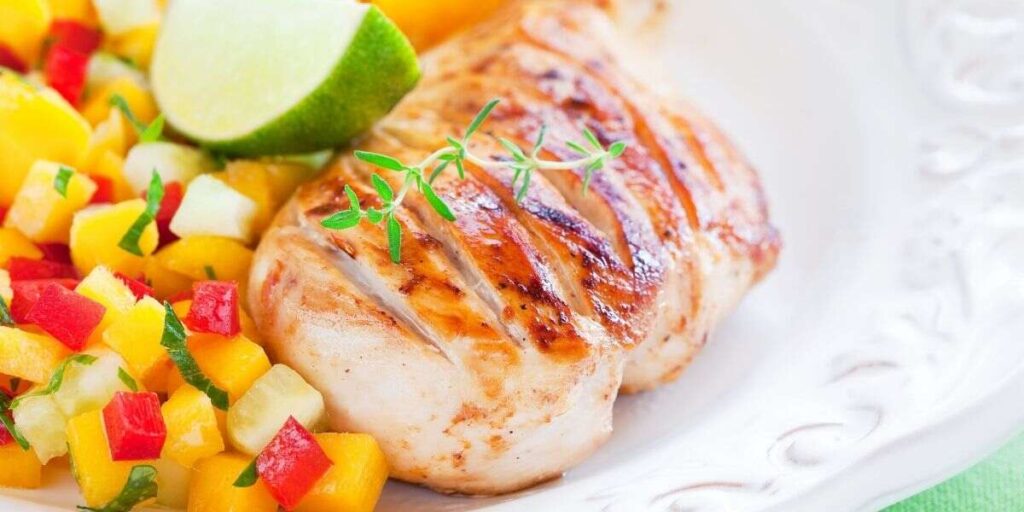
A plum salsa — fresh plums, red onion, cilantro, and lime juice — takes this recipe to another level. The sweetness of the plums balances the savory char beautifully, and it comes together in under ten minutes while the chicken cooks.
Fajitas are one of the best reasons to own a grill pan. The high, direct heat caramelizes the edges of chicken and peppers in a way a regular skillet simply cannot replicate. Our team prefers chicken thighs here — they stay juicier than breasts under high heat.

Season with cumin, chili powder, smoked paprika (dried red peppers with a smoky flavor), garlic powder, and a splash of lime juice. Grill the chicken first, rest it, then slice and return to the pan briefly alongside strips of bell pepper and onion. The order matters — mixing raw chicken and vegetables in together leads to uneven results and food safety concerns.
Pro tip: Resist moving the chicken during the first 3 minutes of cooking. Letting it sit undisturbed is what creates clean, defined grill marks — if it pulls when nudged, it simply needs another minute before it's ready to flip.
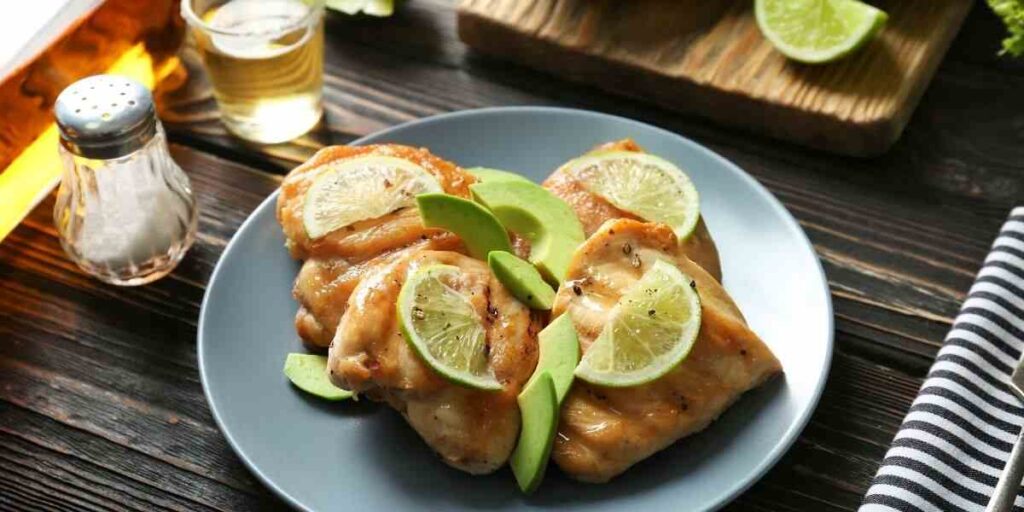
Tequila acts as a mild tenderizer (it breaks down surface proteins slightly) and adds depth that plain lime marinades don't achieve. Our team combines tequila, fresh lime juice, orange juice, garlic, and honey for a marinade that works especially well on thighs. An hour in the fridge is the minimum; three hours gives the best result. For anyone who wants to round out a meal with something lighter alongside, our guide to a healthy chicken recipe for weight loss covers complementary cooking approaches that fit naturally with citrus-forward flavors.
Most people underestimate how much the marinade or dry rub shapes the final result. Our team has found that even 30 minutes of marinating creates a measurably better outcome than cooking plain chicken — especially on a grill pan, where there's no sauce to add flavor after the fact.
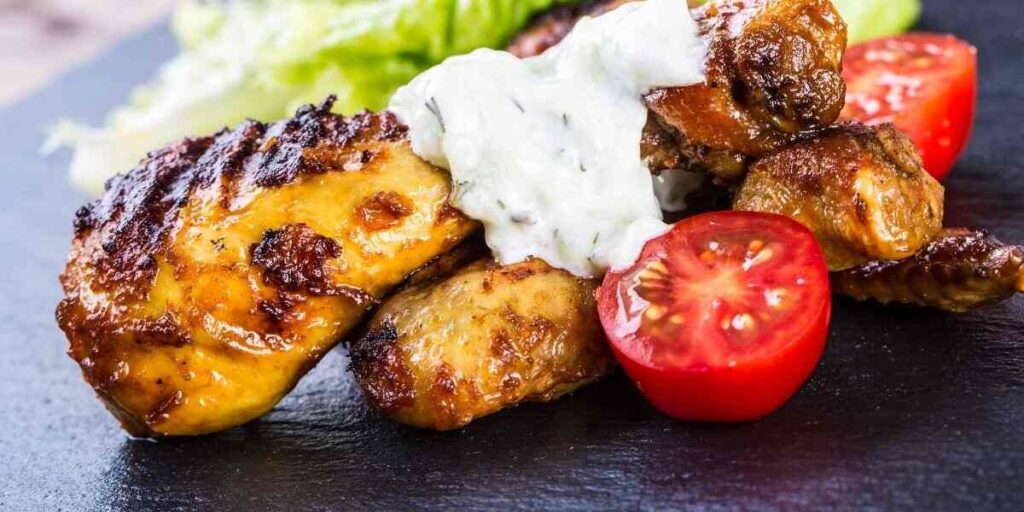
Yogurt-based marinades are among the most effective. The lactic acid in yogurt tenderizes chicken gently without breaking down texture the way citrus can if left too long. Our team uses full-fat plain yogurt with garlic, ginger, cumin, and a small amount of turmeric for a tandoori-inspired (a style from Indian cooking using clay-oven techniques) effect that works beautifully on drumsticks and thighs.
Other reliable wet marinade options worth trying:
When a recipe calls for ghee (clarified butter used in South Asian cooking) in the marinade or as a basting fat, our team often works with alternatives depending on what's stocked in the kitchen. Our guide to the best ghee substitutes covers practical swap options for everyday cooking without losing much richness.
Dry rubs are faster than marinades and work especially well when there's limited time. The key is applying the rub at least 15–30 minutes before cooking, so the salt draws out a small amount of surface moisture and then reabsorbs into the meat — this creates a better crust on the grill pan.
The technique behind excellent grill pan chicken stays consistent across recipes. Heat control and pan choice matter at least as much as the ingredients themselves.
Cast iron grill pans retain heat exceptionally well, which means an even sear across the whole piece of chicken. They take longer to preheat but hold temperature better when cold meat hits the surface. Nonstick options are easier to clean and well-suited to everyday use. Our team has found that hard-coated nonstick cookware offers a solid middle ground — durable enough for regular use without the weight of full cast iron.

Asian chicken kebabs (skewered cubes of marinated chicken cooked over direct high heat) are a natural fit for a grill pan. The smaller surface area of cubed pieces means faster cooking and more even char contact with the ridges. Our team often pairs these with fresh skewered fruit on the side — the approach in our fruit kabobs guide adapts easily into a complementary side dish.
One of the most common questions our team encounters is how long different cuts actually take. The table below reflects tested times at a medium-high heat setting — roughly 375–400°F (190–205°C) surface temperature on the pan.
| Chicken Cut | Thickness | Cook Time Per Side | Rest Time |
|---|---|---|---|
| Boneless breast | ¾ inch | 5–6 min | 5 min |
| Boneless thigh (flattened) | ½ inch | 4–5 min | 3 min |
| Drumstick | N/A | 6–8 min, rotating often | 5 min |
| Chicken tender | ½–¾ inch | 3–4 min | 2 min |
| Butterflied breast | ½ inch | 3–4 min | 3 min |
Our team always verifies with a thermometer rather than relying on timing alone — thickness varies significantly even within the same cut. For anyone cooking over high heat on a stovetop, it's also worth reviewing basic fire safety practices, since grill pans at high temperature can smoke heavily and require good ventilation.
Even experienced home cooks hit the same recurring problems with grill pans. Our team has encountered all of these firsthand, and each one has a straightforward fix.
Sticking almost always comes down to two causes: the pan wasn't hot enough when the chicken went in, or the meat had too much surface moisture. Both are easy to address. Our team preheats the pan for a full 2–3 minutes before adding any oil, then adds the oil and lets it heat for another 30 seconds before placing the chicken.
Warning: Crowding multiple pieces into a small grill pan drops the pan temperature sharply, causing the chicken to steam rather than sear. Steaming means pale, sticky chicken — always cook in batches if the pieces don't fit with at least an inch of space between them.
Thick chicken breasts are the usual culprit. Our team uses a meat mallet (a heavy tool used to flatten meat evenly) to pound breasts to a consistent ¾-inch thickness before marinating. This single step eliminates most uneven-cooking problems. For cuts that are too thick to flatten — like bone-in thighs — finishing them in a 375°F (190°C) oven for 10–12 minutes after searing resolves the issue cleanly without drying out the exterior.
Another reliable approach: butterfly the breast (cutting it almost in half horizontally and opening it flat) before cooking. This doubles the surface contact with the ridges and cuts cook time nearly in half. Thinner and more even means more consistent results every time.
The real payoff from learning these grill pan chicken recipes comes from making them a regular part of cooking at home. Our team has found that batch-cooking a few pieces at the start of the week opens up a wide range of quick, practical meals through the midweek stretch.
Grilled chicken stores well and reheats without drying out when kept in an airtight container. Our team typically prepares 4–6 pieces at once, seasoned at different levels — plain herb, spiced, and one bold option — to add variety without extra cooking sessions. For anyone interested in making cooked proteins last as long as possible, our food storage guide covers how to keep grill pan chicken fresh and safe for the full week.
Cooking this way also tends to be cost-effective. Our tips on eating healthy on a budget pair well with a grill pan approach — whole chicken thighs are among the most affordable cuts, and they happen to produce some of the best results on a ridged pan.
One of the things our team appreciates most about grill pan chicken is how well it adapts across different cuisines and meal formats. The same herb-marinated breast can anchor a grain bowl, top a salad with roasted vegetables, fill a wrap with yogurt sauce and fresh herbs, or serve as a protein in a quick pasta dish. Rotating through different marinades and cuts week to week keeps the routine from feeling repetitive.
Grill pan chicken is one of the most practical and rewarding cooking methods available in a home kitchen, and our team reaches for it consistently for good reason. For anyone ready to put these ideas into practice, the most direct path is picking one recipe from this guide, getting familiar with the temperature and timing table, and building from there — our full recipe collection has plenty more ideas to keep the rotation fresh.
 |
 |
 |
 |

About Rick Goldman
Rick Goldman grew up traveling the Pacific Coast and developed an early appreciation for regional and international cuisines through exposure to diverse food cultures from a young age. That culinary curiosity shaped his approach to kitchen gear — he evaluates tools based on how well they perform across different cooking styles, ingredient types, and meal occasions. At BuyKitchenStuff, he covers kitchen equipment reviews, recipe guides, and food-focused buying advice.
Check for FREE Gifts. Or get our Free Cookbooks right now.
Disable the Ad Block to reveal all the recipes. Once done that, click on any button below
|
|
|
|
