Kitchen Gadgets & Equipment Reviews ›
by Christopher Jones
Nearly 90% of Americans who own a blender say they use it primarily for shakes and smoothies — yet most people never end up with the blender that actually fits their lifestyle. You either overpay for features you'll never touch, or you grab a budget model that quits on frozen fruit after three months. In 2026, the shake blender market has more solid options than ever, which honestly makes the decision harder, not easier. That's exactly why we put together this guide.
Whether you're blending a post-workout protein shake every morning, making thick frozen fruit smoothies for the whole family, or just looking for something compact you can grab and go, there's a machine built for your routine. The trick is knowing what actually matters — motor wattage, blade design, container size, noise level — versus what's just marketing language. We've dug into the details so you don't have to.
In this guide you'll find honest breakdowns of 7 of the top shake blenders available right now, covering everything from professional-grade powerhouses to budget-friendly daily drivers. If you're also working on healthier habits, pairing your new blender with a great recipe is a smart start — check out this pineapple juice recipe for weight loss or browse our best juice recipes for weight loss for ideas. And for broader kitchen gear reviews, head over to our reviews section.
Contents
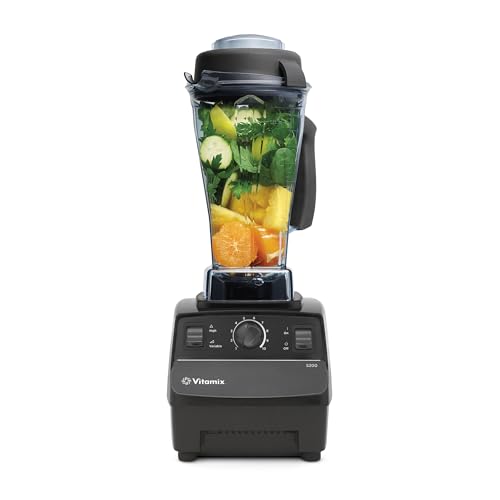




The Vitamix 5200 has been a benchmark in home blending for years, and in 2026 it still holds up. What sets it apart is the combination of raw motor power and variable speed control — you can dial in any texture from coarse chop to silky smooth puree with a single knob. The 64-ounce container is spacious enough for family-sized batches of protein shakes or green smoothies, and the self-cleaning function means you just add warm water and a drop of soap, run it for 30 seconds, and you're done.
One of the genuinely impressive things about this blender is the friction-heat capability. The blades spin fast enough to heat cold soup ingredients to steaming hot in about six minutes — no microwave, no stovetop needed. That said, if you're purely using it for cold shakes, that feature becomes a bonus rather than a necessity. Build quality is what you'd expect from Vitamix: heavy, solid, and designed to last a decade or more with proper care. The motor base has some weight to it, so this isn't a machine you'll be moving around your kitchen counter every day.
The price is the main sticking point for most buyers. You're paying a premium, and if you only make a single smoothie a few times a week, that premium may not be justified. But if you blend daily — especially if you're processing harder ingredients like nuts, seeds, or frozen vegetables — the Vitamix 5200 earns every dollar. It handles everything you throw at it without strain, without overheating, and without losing consistency over time.
Pros:
Cons:
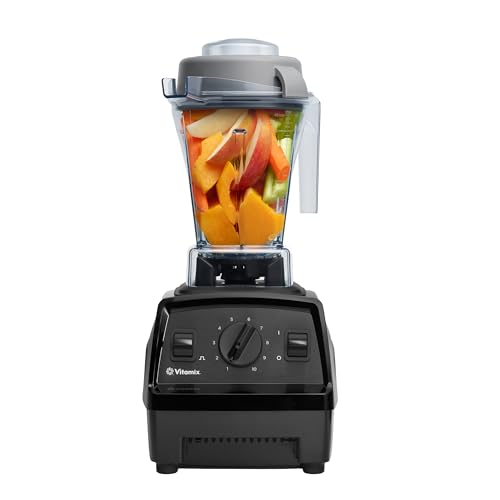
If the Vitamix 5200 is more machine than you need — or more counter space than you have — the E310 Explorian is worth a close look. It delivers the same Vitamix quality and performance in a slightly more compact package, with a 48-ounce container that's well-suited for one to three people. Ten variable speeds give you the same culinary precision that Vitamix is known for, and the pulse feature lets you layer coarse textures over smoother bases, which is great for thicker blends like nut butter or vegetable-heavy shakes.
The self-cleaning function is included here too, which is one of those features you don't realize you love until you've experienced a blender that doesn't have it. Clean-up takes less than a minute, which matters when you're blending before work or after the gym. In terms of raw performance, the E310 crushes ice, handles frozen fruit, and processes leafy greens without leaving chunks behind. If you've been blending oatmeal into your smoothies — something that pairs well with the recipes in our best oatmeal recipe for weight loss guide — this machine handles it without complaint.
The E310 sits at a lower price point than the 5200, which makes the Vitamix experience more accessible without a significant trade-off in actual blend quality. The main thing you give up is container size — 48 oz versus 64 oz. If you regularly blend for four or more people, the smaller container becomes a limitation. But for solo or small-household use, the E310 is arguably the smarter buy within the Vitamix lineup.
Pros:
Cons:
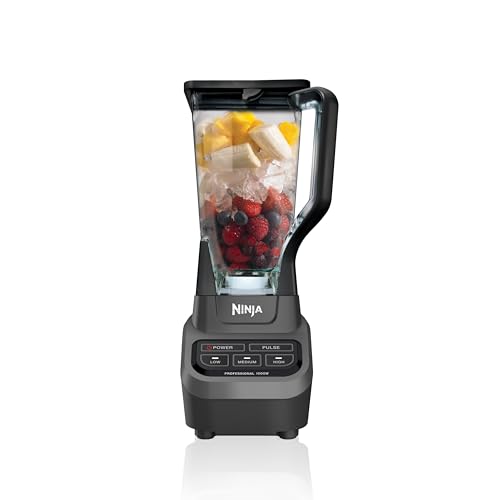
The Ninja BL610 has become one of the most popular blenders in its price range, and it's easy to see why. 1,000 watts of motor power and Total Crushing Technology — Ninja's term for their blade system that pulverizes rather than just slicing — makes this machine capable of handling frozen fruit, ice, and whole vegetables without hesitation. The 72-ounce XL pitcher (with a 64 oz max liquid capacity) is genuinely large, making it one of the better options if you're making shakes for a family or doing batch prep.
What you get here is solid, dependable blending performance at a fraction of the cost of Vitamix. Smoothies come out consistently smooth, ice gets crushed completely, and the machine handles daily use without complaint. The design is clean and simple — no complicated settings to figure out, just a few clearly labeled buttons and speeds. That simplicity is actually a strength for a lot of users who just want to blend without overthinking it.
Where the Ninja BL610 shows its limitations is in the finer details. The blade assembly at the bottom of the pitcher is harder to clean than a self-cleaning design, and the plastic pitcher can show wear and odor absorption over time. You'll also notice it's louder than premium options — not a problem in most kitchens, but worth knowing if you live in a smaller space or blend early in the morning. Overall, if you want professional-level results without the professional price tag, this is a hard blender to beat.
Pros:
Cons:
If your blending routine is mostly solo — one shake in the morning, quick and clean — the NutriBullet Pro 900 is one of the best personal blenders you can buy in 2026. 900 watts in a compact, countertop-friendly form factor is genuinely impressive, and the extraction-style blade design (pointing upward into the cup) is particularly effective at breaking down seeds, stems, and fibrous greens into smooth, drinkable nutrition. Most smoothies are done in under 60 seconds, which is a real advantage on busy mornings.
This Special Edition Matte Black version comes with a strong accessory package: a 32-oz Colossal Cup, two 24-oz Tall Cups, three flip-top to-go lids, a recipe book, and a user guide. The to-go lids are the key practical feature here — you blend directly in the cup and drink directly from it, which cuts cleanup down to almost nothing. One rinse of the blade assembly and you're done. For anyone building a healthy routine around daily shakes, that frictionless experience makes a real difference in consistency.
Where the NutriBullet Pro 900 has limits is in volume and versatility. You're not making large batches, and the extraction mechanism isn't ideal for hot liquids or heavy whole ingredients like large chunks of frozen fruit without some pre-chopping. It's not a full replacement for a countertop blender if your needs go beyond single-serve shakes and smoothies. But within its lane — fast personal nutrition on the go — it executes exceptionally well.
Pros:
Cons:
The Breville Super Q is positioned at the premium end of the home blender market, and it earns that positioning through a combination of raw power and thoughtful engineering. 1,800 watts — the highest motor rating available for residential blenders — paired with a blade tip speed of 186 mph under load means this machine processes ingredients faster and more thoroughly than almost anything else in this category. Five one-touch programs and 12 speed settings give you granular control, and the noise suppression technology is a genuine differentiator if you're blending in a shared space or early in the morning.
One of the more practical features is the intelligent base, which automatically recognizes whether you've attached the 68-oz full-size jug or the included personal blender attachment, then optimizes motor performance accordingly. That dual-use design makes the Super Q unusually versatile — you get a commercial-grade countertop blender and a personal grab-and-go blender in one machine. The Royal Champagne finish is also worth mentioning if aesthetics matter in your kitchen; this is a blender that looks as premium as it performs.
The price reflects all of this, and it's not a small number. If you're already considering a Vitamix and want something quieter with a more modern feature set, the Breville Super Q is a legitimate alternative worth comparing. For occasional blenders or budget-conscious buyers, the performance gap between this and a mid-range machine won't justify the cost. But for daily high-volume blending where noise, versatility, and speed all matter, this is as good as home blending gets in 2026. You can learn more about how blenders work mechanically on Wikipedia if you want to understand what separates high-end motor designs from budget ones.
Pros:
Cons:
Not everyone needs — or wants to spend — more than $100 on a blender. If your goal is reliable daily shakes, protein blends, and the occasional frozen smoothie without breaking the bank, the Hamilton Beach Power Elite 58148A is one of the most capable budget options on the market. 700 watts with stainless steel Ice Sabre blades and a patented Wave~Action System (which continuously pulls ingredients down toward the blades during blending) gives this machine a performance advantage over other blenders in its price range. The result is smoother, more consistent blends without having to stop and manually push ingredients down.
The 40-ounce glass jar is a notable feature at this price point — glass is easier to clean, doesn't absorb odors, and tends to last longer than plastic. The built-in spout also makes pouring clean and drip-free, which is a small quality-of-life detail that adds up if you're pouring into a cup every morning. Twelve blending functions cover everything from purees to ice crushing, and the controls are simple enough that you don't need to read a manual to get started.
The limitations here are what you'd expect from a 700W motor — it handles most everyday tasks well but starts to struggle with very tough frozen ingredients or extremely fibrous produce if you're not pre-cutting. The 40-oz capacity is also smaller than some competing budget models. But if you're making standard protein shakes, smoothies, or blended drinks on a daily basis without hardcore frozen ingredients, the Hamilton Beach Power Elite punches well above its weight class.
Pros:
Cons:
The Tribest PB-350 takes a different approach than most personal blenders on this list. Rather than proprietary cups, it's designed to work directly with standard glass mason jars — which means you can blend, serve, and store everything in the same container. That blend-store-serve workflow is genuinely convenient if you prep shakes ahead of time and want to avoid extra dishes or single-use plastic cups. The 200-watt motor is modest compared to other options here, but the stainless steel blades are sharp and effective at their intended use cases: smoothies, soft fruits, leafy greens, nut butters, and even baby food.
The machine grinds well beyond just smoothies — coffee beans, seeds, flax, grains, and nuts are all within its capability. If you're building a nutrient-dense morning routine and want one compact device that handles both your smoothie and your freshly ground supplements, the Tribest PB-350 covers that ground without taking up much counter space. Build quality is solid for the price, and the stainless steel blades hold up well to daily use.
Where you'll feel the 200W limit is with frozen ingredients. Hard frozen fruit, large ice cubes, or very dense greens will challenge this motor — pre-cutting ingredients or using room-temperature produce makes a noticeable difference in results. This isn't a machine for frozen protein shakes with big ice chunks. It thrives with softer, fresh ingredients and is best suited for users who prioritize freshness, minimal waste, and the flexibility of using mason jars over dedicated blending cups. If you're the kind of person who meal preps smoothies for the week and keeps them refrigerated in glass, this blender fits your lifestyle naturally.
Pros:
Cons:

Motor wattage (the measurement of electrical power drawn by the motor) is one of the most-cited specs on any blender listing, but it's not the whole story. A 700W blender with a well-designed blade assembly can outperform a 1,000W blender with poor engineering. That said, wattage is still a useful starting point.
If you're regularly making thick frozen shakes or crushing a lot of ice, don't go below 900W. For light daily smoothies with fresh or soft-frozen ingredients, you don't need to overspend on wattage you won't use.
Container size determines how much you can blend in a single batch. Personal blenders typically run 24–32 oz, while full countertop models range from 40 oz to 72 oz or more. Think honestly about how you use your blender:
Material matters too. Glass jars are heavier but don't absorb odors or stain. BPA-free plastic is lighter and more shatter-resistant but can degrade over time with heavy use. Tritan (a type of BPA-free co-polyester plastic) sits between the two in terms of durability and clarity.
The blade assembly is what actually determines blend quality in day-to-day use. Look for stainless steel blades with multiple blade angles — most good blenders use four to six blades at varying angles to create a vortex that pulls ingredients down continuously. Flat single-level blades create dead zones in the container where ingredients sit unblended.
Cleaning is the practical reality nobody talks about enough. Self-cleaning blenders (like the Vitamix line) are genuinely more convenient — you just run them with soapy water. Blenders where the blade assembly removes are easier to hand-wash thoroughly. Blenders with fixed non-removable blades require a little more effort to keep clean. If you know yourself well enough to know you'll skip thorough cleaning when you're tired, factor ease of cleaning heavily into your decision.
Blenders are loud. Most standard countertop blenders operate between 88–92 dB (roughly the volume of a lawnmower) at full speed. If noise is a real concern — early-morning blending, shared walls, sleeping housemates — look for models with noise enclosures or built-in noise suppression. The Breville Super Q is the standout here, but you pay a premium for it.
Counter space and storage footprint are practical concerns that are easy to underestimate when shopping online. Measure your counter clearance, especially height, before ordering a tall countertop blender. Personal blenders tend to be much more compact and storage-friendly. Extra features like programmable presets, digital displays, and tamper tools (for pushing thick blends toward the blades) are worth having if you'll actually use them — but don't pay for features you'll ignore. Keep it focused on what your actual blending routine requires.
For standard protein shakes using powder, milk, and soft fruits, a 500–700W blender is sufficient. If you're adding frozen fruit, ice, or leafy greens regularly, aim for at least 900W. For daily heavy-use blending with hard frozen ingredients or whole nuts, 1,000W or higher will give you consistent results without straining the motor over time.
Yes, for most everyday shake and smoothie needs, a personal blender works well and offers the advantage of single-serve cups you can drink directly from. The trade-offs are lower capacity, less power for very tough ingredients, and less versatility for other kitchen tasks. If your blending is primarily one shake at a time, a personal blender is often the smarter and more convenient choice.
With proper care, a mid-range blender typically lasts three to five years with daily use. Premium brands like Vitamix and Breville are built for significantly longer lifespans — Vitamix models are routinely used for 10 years or more. Factors that shorten blender life include overloading the motor, blending without enough liquid, and leaving the blade assembly wet for extended periods.
Glass jars don't absorb odors, don't stain from colorful ingredients like turmeric or berries, and don't leach any chemicals over time. The downsides are weight and fragility — glass jars are heavier and can crack or shatter if dropped. BPA-free plastic and Tritan plastic containers are lighter and more durable for daily use, though they can scratch and cloud over time. For a kitchen blender that stays on the counter, glass is a nice upgrade. For a travel-oriented personal blender, plastic is more practical.
For batch smoothie prep, you want a large-capacity countertop blender with at least 64 oz capacity and enough motor power to process frozen ingredients smoothly. The Vitamix 5200 and the Ninja BL610 are both strong choices here. Pair a high-capacity blender with mason jars or airtight storage containers — most fresh smoothies keep well in the refrigerator for up to two days.
It depends on how often you blend and what you blend. For daily shakers who process frozen ingredients, leafy greens, seeds, and nuts, a premium blender will consistently outperform a budget model in texture quality and durability over time. For occasional use with simple ingredients, a $50–$80 blender will get the job done without issue. Think of it like kitchen knives — the right tool for your actual usage is almost always the right answer, whether that's a $40 blender or a $400 one.
The right shake blender for you in 2026 comes down to one honest question: how often are you blending, and how hard are those ingredients? Use this guide to match your real routine — whether that's a premium daily driver like the Vitamix 5200, a versatile mid-range pick like the Ninja BL610, or a compact personal option like the NutriBullet Pro 900 — and click through to Amazon to check current pricing before you decide. The best blender is the one you'll actually use every day.
 |
 |
 |
 |

About Christopher Jones
Christopher Jones holds an MBA from the University of San Francisco and brings a business-minded approach to kitchen gear evaluation — assessing products not just for performance but for long-term value, build quality, and real-world usability in everyday home cooking. He has spent years testing appliances, cookware, and kitchen gadgets with the same analytical rigor he developed in business school. At BuyKitchenStuff, he covers kitchen appliance reviews, buying guides, and practical cooking tips.
