by Rick Goldman
Pork tenderloin is one of the leanest cuts of meat available — it contains just 2.98 grams of total fat per 3-ounce cooked serving, making it leaner than a skinless chicken breast. Your honey garlic pork tenderloin instant pot dinner delivers that lean protein in under 30 minutes, wrapped in a sticky, caramelized sauce that tastes like it took hours. If weeknight cooking has felt like a compromise between speed and flavor, this recipe fixes that. Check out more recipes and kitchen guides on the BuyKitchenStuff blog.
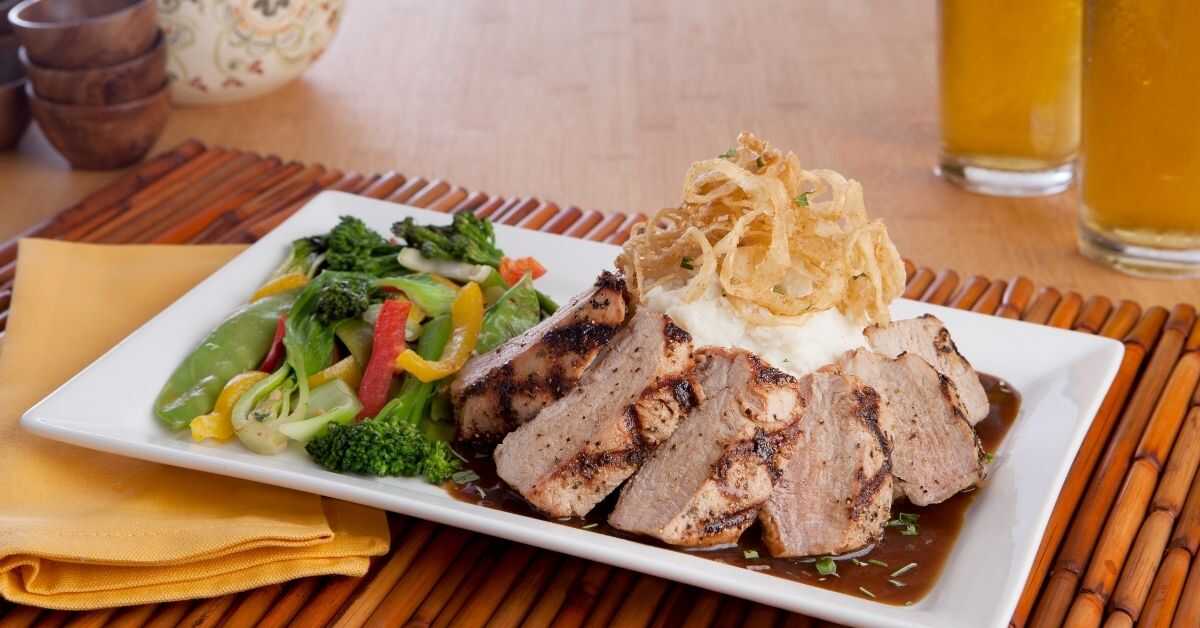
The sauce is the centerpiece. Honey, fresh garlic, soy sauce, and a splash of apple cider vinegar come together under pressure to form something glossy, rich, and deeply savory. The Instant Pot locks in moisture that oven roasting drives off. You get juicy pork every single time — no basting, no temperature babysitting, no guesswork.
This recipe scales effortlessly. One pound of tenderloin feeds two; two pounds feeds four. The sauce quantities stay the same — just double the pork. If you're building a lean protein rotation, pair this with recipes like these healthy steak recipes for weight loss or browse our healthy meal recipes for more weeknight ideas.
Contents
You don't need a stocked commercial kitchen. But using the right tools makes a real difference — wrong equipment adds time and produces uneven results. Here's exactly what you need before you start.
These items are non-negotiable for a reliable result:
These aren't required, but they improve the process:
Pro tip: After searing the pork, deglaze the pot immediately with chicken broth. Scrape every browned bit off the bottom — those bits carry massive flavor and prevent the Instant Pot's burn warning.
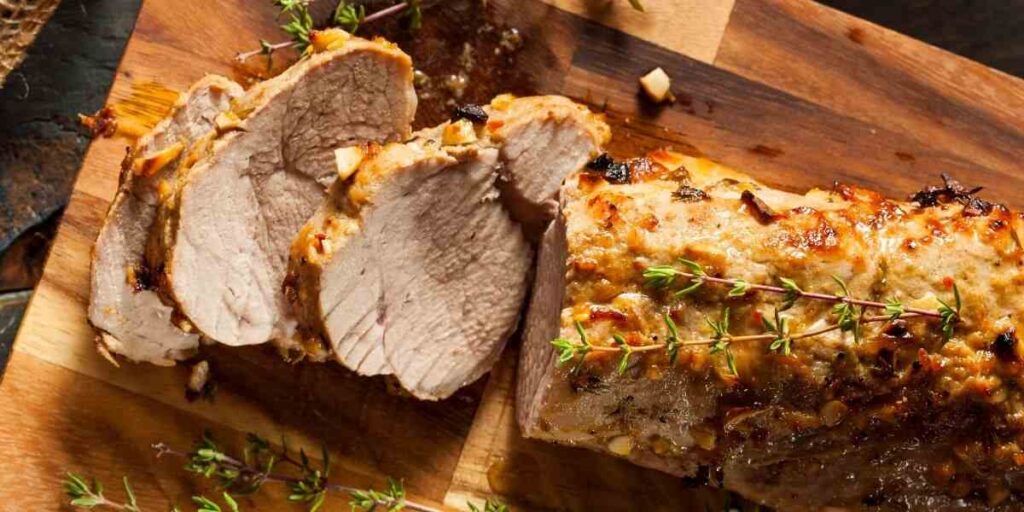
Pork tenderloin comes from the psoas major muscle — a long, thin muscle that runs along the pig's backbone. Because that muscle does almost no physical work, it stays naturally tender and fine-grained. It doesn't need long cooking times, acidic marinades, or heavy tenderizers. It just needs heat applied correctly.
That's exactly what the Instant Pot does. Pressure cooking raises the boiling point of water from 212°F to approximately 250°F. That elevated temperature penetrates the meat faster and more uniformly than a conventional oven. The result is a cooked-through tenderloin with a consistent texture from edge to center — not overcooked on the outside while raw in the middle.
Under pressure, moisture inside the sealed pot cannot escape as steam. It stays in the cooking environment and continuously bastes the meat from the inside out. This is why your honey garlic pork tenderloin instant pot result is noticeably juicier than oven-roasted versions. Oven heat is dry — it drives surface moisture away. Pressure cooking does the opposite.
Collagen in tougher cuts like pork shoulder breaks down into gelatin under sustained pressure, which is why pulled pork and pot roast work so well in the Instant Pot. Tenderloin has almost no collagen to begin with, so it only needs 6–8 minutes at high pressure. That's the entire cook time. Adding even 4–5 minutes on top of that will push the meat past 160°F internally and turn it stringy.
Most home cooks confuse pork tenderloin and pork loin. They are not interchangeable in this recipe.
Most grocery store packages contain two tenderloins totaling about 2 lbs. Both fit side by side in a 6-quart Instant Pot. If a single tenderloin exceeds 1.5 lbs, add 2 minutes to your pressure cook time and verify with a thermometer before serving.
Important: The USDA updated its guidelines — pork is safe at 145°F with a 3-minute rest, not the old 160°F standard. Cooking to 160°F is the single most common reason home cooks end up with dry, disappointing tenderloin.
A lot of home cooks produce mediocre results because they follow bad advice. Let's address the two most damaging myths about cooking pork tenderloin under pressure.
This is the opposite of what actually happens. Dry cooking methods — roasting, grilling, pan-frying — drive surface moisture out into the surrounding air. Pressure cooking seals that moisture inside the pot and forces it back into the meat. The steam cannot escape.
The one scenario where pressure cooking does dry out tenderloin: overcooking. At the right time (6–8 minutes high pressure) and correct internal temp (145°F), tenderloin is juicy. Cook it for 15 minutes and it will be dry and shredded. Respect the time and temperature, and you'll never have this problem.
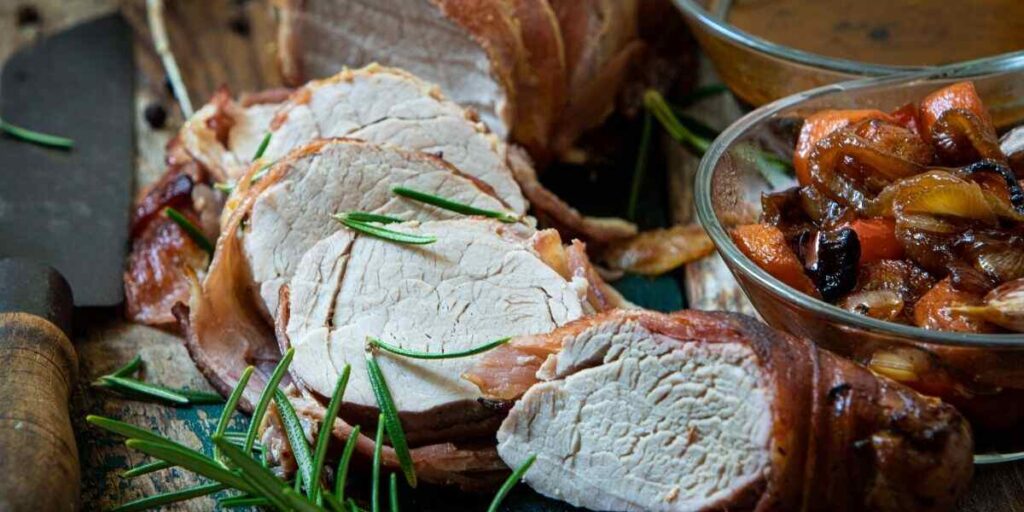
Technically, you can skip browning. The pork will be safe to eat. But the flavor will be noticeably flat. Searing is where the Maillard reaction happens — the chemical process that creates hundreds of new flavor compounds on the surface of the meat when protein meets high, direct heat. That golden-brown crust is not cosmetic. It is flavor.
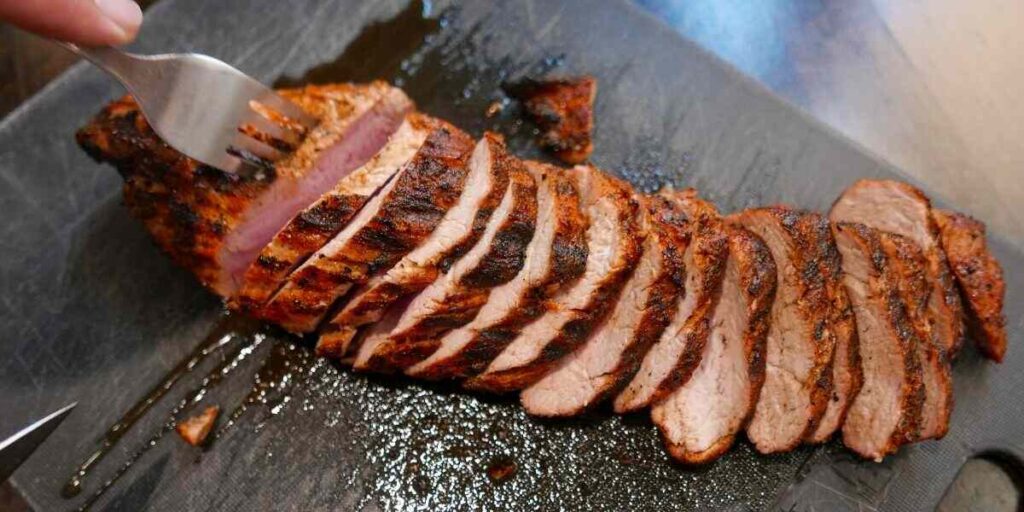
Use the Sauté function on your Instant Pot. Add one tablespoon of neutral oil and let it heat until it shimmers — about 2 minutes. Sear the tenderloin on all four sides, roughly 90 seconds per side. Do not move the meat while it sears — contact with the hot surface is what creates the crust. Once browned, remove the pork, deglaze with broth, then build your sauce.
Warning: Never pressure cook without at least ½ cup of liquid in the pot. The Instant Pot requires liquid to generate steam and build pressure. Without it, you'll get a burn error — and raw, uneven pork.
If you enjoy maximizing flavor from simple ingredients and bold techniques, the method used in our hen of the woods mushrooms recipe uses the same high-heat searing principle and pairs naturally alongside pork.
This is one of the most cost-effective dinners you can make. You're feeding four people for under $13 total, with most pantry ingredients you already have on hand.
These estimates reflect average US grocery prices for standard supermarket purchases:
Total: approximately $10.35–$11.85 for 4 generous servings. That's dinner for a family at under $3 per plate.
| Ingredient | Quantity Used | Estimated Cost | Per Serving (serves 4) |
|---|---|---|---|
| Pork tenderloin | 2 lbs | $9.00 | $2.25 |
| Honey | 3 tbsp | $0.60 | $0.15 |
| Garlic | 4 cloves | $0.30 | $0.08 |
| Soy sauce | 3 tbsp | $0.20 | $0.05 |
| Apple cider vinegar | 1 tbsp | $0.10 | $0.03 |
| Chicken broth | ½ cup | $0.40 | $0.10 |
| Pantry staples (oil, cornstarch, salt, pepper) | — | $0.25 | $0.06 |
| Total | — | $10.85 | $2.72 |
For comparison, a comparable pork tenderloin dish at a mid-range restaurant runs $18–$26 per plate — roughly 7–9 times the cost of making it yourself. The Instant Pot investment pays for itself quickly when you cook this way consistently. For a week's worth of healthy, budget-conscious dinners, pair this with ideas from our collection of healthy meal recipes for weight loss.
Pork tenderloin works in several cooking environments. But they are not all equal when you factor in time, effort, and end result. Here's an honest comparison.
| Method | Active Prep Time | Total Time | Hands-On Effort | Sauce Quality | Juiciness |
|---|---|---|---|---|---|
| Instant Pot | 10 min | 28–32 min | Low | Excellent — built-in pan sauce | Very high |
| Oven roast | 10 min | 40–50 min | Medium | Good — requires separate pan sauce | High (if not overcooked) |
| Stovetop pan-sear | 20 min | 25–30 min | High | Excellent — direct pan drippings | High (requires precision) |
| Slow cooker | 5 min | 4–6 hours | Very low | Thin — requires separate reduction | Medium (can turn mushy) |
For weeknight cooking, the Instant Pot wins without debate. It is the fastest hands-off method that also produces its own sauce in the same pot. You sear, build the sauce, pressure cook, then thicken — four linear steps, one piece of equipment, 30 minutes.
Oven roasting produces a slightly better exterior crust if you don't sear first, but it adds 15–20 minutes and requires separate sauce work. The stovetop delivers excellent results but demands your full attention for the entire cook. A 2-minute distraction at the wrong moment means overcooked, dry pork.
The slow cooker looks appealing in terms of effort, but pork tenderloin is the wrong cut for it. Tenderloin has too little connective tissue to benefit from hours of low heat — it goes from perfectly cooked to mealy and stringy quickly. Slow cookers work best with shoulder and butt, not loin or tenderloin.
According to Wikipedia's overview of pressure cooking, pressure cookers reduce cooking times by 50–75% compared to conventional moist-heat methods. For this recipe, that translates to 30 minutes instead of 50 — and a richer, more concentrated sauce because the cooking liquid reduces under pressure rather than evaporating away.
Cook pork tenderloin at high pressure for 6–8 minutes, followed by a 10-minute natural pressure release. A 1 lb tenderloin needs 6 minutes; a 1.5 lb tenderloin needs 8 minutes. Always verify doneness with a meat thermometer — the internal temperature should reach 145°F before resting.
Yes — you need at least ½ cup of liquid. For this recipe, chicken broth or water works well. The liquid generates the steam that builds pressure inside the pot. Without it, the Instant Pot will trigger a burn warning and the pork will not cook through properly.
You can, but you must skip the searing step and increase the cook time. A frozen 1 lb tenderloin needs 12–14 minutes at high pressure with a 10-minute natural release. The flavor will be noticeably less developed without the sear. Thawing overnight in the refrigerator produces better results.
After removing the pork to rest, switch the Instant Pot to Sauté mode. Mix 1 tablespoon of cornstarch with 1 tablespoon of cold water to make a slurry. Stir the slurry into the hot liquid and cook for 2–3 minutes, stirring constantly, until the sauce thickens to a glossy, pourable consistency. Remove from heat immediately — it continues to thicken as it cools.
Not directly. Pork loin is wider, denser, and requires a longer cook time — around 20–25 minutes at high pressure rather than 6–8. The sauce ratios also need adjustment because loin releases more liquid. If you use pork loin, treat it as a different recipe rather than a direct swap.
Store leftovers in an airtight container in the refrigerator for up to 4 days. Reheat gently in a skillet over medium-low heat with a splash of chicken broth or water to prevent drying out. Microwave reheating works but tends to make the texture rubbery — stovetop reheating gives you much better results.
This dish pairs naturally with steamed jasmine rice, roasted baby potatoes, garlic green beans, or steamed broccoli — anything that can absorb the extra honey garlic sauce. A simple cucumber salad or slaw also cuts through the richness of the glaze cleanly. Avoid heavily seasoned sides that compete with the sauce.
 |
 |
 |
 |

About Rick Goldman
Rick Goldman grew up traveling the Pacific Coast and developed an early appreciation for regional and international cuisines through exposure to diverse food cultures from a young age. That culinary curiosity shaped his approach to kitchen gear — he evaluates tools based on how well they perform across different cooking styles, ingredient types, and meal occasions. At BuyKitchenStuff, he covers kitchen equipment reviews, recipe guides, and food-focused buying advice.
Check for FREE Gifts. Or get our Free Cookbooks right now.
Disable the Ad Block to reveal all the recipes. Once done that, click on any button below
|
|
|
|
