by Daisy Dao
What if you could eat filling, flavorful meals every night and still stay under your calorie goals — without spending hours in the kitchen? That's exactly what low calorie instant pot recipes deliver. Your pressure cooker locks in nutrients, builds deep flavor from simple ingredients, and cuts cook times dramatically. Whether you're managing your weight or just trying to eat a bit healthier, these recipes make it surprisingly easy. Check out our full collection of recipes for even more kitchen inspiration.

The beauty of the Instant Pot is how forgiving it is. You don't need advanced cooking skills or fancy pantry staples. Lean proteins, fresh vegetables, and basic seasonings transform into meals that taste like they took all afternoon. And because you're cooking under pressure, you can skip the added fats that traditional stovetop methods often require.
Below, you'll find everything you need — from the science behind why pressure cooking preserves nutrition, to real recipes you can make tonight, to a full cost breakdown showing how affordable healthy eating can be.
Contents
Before diving into recipes, it helps to understand why the Instant Pot is such a good tool for low calorie cooking. It's not just about convenience — the physics of pressure cooking actually work in your favor.
Traditional boiling leaches water-soluble vitamins like B and C into the cooking liquid. Pressure cooking reduces cook time by up to 70%, which means less nutrient loss. According to the USDA, cooking method significantly impacts the nutritional value of food, and shorter cook times generally preserve more vitamins and minerals.
The sealed, moist environment inside your Instant Pot means food doesn't dry out the way it does in an oven or on a grill. You can sauté aromatics in a teaspoon of oil instead of a tablespoon, and your chicken breast will still come out juicy. That alone can save you 100+ calories per serving.
Compare that to a recipe like Marie Callender's Chicken Pot Pie, which relies on butter and cream for richness. Your Instant Pot gets similar depth from broth, herbs, and the Maillard reaction during the sauté step — without the caloric overhead.
You don't need much beyond the pot itself, but a few extras make healthy cooking easier:
If you enjoy slow-cooked stews and braises, a Lodge Dutch Oven is a great companion piece for oven-based recipes that complement your Instant Pot rotation.
Stock these and you'll always be able to throw together a low calorie meal in minutes:
Pro tip: Dried beans cooked from scratch in the Instant Pot have roughly 40% less sodium than their canned counterparts, and they cost a fraction of the price.
Think of every Instant Pot meal as a formula: protein + vegetables + liquid + seasoning. Get those ratios right and you can improvise endlessly.
Not all proteins are created equal when you're counting calories. Here's how the most common options stack up per 4-ounce cooked serving:
| Protein | Calories | Protein (g) | Fat (g) | Best Instant Pot Method |
|---|---|---|---|---|
| Chicken breast (skinless) | 130 | 26 | 3 | Pressure cook 8–10 min |
| Turkey breast | 125 | 26 | 2 | Pressure cook 8–10 min |
| Shrimp | 120 | 23 | 2 | Pressure cook 1–2 min |
| Pork tenderloin | 145 | 24 | 4 | Pressure cook 15–20 min |
| Lean ground turkey (93%) | 170 | 22 | 9 | Sauté then pressure cook |
| Cod fillet | 90 | 20 | 1 | Pressure cook 3–4 min |
| Lentils (1/2 cup dried) | 115 | 9 | 0.5 | Pressure cook 12–15 min |
If you're not sure how chicken breast halves differ from a full breast, that guide clears it up — it matters for cook time and portion size. For seafood-based meals, check out our Instant Pot seafood recipes collection for more ideas.
The biggest mistake people make with healthy cooking is thinking "low calorie" means "bland." It doesn't. You just need to lean on high-impact, zero-calorie flavor builders:
If a recipe calls for mushrooms and you're not a fan, our guide on mushroom substitutes offers plenty of low calorie swaps that still deliver that earthy, savory quality.
Here are some tried-and-tested low calorie instant pot recipes that deliver big flavor without the guilt. Each one clocks in under 400 calories per serving.
Calories per serving: ~220
This is the workhorse recipe you'll come back to every week. Season boneless, skinless chicken breasts with garlic powder, paprika, salt, and pepper. Use the sauté function with one teaspoon of olive oil to sear both sides for about 2 minutes each. Add 1 cup of chicken broth, the juice of one lemon, and 4 minced garlic cloves. Pressure cook on high for 8 minutes with a 5-minute natural release.
Serve it sliced over a bed of steamed broccoli or cauliflower rice. The broth reduces into a light sauce you can spoon over the top.

Want a crunchier side to go with it? Try some air fryer carrots — they roast up beautifully and add almost no extra calories to the plate.
Calories per serving: ~310
Soak 1 pound of dried red beans for at least 4 hours (or use the quick-soak method in your Instant Pot). Sauté diced onion, celery, and bell pepper with a teaspoon of oil. Add the beans, 4 cups of broth, smoked paprika, thyme, cayenne, and two bay leaves. Pressure cook for 25 minutes with natural release.
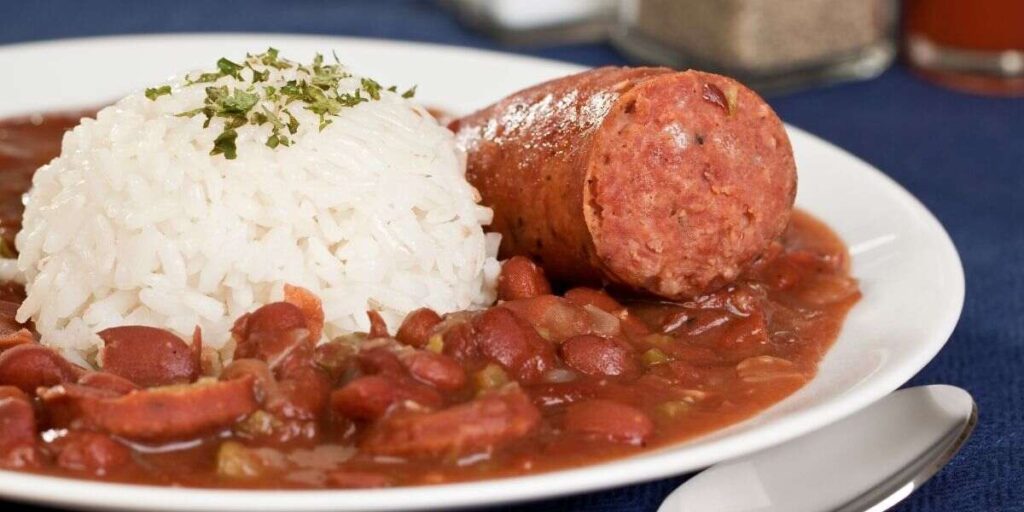
Serve over a half-cup of cooked brown rice. The beans provide a massive protein and fiber boost that keeps you full for hours. Skip the andouille sausage that traditional versions call for — you'll save about 200 calories per serving.
Calories per serving: ~280
Mix lean ground turkey with cooked rice, diced onion, garlic, salt, and pepper. Blanch cabbage leaves until pliable, then wrap the filling inside. Place rolls seam-side down in the Instant Pot on a trivet. Pour a can of crushed tomatoes over the top. Pressure cook for 15 minutes with quick release.
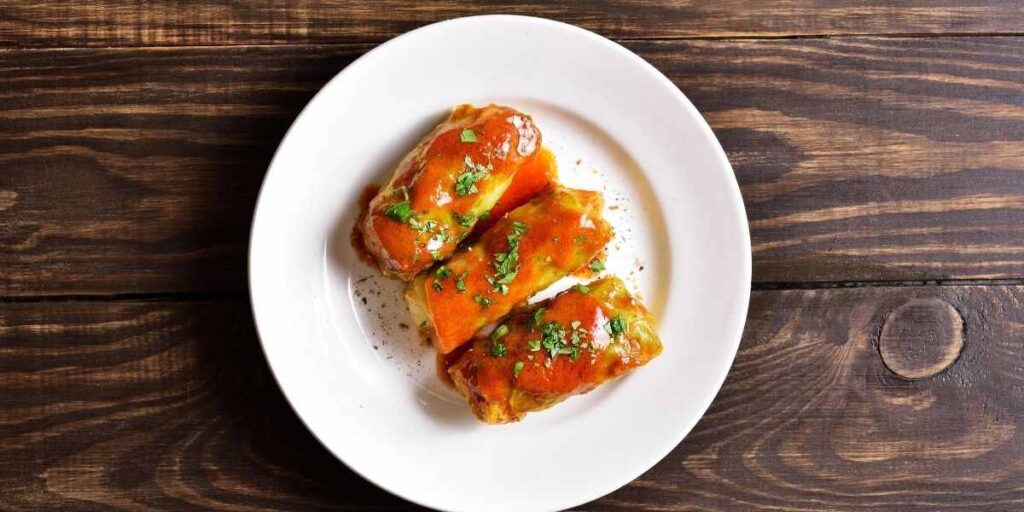
These freeze beautifully. Make a double batch on Sunday and you have grab-and-go lunches for the week.
One of the biggest myths about healthy eating is that it's expensive. When you're using an Instant Pot with whole ingredients, the math tells a different story.
Here's what a typical week of low calorie Instant Pot meals costs for one person, based on average U.S. grocery prices:
That's roughly $33–45 per week for healthy, home-cooked meals. Compare that to ordering takeout at $12–15 per meal, and you're saving $50+ weekly. The Instant Pot itself pays for itself within the first month for most households.
Your electricity costs are negligible too. The Instant Pot draws about 1,000 watts, but because cook times are so short, you're looking at pennies per meal — far less than running your oven for an hour.
Budget tip: Buy proteins in bulk when they're on sale and freeze them in pre-seasoned, recipe-ready portions. You'll cut your grocery bill by another 15–20%.
The Instant Pot isn't perfect for everything. Here's an honest look at where it excels and where you might want to use a different tool.
For recipes that need a crispy finish, pair your Instant Pot with an air fryer. Pressure cook your mac and cheese balls base in the pot, then crisp them in the air fryer for the best of both worlds. Keeping your kitchen clean is also easier when you're only dirtying one or two appliances per meal.
A well-maintained Instant Pot performs better and lasts longer. Here's what you should do to keep yours in top shape.
Replacing your sealing ring regularly is the single most important maintenance step. A worn ring won't hold pressure properly, which means longer cook times, uneven results, and wasted energy.
Most low calorie instant pot recipes fall between 200 and 400 calories per serving. The exact count depends on your protein choice, whether you add grains like rice, and how much oil you use during sautéing. Stick with lean proteins and load up on vegetables to stay on the lower end.
Absolutely. Most Instant Pot soups, stews, and grain-based dishes store well in the fridge for 4–5 days and freeze for up to 3 months. Portion them into individual containers right after cooking so you're not tempted to overeat later.
Not always. For sautéing aromatics, a teaspoon of oil is enough. For pressure cooking alone, you can often skip oil entirely and use broth or water as your liquid base. The sealed environment keeps food moist without added fat.
Skinless chicken breast and cod are among the lowest calorie options at 90–130 calories per 4-ounce serving. Lentils are the best plant-based option, offering high protein and fiber with virtually no fat. Turkey breast is another excellent lean choice.
The burn warning usually means there's not enough liquid in the pot, or thick sauces are sitting directly on the bottom. Always add at least 1 cup of thin liquid (broth or water) and layer thicker ingredients on top. Deglazing after sautéing also prevents stuck-on bits from triggering the sensor.
In many cases, yes. Pressure cooking preserves more water-soluble vitamins than boiling because the food is exposed to heat for a shorter time and uses less water. Compared to baking, it typically requires less added fat. The nutritional advantage varies by ingredient, but the shorter cook time is consistently beneficial.
 |
 |
 |
 |

About Daisy Dao
Daisy Dao grew up in Honolulu, Hawaii, where coastal living and access to fresh local ingredients shaped her approach to home cooking from an early age. She has spent years experimenting with seafood preparation, healthy cooking methods, and ingredient substitutions — developing hands-on familiarity with a wide range of kitchen tools, techniques, and produce. At BuyKitchenStuff, she covers healthy recipes, cooking techniques, and ingredient substitution guides.
Check for FREE Gifts. Or get our Free Cookbooks right now.
Disable the Ad Block to reveal all the recipes. Once done that, click on any button below
|
|
|
|
