by Rick Goldman
The best green bell pepper substitutes are red, yellow, and orange bell peppers — they match the texture and cooking behavior almost perfectly while adding a slightly sweeter taste. If you're mid-recipe and out of the green variety, you have plenty of solid options. This guide walks through all 12, with clear guidance on which one fits your dish. For more kitchen tips and ingredient swaps, explore our cooking guides.

Green bell peppers have a firm, crisp texture and a mildly bitter, grassy flavor. That bitterness exists because green bell peppers are simply unripe — they haven't developed the natural sugars you get from red or yellow varieties. When you're substituting, balance three things: flavor, texture, and heat level. Get those right and your finished dish turns out just as good.
According to Wikipedia, bell peppers belong to the Capsicum annuum species and contain zero capsaicin — the compound that makes hot peppers hot. That's what makes them so versatile in cooking. A great substitute should mimic that mild, non-spicy character, unless you're intentionally pushing toward heat.
Contents
Most recipes use green bell peppers for bulk, color, and a mild vegetal background. In those cases, swapping is easy and the result is nearly identical. Here are the most common situations where a substitute works without any trouble:
There are dishes where the distinct bitter, grassy flavor of a green bell pepper is the actual point — not just a background note. Substituting in those cases changes the character of the dish noticeably.
If the recipe highlights green bell pepper as a starring ingredient rather than a supporting player, stick with the original or find the closest possible match.
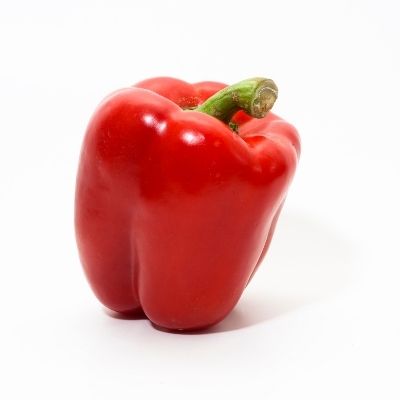
Red, yellow, and orange bell peppers are the single best swap in almost every situation. They share the same firm walls, the same zero-heat profile, and the same overall structure. The only real difference is ripeness — these are fully matured peppers, so they taste sweeter and less bitter than green. Use a 1:1 ratio in any recipe. In cooked dishes, you'll barely notice the difference. In raw preparations, expect a slightly sweeter result.
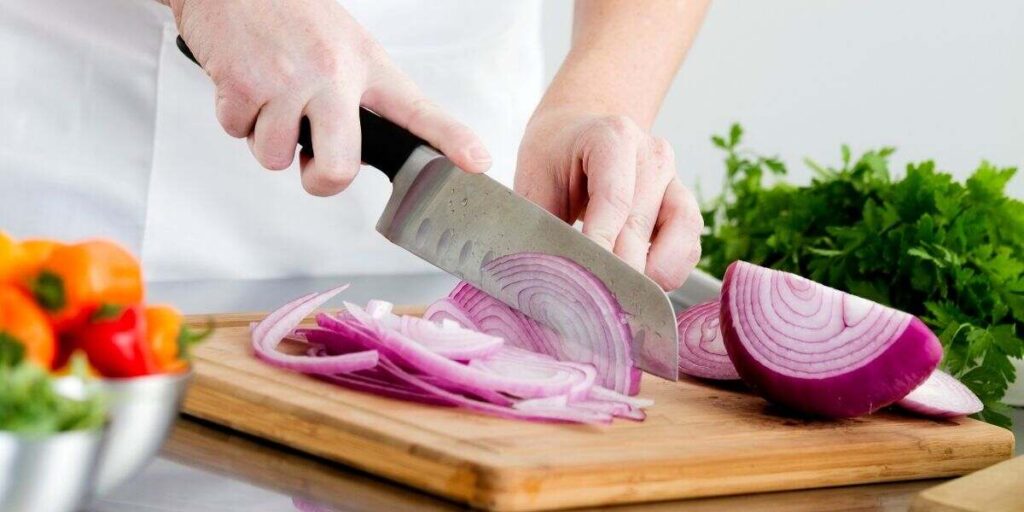
Onions are a surprisingly effective substitute in cooked dishes. They add savory depth, soften with heat in the same way, and provide similar bulk. Diced onion works well in soups, stews, stir-fries, and chili. Use about 75% of the amount called for since onion's flavor is more intense than green bell pepper.
These peppers sit close to the green bell on both the heat and flavor scale, making them reliable choices for most savory cooking:
Pro tip: Always taste a new pepper raw before adding it to your dish — even "mild" varieties can vary in heat depending on growing conditions and ripeness.
| Substitute | Flavor Profile | Heat Level | Best Used In | Swap Ratio |
|---|---|---|---|---|
| Red Bell Pepper | Sweet, mild | None | Any recipe | 1:1 |
| Yellow/Orange Bell Pepper | Sweet, fruity | None | Any recipe | 1:1 |
| Cubanelle Pepper | Mild, slightly sweet | Very low | Stir-fry, stuffed, sauté | 1:1 |
| Banana Pepper | Mild, tangy | Very low | Salads, sandwiches, cooked dishes | 1:1 |
| Poblano Pepper | Earthy, mild-medium | Low-medium | Mexican dishes, roasting, soups | 1:1 |
| Jalapeño | Bright, grassy | Medium-hot | Salsas, stir-fry (use sparingly) | 1:4 |
| Anaheim Pepper | Earthy, mild | Mild | Soups, Mexican and Tex-Mex dishes | 1:1 |
| Pimiento | Sweet, very soft | None | Dips, spreads, cooked dishes | 1:1 |
| Onion | Savory, sweet when cooked | None | Soups, stews, chili | 3:4 |
| Celery | Vegetal, slightly bitter | None | Soups, stews, mirepoix | 1:1 |
| Zucchini | Mild, neutral | None | Stir-fry, casseroles | 1:1 |
| Pepperoncini | Mild, tangy, slightly pickled | Very low | Salads, sandwiches, cold dishes | 1:1 |
How you prep a substitute matters as much as which substitute you choose. A sharp chef's knife makes clean cuts through peppers, onions, and zucchini without crushing the flesh. Thin-walled peppers like cubanelle and banana pepper need careful handling — they're more delicate than bell peppers and tear easily against a dull blade.
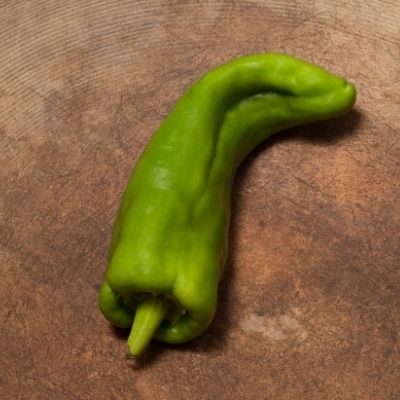
Poblano peppers are thicker-walled than most alternatives on this list. When using them as a substitute, roasting and peeling them first removes the tougher outer skin and dramatically deepens the flavor. A cast iron skillet or heavy grill pan handles the roasting step perfectly.
The right cooking technique can pull a substitute much closer to the green bell pepper it's replacing:
If you haven't done much ingredient substituting before, start with options that require zero technique adjustments and barely change the finished dish. These are your no-fail choices:
These four are your safety net. If you're still unsure which to pick, red bell pepper is always the right answer. Think of it the same way you'd approach other common kitchen swaps — knowing your options ahead of time, just like having a reference for substitutes for cornstarch, saves you real time when you're mid-cook and need a decision fast.
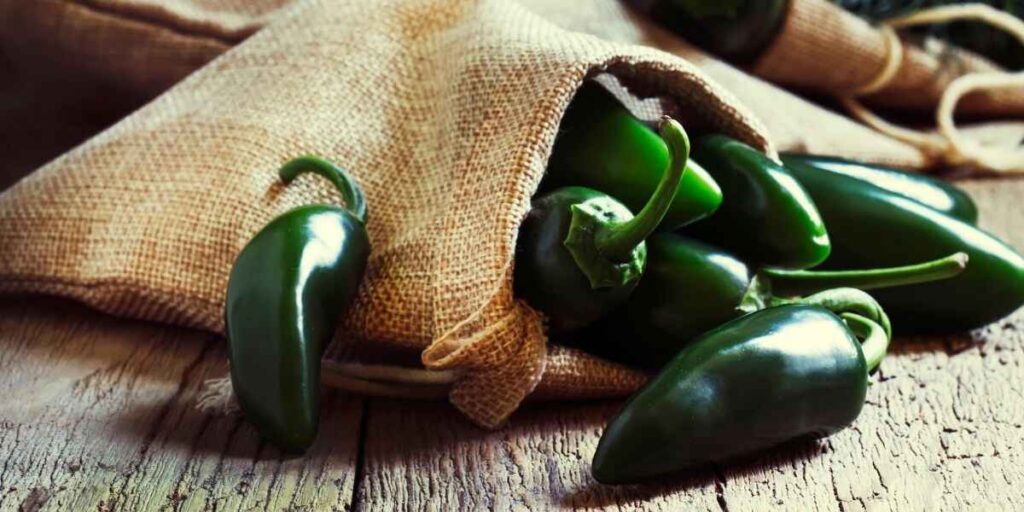
If you're comfortable in the kitchen and want to push the flavor profile a bit further, these substitutes deliver real character:
Pimiento (also spelled pimento) is a small, heart-shaped sweet pepper with a very soft, tender texture when cooked. It's noticeably sweeter and more delicate than green bell pepper, so it works best in dips, spreads, egg dishes, and any recipe where you want a soft, melted pepper texture rather than firm chunks. Jarred pimientos are available in most grocery stores year-round and are ready to use straight from the jar.
Frozen diced bell peppers — any color — are the simplest long-term solution. They're pre-cut, inexpensive, and hold up perfectly in cooked dishes. No chopping, no food waste, no timing issue. Keep a bag in the freezer and you're covered for most recipes without thinking twice.
Beyond frozen peppers, stock these consistently:
Green bell peppers peak in summer and early fall. Outside that window, prices climb and quality drops. That's exactly when leaning on substitutes makes practical sense rather than forcing a mediocre ingredient into your cooking.
Planning around seasonality means you're cooking with what's fresh and affordable rather than settling for a subpar ingredient that drags down an otherwise solid dish.
Yes, in almost every recipe. Red bell peppers have the same firm structure and zero heat — the only real difference is they're sweeter and less bitter than green. In cooked dishes, the flavor difference is barely noticeable once everything comes together. In raw preparations like salads or fresh salsas, expect a slightly sweeter result and a different color.
Cubanelle pepper is the closest flavor match. It's mild, slightly sweet, and shares a similar thin-walled texture. It's less bitter than a green bell pepper but much closer in taste than a ripe red or yellow bell pepper. Use it at a 1:1 ratio in any recipe without adjusting anything else.
Yes, but use much less — about a quarter of the amount called for in the recipe. Jalapeños share a bright, grassy flavor that's similar to green bell pepper, but they carry genuine heat. Remove the seeds and the white inner membrane before using them to dial the spice level back significantly.
Running out of green bell peppers doesn't have to stop your cooking. Start with red, yellow, or orange bell peppers if you have them on hand, then work through the other options based on what's in your kitchen and what your recipe actually needs. Pick one substitute from this guide, try it in your next dish, and you'll quickly build the confidence to improvise with whatever's available — no recipe stress required.
 |
 |
 |
 |

About Rick Goldman
Rick Goldman grew up traveling the Pacific Coast and developed an early appreciation for regional and international cuisines through exposure to diverse food cultures from a young age. That culinary curiosity shaped his approach to kitchen gear — he evaluates tools based on how well they perform across different cooking styles, ingredient types, and meal occasions. At BuyKitchenStuff, he covers kitchen equipment reviews, recipe guides, and food-focused buying advice.
Check for FREE Gifts. Or get our Free Cookbooks right now.
Disable the Ad Block to reveal all the recipes. Once done that, click on any button below
|
|
|
|
