by Christopher Jones
When you need the best okra substitutes for recipes, your most reliable options are cornstarch or file powder for thickening, and green beans, eggplant, asparagus, or nopales when texture and bulk are what the dish needs. Each one fills a specific role that okra plays in cooking, and knowing which role matters in your recipe makes all the difference. For more ingredient guides and cooking tips, visit our cooking section.

Okra is one of the harder vegetables to substitute because it plays two jobs at once. It contributes a distinctive texture — soft and slightly crisp, holding up well through long cooking — and it releases a natural thickener as it cooks, giving dishes like gumbo and certain curries their characteristic body. Most vegetables handle one or the other. Very few handle both.
Once you understand which role okra is playing in your specific recipe, choosing a substitute becomes much more straightforward. The sections below cover the best options, walk you through how to choose, and help you fix problems when your first attempt doesn't go as planned.
Contents
Most substitution guides treat okra like a simple vegetable swap — pull it out, drop something else in. That works sometimes, but it often leads to dishes that come out thinner or less satisfying than expected. To substitute well, you need to understand what's actually happening when okra cooks.
Okra contains mucilage — a water-soluble fiber that becomes thick and gel-like when the pod is cut and exposed to heat. This is the quality people describe as "sliminess," though how desirable that is depends entirely on the dish. In gumbo and slow-cooked stews, that viscosity is essential to the final texture. In stir-fries, okra is cooked quickly at high heat specifically to minimize it. According to its Wikipedia entry, okra has been cultivated for thousands of years and is central to West African, South Asian, and American Southern cuisines — each of which uses it in distinct ways.
On the flavor side, okra is mild and grassy with a hint of earthiness. It blends into background flavors rather than asserting itself. When you choose a substitute, something similarly unobtrusive tends to work best — vegetables that stay in their lane and let the dish's seasoning do the talking.
This is the most important question to ask before substituting: are you replacing okra as a thickener, as a texture ingredient, or both? In a slow-cooked stew or braise, okra is almost always the thickener. In a quick sauté or curry, it's the texture. In some traditional dishes, it's genuinely doing both jobs simultaneously. Get clear on this first, and everything else follows naturally.
Substituting okra well is less about memorizing a list and more about answering two focused questions before you start cooking. Taking a moment to think this through saves you from adjusting at the end of a long recipe.
Look at the cooking method and the dish type. Long, liquid-based recipes — soups, braises, stews — are almost always using okra for thickening. Quick dishes — stir-fries, sautés, roasted vegetable medleys — are usually looking for texture. If your recipe calls for a Dutch oven or slow cooker with a tomato or broth base, assume thickening is part of the picture and plan to address it separately from the texture swap.
If texture is all you need, you can replace okra one-to-one with green beans, asparagus, or another vegetable and move on. If thickening is involved, you'll need to add a starch in addition to any vegetable you choose. The right cookware also matters for managing these kinds of adjustments — consistent heat control makes a real difference, and the best induction cookware gives you precise temperature management for both quick sautés and long braises.
For texture substitutes, use a one-to-one ratio by volume: one cup of sliced okra becomes one cup of your chosen substitute, cut to a similar size. For thickeners, start conservative. One tablespoon of cornstarch mixed with two tablespoons of cold water replaces the thickening effect of roughly one cup of sliced okra in a braise. Add it in the last 10–15 minutes of cooking. You can always add more slurry, but correcting an over-thickened dish is harder than fixing one that's too thin.
Here's a detailed look at each substitute, what it does best, and how to use it effectively. These are the options that hold up in real cooking situations.
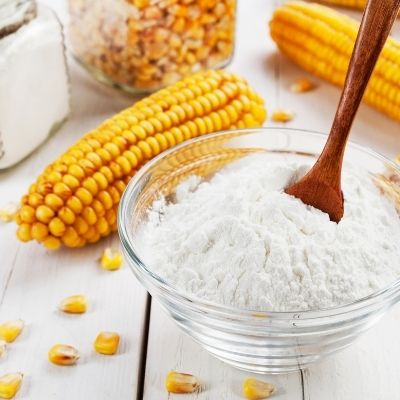
Cornstarch is the most accessible thickening substitute. It's neutral in flavor, widely available, and easy to control. Always mix it with cold water before adding it to a hot dish — adding it dry causes lumps. It produces a slightly glossier finish than okra does, but for most soups and stews the result is close enough to be seamless. Arrowroot powder works the same way and is a good corn-free alternative if that matters for your household.
File powder — ground sassafras leaves — is the traditional Creole and Cajun thickener that predates okra in many Louisiana recipes. You stir it in off the heat, right before serving. Don't let the dish boil after you add file, or it turns stringy. It brings a subtle herbal flavor that pairs especially well with seafood and chicken-based gumbos. Look for it in the spice aisle at well-stocked grocery stores or specialty shops.
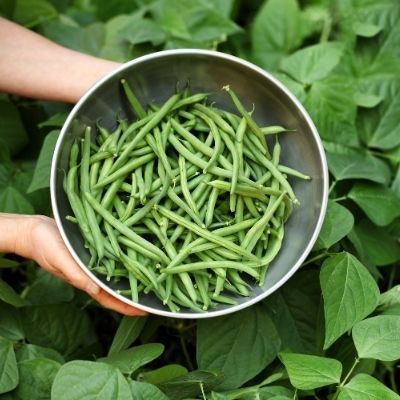
Green beans are the closest match to okra's texture in most cooked dishes. They have a similar bite, hold their shape through extended cooking, and carry a mild flavor that doesn't compete with surrounding ingredients. Cut them into pieces similar in size to your okra slices and add them at the same point you would have added okra. They're versatile enough to work in soups, curries, stews, and braises without requiring any special adjustments.
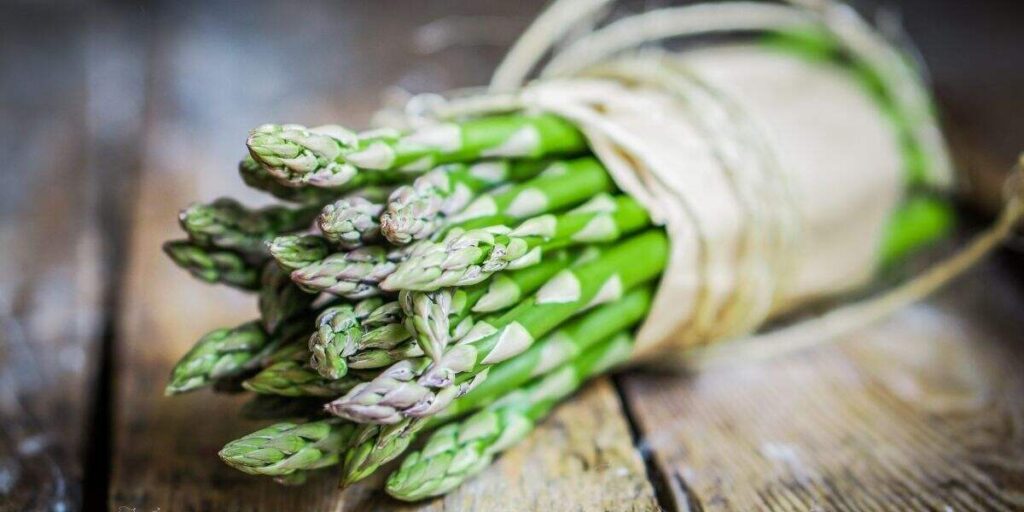
Asparagus works best in quick-cooked recipes. It brings a more assertive flavor than okra — earthy and slightly bitter raw, mellow and nutty when cooked — but it handles high heat well and keeps a pleasant bite when sautéed or stir-fried. Trim the woody ends and cut the stalks into bite-sized pieces. It caramelizes beautifully with dry heat; if grilling is part of your plan, check out our guide to the best grill pans for vegetables for equipment that gets the most out of asparagus and similar substitutes.
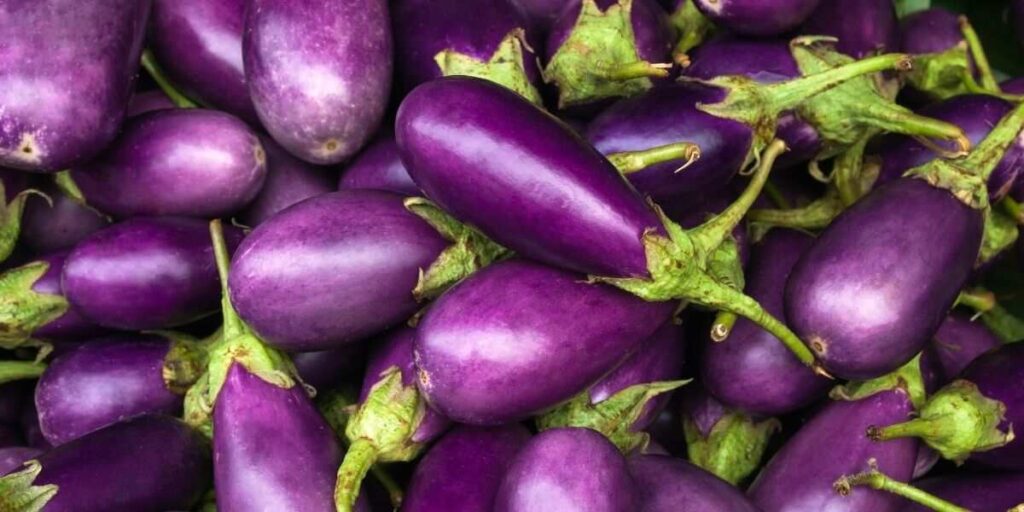
Eggplant absorbs surrounding flavors readily, making it a natural fit for bold, spiced dishes. It softens significantly when fully cooked and has a meaty, substantial bite that can fill the role okra plays in slow braises and stews. Dice it small for the most even texture. If you want to reduce excess moisture, salt the diced pieces for 15 minutes, then rinse and pat dry before cooking. It integrates especially well into Indian, Mediterranean, and tomato-based dishes.

Nopales (cactus paddles) are one of the few vegetable substitutes that also bring a slight thickening property, similar to okra's mucilage. They have a mildly tart, neutral flavor and a tender-crisp bite when cooked. You can find them fresh in Latin grocery stores or jarred in most larger supermarkets — rinse jarred nopales thoroughly before using. They work well in stews, egg dishes, tacos, and anywhere okra's grassy earthiness would fit naturally.
| Substitute | Best Use | Thickens? | Flavor Profile | Key Tip |
|---|---|---|---|---|
| Cornstarch | Soups, stews, gumbo | Yes | Neutral | Make a cold-water slurry first; add near end of cooking |
| File Powder | Gumbo, Creole dishes | Yes | Herbal, earthy | Stir in off-heat; do not boil after adding |
| Green Beans | Curries, soups, stews | No | Mild, grassy | Use 1:1 by volume; cut to similar size as okra |
| Asparagus | Stir-fries, sautés | No | Earthy, slightly bitter | Best in quick, high-heat cooking |
| Eggplant | Braises, stews, curries | No | Mild, savory | Dice small; salt to remove excess moisture |
| Nopales | Stews, eggs, tacos | Slightly | Mild, slightly tart | Rinse well if using jarred |
Choosing the right substitute is only part of the picture. Knowing the conditions under which these swaps actually succeed — and the situations where they'll fall short — helps you avoid frustration and set realistic expectations going in.
The best okra substitutes for recipes tend to integrate smoothly when okra is one component among many. In a mixed vegetable curry, a layered stew, or a slow-cooked braise, the dish's overall flavor profile carries things forward — okra is contributing, not starring. In these contexts, a well-chosen substitute blends in to the point where most people eating the dish wouldn't notice the difference.
Thickening substitutes are especially seamless. If you use file powder instead of okra in a gumbo, the dish still tastes like gumbo. The change is essentially invisible. For slow-cooked, liquid-rich dishes, having the right vessel makes a significant difference in results — see our reviews of the best hot pot cookers for options that work well for these kinds of long-simmered preparations.
Some dishes are built entirely around okra's specific properties. Southern fried okra — breaded and deep-fried until crisp — has no meaningful substitute because the dish is about the vegetable itself. The same applies to bhindi masala, where okra is the star rather than a supporting element. In these cases, swapping the main ingredient means making a fundamentally different dish. That might still be delicious, but it won't be what you were aiming for.
Pickled okra is another category where substitution doesn't translate well. The texture and flavor of pickled okra — often served alongside cocktails or as a condiment — is distinctive enough that pickled green beans or other alternatives don't closely replicate it. If that's what the recipe specifies, it's worth sourcing the real thing.
Even a well-chosen substitute can produce unexpected results the first time through. Here are the two issues that come up most often and how to address them.
This is the most common problem, and it's almost always the result of replacing okra with a texture stand-in without accounting for the thickening effect. The fix is straightforward: make a cornstarch slurry — one tablespoon of cornstarch mixed with two tablespoons of cold water — and stir it into the simmering dish. Give it a few minutes over medium heat and stir regularly. Add more in small increments if you need more body. If you prefer a more natural approach, a spoonful of tomato paste stirred in near the end of cooking adds body alongside a subtle depth of flavor.
If your substitute has changed the dish's flavor in a way you didn't intend, check two things. First, timing — eggplant and asparagus can turn bitter if overcooked or added too early in an acidic dish. Second, quantity — if you used more substitute than the recipe called for in okra, the substitute's own flavor may be dominating. Pull back the amount and rebalance with aromatics. A small addition of garlic, fresh herbs, or a squeeze of lemon juice at the end can pull a dish back into balance when a substitution has shifted the flavor in the wrong direction. Most of these issues are recoverable with minor adjustments before serving.
File powder is the traditional and most authentic substitute for okra in gumbo. It's stirred into the finished dish off the heat and produces a similar body without changing the overall flavor profile. Cornstarch slurry works as a more practical everyday alternative if you can't find file powder.
Yes. Frozen okra performs nearly identically to fresh in cooked dishes like soups, stews, and curries. You don't need to thaw it first — just add it directly to the dish at the same point you would fresh okra. The texture may be slightly softer after cooking, but the thickening function is the same.
Zucchini works as a texture substitute in quick-cooked dishes, but it softens quickly and can turn mushy in long-simmered recipes. It doesn't contribute any thickening and has a higher water content than okra, which can thin out a dish slightly. Add it toward the end of cooking to avoid over-softening.
Nopales (cactus paddles) release a mild viscous liquid when cooked, giving them a small thickening effect similar to okra. For significant thickening, though, you'll need to pair any vegetable substitute with a dedicated thickener like cornstarch, arrowroot, or file powder.
Cook okra at high heat in a dry pan or roast it in the oven before adding it to a dish — this reduces the mucilage significantly. Soaking sliced okra in vinegar for 30 minutes before cooking also helps. Keeping pieces large and cooking them briefly minimizes the gel-like texture.
Canned green beans work in a pinch for slow-cooked dishes, but they're significantly softer than fresh and will break down further with extended cooking. For most recipes, fresh or frozen vegetables produce a better result. If you do use canned, add them toward the very end of cooking time.
For dishes like bhindi masala where okra is the star, there's no ideal substitute — you'd be making a different dish. For Indian curries and dals where okra is a supporting ingredient, green beans and eggplant both integrate well with Indian spice profiles. Eggplant in particular pairs naturally with cumin, coriander, and turmeric.
Store unwashed okra in a paper bag in the crisper drawer of your refrigerator and use it within two to three days. Moisture speeds up deterioration, so avoid washing it until right before you're ready to cook. For longer storage, blanch briefly and freeze in a single layer before transferring to a freezer bag.
 |
 |
 |
 |

About Christopher Jones
Christopher Jones holds an MBA from the University of San Francisco and brings a business-minded approach to kitchen gear evaluation — assessing products not just for performance but for long-term value, build quality, and real-world usability in everyday home cooking. He has spent years testing appliances, cookware, and kitchen gadgets with the same analytical rigor he developed in business school. At BuyKitchenStuff, he covers kitchen appliance reviews, buying guides, and practical cooking tips.
Check for FREE Gifts. Or get our Free Cookbooks right now.
Disable the Ad Block to reveal all the recipes. Once done that, click on any button below
|
|
|
|
