by Christopher Jones
If you need a serrano pepper substitute right now, Frontier Co-op Organic Ground Cayenne Pepper delivers the closest heat profile with clean, organic ingredients and zero fillers. That said, the right swap depends entirely on what you're cooking — and this guide covers seven excellent options so you can make a confident call.
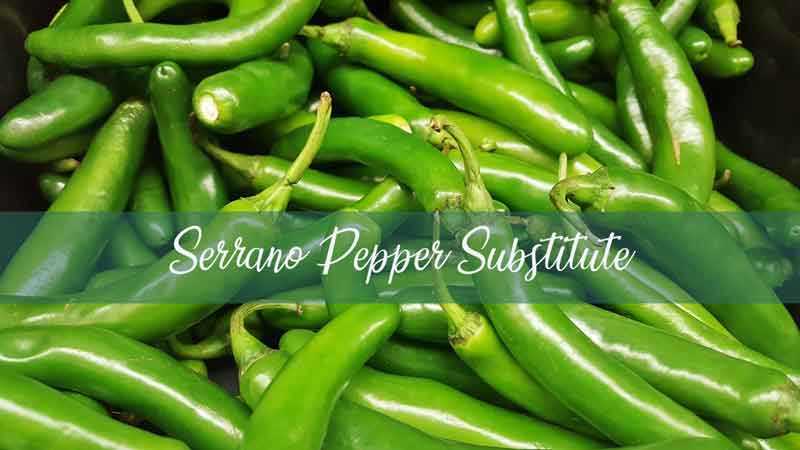
Serrano peppers (Capsicum annuum) sit between 10,000 and 23,000 on the Scoville scale, putting them noticeably hotter than jalapeños but well below habaneros. They're a staple in Mexican salsas, hot sauces, guacamole, and stir-fries. Their thin flesh means they cook down fast and blend smooth. But they can be hard to find outside specialty grocery stores — and even when you do find them, the heat level varies wildly from one batch to the next. That's exactly why knowing your substitutes matters.
Whether you're out of fresh serranos or just want something shelf-stable you can rely on, the options below cover a wide range of heat levels, textures, and flavor profiles. Some are ground powders that stir right into sauces and marinades. Others are whole dried chiles that reconstitute beautifully in soups and braises. One is a pickled option great for tacos and nachos. If you're already curious about the difference between ground spices in your pantry, check out this breakdown on chili powder vs cayenne pepper — it's a quick read that clears up a lot of confusion. You can also browse the full ingredients category for more substitution guides like this one.
Contents
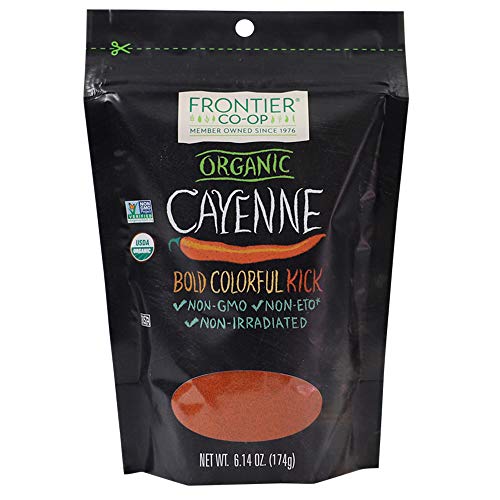




Cayenne pepper is the most direct heat substitute for serrano, and this version from Frontier Co-op raises the bar with certified organic sourcing and a notably clean flavor. Rated at 35,000 Scoville units, it's actually hotter than a serrano — so you'll want to start with about half the amount your recipe calls for and taste as you go. The heat is sharp and upfront without much fruitiness, which is slightly different from a fresh serrano's brighter profile, but in cooked dishes like soups, stews, chili, and braised meats you won't notice that difference once everything melds together.
What sets this apart from the generic cayenne you might grab off a gas station shelf is the sourcing. It comes from red cayenne peppers grown in India and is non-irradiated, meaning the peppers haven't been treated with radiation to extend shelf life — a process some cooks prefer to avoid for flavor and health reasons. It's also kosher certified, which matters if you're cooking for guests with dietary requirements. The 6.14 oz container is a solid mid-size that lasts a household several months under regular use.
One thing to keep in mind: because this is pure cayenne with nothing added, you're getting only the heat and not the earthy complexity that some Mexican or Tex-Mex dishes need. For a simple salsa verde or a spicy stir-fry, it works perfectly. For a slow-cooked mole or a rich enchilada sauce, you might want to pair it with a softer chile like ancho. But as a single-ingredient serrano swap that gets the job done fast, this is a reliable choice for 2026.
Pros:
Cons:
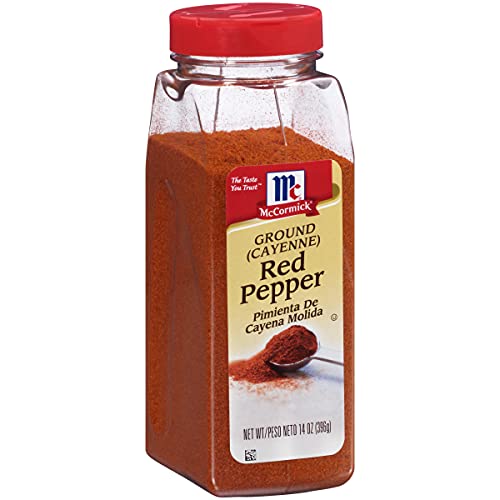
McCormick is the spice brand most home cooks know best, and their 14 oz ground cayenne red pepper is the kind of pantry workhorse you find yourself reaching for again and again. This container starts with whole, ripe cayenne peppers that are dried and milled under strict quality controls — McCormick's phrase, but it reflects genuinely consistent results. You get zesty heat, a vivid red color that brightens up any dish visually, and a balanced flavor that doesn't lean too sweet or too smoky.
The 14 oz size is the real draw here. If you cook spicy food regularly, this format makes far more sense than buying small jars every few weeks. It's cost-effective and the seal keeps the powder fresh for a long time when stored in a cool, dry spot away from direct sunlight. The heat level is similar to Frontier Co-op's version — both are cayenne, both are hot — but this one has a slightly more mellow, rounded finish that some cooks prefer in recipes where cayenne is a supporting player rather than the star. Think chili, chicken rubs, or spiced roasted vegetables.
As a serrano substitute, ground cayenne like this works best in cooked applications. You lose the texture and moisture of a fresh pepper, obviously, but the heat and color translate well. A pinch in your salsa roja or a teaspoon stirred into a marinade can absolutely replicate what two or three serrano peppers would add. Start with a quarter teaspoon for every one serrano called for and adjust from there — you can always add more, but you can't take it back. If you're curious about how this compares to other ground spices, take a look at our guide on chili powder vs cayenne pepper for a side-by-side breakdown.
Pros:
Cons:
Crushed red pepper flakes are what you see shaken over pizza in every Italian restaurant, but they're also one of the most practical serrano substitutes you can keep on hand. McCormick's version is made with whole, ripe peppers that are crushed to an optimal ratio of seeds and pods — and that ratio matters more than you'd think. The seeds carry much of the heat, so more seeds means a hotter flake. McCormick balances this well, giving you a bold, consistent heat without turning every dish into a five-alarm fire.
The slightly fruity, chili pepper aroma sets this apart from ground cayenne. Where ground cayenne is purely about heat delivery, crushed red pepper brings a bit of aroma and visual character. You can see the flakes in your finished dish, which some cooks and diners appreciate. It works beautifully in pasta sauces, pizza toppings, stir-fries, roasted vegetables, grain bowls, and vinaigrettes. The 4.62 oz size is just right for a household that uses spicy flakes a few times a week — not too much that it goes stale, but enough that you're not constantly reordering.
As a serrano substitute specifically, crushed red pepper flakes are best in dishes where the chile doesn't need to be finely incorporated. If your recipe requires blending the serrano into a smooth sauce, flakes won't work as well as a ground powder. But if you're sautéing aromatics, finishing a dish at the table, or adding heat to a slow-cooked braise, a pinch or two of crushed red pepper flakes gives you a very similar flavor punch to what fresh serranos deliver. One small adjustment: use about a half teaspoon of flakes for every one fresh serrano your recipe calls for.
Pros:
Cons:
This one is a different kind of serrano substitute — not a powder or a dried chile, but a jarred, pickled jalapeño. La Costeña is a Mexican brand with a strong reputation, and their 64 oz jar of nacho-sliced pickled jalapeños is a product that delivers reliably every time you crack it open. The peppers are packed in vinegar and water, which gives them a uniform heat and a tangy, slightly briny flavor that's almost addictive on its own.
Jalapeños (Capsicum annuum, same species as serranos) come in at 2,500 to 8,000 Scoville units — meaning they're meaningfully milder than serranos. If you're heat-sensitive or cooking for people who don't love intense spice, that's actually a good thing. These pickled slices are ready to eat straight from the jar, which makes them the fastest serrano substitute on this list. No prep, no cooking required. Pile them on nachos, layer them in quesadillas, tuck them into tacos, or add them to a burger. The tangy brine adds a dimension of flavor that fresh serranos can't offer.
The 64 oz jar is substantial — this is a bulk option that makes sense if you go through jalapeños quickly or want to stock up without worrying about running out mid-recipe. It also stores in the fridge for months after opening, so waste isn't really a concern. One caveat: because these are pickled, they're not a great substitute in dishes where you're cooking raw peppers into a sauce from scratch. The vinegar flavor will carry through. But for finished dishes and toppings, La Costeña jalapeños are one of the most versatile ready-to-use serrano swaps you can buy. If you're working to reduce food waste at home, a large jar like this that keeps for months is also just a smart pantry move — for more tips along those lines, see our guide on how to reduce food waste.
Pros:
Cons:
Ancho chile (the dried form of the poblano pepper) is one of the most beloved chiles in Mexican cooking, and The Spice Way's pure ancho powder is a product worth knowing about. Ancho sits at just 1,000 to 1,500 Scoville units — significantly milder than a serrano — so this isn't the right swap if you need to match serrano's heat intensity. What it does offer is a rich, slightly sweet, earthy, and mildly smoky depth of flavor that cayenne powder can't touch. If your recipe calls for serrano primarily for complexity rather than fire, ancho is a serious contender.
What makes The Spice Way's version stand out is the purity. This is 100% ancho chile powder with absolutely no blending, no anti-caking agents (chemicals added to prevent clumping), and no preservatives. Many commercial chili powders include cumin, garlic, oregano, and salt in the blend — which can be convenient but limits your control over the final dish. With a single-ingredient powder like this, you decide exactly how much and in what combination to use it. The resealable bag is a practical touch that helps maintain freshness between uses.
Ancho powder performs exceptionally in enchilada sauces, moles (rich Mexican sauces often made with chile and chocolate), slow-cooked soups, marinades for grilled meats, and even in desserts like spiced chocolate — the mild fruity heat pairs beautifully with dark chocolate. If you want to approximate serrano heat while using ancho, try combining a small amount of cayenne with your ancho powder. You get the heat from the cayenne and the complex earthy flavor from the ancho, and together they come closer to what a fresh serrano contributes than either would alone.
Pros:
Cons:
Guajillo chiles are the backbone of countless authentic Mexican recipes, and 1400s Spices delivers them in a convenient stemless format that saves you the prep step. These dried whole peppers land at 2,500 to 5,000 Scoville units — on the milder side compared to serranos, but with a flavor complexity that's genuinely hard to replicate with a powder. Guajillos have a distinctive sweet, slightly tangy, and subtly smoky aroma with a berry-like undertone. Once reconstituted (soaked in hot water for 20–30 minutes and then blended), they create a sauce base that's silky, deeply flavorful, and authentically Mexican in character.
The one-pound bag gives you serious volume to work with. If you're planning to make a big batch of red enchilada sauce, a pozole (traditional Mexican stew made with hominy), or a marinade for tacos al pastor, you'll want plenty on hand. Guajillos are also the base for birria (braised meat, often beef or goat) and many regional chile sauces across Mexico. Using them in place of serranos requires a bit more preparation — you'll need to toast, soak, and blend them — but the result is a richer, more layered sauce than you'd get from any powder substitute.
As a serrano substitute in quick weeknight cooking, guajillos are not the most convenient option. They need time. But if you're making something on the weekend where flavor is the priority and you're not in a rush, guajillo chiles give you an authenticity and depth that no bottled powder can match. The 1400s Spices brand keeps the chiles stemless, which reduces the slight bitterness that stems can contribute and makes blending cleaner. For dishes where you're already exploring Mexican flavors and ingredients, this is an excellent addition to your pantry. And if you're working on keeping your kitchen stocked with versatile staples, guajillos are a great fit — check out our tips on reducing food waste at home for more ideas on using dried pantry items efficiently.
Pros:
Cons:
Gebhardt is a Texas institution. The brand has been making chili powder since the 1890s and their formula has barely changed — which tells you something about how good it is. This four-bottle pack gives you 12 oz total (four 3 oz bottles) of a classic Tex-Mex style chili powder blend. Unlike the pure cayenne or single-chile powders earlier on this list, Gebhardt's chili powder is a blend — typically including ground chiles, cumin, oregano, garlic, and salt. That blend is intentional and it's part of what makes this powder so effective in a wide range of dishes.
As a serrano substitute, Gebhardt chili powder takes a different approach. You're not just replacing the heat — you're adding a full seasoning layer. This makes it ideal for dishes where serrano's role is to provide both heat and underlying flavor complexity: chili con carne, taco seasoning, enchilada sauce, spicy beans, or spiced ground beef. One to two teaspoons of Gebhardt in a pot of chili does work that would otherwise require several different spices measured and added individually. It's a time-saving option when you're cooking for a crowd or just want a reliable, proven Tex-Mex flavor without overthinking it.
The four-bottle format is worth noting. Having multiple smaller bottles rather than one large container means you can keep one by the stove, one in the pantry, and extras on hand so you never run out mid-recipe. The smaller bottles also mean each one gets used before it can go stale. Chili powder loses its potency over time — most spice experts recommend replacing ground spices every 1 to 2 years for peak flavor. Buying in small-bottle multi-packs like this one actually helps with freshness. Gebhardt remains one of the most trusted names in chili seasoning in 2026, and this four-pack is priced well enough that stocking up makes complete sense for anyone who cooks Tex-Mex regularly.
Pros:
Cons:
Serrano peppers sit at 10,000–23,000 Scoville units. That's the baseline you're trying to match — or deliberately soften, depending on your audience. Cayenne powder runs hotter at around 30,000–50,000 Scoville, so you'll always use less of it than you would fresh serrano. Jalapeños and guajillos are milder, so you'll use more — or you may need to supplement with a pinch of cayenne. Before you buy, think about whether you need an exact heat match or whether going milder is acceptable. For dishes where serrano heat is subtle background warmth (a stew, a bean dish), going a bit milder is usually fine. For dishes where the serrano's bite is the point — a fresh salsa cruda, a pico de gallo — you'll want to stay in the same heat ballpark.
The physical form of your substitute matters as much as the heat level. Ground powders like cayenne or ancho dissolve seamlessly into sauces, marinades, soups, and rubs. Crushed flakes add texture and visible flecks of color. Whole dried chiles like guajillo require soaking and blending but deliver a depth and body that no powder can replicate. Pickled jalapeños are ready to eat but carry a vinegar flavor that limits their use cases. Think about the texture and preparation your recipe requires before choosing a format. If you're blending a smooth sauce, go with a powder. If you're topping a dish at the table, go with flakes or pickled slices.
Some products on this list are single-ingredient (Frontier Co-op cayenne, The Spice Way ancho, the guajillo chiles). Others are blends that include cumin, oregano, garlic, and salt (Gebhardt chili powder). Pure products give you more control — you decide exactly what goes into your dish. Blends are more convenient but add flavors and sodium that may or may not fit your recipe. A good rule of thumb: use pure products when serrano is one ingredient among many you're building yourself. Use blends when you want a complete Tex-Mex flavor profile with one scoop. Neither is better in absolute terms — it depends entirely on what you're making.
Ground spices lose potency faster than you might expect. Most spice manufacturers recommend using ground chile powders within one to two years of opening. Whole dried chiles like guajillo have a longer shelf life — up to three years if stored in an airtight container away from heat and light. Pickled jalapeños stay good for months in the refrigerator after opening, as long as the peppers remain submerged in their brine. When you buy any spice, check the best-by date and store it properly. A stale cayenne adds almost nothing to a dish — you'd be better off using fresh chiles than old powder. Buying in formats that match your usage rate (a small bag if you use it occasionally, a large container if you cook with it daily) is the smartest way to always have fresh, potent spice on hand.
Ground cayenne pepper is the closest match for serrano's heat level. Cayenne runs slightly hotter at 30,000–50,000 Scoville units compared to serrano's 10,000–23,000, so use about half the quantity your recipe calls for. Crushed red pepper flakes are also a good option and carry a similar bright, sharp heat. Both are shelf-stable and easy to find in any grocery store.
Yes, jalapeños are the most common fresh substitute for serranos. They're in the same chile family, have a similar flavor, and are far easier to find in most grocery stores. The main difference is heat — jalapeños are noticeably milder at 2,500–8,000 Scoville versus serrano's 10,000–23,000. Use two jalapeños for every one serrano called for, or add a small pinch of cayenne alongside to bring the heat up to a closer match.
Yes. Serranos are typically two to five times hotter than jalapeños, depending on growing conditions and the specific pepper. A serrano starts where most jalapeños top out on the Scoville scale. This is why serranos are preferred in dishes where a more aggressive, forward heat is the goal — like a fresh table salsa or a spicy taco condiment — while jalapeños are better for milder dishes or when cooking for mixed heat tolerances.
Ancho chile powder is an excellent mild alternative. Ancho chiles (dried poblanos) register just 1,000–1,500 Scoville units, making them much gentler, but they carry a rich, earthy, slightly sweet flavor that adds real depth to sauces, soups, and braises. Guajillo chiles are another great mild option with a distinctive fruity and smoky character. For either, you may want to add a small amount of cayenne alongside to bring the heat closer to what serrano would contribute.
You can, but keep in mind that commercial chili powder is a blend — it typically contains ground chile, cumin, oregano, garlic, and salt. This means it adds a broader flavor profile, not just heat. It works well in dishes like chili, tacos, and enchilada sauce where that blended Tex-Mex flavor is welcome. If your recipe uses serrano purely for clean, direct heat, a pure cayenne or crushed red pepper is a more precise substitute than a seasoning blend.
For whole dried chiles like guajillo, the general rule is to use one dried chile for every two fresh serranos your recipe calls for — dried chiles are more concentrated in flavor. To use them, remove the stem and seeds, toast them briefly in a dry skillet for 30 seconds per side, then soak in hot water for 20–30 minutes until softened. Blend with a small amount of the soaking liquid to create a smooth paste or puree that you can add directly to your sauce or dish.
The best serrano substitute isn't the hottest one on the shelf — it's the one that matches what your recipe actually needs, whether that's heat, flavor depth, or pure convenience.
 |
 |
 |
 |

About Christopher Jones
Christopher Jones holds an MBA from the University of San Francisco and brings a business-minded approach to kitchen gear evaluation — assessing products not just for performance but for long-term value, build quality, and real-world usability in everyday home cooking. He has spent years testing appliances, cookware, and kitchen gadgets with the same analytical rigor he developed in business school. At BuyKitchenStuff, he covers kitchen appliance reviews, buying guides, and practical cooking tips.
