Learn how to make perfectly caramelized pork belly burnt ends in your oven with this easy step-by-step recipe for tender, smoky, melt-in-your-mouth bites.
by Daisy Dao
Ever wondered why your homemade pork belly burnt ends never quite match the ones from your favorite BBQ joint? The secret isn't a smoker — it's your oven. A great pork belly burnt ends oven recipe delivers tender, caramelized, melt-in-your-mouth meat cubes without any specialized equipment. All you need is a sheet pan, some foil, and a few hours of patience. Whether you're new to cooking pork belly or looking for a foolproof method, this guide walks you through every step, common mistakes, and tips that actually work. For more hands-on cooking guides, check out our recipes collection.
Pork Belly Burnt Ends Oven Recipe
Pork belly burnt ends started as a Kansas City BBQ tradition using brisket point ends, but pork belly has taken over as the go-to cut for home cooks. The fat-to-meat ratio is more forgiving, and the oven gives you consistent heat without babysitting a fire. You'll get crispy, sticky, sweet-savory bites every single time.
Below, you'll find the full breakdown — from picking the right cut at the store to troubleshooting dry or chewy results. If you enjoy working with different cuts of meat, you might also like our guide on substitutes for flank steak for more versatile cooking ideas.
Getting your pork belly burnt ends oven recipe right comes down to three things: the meat, the rub, and the heat. Nail these and you're golden.
Choosing Your Pork Belly
Not all pork belly is created equal. Here's what to look for at the butcher counter or grocery store:
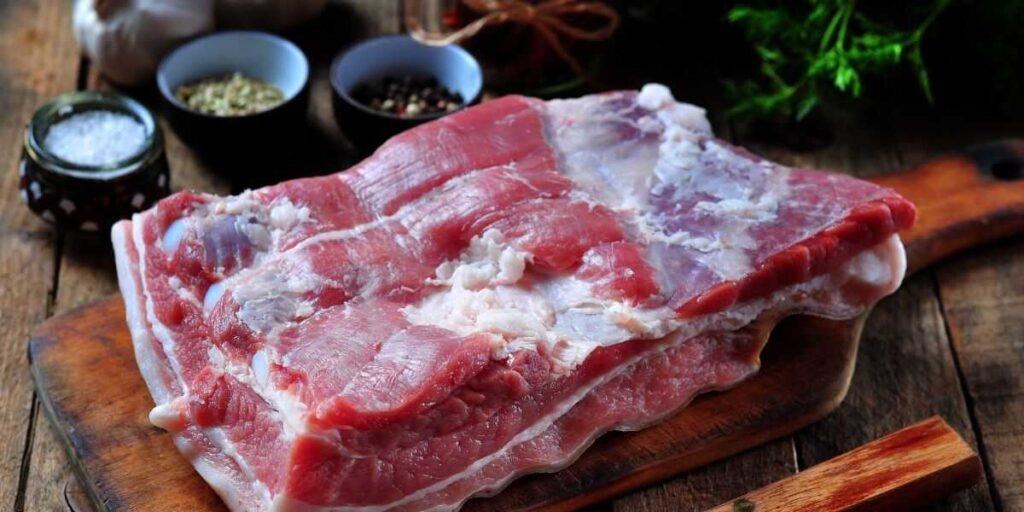
Skin-off is easier. Most burnt ends recipes call for skinless pork belly. If yours has skin, ask the butcher to remove it or do it yourself with a sharp knife. A good kitchen knife makes this much simpler.
Look for an even thickness — about 1.5 to 2 inches across the whole slab.
You want visible marbling (white fat streaks running through the pink meat). Lean pork belly dries out fast.
A 3-pound slab feeds about 6 people as a main dish, or 8–10 as an appetizer.
Buy from the meat counter rather than pre-packaged when possible — you can inspect the marbling better.
The Dry Rub That Makes It
Dry Pork Belly Rub
The rub creates the "bark" — that dark, flavorful crust on the outside. Here's a basic recipe that works every time:
2 tablespoons brown sugar
1 tablespoon smoked paprika
1 tablespoon garlic powder
1 teaspoon onion powder
1 teaspoon black pepper
1 teaspoon salt
½ teaspoon cayenne (optional — skip if you don't like heat)
Mix everything together, then coat the pork belly cubes on all sides. Don't be shy. Press the rub into the meat so it sticks. Let it sit for at least 30 minutes, or overnight in the fridge for deeper flavor.
Pro tip: If you want extra sticky burnt ends, add a tablespoon of cornstarch to your dry rub. It helps the sauce cling during the final caramelization phase. If you're out of cornstarch, a potato starch substitute works just as well.
Oven Setup and Temperature
Your oven rack position matters more than you'd think:
Place the rack in the middle position for even heat circulation.
Use a rimmed baking sheet lined with foil — cleanup is brutal without it.
A wire rack on top of the sheet pan lets fat drip away, creating better bark on all sides.
Preheat fully before the meat goes in. An oven thermometer helps — many ovens run 25°F off.
What Pork Belly Burnt Ends Actually Cost to Make
One of the best things about this pork belly burnt ends oven recipe is how budget-friendly it is compared to ordering from a restaurant. Here's a realistic breakdown:
Ingredient
Amount Needed
Estimated Cost
Pork belly (skinless)
3 lbs
$12–$18
Brown sugar
2 tbsp
$0.15
Smoked paprika
1 tbsp
$0.30
Garlic powder
1 tbsp
$0.20
Other spices
Various
$0.35
BBQ sauce
1 cup
$1.50
Butter
2 tbsp
$0.25
Honey
2 tbsp
$0.40
Foil + parchment
—
$0.50
Total
Serves 6–8
$15.65–$21.65
Compare that to restaurant burnt ends at $15–$22 per plate for one serving. You're feeding a whole group for the price of a single order. If you're looking for more ways to stretch your food budget, our guide on how to save money on food has practical tips.
Fixing Common Problems
Even experienced cooks run into issues with burnt ends. Here are the most common problems and how to fix them fast.
Dry or Tough Pieces
Cause: Oven temperature too high, or you cooked them uncovered the entire time.
Fix: Keep them covered with foil for the first 2 hours. This traps moisture and lets the fat render slowly.
If they're already dry, toss them in warm BBQ sauce with a pat of butter — it rescues them surprisingly well.
Cut your cubes to 1.5-inch pieces. Smaller cubes dry out; larger ones don't render properly.
No Bark Forming
Cause: Too much moisture in the pan, or the rub didn't have enough sugar.
Fix: Make sure you uncover the meat for the last 30–45 minutes. The dry heat is what creates bark.
Pat the pork belly cubes completely dry with paper towels before applying the rub.
Add a thin layer of yellow mustard before the rub — it acts as a binder and burns off during cooking.
Uneven Cooking
Cause: Cubes are different sizes, or they're too crowded on the pan.
Fix: Cut uniform 1.5-inch cubes. Leave at least ½ inch between each piece.
Rotate the pan 180° halfway through cooking.
If your oven has hot spots, use two pans on separate racks and swap them at the midpoint.
The Complete Oven Method Step by Step
This is the full pork belly burnt ends oven recipe from start to finish. The whole process takes about 3 to 3.5 hours, but most of that is hands-off oven time.
Phase One: Low and Slow
Preheat your oven to 275°F (135°C).
Cut the pork belly into 1.5-inch cubes. Remove the skin first if it's still on.
Toss the cubes in your dry rub until every side is coated.
Arrange them on a wire rack set over a foil-lined baking sheet. Leave space between each cube.
Cover the whole setup tightly with aluminum foil.
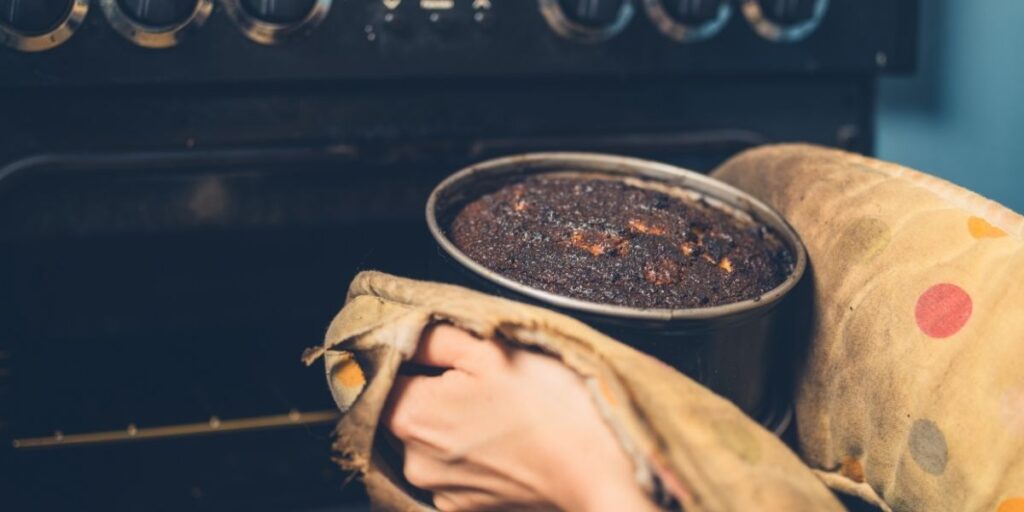
Bake for 2 hours. Don't peek — every time you open the oven, you lose heat and extend the cook time.
Oven Cooked Pork Burnt Ends
Phase Two: Sauce and Caramelize
After 2 hours, remove the foil. The cubes should be tender and the fat should have started to render.
Transfer the cubes to a large bowl.
Toss with 1 cup BBQ sauce, 2 tablespoons melted butter, and 2 tablespoons honey.
Spread them back on the baking sheet (no wire rack this time — you want them sitting in the sauce).
Crank the oven up to 300°F (150°C).
Bake uncovered for 45–60 minutes, tossing every 15 minutes, until the sauce caramelizes and the edges get sticky and dark.
Let them rest for 5 minutes before serving. They're screaming hot inside.
Warning: Don't skip the butter in the sauce mixture. It prevents the sugar in the BBQ sauce from burning and adds richness that takes burnt ends from good to unforgettable.
Creative Ways to Serve Burnt Ends
Burnt ends are incredible on their own, but they're also one of the most versatile proteins you can cook. Here are ideas that go beyond the paper boat and pickles:
Burnt ends mac and cheese. Fold them into your favorite baked mac and cheese. If you have an air fryer, our air fryer mac and cheese balls recipe pairs perfectly when topped with chopped burnt ends.
Loaded fries or nachos. Pile burnt ends on top of crispy fries with cheese sauce, pickled jalapeños, and coleslaw.
Tacos. Warm corn tortillas, burnt ends, quick-pickled red onion, and a drizzle of lime crema.
Pizza topping. Scatter them over a BBQ pizza with red onion and mozzarella.
Rice bowls. Layer over steamed rice with a fried egg, kimchi, and sesame seeds. If you're debating your base, our noodles vs. rice comparison can help you decide.
Sliders. Pile them on Hawaiian rolls with pickles and spicy mayo.
Breakfast hash. Dice them smaller, fry with potatoes and onions, top with a runny egg.
The key is that burnt ends add smoky, sweet, savory flavor to just about anything. Think of them as a flavor bomb you can drop into any meal that needs a boost.
Pork Belly Burnt Ends Myths That Need to Go
There's a lot of bad information floating around about burnt ends. Let's clear some up.
"You need a smoker." No, you don't. Your oven at 275°F renders fat and creates bark just like a smoker. You can add liquid smoke to your sauce if you want that smoky flavor, but plenty of people prefer the clean caramelized taste from the oven alone.
"Higher heat means faster results." Cranking to 400°F gives you tough, chewy cubes with raw fat in the middle. Low and slow is the entire point. The fat needs time to break down (a process called rendering).
"You have to use a specific BBQ sauce brand." Use whatever you like. Sweet Kansas City style, tangy Carolina mustard, even a teriyaki glaze — they all work. The caramelization is what matters, not the brand.
"Burnt ends are unhealthy." Pork belly is high in fat, but most of it renders out during the long cook. What's left is mainly monounsaturated fat — the same kind found in olive oil. Like anything, it's about portion size.
"They're hard to make." This is probably the biggest myth. Cut meat, apply rub, put in oven, toss with sauce, put back in oven. That's it. If you've ever made soaked liver or braised any tough cut, you can handle this.
When Burnt Ends Are Worth It (and When They're Not)
This pork belly burnt ends oven recipe is fantastic, but it's not the right move for every situation. Here's an honest look:
Make them when:
You're feeding a crowd at a party or game day — they're a perfect shareable appetizer.
You have 3+ hours of mostly hands-off time available.
You want impressive results without advanced cooking skills.
You're meal-prepping — burnt ends reheat well in the oven at 250°F for 15 minutes.
You want to practice working with pork belly before trying more complex dishes.
Skip them when:
You need dinner in under an hour — this is a slow cook, no shortcuts.
You're cooking for someone who doesn't eat pork — try beef burnt ends with chuck roast instead.
Your oven doesn't hold temperature well below 300°F (some older models struggle).
You're watching your fat intake closely — even after rendering, pork belly is still rich.
For quick weeknight protein, something like chicken breast halves is a better fit. Save the burnt ends for when you can enjoy the process.
Frequently Asked Questions
How long do pork belly burnt ends take in the oven?
Plan for about 3 to 3.5 hours total. The first phase is 2 hours at 275°F covered in foil. The second phase is 45–60 minutes at 300°F uncovered with the sauce. The exact time depends on your cube size and oven accuracy, but don't rush it — the fat needs time to render properly.
Can you make pork belly burnt ends ahead of time?
Yes. Cook them fully, let them cool, and store in an airtight container in the fridge for up to 4 days. Reheat in the oven at 250°F for 15–20 minutes. Add a splash of BBQ sauce before reheating to keep them moist. They also freeze well for up to 3 months.
What temperature should pork belly burnt ends reach internally?
You're aiming for an internal temperature of around 200–205°F (93–96°C). At this point the collagen and fat have fully broken down, giving you that tender, pull-apart texture. Use an instant-read thermometer to check a few of the larger pieces.
Do you need to cure or brine the pork belly first?
No. Curing is for bacon, not burnt ends. A dry rub applied 30 minutes to overnight before cooking is all you need. Brining adds unnecessary moisture that works against bark formation. Keep it simple — dry rub and oven.
What's the best BBQ sauce for pork belly burnt ends?
Any sauce with a good balance of sweet and tangy works well. Kansas City–style sauces (thick, tomato-based, sweet) are the classic choice because they caramelize beautifully. But you can use mustard-based, vinegar-based, or even an Asian-inspired glaze. The key is that it has some sugar content to create that sticky finish.
Can you use an air fryer instead of an oven?
You can, but the results are different. Air fryers cook faster and create a crispier exterior, but the fat doesn't render as slowly or evenly. If you go this route, cook at 250°F for 90 minutes, then toss with sauce and finish at 400°F for 10 minutes. The texture will be more crispy than melt-in-your-mouth.
Next Steps
Pick up a 3-pound skinless pork belly slab from your butcher or grocery store this week. Look for good marbling and even thickness — ask them to remove the skin if it's still attached.
Do a test run with half the slab first. Cut 1.5-inch cubes from half, freeze the other half, and follow the two-phase method above. Take notes on your oven's timing so your next batch is dialed in perfectly.
Mix up your dry rub in bulk. Double or triple the rub recipe and store it in a sealed jar. Having it ready makes future batches effortless — you'll reach for it on game days, holidays, and random Saturdays.
Experiment with one sauce variation. After you've nailed the classic BBQ version, try a teriyaki glaze or honey-sriracha blend for your next cook. Same method, completely different flavor profile.
Daisy Dao grew up in Honolulu, Hawaii, where coastal living and access to fresh local ingredients shaped her approach to home cooking from an early age. She has spent years experimenting with seafood preparation, healthy cooking methods, and ingredient substitutions — developing hands-on familiarity with a wide range of kitchen tools, techniques, and produce. At BuyKitchenStuff, she covers healthy recipes, cooking techniques, and ingredient substitution guides.