by Christopher Jones
Studies show that a turbo convection oven can cook meals up to 30% faster than a standard oven while using less energy — a fact that surprised our team when we first started testing these appliances. For anyone exploring turbo convection oven recipes, the appeal is clear: crispier textures, juicier interiors, and shorter cook times across everything from roasted chicken to baked desserts. Our team has spent considerable time experimenting with different dishes, and we've put together this guide to help home cooks get the most out of this versatile kitchen tool. Whether someone is brand new to convection cooking or looking to expand their recipe collection, there's something here worth trying.

A turbo convection oven works by circulating hot air rapidly around food using a built-in fan and an additional heating element. This constant airflow eliminates the cold spots found in traditional ovens, which is why foods brown more evenly and cook faster. The result is a cooking experience that sits somewhere between a conventional oven and an air fryer — offering the capacity to handle full-sized meals with the speed and crispiness most people associate with smaller countertop appliances.
In this guide, our team covers four standout turbo convection oven recipes, walks through the basics for beginners, compares cooking methods, and addresses the most common issues people run into. Let's get into it.
Contents
Before diving into specific turbo convection oven recipes, it helps to understand the mechanics behind the appliance. A turbo convection oven is essentially a convection oven with a more powerful fan — sometimes called a "turbo" fan — that pushes heated air around the cooking chamber at higher speeds. This aggressive circulation is what gives food that signature crispy exterior without drying out the inside.
Most turbo convection ovens operate between 250°F and 480°F. The fan runs continuously, so there's no way to disable it like on some conventional ovens. This means every dish gets the convection treatment, and most people need to reduce traditional recipe temperatures by about 25°F to compensate. Cook times typically drop by 15–25%, depending on the density of the food being prepared.
Our team always recommends starting with simpler dishes before attempting complex meals. The learning curve isn't steep, but understanding how quickly these ovens work prevents overcooking — the most common mistake beginners make.

This is the perfect entry-level recipe. The turbo oven gives chicken pieces a deep-fried crunch with a fraction of the oil — similar to results from an air fryer, but with more capacity.
The result is a golden, crunchy exterior with tender meat inside. Most people find this comparable to traditional deep frying, minus the mess and excess grease.

Roasting a whole chicken takes more confidence, but the turbo oven handles it beautifully. The circulating air crisps the skin all around without needing to rotate the bird manually.
Our team has found this method produces a bird that rivals rotisserie results. The skin gets uniformly golden, and the meat stays juicy throughout. Anyone comfortable with a pressure cooker chicken recipe will find this approachable — the technique is forgiving once the temperature is set correctly.
Pro tip: Always let roasted chicken rest for 10 minutes after cooking. Cutting too early releases juices that would otherwise be reabsorbed into the meat.
Once the basics are comfortable, these two recipes showcase the turbo oven's versatility with bolder flavors and saucy preparations.
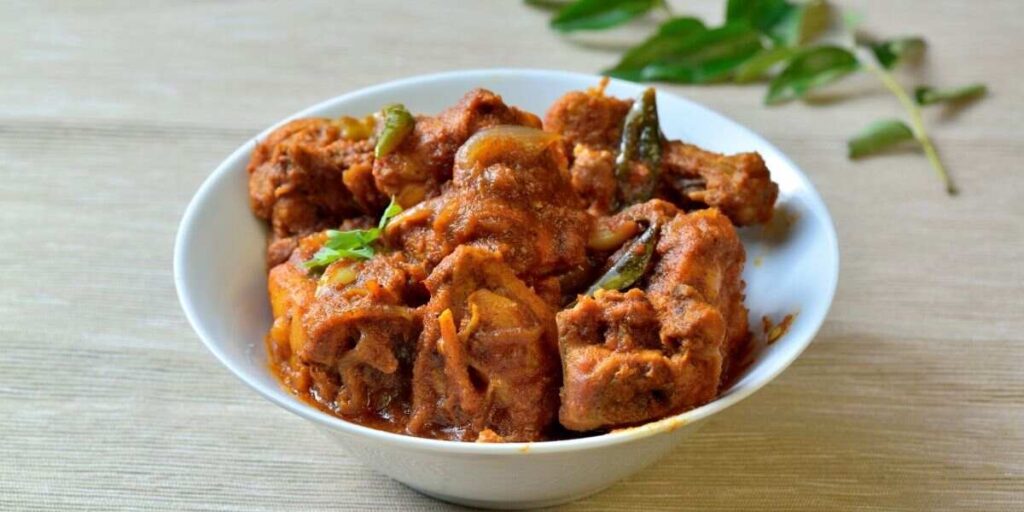
Most people don't think of a turbo oven for curries, but it works surprisingly well. The key is using an oven-safe dish with a lid or foil cover to trap steam while the convection fan keeps the top layer slightly caramelized.
The slow simmer under convection heat deepens the flavors in a way that stovetop cooking sometimes can't match. It's a hands-off approach that frees up stove burners for rice or sides — something our team appreciates during busy meal prep sessions.
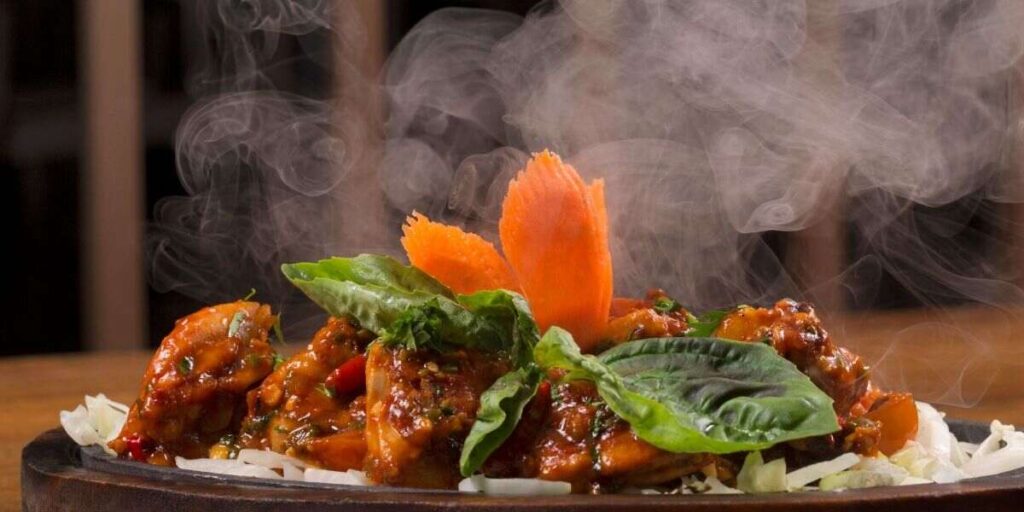
This recipe bridges the gap between a stir-fry and a baked dish. The turbo oven gives the chicken a slightly charred, smoky finish that's hard to replicate without a wok or very high-heat burner.
The high heat and fast air circulation give each piece a crispy coating that holds up well under the sauce. Anyone who enjoys Instant Pot recipes for weeknight meals will appreciate this one — it's fast, flavorful, and cleanup is minimal.
No appliance is perfect for every situation. Our team has identified the key advantages and limitations based on extensive testing across dozens of turbo convection oven recipes.
| Advantage | Limitation |
|---|---|
| Cooks 20–30% faster than conventional ovens | Limited capacity — most models fit 3–5 lb items max |
| Crisps food evenly without deep frying | Glass bowl can be heavy and fragile |
| Uses less energy than full-sized ovens | Fan noise can be noticeable in quiet kitchens |
| Easy visual monitoring through glass dome | Not ideal for baking delicate cakes or pastries |
| No preheating needed — reaches temperature in 2–3 minutes | Requires learning new temperature/time adjustments |
| Great for countertop use in small kitchens | Cleanup can be tricky due to bowl shape |
For most home cooks, the turbo convection oven works best as a complement to existing appliances rather than a full replacement. It excels at roasting, crisping, and reheating but struggles with large batch cooking or recipes that need precise temperature control at low heat. Our team views it as sitting in a sweet spot between an air fryer and a Dutch oven — each tool has its role.
Getting great results from turbo convection oven recipes comes down to a few adjustable factors. These guidelines apply across most dishes and will help anyone dial in their technique.
The general rule is simple: reduce the temperature by 25°F from any conventional recipe and start checking for doneness about 20% earlier. Here's a quick reference:
Most turbo ovens come with two rack heights. Choosing the right one makes a noticeable difference:
Our team has found that most failures with turbo convection oven recipes come from incorrect rack placement rather than wrong temperatures. A quick mental check — "does this need crispiness or slow penetration?" — usually points to the right rack.
Even experienced cooks run into issues when switching to a turbo convection oven. Here are the problems our team sees most often and the fixes that work.
This usually happens when food is overcrowded. The fan needs space to circulate air around each piece. If items are touching or piled up, some surfaces won't get direct airflow.
The powerful fan accelerates moisture evaporation, which is great for crispiness but risky for lean proteins. A few strategies help:
Most people who struggle with dryness are simply cooking too long. The turbo oven's efficiency means food reaches safe temperatures faster than expected, and every extra minute past that point removes moisture without adding flavor.
A turbo convection oven is a countertop appliance that uses a high-speed fan combined with a halogen or infrared heating element to circulate hot air around food. This rapid airflow cooks food faster and more evenly than a standard oven, producing crispy exteriors while keeping interiors moist.
In many cases, yes. Turbo convection ovens produce a similar crispy texture on chicken, fries, and breaded items using little to no oil. The results won't be identical to deep frying — the crust is lighter and less greasy — but most people find the trade-off worthwhile for the health benefits.
Generally, conventional oven recipes should be adjusted by reducing the temperature by about 25°F and shortening the cook time by 15–25%. Recipes specifically written for turbo convection ovens won't need modification.
They use the same basic principle — a fan circulating hot air — but differ in design. Air fryers are smaller with a basket-style cooking chamber, while turbo convection ovens have a larger glass bowl that accommodates bigger items like whole chickens. The turbo oven offers more capacity but takes up more counter space.
Most heat-resistant materials work fine, including metal baking pans, glass dishes (like Pyrex), ceramic pots, and silicone molds. Avoid plastic containers or anything not rated for high temperatures. Perforated trays and wire racks are ideal because they allow airflow on all sides of the food.
Yes, but with some limitations. Cookies, muffins, and bread rolls turn out well. Delicate items like soufflés or layered cakes can be trickier because the strong fan may cause uneven rising. Our team recommends reducing the fan speed (if the model allows it) or using lower temperatures for baking.
Turbo convection ovens typically use 1,000–1,400 watts compared to 2,000–5,000 watts for a full-sized oven. Combined with shorter cook times, most households see a noticeable reduction in energy use when using a turbo oven for small to medium meals.
Most glass bowls are removable and can be washed with warm soapy water. The lid and heating element should be wiped with a damp cloth — never submerged. Wire racks can go in the dishwasher. Our team recommends cleaning after every use to prevent grease buildup, which can cause smoke during future cooking sessions.
These four turbo convection oven recipes are a solid starting point, but the real fun begins with experimentation. Our team suggests picking one recipe from this guide, making it this week, and then adapting a personal favorite dish using the temperature and time adjustments covered above. Once the basics click, most home cooks find themselves reaching for the turbo oven more often than the conventional one — and discovering new possibilities along the way.
 |
 |
 |
 |

About Christopher Jones
Christopher Jones holds an MBA from the University of San Francisco and brings a business-minded approach to kitchen gear evaluation — assessing products not just for performance but for long-term value, build quality, and real-world usability in everyday home cooking. He has spent years testing appliances, cookware, and kitchen gadgets with the same analytical rigor he developed in business school. At BuyKitchenStuff, he covers kitchen appliance reviews, buying guides, and practical cooking tips.
Check for FREE Gifts. Or get our Free Cookbooks right now.
Disable the Ad Block to reveal all the recipes. Once done that, click on any button below
|
|
|
|
