Cooking Guides and Tips

Crock Pot Clam Chowder Recipe 2026

Warm up with this easy Crock Pot clam chowder recipe—creamy, hearty, and slow-cooked to perfection with tender clams and savory potatoes.

by Daisy Dao

Americans eat an estimated 400 million pounds of clams every year, and a huge share of that ends up in creamy, satisfying chowder. A good crock pot clam chowder recipe is one of the easiest ways to bring that kind of comfort food to your table — with very little hands-on work. Slow cookers do the heavy lifting while you go about your day, and the result is a rich, thick soup that tastes like it took hours of stirring. For more ideas like this, explore our full recipe collection.

Introduction
Introduction

Clam chowder has deep roots in American coastal cooking. According to Wikipedia, clam chowder traces back to 18th-century New England, where clams were cheap and plentiful. Since then, it has evolved into dozens of regional styles — from creamy New England to tomato-based Manhattan. The slow cooker version brings out all that classic flavor without keeping you tied to the stove.

Whether you're using canned clams for convenience or fresh ones for a deeper taste, this guide has you covered. You'll learn how to pick the right equipment, follow a foolproof recipe, troubleshoot a thin broth, and store leftovers the right way. By the end, you'll have everything you need to make a chowder that works for your schedule and your kitchen.

What You Need to Make Crock Pot Clam Chowder

Before you start, it helps to have the right tools in place. You don't need anything fancy — but the right slow cooker size and a solid ingredient list make a real difference. If you enjoy cooking with your slow cooker, you might also like this Breakfast Tater Tot Casserole in the Crock Pot for a hearty morning meal that uses the same hands-off approach.

Choosing the Right Slow Cooker

Not all slow cookers are built the same. Here's what to look for when making chowder:

  • Capacity: A 4- to 6-quart slow cooker is ideal for a family-sized batch. For two people, a 3-quart model works fine.
  • Heat settings: Look for at least Low and High options. A Keep Warm setting is a nice bonus for serving.
  • Insert material: Ceramic or stoneware inserts distribute heat evenly and are easy to clean. Avoid thin metal inserts — they create hot spots that can scorch your chowder.
  • Lid fit: A tight-fitting lid keeps moisture inside, which is especially important for a creamy soup base.

Most standard 5- to 6-quart crock pot models handle this recipe perfectly. You don't need a specialized appliance — just a reliable one.

Key Ingredients to Have Ready

Here's a quick overview of what you'll typically need before you start:

  • Clams: Two to three 6.5-oz cans of minced or chopped clams are the easiest option. Fresh littleneck or cherrystone clams work too, but require more prep.
  • Clam juice: Adds depth and brininess. Use the liquid from the canned clams plus a bottle of store-bought clam juice. If you run short, our guide on clam juice substitutes covers reliable alternatives.
  • Potatoes: Russet or Yukon Gold potatoes hold up well in a slow cooker without turning mushy.
  • Aromatics: Onion, celery, and garlic form the classic flavor base.
  • Heavy cream or half-and-half: Always stirred in during the last 30 minutes to prevent curdling.
  • Bacon or salt pork: Optional, but adds a smoky layer that makes a big difference.
  • Flour or cornstarch: For thickening the broth. If you need a substitution, our list of cornmeal substitutes includes several pantry staples that also work as thickeners in a pinch.
  • Seasoning: Salt, black pepper, dried thyme, and bay leaves are the standard combination.

Crock Pot vs. Stovetop Clam Chowder: A Side-by-Side Look

You might be wondering whether the crock pot is really worth it compared to a classic stovetop method. Both approaches produce great chowder. The differences come down to time, texture, and how much attention you want to give it. If you enjoy hands-on stovetop cooking too, our cast iron grill pan recipes are worth exploring for other technique-driven meals.

Time and Effort

Factor Crock Pot Stovetop
Total cook time 6–8 hours (Low) or 3–4 hours (High) 45–60 minutes
Hands-on time 15–20 minutes prep only 30–40 minutes active stirring
Risk of burning Very low Moderate — requires attention
Best for Busy days, meal prep batches Quick weeknight cooking
Equipment needed Slow cooker Heavy-bottomed pot or Dutch oven
Flavor depth Very deep — long cook melds flavors Good, with a brighter, fresher taste

Flavor and Texture

Both methods produce delicious chowder, but the results differ in a few ways:

  • Crock pot: Long, slow cooking lets the flavors meld deeply. The potatoes become very tender. Cream added at the end stays smooth and velvety.
  • Stovetop: Faster flavor development, slightly brighter overall taste. You have more real-time control over thickness as it cooks.
  • Best for weekends: The crock pot. Set it and come back hours later to a fully developed chowder.
  • Best for weeknights: The stovetop, if you need dinner on the table in under an hour.

Neither method is wrong — it really comes down to your schedule and how much you enjoy being at the stove.
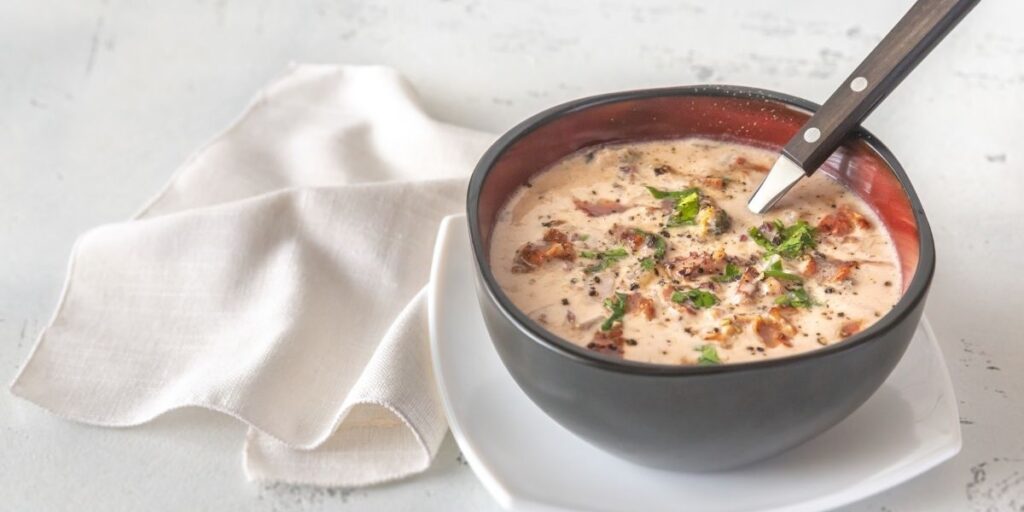
Crockpot Clam Beef Chowder

Step-by-Step: The Classic Crock Pot Clam Chowder Recipe

This is the core crock pot clam chowder recipe that most home cooks rely on. It's straightforward, uses mostly pantry staples, and serves 6 to 8 people comfortably.

Ingredients

  • 3 cans (6.5 oz each) minced or chopped clams, juice reserved
  • 1 bottle (8 oz) store-bought clam juice
  • 4 medium Russet potatoes, peeled and cut into 1-inch cubes
  • 1 large onion, finely diced
  • 3 stalks celery, sliced
  • 3 cloves garlic, minced
  • 4 slices thick-cut bacon, chopped
  • 3 tablespoons all-purpose flour
  • 2 cups heavy cream or half-and-half
  • 1 teaspoon dried thyme
  • 2 bay leaves
  • Salt and black pepper to taste
  • Fresh parsley, for garnish

Instructions

  1. Cook the bacon. In a skillet over medium heat, cook the chopped bacon until crispy. Remove it and set it aside, leaving about 1 tablespoon of drippings in the pan.
  2. Sauté your aromatics. In the same skillet, cook the onion, celery, and garlic for 3–4 minutes until softened. Stir in the flour and cook for 1 minute — this creates a light roux (a paste made of fat and flour that thickens the soup).
  3. Load the slow cooker. Transfer the onion mixture to your crock pot. Add the diced potatoes, reserved clam juice, bottled clam juice, thyme, and bay leaves. Stir to combine.
  4. Cook low and slow. Cover and cook on Low for 6–8 hours, or on High for 3–4 hours, until the potatoes are completely tender.
  5. Add clams and cream. In the final 30 minutes, stir in the drained clams and heavy cream. Replace the lid and continue cooking on Low until everything is heated through.
  6. Season and serve. Remove the bay leaves. Taste and adjust salt and pepper as needed. Ladle into bowls and top with crispy bacon and fresh parsley.

Pro tip: Always add cream, milk, or half-and-half in the last 30 minutes of cooking — adding dairy too early causes it to curdle and leaves you with a grainy, broken texture instead of a smooth chowder.

Crock Pot Clam Chowder Variations to Try

The classic base recipe is just the starting point. Once you're comfortable with the method, there are several directions you can take this dish — different proteins, different broth bases, and different flavor profiles. All of them use the same slow cooker process.

Classic New England Style

This is the most familiar version — creamy, white, and potato-heavy. Stick with the base recipe above and use full-fat heavy cream for the richest result.
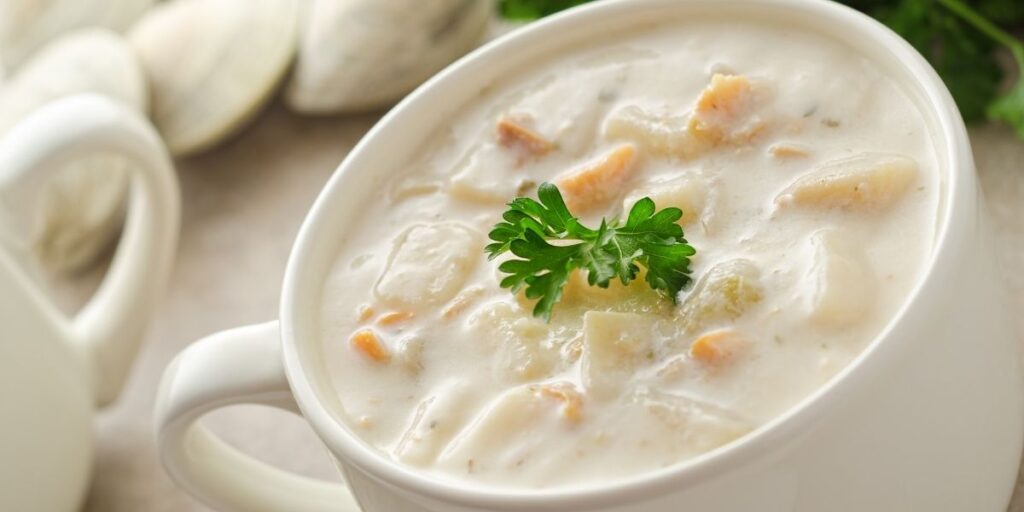
  • Use Yukon Gold potatoes instead of Russet for a naturally creamier texture
  • Add a small splash of dry white wine in the last hour for extra depth
  • Finish with a pat of butter stirred in just before serving
  • Serve with oyster crackers on the side — they're the classic accompaniment
Crockpot Clam Chicken Chowder With Parsley

Clam, Beef, and Chicken Variations

Adding a second protein turns this chowder into a more complete, filling meal. These combos are great for feeding a crowd or stretching a batch across multiple days.

  • Clam and beef: Add half a pound of diced beef chuck along with the vegetables. The long cook time makes it very tender. This version pairs especially well with a heartier broth base.
  • Clam and chicken: Use boneless chicken thighs — they hold up much better than breasts in a slow cooker. Shred the chicken before stirring in the cream at the end. Top with fresh parsley for a bright, colorful finish.
  • Add corn: A cup of frozen or canned sweet corn adds sweetness, color, and texture to any variation.

These heartier takes on the crock pot clam chowder recipe are also great for budget-friendly meal planning. For more ideas on eating well without overspending, check out our guide to cheap and easy healthy meals.

Manhattan Style

Manhattan-style chowder skips cream entirely and uses a tomato broth instead. It's lighter, tangier, and a solid option if you want something less rich or need a dairy-free version.

  • Replace heavy cream with one 14-oz can of diced tomatoes
  • Use low-sodium chicken broth in place of extra clam juice
  • Add 1 teaspoon of oregano and a pinch of red pepper flakes for extra flavor
  • Skip the flour roux — Manhattan-style chowder has a thinner, broth-based consistency by design

What People Get Wrong About Slow Cooker Clam Chowder

A few persistent myths about making clam chowder in a slow cooker lead cooks astray. Knowing the facts upfront can save you from a disappointing batch.

Myth: You Can Add Dairy Anytime

False. This is probably the single most common mistake. Cream, milk, and half-and-half break down under prolonged heat — they separate into a greasy, grainy mess that no amount of stirring will fix. The solution is simple: always add dairy in the last 30 minutes, never at the start.

  • Full-fat dairy (heavy cream) holds up better than low-fat milk under heat
  • Evaporated milk (canned concentrated milk) is a slightly more heat-stable option
  • Coconut cream works as a dairy-free alternative and adds a subtle sweetness to the broth

Myth: Fresh Clams Always Beat Canned

Not necessarily. Fresh clams have excellent flavor, but they require significantly more prep — scrubbing, steaming, shucking — and can turn tough and rubbery if they spend too long in a slow cooker. Canned clams are pre-cooked and only need to go in at the very end.
  • Canned clams: Convenient, consistent, much more forgiving in long-cook recipes
  • Fresh clams: Best for dishes where texture and freshness really shine, like steamed clams or quick pasta
  • For a crock pot clam chowder recipe, canned is the smarter choice for most home cooks
  • Always pour all the liquid from the can into the pot — that juice is loaded with flavor
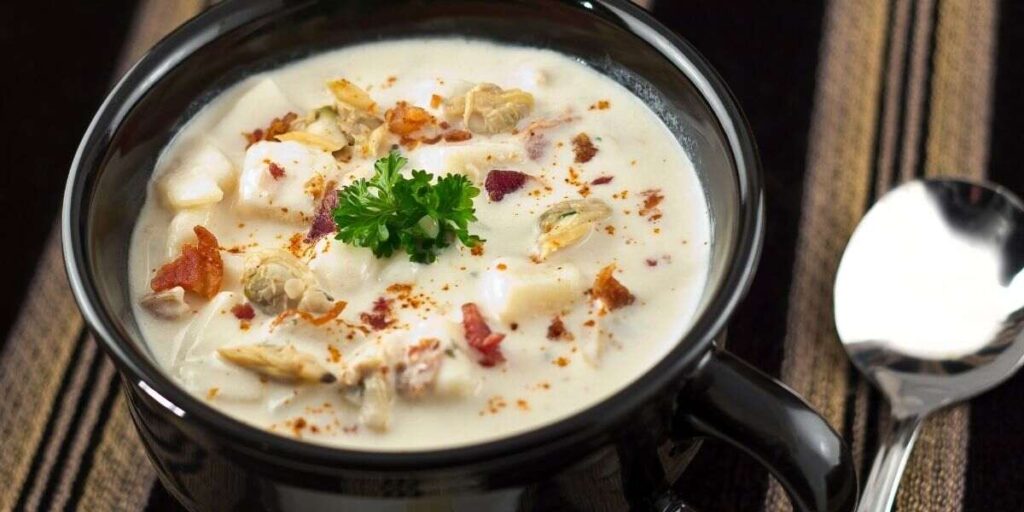
Slow-Cooker Clam Cheese Chicken Thyme Topped Chowder

Fixing Common Problems With Your Crock Pot Clam Chowder

Even with a solid recipe, things can go sideways. Here are the most common issues home cooks run into and how to fix them before you serve.

Chowder Is Too Thin

A watery chowder usually means not enough thickener, too much liquid, or a skipped roux. Here's how to rescue it:

  1. Cornstarch slurry: Mix 1 tablespoon of cornstarch with 2 tablespoons of cold water until smooth. Stir it into the chowder and cook on High with the lid off for 15–20 minutes.
  2. Flour paste: Same approach — whisk 1 tablespoon of flour with a tablespoon of softened butter, then stir into the pot.
  3. Mash some potatoes: Use a fork to crush a handful of the already-cooked potato chunks directly in the pot. This naturally thickens the broth without any extra ingredients.
  4. Cook uncovered: Remove the lid and cook on High for 20–30 minutes. Moisture evaporates and the chowder tightens up on its own.

If you find yourself frequently tweaking soups and stews, our cabbage soup recipe uses similar thickening principles in a simpler, lighter format that's good practice.

Chowder Is Too Salty or Bland

Slow cookers concentrate flavors over long cooking times, which makes seasoning tricky. Handle both extremes like this:

  • Too salty: Add a peeled raw potato to the pot and cook for another 20–30 minutes — it absorbs excess salt. Remove before serving. Alternatively, stir in more cream to dilute the saltiness.
  • Too bland: Add more clam juice, a dash of Worcestershire sauce, or a pinch of fresh thyme. A small squeeze of lemon brightens the entire dish without making it taste citrusy.
  • Prevention: Canned clam juice is already quite salty. Always taste before adding extra salt, and season at the very end — not the beginning.

Storing, Reheating, and Freezing Your Chowder

Clam chowder keeps well with the right storage approach. Making a big batch and storing it properly means you can enjoy it across several meals without any drop in quality.

Refrigerating Leftovers

  • Let the chowder cool to room temperature before refrigerating — but don't leave it out for more than 2 hours.
  • Store in airtight containers in the refrigerator for up to 3–4 days.
  • Reheat gently on the stovetop over low heat, stirring frequently. Avoid bringing it to a full boil — that can break the cream base.
  • Microwave reheating works too: use 60-second intervals and stir between each one to distribute heat evenly.

Freezing and Reheating

Dairy-based soups don't freeze as cleanly as broth-based ones — the cream can separate and cooked potatoes can turn grainy. That said, it's still doable with a smart approach.

  • Best method — freeze without dairy: Make the base (everything except the cream and clams), freeze that, then add fresh cream and clams when you reheat. This preserves the best texture.
  • If already fully made: Freeze in single-serving containers. Thaw overnight in the refrigerator, then reheat slowly on the stovetop over low heat. Stir well to recombine any separated fat.
  • Potatoes may soften further after freezing and thawing — this is normal and doesn't affect flavor.
  • Consume frozen chowder within 1–2 months for best quality.

If you're curious about how other creamy or starchy dishes hold up in the freezer, our post on freezing pasta covers a lot of the same principles that apply here.

Frequently Asked Questions

Can I use fresh clams instead of canned in a crock pot clam chowder recipe?

Yes, but it requires extra prep. Steam the fresh clams in a pot until they open, remove the meat, and strain the cooking liquid to use as your clam juice. Add the fresh clam meat in the final 15–20 minutes of slow cooking to prevent them from becoming rubbery. For most home cooks, canned clams are more forgiving and just as flavorful in a long-cook recipe.

Do I need to pre-cook anything before adding it to the slow cooker?

A few things benefit from a quick sauté first. The bacon should be cooked until crispy, and the onion, celery, and garlic should be softened in the drippings before being mixed with flour to form a roux. This builds a deeper flavor base and ensures the soup thickens properly. The potatoes and clam juice can go in raw. The clams and cream always go in at the very end.

How long can I keep crock pot clam chowder in the fridge?

Up to 3–4 days in an airtight container. Always reheat gently — use low heat on the stovetop or short microwave intervals, stirring in between. Avoid bringing it to a full boil, which can cause the cream to separate and change the texture.

Why does my clam chowder turn out watery every time?

The most common culprit is skipping the roux (flour cooked with butter or bacon fat) before adding liquids. Without it, there's nothing to thicken the broth. Adding too much liquid is the second most common cause. You can rescue a thin chowder by stirring in a cornstarch slurry — 1 tablespoon cornstarch mixed with 2 tablespoons cold water — then cooking uncovered on High for 15–20 minutes.

Can I make crock pot clam chowder dairy-free?

Yes. Full-fat coconut cream is the most reliable substitute for heavy cream — it keeps the texture rich and creamy with just a mild coconut undertone. Unsweetened oat milk or cashew cream also work, though they produce a slightly thinner result. Skip the flour roux and use a cornstarch slurry instead to keep it fully dairy-free.

Is it safe to leave crock pot clam chowder on the Warm setting for hours?

It's generally safe from a food-safety standpoint, but it's not ideal for quality. Extended time on Warm can cause the dairy to break down and the clams to toughen. Once the chowder finishes cooking, try to serve it within 1–2 hours. If you need to hold it longer, stir occasionally and add a small splash of cream if it starts to look separated.

Key Takeaways

  • A crock pot clam chowder recipe requires only about 20 minutes of hands-on prep — the slow cooker handles the rest over 6–8 hours on Low.
  • Always add cream and clams in the final 30 minutes of cooking to prevent curdling and rubbery texture.
  • Canned clams are the smarter choice for slow cooker chowder — they're forgiving, consistent, and full of ready-to-use briny liquid.
  • For the best freeze-and-reheat results, freeze the base without dairy and stir in fresh cream only when reheating.
Daisy Dao

About Daisy Dao

Daisy Dao grew up in Honolulu, Hawaii, where coastal living and access to fresh local ingredients shaped her approach to home cooking from an early age. She has spent years experimenting with seafood preparation, healthy cooking methods, and ingredient substitutions — developing hands-on familiarity with a wide range of kitchen tools, techniques, and produce. At BuyKitchenStuff, she covers healthy recipes, cooking techniques, and ingredient substitution guides.

Check for FREE Gifts. Or get our Free Cookbooks right now.

Disable the Ad Block to reveal all the recipes. Once done that, click on any button below