by Christopher Jones
What do you reach for when your recipe calls for broccoli but there's none in the fridge? Whether you're dealing with a picky eater, a food sensitivity, or simply an empty produce drawer, knowing the best broccoli substitute vegetables can save your meal without sacrificing taste or nutrition. The good news is that several common vegetables match — and sometimes exceed — broccoli's flavor profile and nutrient density. In this guide, you'll find eleven reliable alternatives, complete with tips on when and how to use each one in your favorite vegetable dishes.
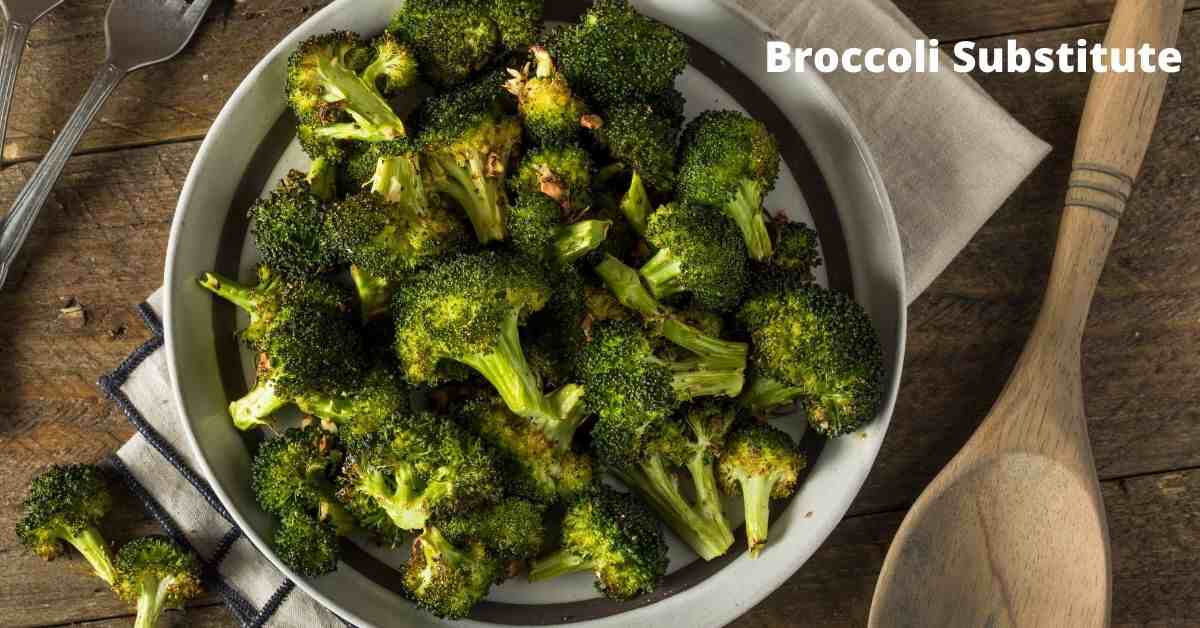
Broccoli belongs to the Brassica family — the same group that includes cauliflower, kale, Brussels sprouts, and cabbage. That family connection is your secret weapon. Many of these relatives share similar flavors, textures, and nutritional profiles, making them near-perfect stand-ins. But you're not limited to just cruciferous vegetables. Options like asparagus, green beans, and spinach can also fill the gap depending on the dish you're preparing.
Below you'll find a deep dive into each substitute, organized so you can quickly find exactly what works for your situation.
Contents
If you're staring at an empty crisper drawer and need a quick fix, these three vegetables are your safest bets. They're widely available, affordable, and require almost no adjustment to your cooking method.
Cauliflower is the closest relative to broccoli and the most intuitive substitute. It has a similar floret structure, nearly identical cooking times, and a mild flavor that absorbs seasonings well. You can swap it in at a 1:1 ratio in virtually any recipe.
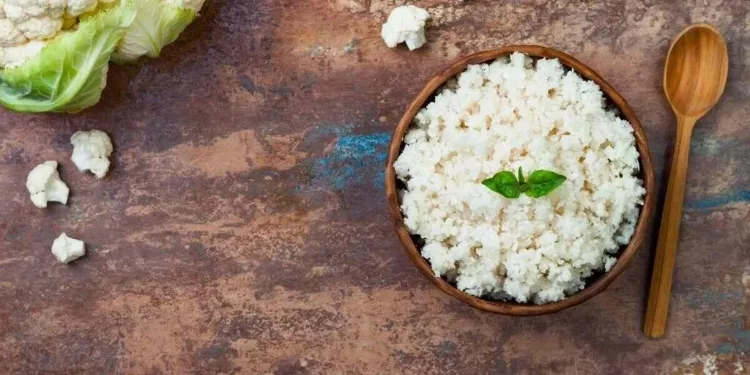
Where cauliflower falls slightly short is in the vitamin department — it has less vitamin C and vitamin A than broccoli. But it makes up for that with a more neutral taste that works in dishes where broccoli's stronger flavor might clash.
Kale is a nutritional powerhouse that actually surpasses broccoli in several categories, including vitamin K, vitamin A, and calcium. It has a stronger, more earthy flavor, so it won't be invisible in your dish — but that's often a good thing.
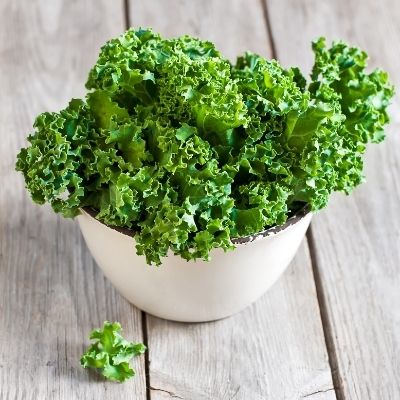
Use roughly the same volume of chopped kale as you would broccoli florets. Remove the tough center ribs first — they're fibrous and bitter. If you're new to cooking with leafy greens, you might also enjoy our guide to substitutes for parsley, which covers similar swap logic for herbs.
Think of Brussels sprouts as tiny cabbages with a flavor profile that sits right between broccoli and cabbage. They roast beautifully, hold up in stir-fries, and deliver a solid dose of fiber and vitamin C. Halve or quarter them so they cook at the same rate as broccoli florets.
Pro tip: If Brussels sprouts taste too bitter for you, toss them with a drizzle of honey or balsamic vinegar before roasting. The sweetness balances out the bitterness completely.
Not every substitute works in every situation. The right choice depends on two things: what role broccoli plays in your recipe and what nutrients you're trying to preserve.
Broccoli brings a mild, slightly bitter flavor and a firm-yet-tender texture when cooked properly. Here's how to think about matching those qualities:
If the dish relies on broccoli's crunch — like a raw salad or crudité platter — your best options are raw cauliflower, snap peas, or thinly sliced cabbage. Leafy greens won't give you that same bite.
According to the USDA FoodData Central database, broccoli delivers roughly 89 mg of vitamin C, 623 IU of vitamin A, and 2.6 g of fiber per 100 g raw serving. If you're swapping broccoli for nutritional reasons — say, to hit a vitamin target — here's how the top substitutes stack up:
Swapping vegetables sounds simple, but there are situations where a substitute shines and others where it falls flat. Knowing the difference saves you from a disappointing meal.
You'll get the best results when broccoli is one ingredient among many. Casseroles, stir-fries, soups, pasta dishes, and sheet-pan dinners are all forgiving. The other flavors in the dish mask small differences in taste and texture.
Substitutes also work well when you're accommodating dietary restrictions. Some people find broccoli difficult to digest due to its high raffinose content — a complex sugar that produces gas. In that case, green beans or zucchini are gentler alternatives that still add color and nutrients. If you're curious about how certain foods interact with skin conditions, our article on which foods cause eczema covers that topic in detail.
If broccoli is the star of the dish — think broccoli cheddar soup or broccoli beef — a substitute will change the entire character of the recipe. You'll still get a tasty meal, but it won't be the same dish. In these cases, frozen broccoli is a better fallback than a different vegetable entirely.
Heads up: Frozen broccoli works in cooked dishes but turns mushy when thawed for salads. Keep a bag in your freezer as an emergency backup for soups and casseroles only.
The way you cook a substitute matters just as much as which one you pick. Different vegetables respond to heat differently, so a small adjustment to your technique can make or break the swap.
Most broccoli substitutes benefit from high-heat cooking. Roasting at 425°F brings out natural sweetness in cauliflower, Brussels sprouts, and asparagus. Here's what to keep in mind:
For sautéing, leafy substitutes like kale and spinach cook much faster than broccoli. Spinach wilts in under two minutes, while kale needs about five. Reduce your cook time accordingly or add them later in the process.
Steaming preserves the most nutrients, which is the whole point if you're swapping for health reasons. A bamboo steamer works beautifully here — it gives you gentle, even heat without waterlogging your vegetables.
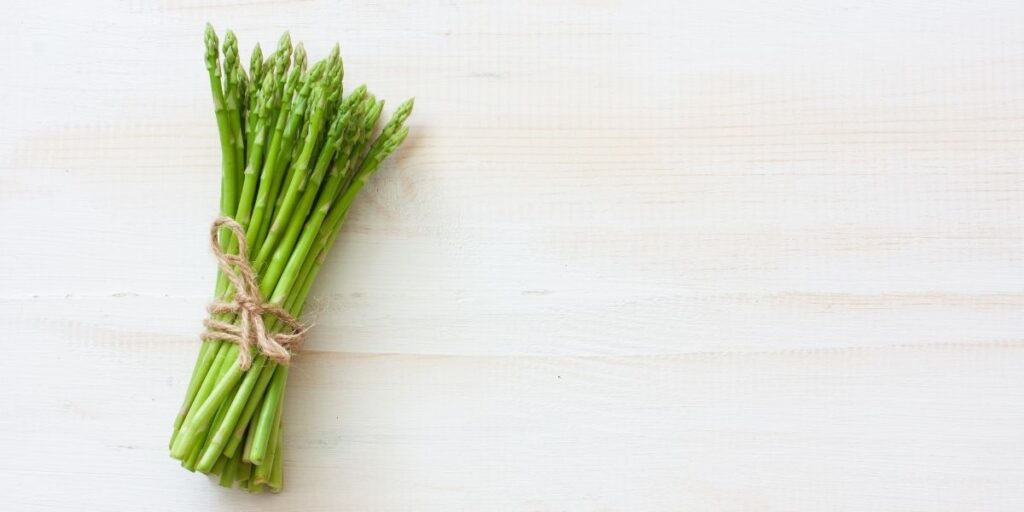
Steam times vary quite a bit between substitutes:
Blanching — a quick dip in boiling water followed by an ice bath — is ideal when you want to preserve color and crunch for salads or meal prep. Blanch for one to two minutes less than you would broccoli, since most substitutes are less dense.
Your choice of substitute should follow the recipe, not the other way around. Here's a quick breakdown of which vegetables shine in specific cooking contexts.
High-heat, fast-cooking dishes need vegetables that can handle the wok without turning to mush. Your top picks here are:
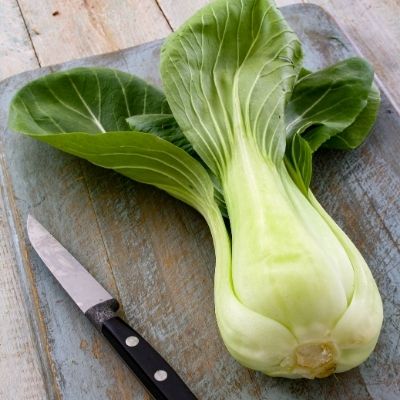
Bok choy deserves special mention. It's one of the most underrated broccoli substitutes for Asian-inspired cooking. The white stems stay crunchy while the green leaves wilt just enough to soak up sauce.
In soups and casseroles, texture matters less because everything softens during long cooking. This opens the door to substitutes you might not consider otherwise:
For casseroles specifically, cauliflower is the undisputed winner. It bakes, gratins, and browns exactly like broccoli would.
Raw broccoli adds crunch and mild bitterness to salads. To replicate that, reach for finely shredded cabbage, raw cauliflower florets, or thinly sliced snap peas. All three hold dressing well without wilting quickly.
Quick tip: Massage raw kale with a squeeze of lemon juice and a pinch of salt for 60 seconds. This breaks down the tough fibers and removes bitterness, making it a surprisingly good raw broccoli stand-in.
Budget matters, especially if you're feeding a family. Not all substitutes cost the same, and seasonal availability affects both price and quality. Here's a general comparison based on average U.S. grocery prices:
| Vegetable | Avg. Price (per lb) | Peak Season | Year-Round? | Budget Rating |
|---|---|---|---|---|
| Broccoli | $1.50–$2.00 | Fall–Spring | Yes | ⭐⭐⭐⭐ |
| Cauliflower | $1.50–$2.50 | Fall | Yes | ⭐⭐⭐⭐ |
| Kale | $1.50–$2.00 | Fall–Winter | Yes | ⭐⭐⭐⭐ |
| Brussels Sprouts | $2.50–$3.50 | Fall–Winter | Yes | ⭐⭐⭐ |
| Asparagus | $3.00–$5.00 | Spring | Mostly | ⭐⭐ |
| Bok Choy | $1.50–$2.50 | Fall–Spring | Yes | ⭐⭐⭐⭐ |
| Green Beans | $1.50–$2.50 | Summer | Yes | ⭐⭐⭐⭐ |
| Spinach | $2.00–$3.00 | Spring–Fall | Yes | ⭐⭐⭐ |
| Zucchini | $1.00–$1.50 | Summer | Yes | ⭐⭐⭐⭐⭐ |
| Broccolini | $3.50–$5.00 | Fall–Spring | Limited | ⭐⭐ |
| Cabbage | $0.50–$1.00 | Fall–Winter | Yes | ⭐⭐⭐⭐⭐ |
A few things stand out from this table. Cabbage and zucchini are the most budget-friendly options — both cost significantly less than broccoli per pound. On the other end, asparagus and broccolini are premium choices that can double or triple your ingredient cost.
Frozen versions of most of these vegetables are available at even lower prices. Frozen cauliflower, green beans, and spinach are particularly good values and work just fine in cooked dishes. Buying frozen also eliminates the seasonal availability issue entirely.
If you're meal prepping on a budget, mixing two affordable substitutes — like cabbage and green beans — can give you the volume and variety you need without spending more than you would on broccoli itself.
Let's put the numbers side by side. This comparison uses raw values per 100 g serving so you can see exactly how the best broccoli substitute vegetables compare on the metrics that matter most.
| Nutrient | Broccoli | Cauliflower | Kale | Brussels Sprouts | Asparagus | Spinach |
|---|---|---|---|---|---|---|
| Calories | 34 | 25 | 49 | 43 | 20 | 23 |
| Protein (g) | 2.8 | 1.9 | 4.3 | 3.4 | 2.2 | 2.9 |
| Fiber (g) | 2.6 | 2.0 | 3.6 | 3.8 | 2.1 | 2.2 |
| Vitamin C (mg) | 89 | 48 | 120 | 85 | 5.6 | 28 |
| Vitamin A (IU) | 623 | 0 | 9,990 | 754 | 756 | 9,377 |
| Vitamin K (mcg) | 102 | 15.5 | 704 | 177 | 41.6 | 483 |
| Calcium (mg) | 47 | 22 | 150 | 42 | 24 | 99 |
| Iron (mg) | 0.7 | 0.4 | 1.5 | 1.4 | 2.1 | 2.7 |
The data reveals some clear winners. Kale dominates in almost every category — it has more protein, fiber, vitamin C, vitamin A, vitamin K, calcium, and iron than broccoli. If pure nutrition is your goal, kale is the upgrade, not just a substitute.
Brussels sprouts come the closest to broccoli's overall profile. They nearly match it in vitamin C and fiber while offering more vitamin K and slightly more protein. Cauliflower, despite being the easiest swap, is the weakest nutritionally — lower in nearly every metric.
Spinach is the iron champion with 2.7 mg per serving — almost four times what broccoli provides. It's also packed with vitamin A. However, spinach contains oxalates that can reduce calcium absorption, so it's not ideal if you're specifically seeking a calcium source.
Asparagus is the lowest-calorie option at just 20 calories per 100 g, making it a solid choice if you're watching your intake. It's relatively low in vitamins A and C compared to broccoli, but it's an excellent source of folate — a nutrient not shown in the table but important for cell growth.
Cauliflower is the closest match. It shares the same family, has a similar floret structure, and cooks almost identically. Broccolini is even closer — it's actually a hybrid of broccoli and Chinese broccoli — but it's less commonly available and more expensive.
Yes, frozen cauliflower, green beans, and spinach all work well in cooked dishes like soups, casseroles, and stir-fries. Avoid using frozen vegetables in raw salads since the thawing process makes them soft and watery.
Kale leads with 4.3 g of protein per 100 g raw serving, followed by Brussels sprouts at 3.4 g. Both exceed broccoli's 2.8 g. For even higher protein, you could pair any substitute with a legume like edamame or chickpeas.
No. Broccolini is a hybrid vegetable created by crossing broccoli with Chinese broccoli (gai lan). It has longer, thinner stems, smaller florets, and a slightly sweeter, more delicate flavor. It cooks faster than regular broccoli.
Bok choy, asparagus, and snap peas are your best options for stir-fries. They all handle high heat well, cook quickly, and absorb sauces effectively. Cut asparagus into 2-inch pieces for the best texture match.
It depends on the specific sensitivity. If you react to goitrogens or raffinose found in cruciferous vegetables, you should avoid cauliflower, kale, and Brussels sprouts since they contain the same compounds. Green beans, asparagus, and zucchini are non-cruciferous alternatives that are generally well tolerated.
Most broccoli substitutes last 5–7 days in the refrigerator when stored in a loosely sealed bag or container. Kale and spinach stay freshest when wrapped in a dry paper towel inside a bag. Brussels sprouts and cauliflower should stay unwashed until you're ready to use them.
 |
 |
 |
 |

About Christopher Jones
Christopher Jones holds an MBA from the University of San Francisco and brings a business-minded approach to kitchen gear evaluation — assessing products not just for performance but for long-term value, build quality, and real-world usability in everyday home cooking. He has spent years testing appliances, cookware, and kitchen gadgets with the same analytical rigor he developed in business school. At BuyKitchenStuff, he covers kitchen appliance reviews, buying guides, and practical cooking tips.
Check for FREE Gifts. Or get our Free Cookbooks right now.
Disable the Ad Block to reveal all the recipes. Once done that, click on any button below
|
|
|
|
