by Christopher Jones
If you're shopping for a cast iron Dutch oven that won't destroy your budget, Lodge is the brand you need to know. A thorough Lodge Dutch oven comparison reveals a lineup that covers everything from campfire cooking to weeknight braises — all at a fraction of what European brands charge. Whether you're eyeing the classic bare cast iron or Lodge's newer enameled line, understanding the differences between models saves you from buying the wrong pot. As someone who regularly tests cookware across price points, I can tell you Lodge punches well above its weight class.
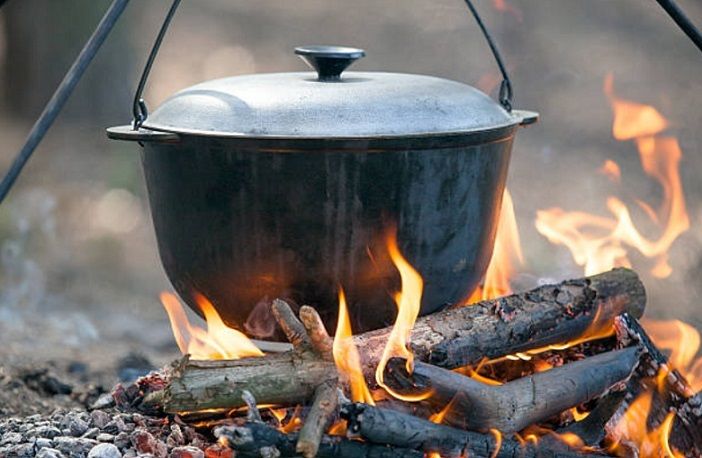
Lodge has been casting iron in South Pittsburg, Tennessee since 1896. That's over a century of refinement on a product that, frankly, hasn't needed to change much. Cast iron Dutch ovens are simple by design — a heavy pot with a tight-fitting lid that traps heat and moisture. What separates a good one from a great one comes down to fit, finish, heat distribution, and how the piece ages with use.
This guide breaks down every Lodge Dutch oven model worth considering, compares bare cast iron against enameled options, walks you through seasoning and care, and helps you pick the exact size and style for your kitchen. If you've been slow-cooking dishes like pork belly burnt ends in subpar pots, you're about to level up.
Contents
Lodge sells more Dutch oven variations than most people realize. A proper Lodge Dutch oven comparison needs to account for material finish, size, lid style, and intended use. Here's what's currently available and how each model stacks up.
The most important decision you'll make is choosing between Lodge's traditional bare cast iron and their enameled line. Bare cast iron is tougher, cheaper, and improves with age. The seasoning builds up over months and years of cooking, creating a naturally nonstick surface that no factory coating can replicate. It handles campfires, broilers, and extreme heat without complaint.
Lodge's enameled Dutch ovens coat the same cast iron body with a porcelain enamel layer. You get easier cleanup, no seasoning required, and the ability to cook acidic foods — tomato sauces, wine-based braises, citrus marinades — without worrying about stripping your seasoning or getting a metallic taste. The tradeoff is a higher price tag, a surface that can chip if you're rough with it, and a lower maximum heat tolerance.
| Feature | Lodge Bare Cast Iron | Lodge Enameled |
|---|---|---|
| Price (6 qt) | $65–$80 | $80–$110 |
| Max Oven Temp | No practical limit | 500°F |
| Seasoning Required | Yes (pre-seasoned from factory) | No |
| Acidic Foods | Limited use | Fully safe |
| Campfire/Grill Use | Excellent | Not recommended |
| Weight (6 qt) | ~14 lbs | ~15 lbs |
| Color Options | Black only | Multiple colors |
| Longevity | Generations (100+ years) | 15–30 years with care |
Lodge offers Dutch ovens from 1 quart up to 14 quarts. For most home cooks, the 6-quart is the sweet spot — big enough for a whole chicken or a generous batch of chili, small enough to maneuver in and out of your oven without a workout. The 5-quart works well for couples. If you regularly feed six or more people, or you like batch-cooking pasta sauces on weekends, jump to the 7.5-quart.
The Camp Dutch Oven line adds legs for sitting over coals and a flanged lid for stacking charcoal on top. Don't buy a camp model for indoor use — those legs won't sit flat on your stovetop.
If you've never owned a Dutch oven, start with the Lodge 6-quart enameled model. I know purists will push bare cast iron, but here's the reality: beginners who have to learn seasoning maintenance on top of Dutch oven cooking technique often get frustrated and stop using the pot. The enameled version removes that barrier entirely. Cook whatever you want, clean it with soap and water, put it away.
You'll spend roughly $80–$100 depending on the color. That's still a fraction of a Le Creuset, and the cooking performance is remarkably close. Once you're comfortable with braising, baking bread, and making stews, you can add a bare cast iron model for higher-heat work and outdoor cooking.
If you already own decent cookware and understand heat control, go straight to the bare cast iron. The Lodge L8DOL3 (5-quart) or the L10DOL3 (7-quart) are workhorses. You'll appreciate the pre-seasoned surface Lodge ships these with — it's functional out of the box, though it'll get significantly better after 20 or 30 uses.
Pro tip: Your first three or four cooks in a new bare cast iron Dutch oven should be high-fat dishes — fry chicken, make bacon-heavy stews, or bake cornbread with plenty of butter. This accelerates the seasoning buildup dramatically.
Experienced cooks should also consider owning both types. Use the enameled for acidic braises and the bare iron for bread baking, deep frying, and anything over live fire. Two Lodge Dutch ovens still cost less than a single premium European brand.
Lodge ships bare cast iron with a factory seasoning, but building additional layers gives you better food release and rust protection. Here's the process.
Wash the Dutch oven with warm soapy water. This is the one time soap is encouraged on new cast iron — you're removing any manufacturing residue. Dry it completely, then place it in a 200°F oven for ten minutes to ensure all moisture evaporates. Remove it, apply a thin coat of flaxseed oil or vegetable shortening to every surface — inside, outside, lid, handle, all of it. Wipe off the excess until it looks almost dry. Too much oil creates a sticky, uneven finish.
Place the Dutch oven upside down in a 450°F oven with a sheet of foil on the rack below to catch drips. Bake for one hour, then turn off the oven and let it cool completely inside. Repeat this two or three times for a solid starting layer. The whole process takes an afternoon, and you won't need to do it again unless you strip the piece down for restoration.
After cooking, let the Dutch oven cool slightly — never hit hot cast iron with cold water. Scrub with hot water and a stiff brush or chain mail scrubber. For stubborn stuck-on food, simmer some water in the pot for a few minutes to loosen it. Dry immediately and thoroughly. Apply a whisper-thin coat of cooking oil while the pot is still warm. Store with the lid slightly ajar or with a paper towel between the lid and pot to allow air circulation.
If you spot rust, don't panic. Scrub the rust away with steel wool, wash, dry, and re-season following the oven method above. Cast iron is nearly indestructible — even neglected cast iron cookware can be restored from severe rust with some effort.
The biggest mistake people make with Dutch ovens is using too much heat. Cast iron holds heat exceptionally well, which means medium-low on your stove is usually plenty for searing and sautéing. If you're cranking the burner to high, you're likely burning the fond and overheating the oil before you even add food.
Preheat your Dutch oven gradually. Give it five to seven minutes on medium heat before adding oil. This allows the entire mass of iron to come up to temperature evenly, which eliminates hot spots. Once it's properly heated, you can reduce the burner further and the thermal mass will maintain consistent cooking temperatures.
For oven use, drop your recipe temperature by about 25°F compared to what you'd use with lighter cookware. The heavy iron retains and radiates heat more efficiently, so what works in a thin stainless pot will run slightly hot in cast iron.
Your Lodge Dutch oven replaces multiple pieces of cookware if you use it right. Brown meat on the stovetop, deglaze, add your braising liquid, and transfer the same pot directly to the oven — no extra dishes. This one-pot method works brilliantly for stews, short ribs, pot roast, and bean dishes.
Bread baking in a Dutch oven produces bakery-quality results at home. The enclosed environment traps steam from the dough, giving you a crisp, blistered crust you can't achieve on a flat baking sheet. Preheat the Dutch oven empty at 450°F, drop your dough in, cover, and bake for 30 minutes lidded, then 15 minutes uncovered. The results will genuinely surprise you.
Dutch ovens also excel at deep frying. The heavy walls maintain oil temperature far better than thin pots, so you get consistent results when frying chicken, donuts, or anything battered. If you enjoy fried appetizers, this same heat stability applies to dishes like mac and cheese balls — though you'll get a different texture deep-frying versus air-frying.
Price is Lodge's most obvious advantage. You can own two Lodge Dutch ovens — one bare, one enameled — for the cost of a single entry-level Le Creuset. The performance gap does not justify a 3x to 5x price difference for most home cooks. Lodge's cast iron comes from the same American foundry that's been operating for over 125 years, and the quality is consistent.
Lodge also wins on durability for bare cast iron. There's no enamel to chip, no coating to scratch. The pot literally gets better the more you use it. Hand one down to your grandkids and it'll still cook perfectly. The company's warranty backs the product, but you'll rarely need it.
Weight distribution is solid. Lodge Dutch ovens have thick, even walls that promote uniform heat. The lids fit snugly enough to retain moisture during long braises. The self-basting bumps on the underside of enameled lids continuously drip condensation back onto your food.
Fit and finish on Lodge enameled models doesn't match European competitors. You may notice minor imperfections in the enamel coating, slightly rough spots on the rim, or color variations between batches. These cosmetic issues don't affect cooking performance, but if aesthetics matter to you for tabletop serving, the premium brands do look nicer.
The bare cast iron line requires maintenance that some cooks find tedious. If you're the type who wants to toss your pot in the dishwasher after dinner, bare cast iron isn't for you — and the enameled line, while easier, still shouldn't go in the dishwasher regularly despite some claims.
Lodge Dutch ovens are heavy. A 6-quart bare iron pot weighs about 14 pounds empty. Add four pounds of beef stew and you're maneuvering nearly 20 pounds in and out of a hot oven. If you have wrist or grip strength concerns, consider the 4 or 5-quart size, or look into lighter alternatives like budget-friendly cooking strategies that work with equipment you already own.
For cooking performance, Lodge gets you about 90% of the way there at 20–30% of the price. Le Creuset has superior enamel quality, more color options, and better resale value. But the food coming out of both pots tastes the same. Lodge is the smarter buy for most home cooks.
The 6-quart is the most versatile. It handles everything from a loaf of bread to a 4-pound roast to a big batch of soup. Start there and add sizes later if your cooking demands it.
Yes, but be careful. Cast iron can scratch glass surfaces. Lift the pot rather than sliding it, and set it down gently. The weight of a Dutch oven won't crack a modern glass cooktop under normal use.
No. The enamel coating is nonreactive and doesn't require seasoning. Just wash with warm soapy water after each use. Only bare cast iron needs seasoning maintenance.
Bare cast iron Lodge Dutch ovens handle campfires without any issues — that's exactly what they were designed for. Do not use enameled models over open flame, as extreme or uneven heat can crack the enamel coating.
This happens when you cook acidic foods like tomatoes, wine-based sauces, or citrus in bare cast iron. The acid strips the seasoning and reacts with the iron. Either switch to the enameled model for acidic recipes or build up a thicker seasoning layer over time.
Scrub the rusted area with fine steel wool and warm water until the rust is gone. Wash, dry completely, and re-season using the oven method — coat with oil, bake at 450°F upside down for an hour. One round usually restores it.
It is. They're fundamentally different tools despite looking similar. Bare iron is better for high-heat searing, bread baking, and outdoor cooking. Enameled is better for acidic dishes, easier maintenance, and tabletop presentation. Owning one of each covers every scenario.
 |
 |
 |
 |

About Christopher Jones
Christopher Jones holds an MBA from the University of San Francisco and brings a business-minded approach to kitchen gear evaluation — assessing products not just for performance but for long-term value, build quality, and real-world usability in everyday home cooking. He has spent years testing appliances, cookware, and kitchen gadgets with the same analytical rigor he developed in business school. At BuyKitchenStuff, he covers kitchen appliance reviews, buying guides, and practical cooking tips.
Check for FREE Gifts. Or get our Free Cookbooks right now.
Disable the Ad Block to reveal all the recipes. Once done that, click on any button below
|
|
|
|
