by Daisy Dao
Turmeric shows up in more than 500 documented spice blends worldwide — yet it's one of the most frequently missing items when you open the spice cabinet mid-recipe. If you've ever found yourself searching for the best turmeric substitutes at the last minute, you're in very good company. Whether you need that earthy, mildly bitter warmth, the bold golden-yellow color, or both, there are reliable stand-ins already in your kitchen. This guide covers five that consistently deliver results, with exact ratios and clear guidance on when to reach for each one. For more ingredient swaps and recipe tips, browse the full cooking guides section.

Turmeric belongs to the ginger family and does two distinct jobs in a recipe: it contributes a mildly bitter, earthy flavor and gives dishes that unmistakable golden-yellow hue through its active pigment, curcumin. When you're out of it, you need to decide upfront which of those two roles matters most. Color-focused dishes — rice, soups, roasted vegetables — demand one kind of substitute. Flavor-forward dishes — curries, stews, spice rubs — call for another. Get that clear before you start swapping.
According to Wikipedia's entry on turmeric, curcumin is the polyphenol responsible for its vivid pigmentation. That distinction matters: not every substitute replicates the color, so you may need to pair two options for the full effect. The five substitutes below are practical, widely available, and proven in real kitchen use.
Contents
Curry powder is the most effective all-around substitute because it already contains turmeric as a primary ingredient. It simultaneously addresses both flavor and color. The trade-off is that it brings a cluster of additional spices — coriander, cumin, mustard, chili — so the overall flavor profile shifts slightly toward a broader, more complex blend.
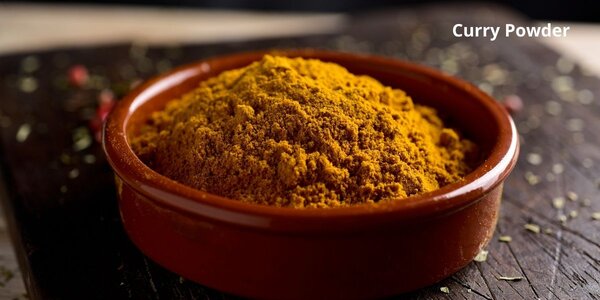
If you're cooking Indian-style dishes low and slow in a stainless steel pressure cooker, curry powder integrates especially well. The extended cooking time melds all the spice notes together so nothing stands out awkwardly.
Ginger shares a botanical family with turmeric and delivers a similar earthy warmth — with a sharper, more peppery edge. It won't replicate the golden color, but it handles the flavor dimension with confidence. Both fresh and ground ginger work here.
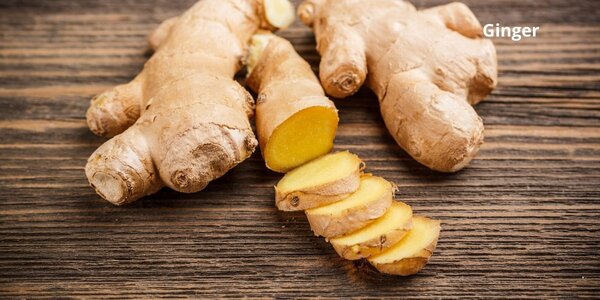
If you regularly blend turmeric into drinks or weight loss smoothies, ginger is your easiest drop-in replacement. The flavor profile is close enough in a blended drink that most people won't notice any difference at all.
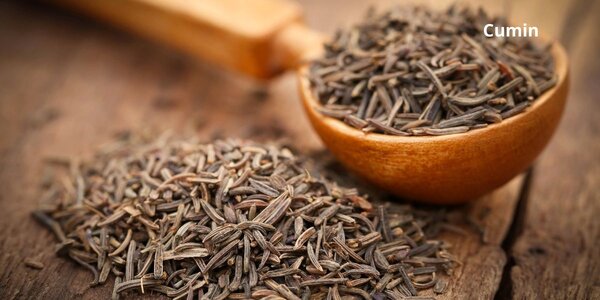
Cumin delivers real earthiness and savory depth without much color. It's the right call when you care more about turmeric's warm, slightly bitter undertone than its visual impact. Think spice rubs, bean dishes, and roasted proteins.
Saffron is the best substitute when color is your primary concern. It produces a striking golden-yellow hue that closely mirrors turmeric's visual signature. The flavor is floral and delicate — distinct from turmeric, but not in a disruptive way. The only downside is cost. Use it when the dish justifies the expense: paella, risotto, saffron rice.
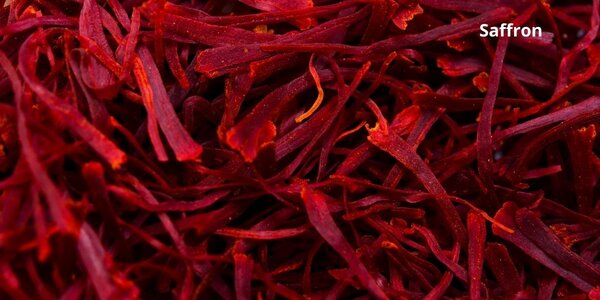
Always dissolve saffron in warm water for 10 minutes before adding it to a recipe — this releases the maximum color and flavor compounds from the threads.
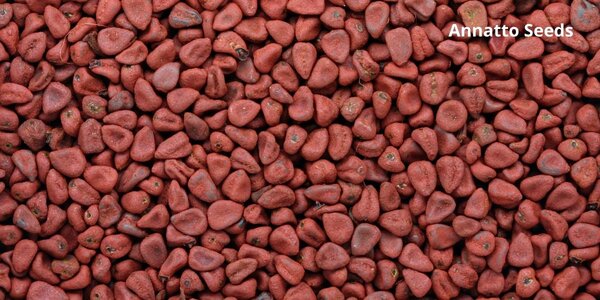
Annatto seeds — called achiote in Latin American cooking — are a powerhouse for color. They produce a vivid orange-red hue and carry a mild, slightly nutty, peppery flavor. If color is the goal and saffron's price tag is off the table, annatto is the move.
Getting the amount right is just as important as choosing the right substitute. The golden rule: start at the lower end and adjust. You can always add more — you can't take it back.
For recipes cooked in a high-quality pot and pan set, using a heavy-bottomed pan when blooming spices makes a real difference — it distributes heat evenly and prevents scorching, which turns any spice bitter.
Know what you're solving for before you start. Here's a clean breakdown:
| Substitute | Color Match | Flavor Match | Best Ratio | Top Use Case |
|---|---|---|---|---|
| Curry Powder | Good | Excellent | 1:1 | Curries, soups, rice |
| Ginger | None | Good | 1:1 (start lower) | Smoothies, stir-fries, marinades |
| Cumin | Minimal | Good | ½:1 | Meat rubs, roasted vegetables, chili |
| Saffron | Excellent | Distinct/Floral | Pinch steeped in water | Rice, paella, risotto |
| Annatto Seeds | Excellent (orange-red) | Mild | ¼:1 | Stews, rice, sauces |
The most common mistake is treating every substitute as a 1:1 replacement. That works for curry powder and ginger — but not for cumin, saffron, or annatto. Those three are significantly more concentrated or have distinctly different flavor signatures.
Measure precisely on your first attempt. Once you see how a substitute behaves in a specific dish, you can start adjusting by feel with confidence.
Many home cooks focus exclusively on flavor when substituting, then are caught off guard by the visual result. If you swap turmeric for ginger in a golden curry and wonder why it looks washed out, this is why.
Testing small batches first is always smart. A single-serve blender makes it easy to test spiced sauces, drinks, and dressings before committing to a full batch — especially useful when you're working with an unfamiliar substitute for the first time.
Both turmeric and annatto stain aggressively. Use stain-resistant tools — glass bowls, dark cutting boards, silicone spatulas. If you've already stained a surface or container, a paste of baking soda and dish soap applied immediately clears most stains before they set permanently.
Every substitute has clear strengths and real limitations. Here's an honest breakdown:
Sometimes a single substitute isn't enough to cover both dimensions. In those cases, pairing a flavor substitute with a color substitute gives you the most complete result. These combinations work reliably:
If you cook spiced dishes regularly — stews, braises, slow curries — getting the spice-blooming step right matters. A quality stovetop grill pan with even heat distribution helps you coax the maximum flavor out of spices right at the start of the cooking process, whether you're using turmeric or any of these substitutes.
Curry powder is the closest substitute for turmeric in curry. It already contains turmeric and replicates both the flavor and color at a 1:1 ratio. It brings additional spice complexity, but in a curry that added depth typically enhances rather than disrupts the dish.
Yes, ginger is a reliable flavor substitute for turmeric. Both belong to the same botanical family and share an earthy, warming quality. Use a 1:1 ratio but start at half the amount if you're sensitive to heat. Keep in mind that ginger contributes no golden color, so your dish will look different.
Saffron and annatto seeds are the best substitutes for turmeric's color in rice. Dissolve a pinch of saffron in warm water and stir it in during cooking for a true golden hue. Annatto seeds infused in oil — or ¼ teaspoon of ground annatto — produce a vivid orange-yellow that works well in most rice dishes.
Cumin is a good substitute for turmeric's earthy, savory flavor — but only at half the quantity. Use ½ teaspoon of cumin per 1 teaspoon of turmeric. It doesn't replicate any color, so pair it with annatto or saffron if you need visual impact as well.
Paprika can work in a pinch for color, giving dishes a warm reddish-orange tone. It doesn't replicate turmeric's bitter, earthy flavor at all. If you use it for color, pair it with cumin or ginger to compensate for the missing flavor dimension. Start with ¼ teaspoon of paprika and adjust from there.
Yes, it does. The primary health-associated compound in turmeric is curcumin, which is not present in most substitutes. Ginger has its own beneficial compounds, and saffron contains antioxidants — but none of the five substitutes replicate turmeric's curcumin content. If you're using turmeric specifically for its health properties, there's no true equivalent substitute.
The best turmeric substitute isn't the one that tastes the most like turmeric — it's the one that understands what your specific dish actually needs.
 |
 |
 |
 |

About Daisy Dao
Daisy Dao grew up in Honolulu, Hawaii, where coastal living and access to fresh local ingredients shaped her approach to home cooking from an early age. She has spent years experimenting with seafood preparation, healthy cooking methods, and ingredient substitutions — developing hands-on familiarity with a wide range of kitchen tools, techniques, and produce. At BuyKitchenStuff, she covers healthy recipes, cooking techniques, and ingredient substitution guides.
Check for FREE Gifts. Or get our Free Cookbooks right now.
Disable the Ad Block to reveal all the recipes. Once done that, click on any button below
|
|
|
|
