by Christopher Jones
Ever wondered why so many home cooks and professional chefs carry a dedicated bag for their kitchen gear? The practical uses of kitchen backpack go far beyond simple storage. From transporting knives safely to organizing meal prep supplies for outdoor cooking, a well-chosen kitchen backpack solves problems most people don't realize they have. Our team has tested dozens of options, and we're convinced this is one of the most underrated tools in any cook's arsenal.
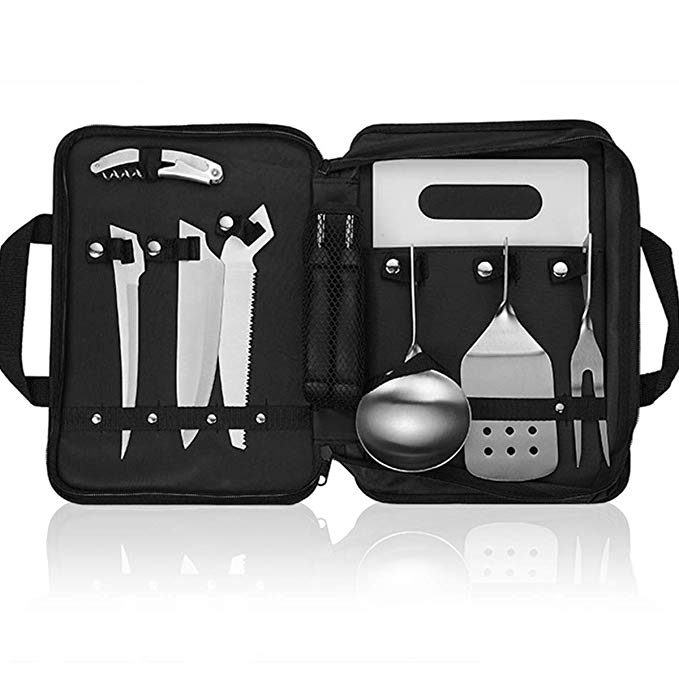
A kitchen backpack differs from a standard daypack in a few critical ways. It features padded knife compartments, insulated pockets, and rigid dividers that protect fragile items like thermometers and peelers. Most models also include water-resistant lining — essential when carrying sauces, marinades, or anything that might leak.
We've put together this guide to cover every angle: the best uses, packing strategies, maintenance, and what to budget. Whether someone is a culinary student, a weekend griller, or a private chef on the move, there's a lot to gain from the right kitchen backpack.
Contents
Not everyone needs a kitchen backpack. But for anyone who regularly transports cooking gear, the benefits are hard to ignore. Our team has compared backpacks to knife rolls, tote bags, and toolboxes — and the backpack wins in most scenarios.
Overall, the pros vastly outweigh the cons for anyone who moves kitchen gear regularly. A dedicated knife roll works fine at home, but having the right knives means nothing if they get damaged in transit.
A good kitchen backpack holds more than knives. Our team packs these items on a typical day.
Pro tip: Always wrap knife blades in blade guards or magnetic sheaths before placing them in any backpack — even models with built-in slots. Our team has seen too many cut linings from loose blades.
The key is selecting a backpack with dedicated compartments for each category. Loose items shift during travel and create both safety hazards and damage risks.
Here's where things get interesting. These five practical uses of kitchen backpack ownership cover the most common real-world scenarios our team encounters.
Line cooks and sous chefs carry their own knives daily. A backpack beats a knife roll for commuters because it distributes weight evenly across both shoulders. It also leaves hands free for subway handles, bike grips, or car doors. Most professionals we've spoken with switched from rolls to backpacks within their first year on the job.
Grilling at a park or tailgate demands portable gear. A kitchen backpack keeps tongs, thermometers, spice containers, and a small cutting board organized in one bag. Pair it with a cooler for proteins, and the entire setup fits in a car trunk with room to spare. Anyone interested in saving money on food will appreciate how organized packing reduces waste and forgotten items.
Meal preppers who cook at different locations — a partner's house, a family member's kitchen, a vacation rental — benefit enormously. The backpack holds prep tools, portion containers, and even a small scale. Everything arrives intact and organized.
Culinary students and hobbyists attending classes need to bring their own equipment. A backpack looks professional and keeps tools separated from notebooks and personal items. It's the standard recommendation at most culinary schools according to the culinary arts community.
For solo caterers or small teams handling intimate events, a kitchen backpack carries the essentials without needing a full equipment van. It's perfect for pop-up dinners, farmers market demos, or private chef gigs where space is tight. Our team has handled events for 20 guests with nothing more than a backpack and a single equipment box.
How a backpack is packed matters as much as what goes in it. Poor packing leads to dull blades, broken thermometers, and back pain.
Anyone who has dealt with traditional food preservation methods knows that keeping ingredients at the right temperature during transport is non-negotiable. An insulated pocket buys an extra 1–2 hours of safe temp range.
Kitchen backpacks get dirty fast. Grease, food particles, and moisture build up after just a few uses. Regular cleaning extends the life of the bag and prevents cross-contamination.
Kitchen backpacks range from $30 bargain models to $250+ professional-grade bags. Our team has tested options across every price tier, and the sweet spot sits firmly in the $80–$150 range.
| Price Range | Build Quality | Knife Protection | Insulated Pockets | Expected Lifespan | Best For |
|---|---|---|---|---|---|
| $30–$60 | Basic nylon | Minimal | No | 6–12 months | Students, casual use |
| $80–$150 | Reinforced polyester/canvas | Padded slots | Yes (1–2) | 2–4 years | Home cooks, line cooks |
| $150–$250+ | Ballistic nylon, YKK zippers | Magnetic + padded | Yes (3+) | 5+ years | Professionals, caterers |
Most cooks do well with a 25–35 liter capacity. This fits a full knife set, hand tools, an apron, and a few small containers without being too bulky for daily commuting or tight kitchen spaces.
No. The heat and detergents will degrade waterproof coatings, warp plastic inserts, and weaken stitching. Hand wash with mild dish soap and air dry instead.
The backpack itself is fine as a carry-on, but knives and sharp tools must go in checked luggage. Pack non-sharp accessories in the backpack and check the knife compartment separately or use a hard case.
Mid-range models hold 8–12 knives in dedicated slots. Professional-grade options can fit up to 18 blades plus a honing steel. Always check slot dimensions — some backpacks can't accommodate knives longer than 10 inches.
For transport, yes. A backpack distributes weight evenly, protects more than just knives, and frees both hands. A knife roll is lighter and simpler for short walks or in-kitchen storage, but it can't carry accessories or insulated items.
Ballistic nylon or heavy-duty polyester with a water-resistant coating offers the best durability. Canvas looks great but absorbs moisture faster. Avoid pure cotton — it stains permanently and lacks structural rigidity.
A quality mid-range backpack lasts 2–4 years with regular use. Replace it when zippers fail repeatedly, padding compresses flat, or the water-resistant lining peels. Professionals using theirs daily may need a new one every 18–24 months.
In a pinch, yes — but it's not recommended long-term. Regular backpacks lack blade protection, insulated compartments, and the rigid dividers that prevent tools from shifting. The safety risk alone makes a dedicated kitchen backpack worth the upgrade.
 |
 |
 |
 |

About Christopher Jones
Christopher Jones holds an MBA from the University of San Francisco and brings a business-minded approach to kitchen gear evaluation — assessing products not just for performance but for long-term value, build quality, and real-world usability in everyday home cooking. He has spent years testing appliances, cookware, and kitchen gadgets with the same analytical rigor he developed in business school. At BuyKitchenStuff, he covers kitchen appliance reviews, buying guides, and practical cooking tips.
Check for FREE Gifts. Or get our Free Cookbooks right now.
Disable the Ad Block to reveal all the recipes. Once done that, click on any button below
|
|
|
|
