by Rick Goldman
Last summer, I blended up a gorgeous acai bowl on Sunday night, topped it with granola and fresh berries, then stuck the leftovers in the fridge thinking I'd finish it Monday morning. What I found the next day was a sad, brown, soupy mess. That experience sent me down a rabbit hole of figuring out how to keep acai bowl fresh whether you're storing it for a few hours or a few weeks. If you've ever wasted money on acai packets because your storage game wasn't right, this guide is for you. Whether you're into healthy recipes or just love a good smoothie bowl, proper storage makes all the difference.

Acai berries are packed with antioxidants, healthy fats, and fiber. According to the National Center for Complementary and Integrative Health, acai has been studied for its potential health benefits thanks to its high anthocyanin content. But all those nutrients degrade fast once the berry is blended. The clock starts ticking the moment you open that packet or blend your base.
The good news? With the right containers, prep methods, and timing, you can keep your acai bowls tasting great for days in the fridge or months in the freezer. Let's break down exactly how to do it.
Contents
Before you can master how to keep acai bowl fresh, you need to understand why it goes bad so fast in the first place. Acai is one of the most perishable superfoods out there. Fresh acai berries start degrading within 24 hours of harvest, which is why you almost never see them sold whole outside of Brazil.
The moment your acai base hits air, oxidation kicks in. Here's what happens step by step:
This is why your leftover bowl turns brown and tastes flat after just a few hours on the counter. Even in the fridge, oxidation continues — just at a slower pace.
Your toppings are working against you. Granola absorbs moisture and turns soggy within an hour. Fresh fruit releases juice that thins out your base. Honey and nut butters slide to the bottom and create uneven texture. If you're someone who loves a well-organized kitchen (maybe you've already figured out how to design a kitchen layout that works for meal prep), apply that same thinking to your acai storage. Always store toppings separately from the base.
The answer depends on when you plan to eat your acai bowl. Both methods work, but they serve different purposes.
Fridge storage is best when you plan to eat your acai within 24 to 48 hours. Here's how to do it right:
Your fridge-stored acai base stays good for up to 48 hours, though the texture and color are best within the first 24. If you're also into food storage tricks, the same airtight principles apply when you learn how to freeze hamburger buns — removing air is everything.
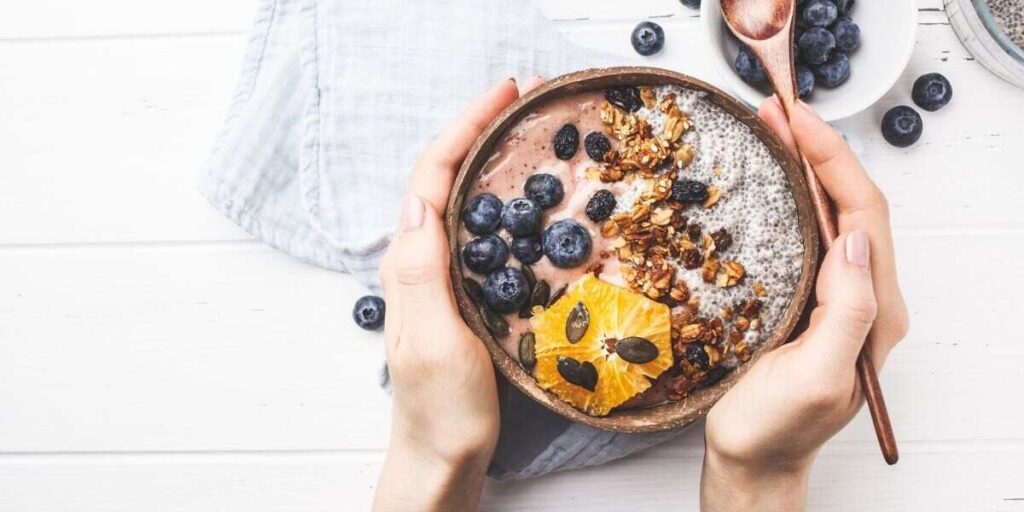
The freezer is where acai truly shines for meal prep. Frozen acai base keeps for up to three months without significant nutrient or flavor loss. Here's the process:
The silicone mold method is a game-changer. You freeze individual portions as pucks, pop them out, and store them in a single freezer bag. When you want a bowl, just blend one puck with a splash of milk.
Acai isn't cheap. If you're throwing away half your prep because it goes bad, you're burning through money fast. Let's look at the actual numbers.
| Item | Cost per Serving | Monthly Cost (5x/week) |
|---|---|---|
| Frozen acai packets (2-pack) | $3.50–$5.00 | $70–$100 |
| Frozen acai bulk (family pack) | $2.50–$3.50 | $50–$70 |
| Fresh toppings (fruit, granola, honey) | $1.50–$3.00 | $30–$60 |
| Acai powder (DIY blend) | $1.00–$2.00 | $20–$40 |
| Total range | $3.00–$8.00 | $60–$160 |
That's up to $160 a month on acai bowls. Now imagine tossing even 30% of that because of bad storage. You're looking at $50 or more per month wasted. Proper storage pays for itself immediately.
Here's how smart storage cuts your acai budget:
If you're spending $100+ monthly on acai bowls, even a 20% reduction in waste saves you $240 a year. That's a nice blender upgrade.
These are the specific techniques that make the biggest difference. Some are obvious, others might surprise you.
Not all containers are created equal for acai storage:
If you use a food processor to blend your acai base, transfer it to your storage container right away. Don't let it sit in the processor bowl — those lids aren't airtight.
Pro tip: Place a small piece of plastic wrap directly on the surface of your acai base before sealing the container. This creates a barrier against oxygen and dramatically slows browning — the same trick restaurants use for guacamole.
A squeeze of lemon or lime juice does two things for your stored acai bowl:
Use about one teaspoon of lemon juice per single serving of acai base. Stir it in thoroughly before storing. You won't taste the lemon, but you'll notice the color stays vibrant much longer. This simple trick extends fridge life by a solid 12 hours.
Your toppings need their own storage plan. Here's how to handle the most common ones:
The golden rule is simple: crunchy and dry toppings stay out, base-friendly ingredients like chia can go in. Keeping your acai bowls as part of a balanced diet is easy when you know how to enjoy balanced meals for better health.
Theory is great, but let's talk about real-life scenarios where you need to know how to keep acai bowl fresh for practical, everyday use.
This is the most popular approach for acai lovers who eat bowls multiple times a week. Here's a step-by-step Sunday prep routine:
Total prep time: about 30 minutes. That gives you acai bowls ready to assemble in under 2 minutes every morning. If you enjoy meal-prepping other dishes too, you might appreciate tips on how to cook vegetable noodles for quick weeknight dinners.
For the busiest mornings, use this method:
This partial-thaw method gives you the best texture. Fully thawed acai gets too runny. Fully frozen is too hard to eat. The overnight fridge thaw hits the sweet spot every time.
Even experienced acai fans make these mistakes. Learning what not to do is just as important as learning the right techniques.
A clean storage environment matters more than you'd think. Just like when you tackle cleaning white quartz countertops to keep your kitchen spotless, keeping your fridge clean prevents cross-contamination of flavors.
Thawing is where most people ruin their frozen acai. Here are your three best options, ranked:
Never microwave frozen acai. The heat destroys antioxidants and creates hot spots that turn parts of your base into warm, watery juice while other parts stay frozen solid. Patience is the secret ingredient here.
An acai base without toppings lasts 24–48 hours in the fridge when stored in an airtight container. With toppings added, quality drops significantly after just 2–4 hours. Always store the base and toppings separately for the best results.
You should not freeze a fully assembled acai bowl. Granola turns mushy, fresh fruit becomes watery, and nut butters change texture. Freeze only the blended acai base. Add toppings fresh when you're ready to eat.
Look for these signs: a strong sour or fermented smell, visible mold, significant color change from deep purple to brown or gray, or a slimy texture. If the acai has been in the fridge for more than 48 hours, it's safest to discard it. A well-maintained kitchen, including keeping your kitchen sink drain clean, helps reduce bacterial exposure across all your stored foods.
Yes. Flash-frozen acai retains most of its antioxidants, fiber, and healthy fats. In fact, because acai berries are frozen almost immediately after harvest, the frozen packets you buy at the store often have higher nutrient levels than berries that spent days in transit. Freezing is the best preservation method for nutritional value.
A high-powered blender (700+ watts) handles frozen acai packets best. Models with a tamper tool are ideal because you can push the frozen chunks into the blades without adding too much liquid. Underpowered blenders struggle with frozen acai and force you to add more liquid, making the base too thin for proper bowl consistency.
Now that you know how to keep acai bowl fresh in both the fridge and freezer, pick one method and try it this week. Grab a pack of frozen acai, blend a double batch on Sunday, freeze half in silicone molds, and store the rest in glass jars for the next two days. You'll save money, cut your morning prep time to almost nothing, and enjoy a better-tasting bowl every single time.
 |
 |
 |
 |

About Rick Goldman
Rick Goldman grew up traveling the Pacific Coast and developed an early appreciation for regional and international cuisines through exposure to diverse food cultures from a young age. That culinary curiosity shaped his approach to kitchen gear — he evaluates tools based on how well they perform across different cooking styles, ingredient types, and meal occasions. At BuyKitchenStuff, he covers kitchen equipment reviews, recipe guides, and food-focused buying advice.
Check for FREE Gifts. Or get our Free Cookbooks right now.
Disable the Ad Block to reveal all the recipes. Once done that, click on any button below
|
|
|
|
