by Daisy Dao
Nearly 65% of the global adult population has some degree of lactose sensitivity, according to the National Library of Medicine — which means a huge number of people need reliable milk substitutes for mac and cheese just to enjoy a classic comfort meal. Our team has tested over a dozen alternatives in our kitchen, and the results were surprising. Whether the goal is managing a dairy allergy, following a vegan diet, or simply working around an empty milk carton, there are plenty of options that deliver creamy, satisfying results. For anyone who loves experimenting with easy recipes, this guide covers every worthwhile substitute we've found.

Mac and cheese is one of those dishes that seems simple on the surface but depends heavily on the liquid component for texture and flavor. Milk creates the smooth, pourable sauce that coats every noodle. Without it, the cheese can clump or turn grainy. The good news is that many pantry staples — and several plant-based milks — can step in without anyone noticing the swap.
Our team put together this list after testing each substitute in both stovetop and baked mac and cheese versions. Some work better in certain situations than others, so we've organized everything to help home cooks pick the best match for their needs.
Contents
There are more reasons than ever to look for milk substitutes for mac and cheese. Lactose intolerance is the most common, but it's far from the only one. Here are the main drivers our team sees:
The underlying chemistry is straightforward. Milk adds moisture, fat, and protein to the cheese sauce. Any substitute needs to cover at least two of those three roles. Fat carries flavor and creates creaminess. Moisture keeps the sauce pourable. Protein helps with emulsification — keeping the fat and water from separating. Understanding this makes it much easier to pick the right alternative for any situation.
Not all substitutes behave the same way. Our team breaks them into two main camps: dairy-based alternatives and plant-based alternatives. The choice depends on dietary needs, what's available, and the flavor profile most people are after.
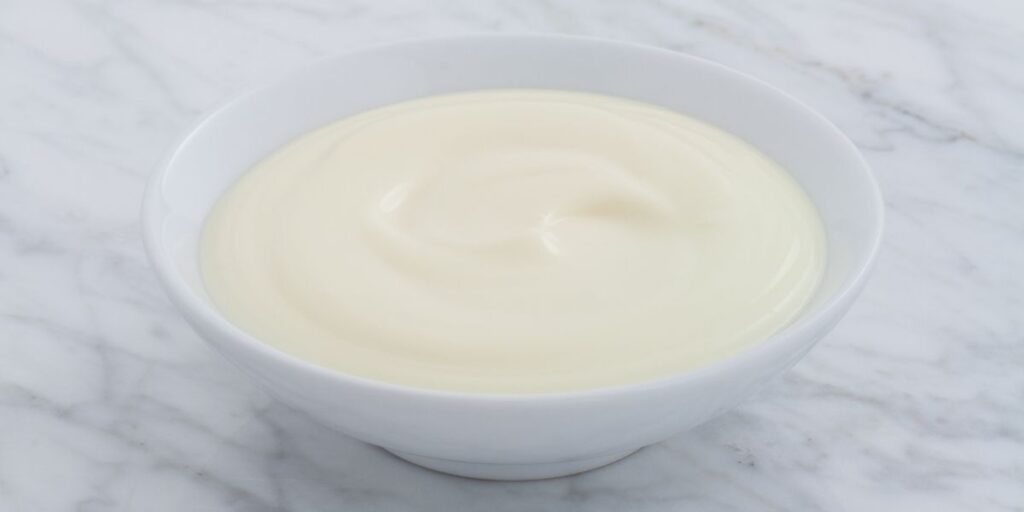
These work for anyone who can handle dairy but simply doesn't have milk on hand. They tend to produce the closest results to a traditional recipe.

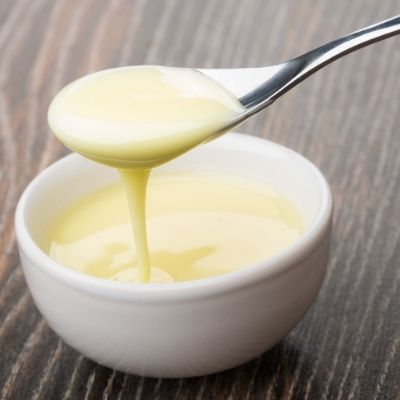
Condensed milk is another option, though it adds sweetness. Our team recommends using it sparingly — about a quarter cup mixed with water — to avoid a dessert-like flavor in what should be a savory dish.
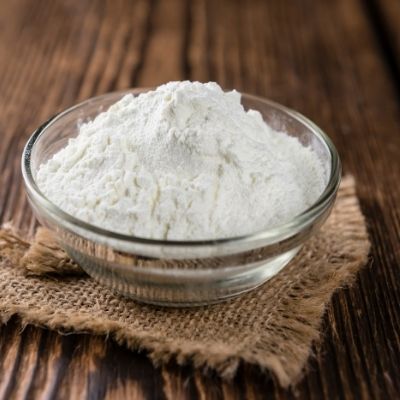
Powdered milk, reconstituted with water, is essentially the same thing as regular milk in cooking. It's a great emergency backup that stays fresh in the pantry for months.
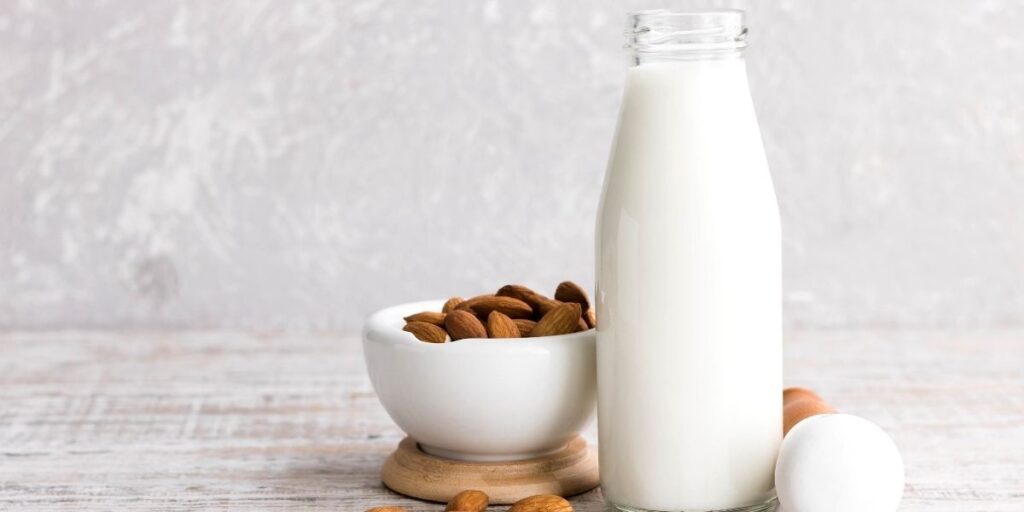
Plant-based milks have come a long way. For anyone interested in almond-based products, unsweetened almond milk is one of the most popular swaps. It's thin and neutral, so it works at a 1:1 ratio without changing the flavor much.
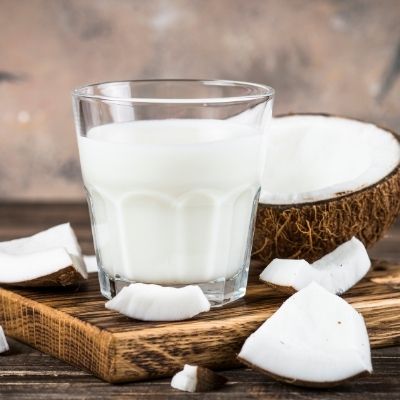
Coconut milk (the carton variety, not canned) adds subtle tropical notes. Full-fat canned coconut milk works too but produces a noticeably richer, heavier sauce.

Hemp seed milk is an underrated pick. It has a slightly earthy, nutty taste and enough natural fat to create a smooth sauce. Most people won't even notice it's there.
When using any plant-based milk in mac and cheese, always choose the unsweetened version — vanilla or sweetened varieties will clash with the savory cheese flavor.
Running out of milk mid-recipe is frustrating, but it's preventable. Keeping a few long-lasting alternatives on hand means never having to abandon a mac and cheese night. This is also a smart move for anyone focused on saving money on groceries.
For home cooks who make mac and cheese regularly, keeping sour cream or plain Greek yogurt in the fridge covers both cooking and snacking. Cream cheese has a decent shelf life too — typically 3-4 weeks unopened. These double as ingredients for various pasta sauces, so nothing goes to waste.
The substitute used affects how well leftovers hold up. Here's what our team has observed:
| Substitute Used | Fridge Life | Reheats Well? | Notes |
|---|---|---|---|
| Plain yogurt | 3-4 days | Yes | May thin slightly; stir well |
| Sour cream | 3-4 days | Yes | Stays creamy |
| Heavy cream | 3-5 days | Yes | Can thicken; add splash of water |
| Oat milk | 2-3 days | Okay | Sauce separates more than dairy |
| Almond milk | 2-3 days | Okay | Thins out; best eaten fresh |
| Coconut milk | 3-4 days | Yes | Coconut flavor intensifies |
| Broth + butter | 3 days | Okay | Dries out faster; add moisture when reheating |
General rules: always store leftovers in an airtight container, refrigerate within two hours of cooking, and reheat on the stovetop with a splash of liquid rather than microwaving dry. Anyone who enjoys batch cooking different types of pasta dishes will find these storage tips useful across the board. Keeping a clean kitchen also helps prevent cross-contamination when storing multiple dishes.
Even experienced cooks make these errors. Our team has seen every one of them firsthand:
Most home cooks find that after two or three batches with a new substitute, the process becomes second nature. The key is paying attention the first time and adjusting from there. Anyone exploring ingredient swaps in other dishes — like finding a substitute for mushrooms in a casserole — already understands this trial-and-adjust approach.
Sometimes the sauce doesn't cooperate. Here's how to rescue common problems:
The biggest takeaway from our testing: low and slow heat is non-negotiable when working with milk substitutes for mac and cheese. High heat is the enemy of a smooth sauce, no matter what liquid is in the pot.
Plain Greek yogurt or sour cream tend to produce the closest results to traditional mac and cheese. They contribute both fat and protein, which keeps the sauce smooth and creamy without adding unusual flavors.
Water alone will technically work for moisture, but the sauce will be thin and bland. Adding a tablespoon of butter or olive oil per cup of water helps compensate for the missing fat. Pasta water, which contains starch, produces slightly better results than plain tap water.
Oat milk is one of the best plant-based options because it has a naturally creamy consistency and neutral flavor. Unsweetened oat milk can be swapped at a 1:1 ratio with dairy milk in most mac and cheese recipes.
Most dairy-based substitutes produce results that are very close to the original. Plant-based milks may add subtle flavor notes — coconut milk adds a hint of sweetness, while almond milk can taste slightly nutty. In our experience, a strong cheese flavor masks most differences.
Start with about half a cup of sour cream thinned with a quarter cup of water or broth. Sour cream is much thicker and richer than milk, so using a full cup will create an overly dense sauce. Adjust from there based on the desired consistency.
Plant-based options like oat milk, rice milk, and coconut milk are dairy-free and generally safe. However, always check labels for cross-contamination warnings, especially with almond and cashew milks which are tree nut allergens. Consult a pediatrician for severe allergies.
Absolutely. Combining substitutes often produces better results than using just one. A popular combination is half oat milk and half vegan butter, which mimics the fat and moisture balance of whole dairy milk very closely.
The best milk substitute for mac and cheese is whichever one is already in the kitchen — nearly anything with fat and moisture can make a great sauce when added slowly over low heat.
 |
 |
 |
 |

About Daisy Dao
Daisy Dao grew up in Honolulu, Hawaii, where coastal living and access to fresh local ingredients shaped her approach to home cooking from an early age. She has spent years experimenting with seafood preparation, healthy cooking methods, and ingredient substitutions — developing hands-on familiarity with a wide range of kitchen tools, techniques, and produce. At BuyKitchenStuff, she covers healthy recipes, cooking techniques, and ingredient substitution guides.
Check for FREE Gifts. Or get our Free Cookbooks right now.
Disable the Ad Block to reveal all the recipes. Once done that, click on any button below
|
|
|
|
