by Rick Goldman
Over 3 billion pounds of sushi are consumed in the United States every year — yet plenty of curious eaters still find themselves wondering what does sushi taste like before they ever pick up a pair of chopsticks. If the idea of raw fish makes you hesitate, you're in good company. But sushi is far more varied and approachable than most people imagine. Over on the BuyKitchenStuff food section, we love breaking down exactly what unfamiliar foods taste like so you can walk in confident.

At its core, sushi is a layered flavor experience. You get tangy vinegared rice, clean-tasting fish or vegetables, a sharp whisper of wasabi heat, and the salty brightness of soy sauce. Each element earns its place. None of them overwhelm. That careful balance is exactly what makes sushi so satisfying once you understand what you're tasting.
Whether you're prepping for your very first restaurant visit or trying to push past California rolls, this guide walks you through the full flavor picture — from your first cautious bite all the way to navigating an omakase (a chef's tasting menu where each piece is selected for you) with real confidence.
Contents
The first thing most first-timers actually notice isn't the fish — it's the rice. Sushi rice, called shari in Japanese, is seasoned with rice vinegar, a small amount of sugar, and salt. The result is a mild, pleasantly tangy flavor with a slightly sticky, chewy texture. That subtle sourness is completely intentional. It primes your palate for every topping, filling, and condiment that follows. Without good rice, even premium fish falls flat. It's the backbone of the entire dish.
Fresh raw fish — salmon, tuna, yellowtail — has a clean, almost buttery flavor that surprises most beginners. It doesn't smell or taste "fishy" the way canned or poorly handled seafood does. Salmon's high fat content gives it a rich, silky mouthfeel that tends to win over skeptics immediately. Cooked options like eel (unagi) bring a sweet, caramelized depth topped with a teriyaki-style glaze — a completely different but equally compelling experience.
Put it all together and the overall impression is quiet and balanced. Nothing screams for attention. You're eating a food specifically designed to reward anyone who slows down and pays attention to it.
This is the single most common beginner blunder, and it's an easy one to make. Submerging your roll completely in soy sauce turns every piece into a sodium bomb and buries the delicate flavors the chef carefully balanced. A light dip — fish-side down if you're eating nigiri (a hand-pressed mound of rice topped with fish) — is genuinely all you need. Less soy sauce means you actually taste the sushi. It sounds obvious once you know it, but most people only figure this out after ruining a few genuinely good pieces.
At quality sushi bars, the chef already applies a carefully calibrated amount of wasabi directly to the fish for each individual piece. Mixing your own into soy sauce dilutes both flavors and overrides that precision entirely. Real wasabi — which is quite rare outside Japan — is also nothing like the sharp green paste you've probably seen on sushi plates in the West, which is almost always horseradish with food coloring. Trust the chef's preparation until you understand what you're working with.
Pro tip: Use pickled ginger (gari) as a palate cleanser between different pieces — not as a topping. It resets your taste buds so each variety hits fresh, the way a neutral cracker works when you're sampling different cheeses.
Speaking of flavor contrasts, that same palate-resetting principle applies when you're exploring other strongly flavored foods. It's the same logic behind understanding the difference between blue cheese and Gorgonzola — context and comparison sharpen your ability to taste.
This is probably the biggest misconception keeping people away. Sushi refers to vinegared rice — not raw fish. Sashimi is sliced raw fish served without rice. Sushi can contain cooked shrimp, tempura, eel, imitation crab, egg, tofu, or entirely vegetarian fillings. You can walk into a sushi restaurant, eat a full satisfying meal, and never consume a single raw ingredient. According to the Wikipedia overview of sushi, the category spans an enormous range of preparations across Japanese culinary history — raw is just one corner of it.
Sushi-grade fish is handled under strict cold-chain protocols from the moment it's caught to the moment it's served. For healthy adults eating at reputable establishments, the risk is genuinely low. That said, pregnant individuals, young children, elderly people, and those with compromised immune systems are typically advised to avoid raw fish — and that's a reasonable precaution worth taking seriously. Food safety is always context-dependent. It's a similar kind of conversation to the hygiene debate around dishwashers versus hand washing — the process and conditions matter far more than the activity itself.
If you're new to sushi, start with the approachable end of the menu: California rolls (imitation crab, avocado, cucumber), spicy tuna rolls, or shrimp tempura rolls. These are popular for a reason — the textures are familiar, the flavors are mild, and they let you get comfortable with rice and nori (the seaweed wrapper) before adding more complex fish flavors to the mix. Don't start your sushi journey with uni (sea urchin) or natto (fermented soybeans). Save the challenging stuff for after you have a baseline to compare against.
Once rolls feel comfortable, move to nigiri. This format puts the fish front and center — nothing to hide behind. Salmon nigiri is the classic gateway because the fat content keeps it mild and buttery. From there, tuna, yellowtail, and eventually mackerel open up. Building a sushi palate works exactly the same way as developing appreciation for any complex flavor category. It's the same patient approach that helps you genuinely understand something like the difference between curry paste and curry powder — familiarity built slowly turns into real taste knowledge.
Sushi spans one of the widest price ranges of any cuisine in the world. Here's a straightforward breakdown of what to expect at different venues:
| Venue Type | Typical Cost (per person) | Best For |
|---|---|---|
| Grocery store / takeout roll | $5 – $12 | Casual curiosity, first try |
| Conveyor belt (kaiten) restaurant | $12 – $25 | Beginners, families, variety |
| Casual sushi restaurant | $20 – $45 | Regular dining, good quality |
| Mid-range sushi bar | $45 – $80 | Enthusiasts, date night |
| Omakase tasting menu | $100 – $300+ | Special occasions, serious sushi lovers |
At the premium end, you're paying for fish sourcing, quality, and the expertise of an itamae (trained sushi chef) who may have spent a full decade just learning to prepare rice correctly before touching fish. The flavor difference between a grocery store roll and a high-end omakase piece is real and genuinely significant. For a first-timer, a casual mid-range restaurant hits the sweet spot — quality fish good enough to understand the appeal, without the pressure or price tag of a full omakase experience.
Sushi is also worth thinking about from a nutritional standpoint. If you've ever checked out how many calories are in a hot dog, you might be surprised how favorably sushi compares — most nigiri pieces run between 40 and 70 calories each, making it one of the lighter protein-forward options at a restaurant table.
Sushi holds up well as a nutritious meal option. Fish provides lean protein and omega-3 fatty acids. Nori adds iodine and other minerals. Rice gives you steady carbohydrates. It's not a diet food by any strict definition, but compared to most restaurant choices, it's genuinely solid. For anyone building a more balanced approach to eating, pairing what you know about sushi with a broader look at what to eat or avoid for a healthy diet helps you see exactly where it fits in the big picture.

Sushi is an inherently social food. A shared platter in the center of the table sparks conversation and naturally pushes everyone toward trying something they wouldn't have picked solo. Going with a group means broader variety across the order — you end up tasting things that genuinely surprise you. The social dynamic of sushi is part of the experience itself. It's the same reason that food comparisons like jambalaya versus gumbo become so much more interesting when you have people at the table who feel strongly about each one.
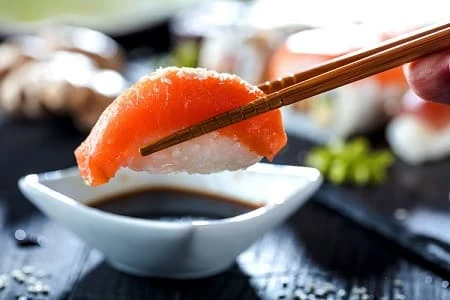
Sushi is nutritious, visually striking, and available across a genuinely wide range of price points. The variety is enormous — you could eat sushi every single week for years and barely scratch the surface of what exists across different regional Japanese traditions and modern fusion interpretations. It's also naturally portioned, which makes it easier to stay mindful about how much you're eating compared to a large shared dish that's hard to pace yourself through.
Beyond nutrition, sushi rewards curiosity. The more you explore, the more nuanced your palate becomes. That progressive discovery is genuinely enjoyable for food-curious people who like developing taste, not just satisfying hunger in the moment.
Raw fish carries a small food safety risk for vulnerable populations — pregnant people, young children, elderly individuals, and those with compromised immune systems should approach it cautiously or stick to cooked options. Mercury in certain fish, particularly larger tuna species and king mackerel, is worth monitoring if sushi becomes a very frequent habit. And high-quality sushi costs add up fast once you develop a taste for the premium end of the menu.
There's also a real learning curve around etiquette, menu navigation, and identifying freshness. Understanding the difference between maki (rolled sushi), nigiri, temaki (hand rolls), and sashimi takes a little time. But most of it clicks naturally after two or three visits. And it's worth noting that the rise of competitive food culture has drawn interesting attention to how dishes like sushi get treated in spectacle contexts — a topic examined with some depth in the dark side of eating competitions.
No. Sushi refers to vinegared rice, not raw fish. Many sushi preparations include cooked ingredients — tempura shrimp, cooked eel, imitation crab, egg, or vegetables only. You can eat a full sushi meal without consuming any raw fish whatsoever.
Vegetable-based rolls like avocado rolls, cucumber rolls, and inari sushi (sweet tofu pouches filled with rice) have no fish flavor at all. Even fish-based options are far milder than most people expect — especially when the fish is fresh and properly handled.
California rolls, avocado rolls, and shrimp tempura rolls are the standard starting points. They're mild, familiar in texture, and widely available at almost any sushi restaurant. Salmon nigiri is also a gentle introduction to raw fish because of its naturally buttery, low-intensity flavor profile.
Fresh, high-quality sushi should not taste fishy in an unpleasant way. A strong fishy smell or taste is actually a reliable indicator of less-than-fresh fish — it's a warning sign, not a feature. Good sushi tastes clean and mild, with a subtle ocean freshness rather than an overpowering odor.
No, wasabi is completely optional. At quality sushi bars, the chef applies a small, calibrated amount directly to each piece of fish — you can ask for none if you prefer. The green paste served on the side at most Western sushi restaurants is usually horseradish-based, not actual wasabi from the wasabi plant.
For most healthy adults, yes — in reasonable amounts. Fish provides lean protein and omega-3 fatty acids, and sushi is lower in calories than many restaurant options. The main things to watch are mercury levels in larger fish species if you eat sushi very frequently, and the sodium content of soy sauce.
Sushi always includes vinegared rice as a core component. Sashimi is sliced raw fish or seafood served without rice — it's a separate dish, not technically sushi, even though both appear on the same menu at most Japanese restaurants.
Fresh sushi fish should have a clean, light ocean scent — not a sharp or sour fishy odor. The flesh should look vibrant and moist, not dull, dry, or discolored at the edges. Rice should be at room temperature, never cold and stiff from refrigeration. When in doubt, trust your nose — it's rarely wrong.
Now that you know what to expect, the best next step is a simple one: find a well-reviewed casual sushi restaurant nearby, bring a friend, and order a small spread — a roll or two, a piece of nigiri, maybe some miso soup to start. One real visit will teach you more than any amount of reading, and there's a good chance the question of what does sushi taste like will go from something you were curious about to something you want to answer again and again with a different fish on your plate.
 |
 |
 |
 |

About Rick Goldman
Rick Goldman grew up traveling the Pacific Coast and developed an early appreciation for regional and international cuisines through exposure to diverse food cultures from a young age. That culinary curiosity shaped his approach to kitchen gear — he evaluates tools based on how well they perform across different cooking styles, ingredient types, and meal occasions. At BuyKitchenStuff, he covers kitchen equipment reviews, recipe guides, and food-focused buying advice.
Check for FREE Gifts. Or get our Free Cookbooks right now.
Disable the Ad Block to reveal all the recipes. Once done that, click on any button below
|
|
|
|
