by Christopher Jones
More than 600 million servings of rice noodles are consumed across Asia every single day — and yet the question "are rice noodles vegan?" trips up a surprising number of plant-based eaters. If you follow a vegan diet, you already know that animal ingredients hide in foods that look completely innocent. Rice noodles seem like the simplest food in the world — rice flour, water, done. But packaged products, flavored varieties, and restaurant-prepared dishes add complications you need to understand. This guide gives you the full picture so you can shop, cook, and eat with total confidence.
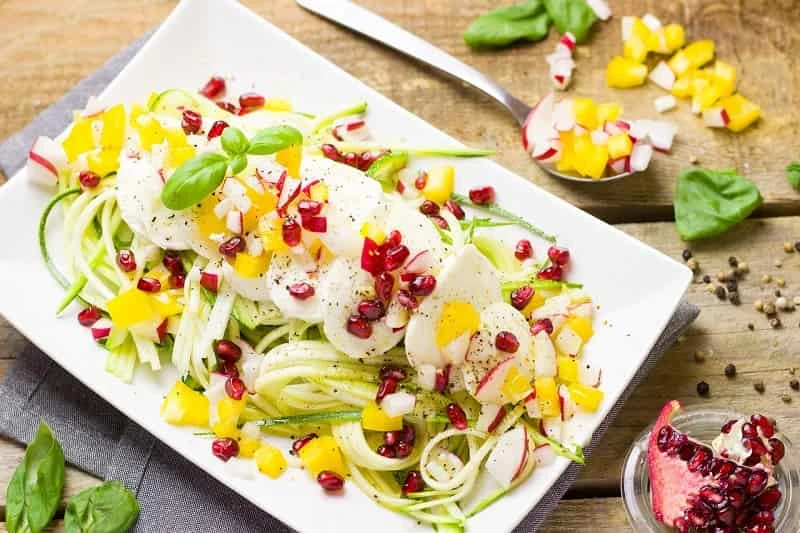
The good news: plain, unprocessed rice noodles are almost always vegan. They contain rice flour and water — nothing else. The complications come from manufacturers adding eggs, fish paste, or flavoring packets that include dried seafood extracts. At restaurants, noodle dishes are frequently prepared in broths or sauces that are not plant-based, even when the noodle itself is fine. Knowing the difference between the noodle and the dish it's served in is the first skill any vegan needs when working with rice noodles.
Rice noodles are also one of the most flexible foundations for plant-based cooking. They absorb flavors beautifully, cook in minutes, and work in cuisines from Thai to Vietnamese to Chinese. For a deeper look at how they compare to other options, our guide on pasta vs. noodles covers texture, nutrition, and cooking differences in practical detail.
Contents
Yes — pure rice noodles are vegan. The base recipe is two ingredients: rice flour and water. No eggs, no dairy, no animal byproducts of any kind. In their simplest form, rice noodles sit firmly in vegan territory. According to Wikipedia's entry on rice noodles, the traditional recipe has been plant-based by default for centuries across Southeast Asian cuisine — dairy and eggs were never part of the original formula.
The moment noodles get packaged, flavored, or sold as part of a prepared dish, the situation changes. Manufacturers sometimes add ingredients that disqualify them for vegans:
Pro tip: A label with five or fewer ingredients is almost always safe for vegans. The longer the list, the more carefully you need to read every line.
Rice noodles come in several widths and forms. The vegan status depends on the brand and any added ingredients — not the shape itself.
| Type | Width | Common Uses | Vegan Status (Plain) |
|---|---|---|---|
| Rice vermicelli | Very thin (1–2mm) | Spring rolls, cold salads, soups | Yes |
| Flat rice noodles (bánh phở) | Medium (3–10mm) | Pho, pad see ew, stir-fries | Yes |
| Wide rice noodles (ho fun) | Wide (15–25mm) | Cantonese stir-fries, soup noodles | Yes |
| Rice sticks | Medium-thin | Pad thai, Vietnamese noodle bowls | Yes |
| Instant rice noodle packets | Varies | Quick convenience meals | Check the label — often No |
At home, you control every ingredient. Start with plain dried rice noodles and you start vegan. The decisions that make or break vegan status come from the sauce and toppings you add. Traditional pad thai calls for fish sauce and eggs — but both swap out without sacrificing flavor. Tamari (a gluten-free soy sauce) replaces fish sauce one-to-one in almost every recipe. Extra-firm tofu handles the egg's role for protein and texture. If sesame oil is in your sauce and you run out, our guide on sesame oil substitutes covers six plant-based options that work just as well.
Fresh rice noodles from Asian grocery stores deserve a special note. These are usually made the same day with nothing but rice flour and water — naturally vegan and better textured than dried. Check the package or ask the staff, since some fresh noodle makers add a small amount of egg for springiness.
Restaurant rice noodle dishes are trickier than they look. Even dishes labeled "vegetarian" on a menu can contain non-vegan ingredients hiding in the prep:
Always ask specifically whether the broth is vegetable-based and whether the sauce contains fish or oyster products. In most Asian restaurants, the kitchen will accommodate a clear vegan request if you ask directly. Being specific — "no fish sauce, no oyster sauce, no animal broth" — gets better results than just saying "vegan."

Make label reading a 30-second habit with any new brand. Here's exactly what to check:
Tapioca starch is one additive you don't need to worry about. It's plant-derived and used to improve the chewy texture of rice noodles — completely vegan-safe.
Several widely available brands consistently produce vegan rice noodles. Three Elephants, Annie Chun's, and Thai Kitchen all offer plain rice stick noodles containing only rice flour and water. These make solid pantry staples. When you want to go further and make your own from scratch, our traditional homemade noodles recipe walks you through the process — rice noodles are actually one of the easiest homemade options because the recipe contains no eggs by design.

One of the best things about rice noodles is speed. Most dried varieties soak in hot water for 5–10 minutes — no boiling required. You can go from pantry to plate in under 20 minutes. Four combinations that work every time:
The sauce defines the dish. A few vegan sauce staples that pair reliably with rice noodles:
Top your bowl with tofu, edamame, roasted chickpeas, or tempeh for protein. Fresh herbs — cilantro, mint, Thai basil — add brightness without calories. If you're building peanut-based sauces regularly, our post on what to eat with peanut butter has flavor pairing ideas that translate well to noodle dishes.
Building a sustainable vegan diet means identifying reliable, affordable ingredients you return to every week. Rice noodles check every box for long-term pantry use — they cost under $3 per bag, feed two to three people, store for months without refrigeration, and work across a wide range of cuisines. That kind of flexibility is rare in any single ingredient.
For a broader framework on structuring your plant-based meals, our guide on what to eat or avoid for a healthy diet gives you a practical overview that complements a vegan approach. Rice noodles slot in as your carbohydrate base — pair them with a solid protein source and generous vegetables for a complete, balanced meal every time.
Rice noodles are relatively low in protein — about 3–4 grams per serving. On a plant-based diet, that means being intentional about adding protein to every bowl. For a full breakdown of rice noodles' nutritional profile, our article on whether rice noodles are healthy covers the numbers in detail. In brief, the best protein additions are:
Don't skip the fat. Healthy fats from peanut sauce, tahini, avocado, or coconut milk slow digestion and help your body absorb fat-soluble vitamins from the vegetables in your bowl.

You don't need special equipment, but a few tools make a real difference in results:
A few extras that regular rice noodle cooks find genuinely useful:
None of these are expensive or single-purpose. Each one earns its cabinet space across a dozen different recipes, not just rice noodle dishes.
The most common buying mistake is grabbing a rice noodle kit or instant noodle packet without reading the label. Instant noodle packets and flavored kits are among the least likely rice noodle products to be vegan. Seasoning sachets almost always contain fish, shrimp, or chicken-based flavoring. Even products with vegetable imagery on the front can contain animal extracts in the seasoning. Buy the plain, unflavored dried noodles and build your own sauce — it takes five more minutes and you know exactly what's in it.
A second common error is assuming that "gluten-free" equals "vegan." Gluten-free only means no wheat protein. A product can be gluten-free and still contain egg, dairy, or fish extract without any contradiction.
On the cooking side, the mistakes that catch vegans off guard include:
Plain dried rice noodles from reputable brands typically contain just rice flour and water, sometimes with tapioca starch added for chewiness. However, packaged noodle kits, instant varieties, and some fresh noodles can include egg, fish extract, or other additives. Always read the full ingredients list and the allergen statement before buying any new brand.
Traditional pad thai is not vegan — it uses fish sauce, eggs, and sometimes dried shrimp. The rice noodles themselves are vegan, but the dish as typically prepared is not. You can make a fully vegan pad thai at home by replacing fish sauce with tamari, using extra-firm tofu instead of egg, and skipping the dried shrimp entirely. The flavor profile holds up well with these swaps.
Rice paper wrappers and rice noodles are different products, but both are made from rice flour and water, making them both naturally vegan in their plain form. Rice paper is pressed into thin, dry sheets used for fresh spring rolls. Neither product requires egg or dairy. As with rice noodles, check the label on any flavored or pre-seasoned rice paper products, as additives can vary by brand.
 |
 |
 |
 |

About Christopher Jones
Christopher Jones holds an MBA from the University of San Francisco and brings a business-minded approach to kitchen gear evaluation — assessing products not just for performance but for long-term value, build quality, and real-world usability in everyday home cooking. He has spent years testing appliances, cookware, and kitchen gadgets with the same analytical rigor he developed in business school. At BuyKitchenStuff, he covers kitchen appliance reviews, buying guides, and practical cooking tips.
Check for FREE Gifts. Or get our Free Cookbooks right now.
Disable the Ad Block to reveal all the recipes. Once done that, click on any button below
|
|
|
|
