by Daisy Dao
The first time I tried to impress dinner guests with a vegetable side dish, I boiled cauliflower into a pale, waterlogged heap that nobody touched. Sound familiar? Learning how to steam cauliflower properly changed everything. Steaming locks in flavor, keeps the texture firm, and preserves far more nutrients than boiling ever could. Whether you're cooking a quick weeknight side or prepping vegetables for the whole week, this guide covers every method, every trick, and every mistake worth knowing. Find more practical cooking guides on the BuyKitchenStuff blog.
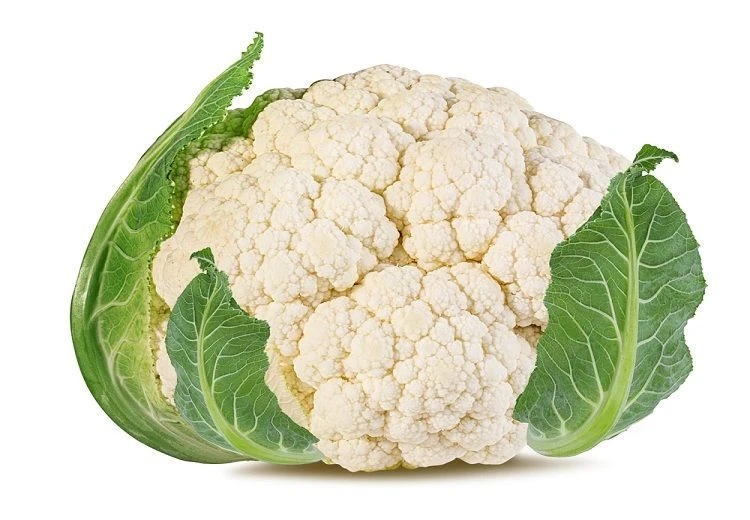
Cauliflower is one of the most versatile vegetables you can keep on hand. You can mash it, rice it, roast it, or serve it whole — but steaming is where it truly shines. Cauliflower belongs to the brassica family and delivers solid amounts of vitamin C, folate, and dietary fiber. Steaming protects those nutrients better than almost any other cooking method, which is why it deserves a permanent spot in your kitchen routine.
Before you pick your pot, it helps to know exactly when steaming is the right call — and when another technique will serve you better. That clarity alone saves a lot of disappointing dinners.
Contents
Steaming uses indirect heat from rising water vapor. The florets sit above — not in — the water, which means they cook gently and evenly without losing anything to the cooking liquid. That difference matters more than most people realize.
Steaming is your best option when you want cauliflower that holds its shape — for grain bowls, stir-fries, salads, or a simple seasoned side. It's also the easiest method to control. A minute or two is all that separates perfectly cooked from overdone.
If you're thinking about nutrition and weight goals, steamed cauliflower is an excellent low-calorie, low-carb option. Our guide on what to eat for dinner to lose weight has more ideas for building satisfying, nutritious meals around vegetables like this one.
Not every preparation calls for steaming. Here's a quick guide to help you pick the right technique for the result you're after:
Pro tip: If your cauliflower is starting to look a little tired in the fridge, steaming is more forgiving than roasting — it works better with florets that have lost some of their moisture.

Before anything else, prep your cauliflower properly. A sharp knife makes breaking down a head of cauliflower much faster and safer. If your knives need work, our guide on how to sharpen a kitchen knife walks you through it step by step.
This is the most reliable method. You get consistent heat, easy monitoring, and total control over cook time.
One rule that matters: don't walk away. Cauliflower goes from perfectly cooked to mushy in about two minutes. Stay close and check it a minute before you think it's done.
The microwave is your fastest option — done in under five minutes with no stovetop needed.
This method works well for small batches. For larger quantities, the stovetop gives more even results.
An electric steamer is the most hands-off option. Add water to the reservoir, fill the tray with florets, and set the timer.

Don't discard the stems and inner leaves. The inner stalks are completely edible and steam just as well as the florets — cut them smaller since they're denser and take a little longer. For more ideas on getting the most from your produce, read our tips on how to reduce food waste.
Plain steamed cauliflower is a blank canvas. Season it while it's still hot so flavors absorb into the surface rather than sitting on top.
Steamed cauliflower pairs naturally with a wide range of sides. If you're building out a full meal and thinking through combinations, our guide on what goes well with cornbread covers pairing logic that applies well beyond that one dish.

Once you know how to steam cauliflower reliably, it opens up a lot of recipe possibilities beyond a simple side dish:
Steamed cauliflower is also one of the gentlest foods you can eat when your stomach is off. Our guide on what to eat after food poisoning lists soft, easy-to-digest vegetables like this one for exactly that reason.
Cook time depends almost entirely on how large your florets are. Consistent sizing is the single biggest factor in getting even results. Use this table as your starting reference:
| Floret Size | Stovetop (Steamer Basket) | Microwave | Electric Steamer | Target Texture |
|---|---|---|---|---|
| Small (1 inch) | 4–5 minutes | 2–3 minutes | 8–10 minutes | Tender-crisp |
| Medium (2 inches) | 6–7 minutes | 3–4 minutes | 12–14 minutes | Tender with slight bite |
| Large (3 inches) | 8–10 minutes | 5–6 minutes | 14–16 minutes | Fully soft |
| Whole head | 15–20 minutes | Not recommended | 20–25 minutes | Fully soft throughout |
These are starting points. Your stove, pot, and how tightly the lid fits all affect the result. Check a minute early the first time you try a new setup.
Keep your steaming equipment clean: Hard water leaves mineral buildup in pots and electric steamers over time, which affects heat distribution. Learn how to clear it out in our guide on getting mineral deposits out of a tea kettle — the same approach works for steamers.
Most disappointing results come down to one of these common errors. Knowing them in advance is how you avoid them.
One more thing worth knowing: steamed cauliflower retains more nutrients than boiled cauliflower even if slightly overdone, so it's one of the more forgiving cooking methods from a nutrition standpoint. Pairing it with healthy hydration habits makes a real difference too — our guide on hydrating for health by drinking more water covers that angle simply and practically.
No — a steamer basket is the most common tool, but you can improvise. Place a heat-safe colander over a pot of boiling water and cover with a lid, or use a microwave-safe bowl with a plate on top. The key is keeping the florets above the water so they cook with vapor, not direct contact with the liquid.
Test it with a fork or the tip of a knife. For tender-crisp cauliflower, it should pierce without much resistance but still hold its shape completely. For fully soft cauliflower — for mashing or blending — it should offer almost no resistance and break apart easily when pressed between two fingers.
Yes, but it takes significantly longer — around 15–20 minutes on the stovetop. Make sure your pot and lid are large enough to cover it without crushing the top. Start checking at 15 minutes by inserting a thin knife or skewer into the thickest part at the center. It's done when you feel no resistance at all.
Steamed cauliflower keeps well in an airtight container in the refrigerator for 3–4 days. Let it cool completely before sealing to prevent condensation from making it soggy. Reheat gently in the microwave with a splash of water, or toss it in a hot pan for 1–2 minutes to revive some texture.
 |
 |
 |
 |

About Daisy Dao
Daisy Dao grew up in Honolulu, Hawaii, where coastal living and access to fresh local ingredients shaped her approach to home cooking from an early age. She has spent years experimenting with seafood preparation, healthy cooking methods, and ingredient substitutions — developing hands-on familiarity with a wide range of kitchen tools, techniques, and produce. At BuyKitchenStuff, she covers healthy recipes, cooking techniques, and ingredient substitution guides.
Check for FREE Gifts. Or get our Free Cookbooks right now.
Disable the Ad Block to reveal all the recipes. Once done that, click on any button below
|
|
|
|
