Cooking Guides and Tips

What Goes Well With Cornbread

Discover the best foods to pair with cornbread, from hearty chili and BBQ to creamy soups and Southern classics that make every meal complete.

by Rick Goldman

The first time I planned a big Saturday dinner around a skillet of fresh cornbread, I realized I had no idea what else to put on the table. I had the bread, I had a crowd, and I had zero plan. If you've had that same moment of freezing in your own kitchen, you're not alone. Knowing what goes well with cornbread is one of those foundational cooking questions that opens up a surprisingly broad world of flavor combinations. Start exploring in our recipes section — this guide will give you the framework, and the possibilities from there are nearly endless.
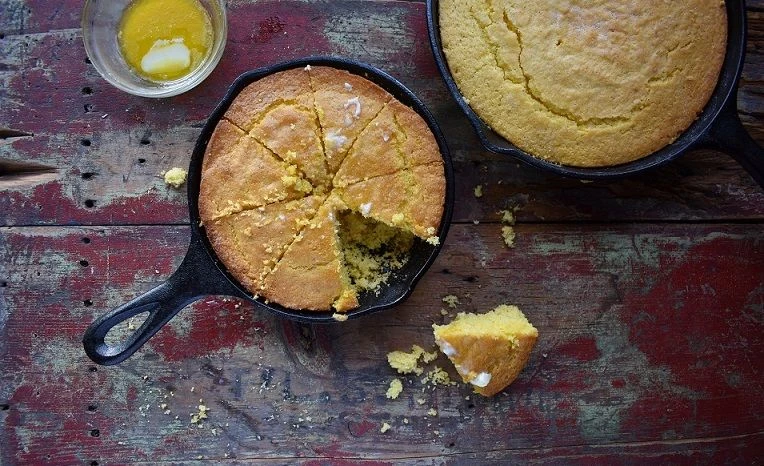
What Goes Well With Cornbread

Cornbread sits at a unique crossroads of flavor. It's slightly sweet, subtly savory, dense enough to absorb broth, and mild enough not to compete with bold seasonings. That combination makes it one of the most adaptable baked goods in the American kitchen. You can anchor a hearty Southern spread with it, serve it as a breakfast side, or finish a slice with honey and call it dessert. According to Wikipedia, cornbread has been a staple of Southern U.S. cuisine for centuries, with roots in Native American corn-based cooking traditions that long predate European settlement.

This guide walks you through the history behind cornbread's classic companions, a full range of pairings from beginner to advanced, the right and wrong occasions for serving it, common mistakes that undercut the experience, and the proper way to store and reheat leftovers so they stay worth eating.

The Story Behind Cornbread's Most Beloved Pairings

Where the Classic Combos Come From

Cornbread didn't earn its place on the American table by accident. Its origins trace back to Native American cooking, where ground cornmeal formed the base of flatbreads and porridges long before European contact. When those traditions merged with Southern farm cooking in the 18th and 19th centuries, cornbread became the everyday bread of choice — cheap to make, fast to bake, and deeply filling.

The classic pairings that developed alongside it — beans, braised greens, stewed pork, and thick soups — weren't chosen for culinary sophistication. They were chosen because they worked. Cornbread soaked up broth beautifully. Its slight sweetness balanced the bitterness of cooked greens. Its density made it satisfying even with lean, simple proteins. Those functional pairings became traditions, and those traditions became the Southern table as we know it today.

Barbeque Meat
Barbeque Meat

Why Cornbread Works With So Many Dishes

The real secret is cornbread's neutrality. It doesn't impose itself on a dish the way sourdough's tang or brioche's richness can. It complements rather than competes. Here's the breakdown of why it pairs so broadly:

  • Mild sweetness contrasts naturally with salty, savory, and spicy dishes without fighting for attention
  • Dense, crumbly texture holds up in brothy environments — it absorbs without disintegrating
  • The corn flavor echoes ingredients like jalapeños, smoked meats, and pinto beans, creating harmonic repetition across the plate
  • It transitions from savory to sweet with a single topping change — butter becomes honey becomes jam
  • The crust adds textural contrast to dishes that are uniformly soft or liquid

What Goes Well With Cornbread: From Simple to Spectacular

Everyday Pairings Anyone Can Pull Off

If you're building your first few meals around cornbread, these are your starting points. They're reliable, they require minimal extra effort, and they consistently deliver.

  • Chili — The most iconic pairing in American home cooking. The cornbread absorbs the chili's broth and cools the heat slightly, making spicy bowls more approachable
  • Honey and butter — Not just a topping. A warm slice with softened butter and a drizzle of honey works as a snack, a breakfast, or a light dessert
  • Vegetable or bean soup — The bread's density balances broth-heavy soups and gives the meal staying power
  • Scrambled eggs and sausage — Crumbled cornbread with eggs and breakfast meat is a traditional Southern combination that still holds up as a complete morning meal
  • Coleslaw — The cool, crunchy contrast against warm, crumbly cornbread is underrated and genuinely works
  • Butter beans or pinto beans — Simple simmered beans with a slice of cornbread is one of the most satisfying low-effort dinners you can make
Honey
Honey
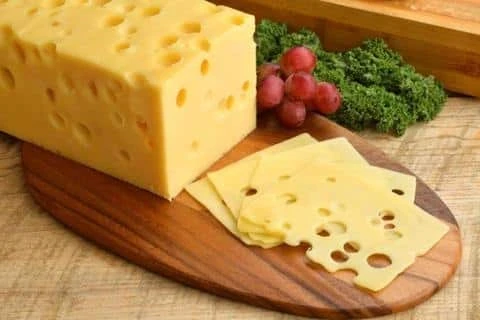
Chesse
Chesse

Pro tip: Warm your cornbread in a dry cast-iron skillet over medium-low heat for 60 seconds per side before serving — it revives the crust and releases the corn aroma that fresh-baked bread has.

Elevated Combinations Worth the Extra Effort

Once the basics are second nature, these pairings take your cornbread meal to a noticeably different level. They take more time, but the payoff is real.
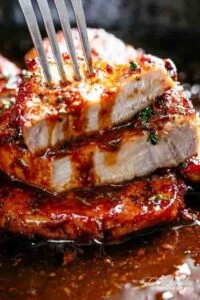
  • BBQ pulled pork or smoked ribs — Smoky, fatty barbecue with slightly sweet cornbread is close to a perfect flavor pairing. The fat and the sweetness echo each other without tipping into excess
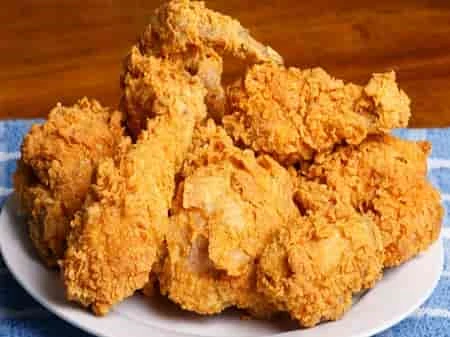
  • Fried chicken — A Southern classic that earns its reputation. The crispy coating and crumbly bread create a textural contrast that makes every bite more interesting
  • Braised collard greens with pot liquor — The briny, slightly bitter greens and their cooking liquid were essentially designed to be sopped up with cornbread
  • Black-eyed peas with smoked ham hock — Slow-simmered beans with smoky pork next to a wedge of warm cornbread is comfort food operating at its peak
  • Shrimp étouffée — Rich, buttery étouffée alongside cornbread turns a simple baked bread into a structural part of a complete Creole meal
Fried Chicken
Fried Chicken
What Goes Well With Cornbread
PairingFlavor ProfileBest OccasionDifficulty
ChiliBold, savory, spicyWeeknight dinnersEasy
Honey and butterSweet, richSnacks and breakfastEasy
Bean or vegetable soupLight, savoryLight lunchesEasy
ColeslawCool, tangy, crunchyCookouts and picnicsEasy
BBQ pulled porkSmoky, savory, slightly sweetCookouts and gatheringsMedium
Fried chickenCrispy, savoryFamily dinnersMedium
Collard greens with pot liquorEarthy, bitter, brinySouthern spreadsMedium
Black-eyed peas with ham hockSmoky, earthyHoliday mealsMedium
Shrimp étoufféeRich, buttery, spicedSpecial occasionsAdvanced

The Right Occasion for Cornbread (and When to Skip It)

Meals Where Cornbread Belongs

Cornbread earns its place when the main dish is bold, rich, or broth-heavy. You want a bread that can absorb flavor and add substance without falling apart. Here's where it consistently performs:

  • Any version of chili — beef, turkey, vegetarian, white chicken chili — all work
  • Slow-cooker and braised dishes: pulled pork, beef short ribs, pot roast, beef stew
  • Southern-style cookouts with barbecue and sides like mac and cheese or potato salad
  • Thanksgiving and holiday spreads alongside sweet potatoes, cranberry sauce, and greens
  • Breakfast tables with eggs, sawmill gravy, or country sausage
  • Simple weeknight soups — split pea, lentil, ham and bean
Hot Dogs
Hot Dogs

Cornbread also holds its own alongside spiced and peppered dishes. If you're working with jalapeños in a pairing dish or want to calibrate heat levels, our guide on top serrano pepper substitutes covers how to manage and adjust spice in a recipe without losing the intended flavor.
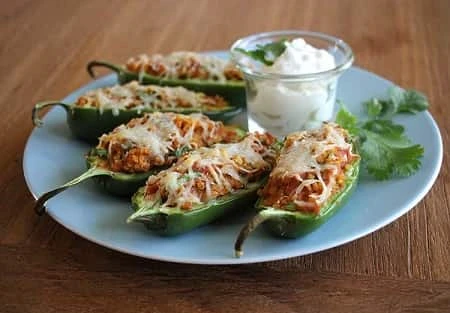
Jalapeños
Jalapeños

Warning: Don't serve cornbread with overly sweet main dishes — when the bread's natural sweetness layers on top of a sweet glaze or sauce, the entire plate tips into dessert territory and loses its savory balance.

When Another Bread Makes More Sense

Cornbread isn't the right call for every meal. Know when to reach for something else:

  • Italian and Mediterranean meals — Garlic bread, focaccia, or ciabatta fits those flavor profiles far better than corn-based bread
  • Asian-inspired dishes — Steamed rice, roti, or scallion pancakes align with soy, ginger, and sesame notes in a way cornbread simply doesn't
  • Delicate white fish preparations — Cornbread's density and sweetness overwhelm subtle seafood flavors; a crusty baguette or plain flatbread serves better here
  • Cream-based pasta — The corn flavor creates an awkward clash with Alfredo or carbonara, and the textures don't complement each other
  • Formal plated dinners — The casual, crumbly presentation makes cornbread a poor fit for elegant multi-course meals

Pairing Mistakes That Undercut Your Cornbread

Flavor Clashes to Avoid

Even experienced home cooks make these pairing errors. Avoid them and your cornbread meals improve immediately.

  • Over-sweetening the plate: If your cornbread already contains sugar, skip sweet glazes or honey-based sauces on your protein. The cumulative sweetness overwhelms everything on the table
  • Ignoring spice balance: Aggressively spiced dishes paired with plain sweet cornbread create a jarring contrast. Adding a little chili powder or cayenne directly into the batter bridges that gap and ties the meal together
  • Serving cold cornbread with hot dishes: The temperature contrast dulls both. Always warm your cornbread right before serving — cold bread next to hot chili or soup is one of the most common and easily avoidable mistakes
  • Pairing with heavily vinegar-dressed salads: The acid fights the corn's natural sweetness and makes both components taste worse. Keep acidic sides away from the bread

Texture Mismatches That Ruin the Plate

What Goes Well With Cornbread

Flavor alignment matters, but texture balance is just as important. Watch for these mismatches:

  • Two dry elements on one plate: If your main is already dry — roasted chicken breast, dry-rubbed ribs without sauce — always add a wet component like gravy, beans, or broth so the cornbread has something to work with
  • An entirely soft plate: Mashed potatoes, cornbread, and a creamy soup on the same plate leaves no textural contrast. Add a crunchy element — pickled jalapeños, toasted seeds, or even a crispy protein
  • Crumbling before it reaches the table: Dense, properly baked cornbread should slice clean or break into substantial wedges. If yours is crumbling apart the moment you touch it, it's overbaked — lower your temperature by 15 degrees and check it 5 minutes earlier next time

Storing and Reheating Cornbread the Right Way

How to Store Cornbread Without Drying It Out

Cornbread dries out faster than most breads. These storage methods keep it moist and worth eating later:

  • Room temperature (up to 2 days): Wrap tightly in plastic wrap or seal in an airtight container. Keep it at room temperature — the refrigerator actually accelerates drying by pulling moisture out of the crumb
  • Freezer (up to 3 months): Slice the cornbread first, wrap individual pieces in plastic wrap, then place them in a sealed freezer bag. This lets you thaw only what you need rather than the entire batch
  • Avoid uncovered storage: Even a single hour sitting uncovered on the counter can produce a tough, dry surface layer. Always keep it covered until the moment you serve it

Reheating Methods That Preserve Texture

The right reheating method restores that fresh-baked feel. Here are your options, ranked by result quality:

  1. Cast-iron skillet: Heat the skillet over medium-low, add a small knob of butter, and warm the cornbread 2 minutes per side. This is the best method — it restores the crust while the butter adds richness the bread may have lost overnight
  2. Oven at 350°F: Wrap slices loosely in foil and heat for 10–12 minutes. Reliable for warming multiple pieces at once without drying them out further
  3. Microwave (last resort): Wrap the piece in a damp paper towel and microwave in 20-second bursts until warm. It works in a pinch, but the texture softens and the crust disappears entirely

The same principles that apply here — using gentle, indirect heat to preserve moisture — apply to reheating other proteins too. Our guide to reheating chicken breast walks through how to avoid the dry, rubbery texture that ruins leftovers across the board.

Frequently Asked Questions

What meat goes best with cornbread?

Pulled pork, fried chicken, smoked ribs, and braised beef short ribs are the strongest pairings. All share a rich, savory depth that contrasts with cornbread's subtle sweetness without overwhelming it. For weeknights, chili with ground beef is the fastest and most reliable option on the list.

Can you eat cornbread with pasta?

In most cases, no. Cream-based and tomato-based pasta sauces don't complement the corn flavor, and the two starches compete for attention rather than balancing each other. Save cornbread for soups, stews, and braised dishes where it can absorb and contribute to the overall meal.

What vegetables pair well with cornbread?

Collard greens, black-eyed peas, roasted sweet potatoes, corn on the cob, and slow-cooked green beans all work well. These vegetables share earthy, slightly sweet, or smoky flavor profiles that align naturally with cornbread rather than clashing against it.

Does cornbread go well with spicy dishes?

Yes, but the plain sweet version can feel disconnected next to very spicy food. If you're pairing with an aggressively spiced dish, bake jalapeños, cheddar, or a teaspoon of chili powder into the batter itself. That creates a flavor bridge between the bread and the main, making the pairing feel intentional rather than coincidental.

How do you keep cornbread from drying out before serving?

Keep it wrapped in foil right up until you're ready to plate. If you made it ahead, reheat it in a skillet with a little butter just before serving. Dry cornbread is almost always a storage or temperature issue — not a recipe issue — so proper wrapping and warming solve it completely.

Next Steps

  1. Pick one pairing from the beginner list — chili, honey butter, or a simple bean soup — and make it your cornbread's companion this week to build a reference point for flavor balance
  2. Try the cast-iron skillet reheating method on any leftover cornbread you have. Add a small knob of butter and warm it 2 minutes per side — it takes 5 minutes and completely changes the leftover experience
  3. Bake your next batch with jalapeños, shredded cheddar, or a pinch of chili powder mixed into the batter and compare how it bridges the gap when paired with a spicy main dish
  4. Store your next batch using the plastic wrap plus airtight container method at room temperature and test how it holds up over two days versus refrigerator storage
  5. Head to our recipes section to find a complete Southern-style dinner spread — collard greens, braised protein, and a proper skillet cornbread — and build a full meal around everything you've learned here
Rick Goldman

About Rick Goldman

Rick Goldman grew up traveling the Pacific Coast and developed an early appreciation for regional and international cuisines through exposure to diverse food cultures from a young age. That culinary curiosity shaped his approach to kitchen gear — he evaluates tools based on how well they perform across different cooking styles, ingredient types, and meal occasions. At BuyKitchenStuff, he covers kitchen equipment reviews, recipe guides, and food-focused buying advice.

Check for FREE Gifts. Or get our Free Cookbooks right now.

Disable the Ad Block to reveal all the recipes. Once done that, click on any button below