by Christopher Jones
When food poisoning hits, the best foods to eat after food poisoning are bland, easy-to-digest options like plain rice, dry toast, bananas, and clear broths — and you should start with those the moment you can keep anything down. Your digestive system has been through a serious shock, and the goal is to calm it down, not challenge it. For more tips on eating and wellness, browse our health and cooking guides.
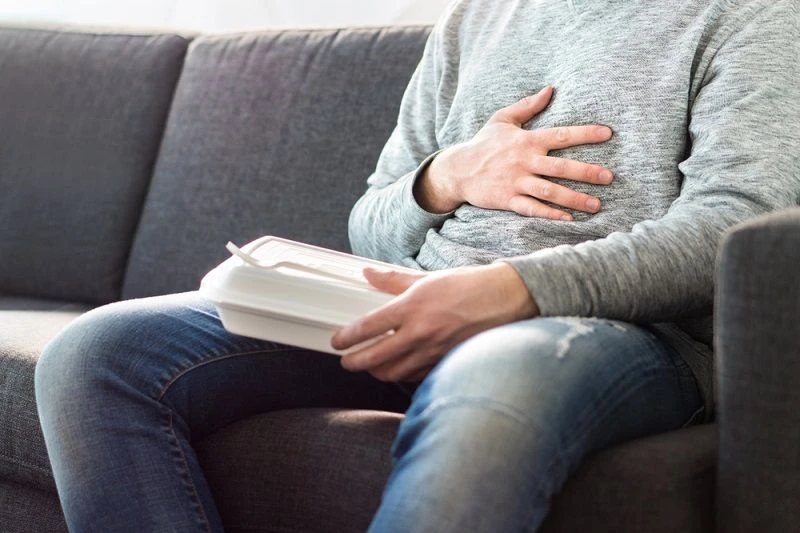
Food poisoning, caused by bacteria, viruses, or toxins in contaminated food, disrupts your gut lining and leaves you dehydrated, inflamed, and completely wiped out. According to the CDC's food safety resource, around 48 million Americans deal with foodborne illness every year, so this is not a rare situation. The good news is that with the right food choices and a little patience, most people recover within one to three days.
This guide lays out exactly what to eat, what to skip, and the habits that speed up your recovery so you can get back to your normal kitchen life as quickly as possible.
Contents
Your stomach lining is irritated and your gut bacteria are disrupted, so your first job is to give your digestive system almost nothing to do. Bland, low-fiber, low-fat foods are your best allies in the first 24 to 48 hours. Think of this phase as hitting the reset button on your gut.
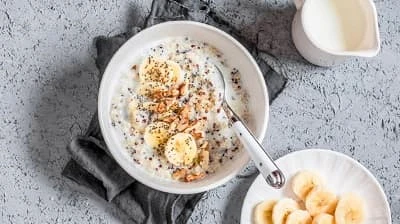
The BRAT diet — Bananas, Rice, Applesauce, Toast — has been a go-to recommendation from healthcare providers for decades because these four foods share the same key properties: they are gentle on the stomach, easy to digest, and help firm up loose stools.
Other safe additions once you can tolerate the BRAT diet include plain boiled potatoes, plain crackers, clear soups with low sodium, and well-cooked plain chicken with no seasoning.
Before you worry about food at all, you need to worry about fluids. Vomiting and diarrhea drain your body of water and electrolytes (minerals like sodium and potassium that your cells need to function) at a rapid rate. Read our full guide on hydrating for health to understand how much fluid your body truly needs.

Knowing what to eat is only half the battle. How and when you eat matters just as much during recovery, and a few small habits can dramatically shorten the time you spend feeling awful.
Do not rush your first meal. Wait until active vomiting has stopped completely for at least two to four hours before attempting any solid food, no matter how hungry you feel.
Eat like a toddler on day one — tiny bites, simple foods, long pauses between each attempt. Patience at this stage cuts your total recovery time in half.
Your stomach capacity is temporarily reduced after food poisoning, and your digestive enzymes are not firing at full strength. Eating small, frequent mini-meals every two to three hours is far more effective than eating three normal-sized portions and overwhelming your system.
There are foods that genuinely support recovery, and there are foods that actively set you back. Knowing the difference means fewer relapses and less total suffering.
Avoid these categories completely during the acute recovery phase, and introduce them slowly once your symptoms have fully cleared:
The rule of thumb is to wait 48 hours after your last symptom — not 48 hours after the worst of it, but after the very last episode. Then reintroduce foods in stages, starting with cooked vegetables, then adding lean proteins, and finally working back to your regular diet by day four or five. If you are planning lighter, gut-friendly meals as you recover, our guide on what to eat for dinner has solid ideas that are easy on the stomach.
There is a lot of bad advice floating around about how to recover from food poisoning, and some of it can genuinely make things worse. Here are the most common misconceptions, corrected.
Many people believe that eating nothing is the safest approach and that fasting lets your body focus on fighting the infection. This is wrong. Starving yourself prolongs recovery because your gut lining needs nutrients — especially carbohydrates from plain rice and toast — to rebuild and repair itself. Fasting also intensifies electrolyte imbalance, which can become dangerous in older adults and children.
Skipping food entirely doesn't starve the bacteria — it starves your recovery. Your gut needs fuel to heal, so give it the right kind.
Probiotic-rich yogurt has genuine long-term gut benefits, but it is not the right choice during the acute phase of food poisoning. The dairy content alone can trigger cramping and loose stools when your lactase production is low. Wait until day three or four, when your symptoms are fully gone, before reintroducing yogurt as a gentle probiotic support. Plain Greek yogurt with no added sugar is the right choice at that point.
Use this reference to make quick decisions about what belongs on your plate during each stage of recovery from food poisoning.

| Food or Drink | Safe During Recovery? | Best Timing | Why |
|---|---|---|---|
| Plain white rice | Yes | Day 1 onward | Low fiber, absorbs excess intestinal fluid |
| Dry toast (white bread) | Yes | Day 1 onward | Bland, easy to digest, minimal fat |
| Bananas | Yes | Day 1 onward | Replaces potassium, gentle on stomach lining |
| Clear broth | Yes | Day 1 onward | Replenishes sodium and fluids |
| Plain boiled chicken | Yes | Day 2–3 | Lean protein with no added fat or spice |
| Plain Greek yogurt | Cautiously | Day 3–4 | Probiotics help, but dairy may irritate early on |
| Avocado | Cautiously | Day 2–3 | Healthy fats and potassium, but high fat content needs a stable gut — see our avocado nutrition guide |
| Coffee or tea (caffeinated) | No | Avoid during recovery | Stimulates gut motility and worsens dehydration |
| Fried or fatty foods | No | Avoid during recovery | Slow digestion and trigger cramping |
| Alcohol | No | Avoid during recovery | Dehydrating and immune-suppressing |
| Raw vegetables | No | Reintroduce after full recovery | High fiber adds digestive stress at the wrong time |
| Spicy foods | No | Reintroduce after full recovery | Capsaicin irritates inflamed intestinal lining directly |
Most people can return to a near-normal diet within 48 to 72 hours after their last symptom. Reintroduce foods gradually — cooked vegetables and lean proteins first, then dairy and higher-fat items — rather than jumping back to your usual meals all at once.
Yes, though some physicians now call it the "BRATT" diet, adding plain tea to the list. The BRAT foods remain a reliable starting point because they are universally gentle on an inflamed digestive system and are easy to source from any kitchen.
Plain scrambled eggs with no butter, oil, or seasoning are acceptable on day two or three once you can tolerate solid food without symptoms. Eggs provide protein and are relatively easy to digest when prepared simply, but skip them on the first day entirely.
If you feel nauseated but have not vomited in two or more hours, it is worth trying a few plain crackers or a small sip of broth. Eating nothing at all can actually prolong nausea in some people because an empty stomach produces acid that irritates the lining further.
No — avoid coffee and all caffeinated drinks until you are fully symptom-free for at least 24 hours. Caffeine stimulates intestinal muscle contractions and acts as a mild diuretic, both of which make dehydration and loose stools significantly worse during recovery.
Aim for small frequent sips rather than large glasses. A general target is around eight to ten cups of total fluid per day, but oral rehydration solutions are more effective than plain water because they replace electrolytes alongside fluids. Increase your intake if you are still experiencing diarrhea.
Plain, low-sodium chicken broth is excellent because it replenishes sodium and fluids simultaneously. Full chicken soup with vegetables and noodles is better suited to days two and three, once your gut can handle a bit more fiber and texture without reacting.
Seek medical care if you have a fever above 102°F, blood in your stool or vomit, symptoms that have not improved after 48 hours, severe abdominal cramping, or signs of serious dehydration such as no urination for eight hours, dizziness, or a racing heartbeat.
What you eat after food poisoning matters more than what you ate before it — treat your gut gently for two days and it will repay you with a full, fast recovery.
 |
 |
 |
 |

About Christopher Jones
Christopher Jones holds an MBA from the University of San Francisco and brings a business-minded approach to kitchen gear evaluation — assessing products not just for performance but for long-term value, build quality, and real-world usability in everyday home cooking. He has spent years testing appliances, cookware, and kitchen gadgets with the same analytical rigor he developed in business school. At BuyKitchenStuff, he covers kitchen appliance reviews, buying guides, and practical cooking tips.
Check for FREE Gifts. Or get our Free Cookbooks right now.
Disable the Ad Block to reveal all the recipes. Once done that, click on any button below
|
|
|
|
