by Rick Goldman
I still remember standing in the produce aisle, poking at avocados for five minutes before finally just guessing. I brought home three. Two were so hard they might as well have been rocks. One was already brown inside. It was a frustrating introduction — but it led me to actually learn how these things work. Understanding avocado nutrition health benefits transformed how I shop, cook, and eat. Once you know what's inside an avocado and how to handle it properly, you'll stop wasting them and start getting real value from every one you buy. For more food guides grounded in nutrition science, browse the nutrition category.
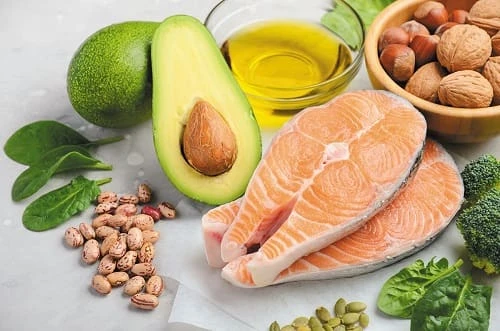
Avocados are one of the few foods that manage to be simultaneously indulgent and genuinely good for you. They're loaded with heart-healthy fats, fiber, folate, potassium, and a range of vitamins that most produce can't compete with. But knowing all that doesn't help if you're buying the wrong variety, cutting them unsafely, or watching them turn brown on the counter because you didn't know how to store them.
This guide covers everything — the nutritional science, how to pick and prep avocados correctly, a variety-by-variety comparison, smart storage techniques, and creative ways to use them at every meal. By the end, you'll have a complete, practical picture of what avocados actually offer and exactly how to put them to work in your kitchen.
Contents
Avocados have been cultivated for thousands of years. Archaeological evidence places them in central Mexico as far back as 5,000 BCE, where Indigenous civilizations prized them as a dense, calorie-rich food source. That ancient logic still holds up today.
Botanically, an avocado is a large berry. It grows from a flower, contains a single seed, and develops on a tree — all the characteristics of a fruit. Most people treat it as a savory ingredient, which is fine, but the classification matters nutritionally.
Avocados are one of the only fruits with significant fat content. Most fruit calories come from sugar. Avocado calories come primarily from fat — specifically, monounsaturated fat. According to the Wikipedia entry on avocados, this unusual fat-dominant profile is what drives most of the nutritional research surrounding them.
The modern avocado boom happened fast. Several forces converged to make it mainstream:
This isn't a fleeting trend. The nutritional science behind the enthusiasm is solid, and the culinary versatility is genuinely broad.
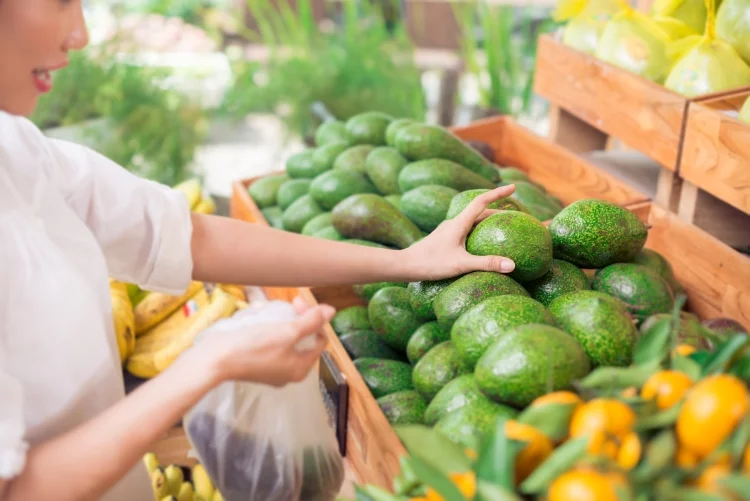
Buying a bad avocado is the most common frustration. Here's how to avoid it every time:
"Avocado hand" — the injury that happens when a knife slips while pitting an avocado — is a real and common kitchen injury. This technique eliminates that risk entirely:
How you prep depends entirely on the application:
A sharp knife makes all of this significantly easier and safer. If your knife is dragging rather than slicing, it's time to sharpen it.
You probably know Hass, but avocados come in dozens of varieties. Most grocery stores carry only one or two, but farmers markets and specialty stores often have more. Here are the ones worth knowing:
| Variety | Skin Texture | Flavor Profile | Best For | Availability |
|---|---|---|---|---|
| Hass | Pebbly, turns dark when ripe | Rich, buttery, nutty | Everything — guacamole, toast, mousse | Year-round |
| Fuerte | Smooth, stays green | Mild, creamy, slightly grassy | Slicing, salads, light applications | Seasonal (winter–spring) |
| Bacon | Smooth, pale green | Light, mild, lower fat | Salads, mild dishes | Winter |
| Reed | Thick and pebbly | Very rich, dense, almost buttery | Guacamole, toast, rich spreads | Summer |
| Pinkerton | Pebbly, green | Creamy, smooth, balanced | Toast, dips, any general use | Winter through spring |
These two dominate the commercial market, and the differences are meaningful:
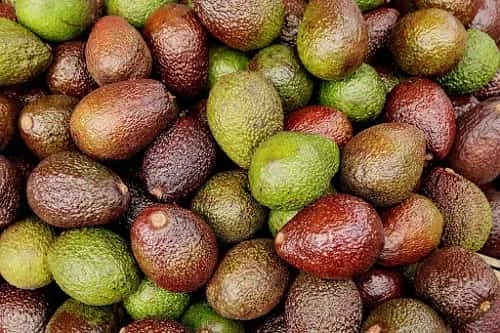
For most kitchen uses, Hass is the right default choice. The flavor is more complex, the fat content is higher (which means better texture in guacamole, mousse, and spreads), and you can reliably judge ripeness by color. When Fuerte or Reed appears at a farmers market in season, they're worth trying — but don't go out of your way to seek them out.
Avocados make real sense in these specific situations:
If you're building a broader approach to eating well at dinner, these dinner ideas for weight management pair naturally with avocado as a healthy fat component.
Avocados aren't right for every scenario:
The standard nutritional serving is one-third of a medium avocado (about 50 grams). That delivers approximately:
Most people eat half to a full avocado in one sitting. That's nutritionally acceptable — just account for the calorie contribution within your daily total rather than treating it as "free" because it's healthy.
Most of the interest in avocado nutrition health benefits starts with fat composition. Specifically, the high concentration of oleic acid — the same monounsaturated fat that makes olive oil valuable. This fat is linked to reduced inflammation, improved cardiovascular markers, and better metabolic health in multiple well-designed studies.
That last point matters more than most people realize. Adding avocado to a salad of leafy greens significantly increases how much beta-carotene, lutein, and alpha-carotene your body actually absorbs from those greens.
Beyond fat, avocados pack a dense micronutrient profile:
Population studies and controlled trials point to several measurable outcomes from regular avocado consumption:
Hydration amplifies all of these benefits. Your body processes nutrients more efficiently when properly hydrated — our guide to drinking more water for health explains the mechanism in detail.
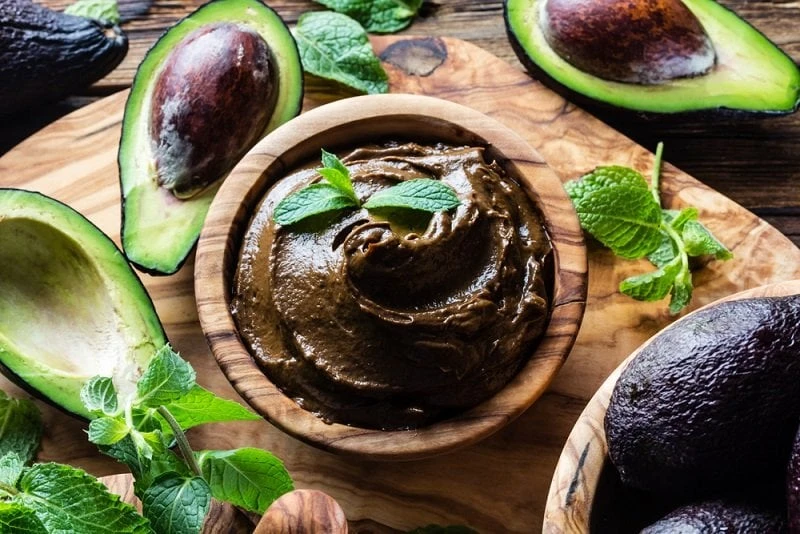
Avocados also make an exceptional pairing with dark chocolate. Both foods are high in antioxidants and healthy fats, which is why chocolate avocado mousse is more than just a dessert gimmick. Read about the health benefits of dark chocolate to understand why the combination holds up nutritionally.
Avocado integrates cleanly into morning meals without much effort:
Avocado works particularly well as a fat substitute for heavier, processed ingredients:
For anyone managing calories at dinner, combining avocado with lean protein and vegetables is one of the more effective strategies. Our cabbage soup recipe is a low-calorie base that works well with half an avocado on the side to add satiety.
The avocado's versatility extends well beyond obvious applications:
The challenge with avocados isn't motivation — it's logistics. Short ripeness windows and wasted fruit are genuinely discouraging. Here's how to solve that:
Avocado's fat profile makes it a natural amplifier for the nutrients in other foods. The most effective pairings:
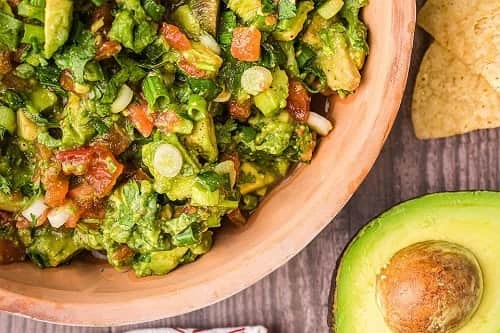
Despite being calorie-dense, avocados are consistently associated with lower body weight in population studies. The explanation is satiety: fat and fiber working together suppress appetite more effectively than carbohydrates alone. You eat avocado, you eat less at the next meal. Over weeks and months, that compounds.
The long-term strategy is simple: replace calorie-dense, nutritionally empty foods — processed dressings, chips, sour cream, margarine — with avocado. You'll reduce total calorie density, improve nutritional quality, and often find you're more satisfied with less food overall.
Bought a hard avocado and need it ready sooner? These methods reliably accelerate the process:
Storage strategy depends entirely on ripeness and whether you've cut into it:
Oxidation causes the brown discoloration you see on cut avocado surfaces. It's cosmetic and doesn't affect flavor, but it's unappealing. Prevention is simple and consistent:
These habits are especially valuable if you're prepping for the week. Eliminating wasted avocados saves real money and removes the friction that causes people to stop buying them regularly.
Use the three-point check: color (Hass should be dark purplish-black), gentle pressure (slight give with your palm, not mushy), and the stem nub test (pop it off — green underneath means ripe, brown means overripe). The stem test is the most reliable single indicator.
One whole avocado daily is nutritionally reasonable for most healthy adults. The fat and fiber are beneficial, but the calorie content (200–300 calories depending on size) means you need to account for it in your overall intake. Half an avocado per day is a comfortable, sustainable starting point for most people.
Yes — despite being calorie-dense, avocados are associated with lower body weight in population studies. The combination of healthy fat and fiber suppresses appetite effectively, leading to reduced overall calorie intake over time. The key is using avocado to replace processed, calorie-dense foods rather than adding it on top of your existing diet.
The most well-supported avocado nutrition health benefits include improved HDL cholesterol, reduced LDL oxidation, better satiety and appetite control, reduced systemic inflammation, and enhanced absorption of fat-soluble vitamins from other foods. The folate content also makes avocados particularly valuable for anyone planning a pregnancy or actively pregnant.
Apply lime or lemon juice to the cut surface immediately, then press plastic wrap directly against the flesh — no air gaps — and refrigerate. If storing a half with the pit, leave the pit in place; it reduces the exposed surface area. Use within one to two days for best results.
Yes, you can freeze avocados. Mashed or puréed avocado freezes well and works great in smoothies and dips after thawing. Whole or sliced avocado loses its texture once frozen, making it unsuitable for toast or salads but still functional in blended recipes. Freeze in an airtight container with a squeeze of lime juice to prevent browning.
Hass avocados have higher fat content, a richer and nuttier flavor, and turn dark when ripe (making them easy to assess). Fuerte avocados are milder, stay green regardless of ripeness, and have a slightly lighter texture. For most kitchen applications — especially guacamole, mousse, and spreads — Hass is the superior choice. Fuerte suits salads and dishes where you want a more delicate avocado presence.
Yes. Avocados are considered an excellent food during pregnancy. They're one of the best dietary sources of folate, which is critical for fetal neural development during the first trimester. The healthy fats also support fetal brain development. The only note of caution: avocados are calorie-dense, so include them as part of a balanced overall diet rather than eating them in unlimited quantities.
Every time you choose an avocado over a processed alternative, you're making a small, compounding investment in your long-term health — and it happens to taste better, too.
 |
 |
 |
 |

About Rick Goldman
Rick Goldman grew up traveling the Pacific Coast and developed an early appreciation for regional and international cuisines through exposure to diverse food cultures from a young age. That culinary curiosity shaped his approach to kitchen gear — he evaluates tools based on how well they perform across different cooking styles, ingredient types, and meal occasions. At BuyKitchenStuff, he covers kitchen equipment reviews, recipe guides, and food-focused buying advice.
Check for FREE Gifts. Or get our Free Cookbooks right now.
Disable the Ad Block to reveal all the recipes. Once done that, click on any button below
|
|
|
|
