Discover simple, satisfying dinner ideas that support weight loss without sacrificing flavor, so you can reach your goals while enjoying every meal.
by Daisy Dao
Research shows that dinner contributes nearly 35% of total daily calorie intake for the average adult — and it's the meal most likely to be consumed in front of a screen, eaten quickly, and portioned incorrectly. If you've been eating carefully during the day but still aren't losing weight, your evening plate is almost certainly the problem. Knowing the best dinner foods for weight loss gives you a concrete, actionable edge: you eat foods that fill you up, support your metabolism overnight, and prevent the late-night snacking that erases progress. Start with our weight-loss resource library for broader strategies to pair with what you learn here.
What to Eat for Dinner to Lose Weight
The goal isn't to make dinner your smallest meal or to survive on salads. The goal is to build a plate that's high in protein, rich in fiber, and high in volume — three factors that work together to suppress hunger, stabilize blood sugar, and preserve lean muscle while you're in a calorie deficit. Get these three levers right, and weight loss stops feeling like a constant battle.
This guide covers every angle: the specific foods to prioritize, the dinner mistakes most people don't know they're making, what to do when progress stalls, and how to apply these principles to real-life situations — whether you're cooking on a Tuesday night or navigating a restaurant menu.
The Best Dinner Foods for Weight Loss: Simple Swaps That Deliver Results
You don't need a complete meal overhaul. A few targeted food choices shift your dinner from a calorie surplus into a fat-burning asset. Here's exactly where to start.
Choosing Diet Plans For Dinner-
Lean Proteins That Anchor Your Plate
Protein is the single most effective lever you can pull at dinner. It increases satiety, preserves muscle mass during a calorie deficit, and has the highest thermic effect of any macronutrient — meaning your body actually burns more calories just digesting it compared to carbs or fat.
The best protein sources for a weight-loss dinner include:
Chicken breast — about 165 calories and 31g of protein per 3.5 oz cooked. One of the most reliable lean proteins available. Try these healthy chicken breast recipes for weight loss if you're stuck in a cooking rut.
White fish (cod, tilapia, halibut) — lean, mild-flavored, and easy to cook in under 15 minutes
Shrimp — high protein, very low calorie, and it cooks in under 5 minutes
Turkey breast — ground or sliced; easy to season and batch-cook for the week
Eggs — cheap, fast, and among the most satiating foods per calorie
Tofu or tempeh — excellent plant-based options that absorb flavor well when marinated ahead of time
Get The Most From Meat
Aim for 25–35g of protein per dinner. That's the range consistently linked to improved satiety, reduced late-night snacking, and better body composition over time. If you're plant-based, beans and lentils are your primary vehicle — a cup of cooked lentils delivers 18g of protein alongside 16g of fiber.
Vegetables to Fill Half Your Plate
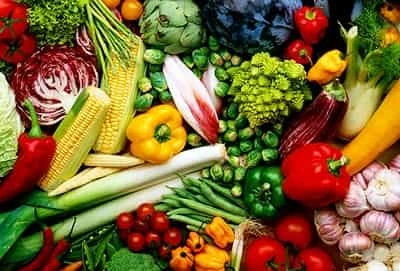
Non-starchy vegetables are the closest thing to a free food in weight loss. They're high in fiber and water content, which means they occupy significant space in your stomach for very few calories. This is volume eating at its most effective.
Consider Varieties Of Vegetables
Build your dinner around these:
Broccoli, cauliflower, and Brussels sprouts — high fiber, filling, and roast beautifully
Spinach, kale, and arugula — great raw as a base or wilted into hot dishes
Zucchini, cucumber, and bell peppers — low calorie, high volume, versatile
Cabbage — underrated and incredibly cheap. A bowl of weight-loss cabbage soup makes an ideal low-calorie dinner base that actually keeps you full
Asparagus, green beans, and snap peas — easy to steam, roast, or stir-fry
Tomatoes, mushrooms, and onions — add depth and flavor without significant calories
The rule is straightforward: half your plate should be non-starchy vegetables at every dinner. Follow this consistently and you'll naturally reduce overall calorie intake without feeling like you're dieting.
Smart Carbs and Whole Grains
Settle For Whole Grains
Carbs aren't the enemy — refined carbs with no fiber are. Swapping white rice and white pasta for whole-grain alternatives gives you more fiber, more micronutrients, and better blood sugar stability — all of which support weight loss overnight.
Brown rice or wild rice — more fiber and nutrients than white; same cooking method
Quinoa — a complete protein with 4g fiber per half cup cooked; ready in 15 minutes
Farro or barley — chewy, deeply satisfying, and extremely filling
Whole-wheat pasta — nearly identical taste to white pasta when sauced well
Cauliflower rice — not a grain, but a useful low-calorie substitute when you want to cut carbs further
Keep your grain portion to about a quarter of your plate. Pair it with protein and vegetables and you have a complete, balanced plate that supports consistent weight loss.
Pro tip: Cook a large batch of quinoa or brown rice at the start of the week. Having it ready in the fridge cuts weeknight dinner prep to under 10 minutes and removes the temptation to order takeout.
Dinner Mistakes That Quietly Derail Your Weight Loss
You can eat healthy foods at dinner and still not lose weight. These are the most common mistakes — and most people making them have no idea.
Snack Healthily
Hidden Calorie Traps You're Probably Missing
These look harmless. They're not:
Sauces and dressings — a generous pour of creamy Caesar dressing adds 300+ calories to a salad that was otherwise excellent
Cooking oils — one tablespoon of olive oil is 120 calories; most people use three or four tablespoons without measuring
Cheese as a finishing touch — easy to over-pour; one ounce is the correct portion, not a fistful
Bread before the meal — adds empty calories before you've even started eating
Alcohol — a glass of wine is 125 calories; two beers is over 300, and neither contributes to fat metabolism
Grazing while cooking — tasting, nibbling, and picking throughout food prep can add a full meal's worth of calories before you sit down
Portion Distortion: The Silent Saboteur
Even the healthiest foods cause weight gain when you eat too much of them. This is the reality most people don't want to hear, but portion distortion is one of the primary reasons weight loss plateaus despite "eating well."
Nuts and nut butter are nutritious — but 300 calories per serving adds up fast when you're eating from the jar
Avocado is excellent for fat loss — one whole avocado is 320 calories; half is the right portion
Beans are filling — but they're more calorie-dense than most vegetables; measure them
Pasta expands significantly when cooked; always measure the dry weight, not the cooked volume
Olive oil looks like a drizzle but pours like a pour — use a measured teaspoon
Use a kitchen scale for at least two weeks when you're starting out. Most people discover they've been underestimating their portions by 20–40%. The recalibration alone often reignites stalled weight loss.
Why Your Weight Loss Has Stalled — And What Your Dinner Is Telling You
If the scale stopped moving after consistent progress, dinner is one of the first places to investigate. Here are the most common culprits and exactly how to fix them.
Reading Your Hunger Signals
Eating past fullness at dinner is one of the easiest habits to develop — especially when you eat quickly or in front of a screen. Your brain takes about 20 minutes to register satiety signals from your stomach. Eat fast, and you consistently overshoot your actual needs.
Practical strategies that work:
Put your fork down between bites — it sounds simple because it is, and it dramatically slows your pace
Eat at a table without screens; distracted eating consistently leads to 20–30% more calories consumed
Rate your hunger on a scale of 1–10 before eating, and commit to stopping at 7
Wait 15 minutes after finishing before deciding whether you need more food
Drink a full glass of water before sitting down to eat — it reduces meal size without effort
Adore Beans
Adjusting Your Plate to Break Through Plateaus
Plateaus happen when your body adapts to your current calorie intake. Your metabolism is efficient — it adjusts. Here's how to break through without going hungry:
Increase protein first — adding another 20–30g of protein per day is the least painful way to reduce total calorie intake while staying full. Your body can't store excess protein as fat as easily as it can excess carbs or fat.
Cut refined carbs, not all carbs — eliminating white bread, white rice, and regular pasta often drops 200–400 daily calories without willpower
Add volume, not calories — more leafy greens, more broth-based soups, more raw cucumber and celery before meals
Track honestly for one week — most people find they've been underestimating by 300+ calories daily. This single exercise has more impact than any diet change.
Check your liquid calories — beverages are invisible in food tracking but very real in their impact
Warning: Don't slash calories so aggressively that dinner becomes something you dread — that's the fastest route to abandoning your plan entirely. Sustainable progress beats aggressive short-term restriction every time.
Kitchen Habits That Make Weight-Loss Dinners Easier to Stick To
The best eating strategy is the one you actually follow. These habits remove the friction between your intentions and what ends up on your plate at the end of a long day.
Experiment With Dairy
Meal Prep Strategies That Remove Friction
The number one reason people eat poorly at dinner is convenience. When you're hungry and exhausted at 6:30pm, you reach for the fastest thing available. Make the healthy choice the easy choice:
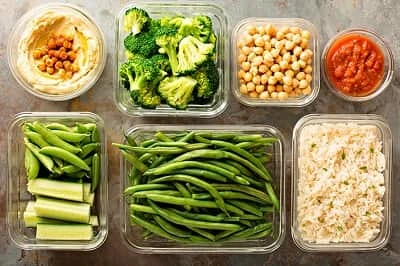
Batch-cook proteins on Sunday — grill or bake a week's worth of chicken breast, ground turkey, or salmon. Store in portioned containers.
Pre-cut vegetables — wash and cut them immediately after grocery shopping; store in clear containers at eye level in the refrigerator
Cook grains in bulk — brown rice and quinoa last 5 days refrigerated and reheat perfectly in 90 seconds
Make soups and stews — they reheat without any loss of quality and often improve by day two
Stock your freezer with vegetables — frozen vegetables are nutritionally equivalent to fresh and are ready in 5 minutes
Keep a go-to emergency dinner — canned beans, frozen fish, and a bag of spinach can become a solid meal in 15 minutes when planning fails
Cooking Methods That Cut Calories Without Cutting Flavor
How you cook is just as important as what you cook. The same 3.5-oz chicken breast ranges from 165 calories (baked) to over 300 (deep fried), depending on your method. Choose your techniques accordingly:
Best methods for weight loss: baking, roasting, grilling, air-frying, poaching, steaming
Methods to minimize: deep frying, pan-frying in pooled oil, finishing dishes with heavy cream or butter
Use non-stick pans or parchment paper to cook with a fraction of the oil normally required
Season aggressively with herbs, spices, citrus zest, and vinegar — bold flavor doesn't require fat
Use broth instead of butter when deglazing a pan or finishing a sauce
Roast vegetables at high heat (400–425°F) to develop caramelization and natural sweetness without adding calories
Best and Worst Dinner Foods: A Direct Comparison
Here's a clear look at how the best dinner foods for weight loss stack up against the ones that work against you. Use this table as a planning reference.
Food
Calories (per serving)
Protein
Fiber
Weight Loss Rating
Chicken breast (3.5 oz cooked)
165
31g
0g
Excellent
Salmon fillet (3.5 oz)
208
20g
0g
Excellent
Lentils (½ cup cooked)
115
9g
8g
Excellent
Broccoli (1 cup)
55
4g
5g
Excellent
Quinoa (½ cup cooked)
111
4g
3g
Good
Brown rice (½ cup cooked)
108
2g
2g
Good
Avocado (½ medium)
160
2g
5g
Good (in moderation)
White pasta (1 cup cooked)
220
8g
2g
Poor
Fried chicken (3.5 oz)
320
22g
0g
Poor
Creamy Alfredo sauce (¼ cup)
180
3g
0g
Avoid
Foods That Actively Support Fat Loss
Choose Healthy Fats
Beyond the table, these foods earn a special mention because of their specific mechanisms:
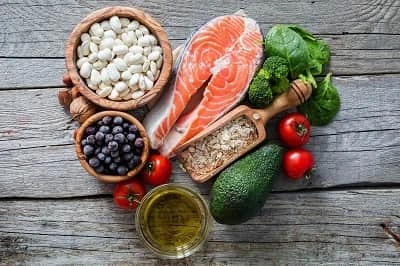
Fatty fish (salmon, mackerel, sardines) — omega-3 fatty acids reduce systemic inflammation, which directly interferes with efficient fat metabolism when left unchecked
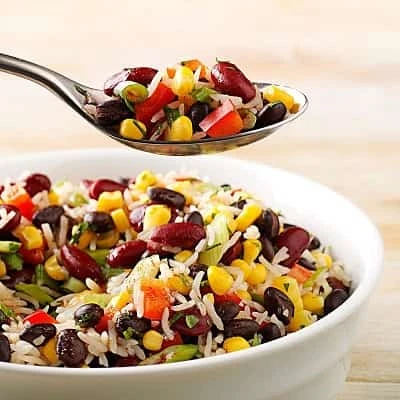
Black beans and chickpeas — high in resistant starch, which feeds beneficial gut bacteria and improves insulin sensitivity over time
Greek yogurt — works as a sauce base, topping, or dressing ingredient; high in protein and gut-supportive probiotics
Extra virgin olive oil (measured) — linked to lower body weight in Mediterranean diet research when used in controlled amounts
Leafy greens — practically calorie-free and high in magnesium, which supports insulin regulation and sleep quality
Foods to Limit or Cut Out
Some foods are so calorie-dense and low in satiety that they reliably work against your goals — even when the rest of your diet is solid:
Processed deli meats — high sodium, low protein quality, and often contain preservatives that increase water retention
White-flour-based dishes — spike blood sugar rapidly and return hunger within 90 minutes
Sugary sauces (BBQ, teriyaki, sweet chili) — often contain 15–20g of sugar per serving, sabotaging an otherwise clean plate
Heavy cheese-based dishes like lasagna or loaded pizza as a main course
Anything deep-fried — the fat-to-protein ratio makes it nearly impossible to stay within a calorie target
How to Apply These Principles to Any Dinner Situation
Understanding what to eat is the easy part. Applying it consistently across different life situations is where most people struggle. Here's how to stay on track regardless of what your evening looks like.
Busy Weeknight Dinners
You're home by 6:30pm, tired, and hungry. This is the highest-risk moment for a poor decision. Your default options need to be fast, filling, and already partially prepped:
Sheet pan meals — protein and vegetables on one pan at 400°F for 20–25 minutes. Minimal effort, minimal cleanup, excellent results. Season ahead of time if possible.
Stir-fry — lean protein, frozen vegetables, a splash of low-sodium soy sauce and fresh ginger, served over a small portion of brown rice or cauliflower rice
Grain bowls — pre-cooked quinoa or farro as the base, topped with whatever protein and roasted vegetables are on hand
Broth-based soups — chicken or vegetable broth with beans, leafy greens, and lean protein. Low calorie, high volume, and deeply satisfying
Egg-based dinners — a two-egg omelet with sautéed vegetables and a side salad is a complete, 400-calorie meal that takes 10 minutes
All of these take under 30 minutes from start to plate. They're not just diet food — they're genuinely good meals that happen to support your weight loss goals without requiring willpower at the end of a long day.
Dining Out Without Derailing Your Progress
Restaurants are designed to make you spend more and eat more. Portions are larger than appropriate, sauces are heavier than you'd use at home, and the menu rarely tells you what you actually need to know. But you can navigate it intelligently:
Review the menu before you arrive — decide what you're ordering before hunger overrides your judgment. This single step is the most powerful thing you can do.
Always ask for sauce on the side — this saves 200–400 calories per meal with zero sacrifice in enjoyment
Swap the side — trade fries for a side salad, steamed vegetables, or broth-based soup every single time
Order first — you're significantly less likely to change to a heavier option after committing publicly
Stick to descriptors like grilled, roasted, steamed, or baked; avoid "crispy," "loaded," "smothered," or "double"
Order a glass of water before the food arrives and drink it fully — it measurably reduces the amount you eat
According to the National Institute of Diabetes and Digestive and Kidney Diseases, small, consistent changes to eating habits produce more lasting weight loss than drastic short-term restrictions. Choosing grilled over fried at a restaurant three times a week adds up to meaningful calorie savings across months and years.
Key Takeaways
The best dinner foods for weight loss share three traits: they're high in protein, rich in fiber, and high in volume — build every dinner plate around these three factors.
Hidden calories from sauces, cooking oils, and grazing while cooking are the most common reasons people eating "healthy" foods still fail to lose weight.
Meal prepping proteins and grains at the start of the week is the highest-leverage habit you can build — it removes the conditions that lead to poor decisions on busy nights.
Whether cooking at home or eating out, the same formula applies: protein as the anchor, vegetables as the bulk, grains in a controlled portion — and sauces always on the side.
Daisy Dao grew up in Honolulu, Hawaii, where coastal living and access to fresh local ingredients shaped her approach to home cooking from an early age. She has spent years experimenting with seafood preparation, healthy cooking methods, and ingredient substitutions — developing hands-on familiarity with a wide range of kitchen tools, techniques, and produce. At BuyKitchenStuff, she covers healthy recipes, cooking techniques, and ingredient substitution guides.