by Daisy Dao
Have you ever stood in the grocery aisle wondering whether pizza sauce and marinara sauce are actually the same thing? You're not alone, and the answer might surprise you. Understanding the difference between pizza sauce vs marinara sauce comes down to texture, cooking method, and how each one behaves on your food. Once you grasp these core distinctions, you'll never grab the wrong jar again — and your homemade dishes will taste noticeably better. Whether you're topping a fresh pie or simmering a weeknight pasta dinner, choosing the right sauce makes all the difference.

Both sauces share a tomato base and many of the same seasonings, so the confusion is completely understandable. The real separation lies in how they're prepared and what job they're designed to do. Pizza sauce is typically uncooked and spread thin beneath cheese, while marinara is simmered on the stove and served as a dipping or topping sauce. These two sauces evolved from Italian culinary traditions but serve very different roles in modern cooking.
Below, you'll find a complete breakdown covering ingredients, preparation methods, common mistakes, and exactly when to reach for each sauce in your kitchen. If you enjoy food comparisons like jambalaya vs gumbo or pasta vs noodles, you'll appreciate how these seemingly similar sauces have their own distinct personalities.
Contents
Before diving into the details, here's a straightforward comparison that highlights every major difference between these two sauces at a glance.
| Feature | Pizza Sauce | Marinara Sauce |
|---|---|---|
| Cooking method | Raw or barely cooked | Simmered 20–30 minutes |
| Texture | Thick, smooth, spreadable | Slightly chunky, pourable |
| Tomato base | Crushed or puréed tomatoes | Whole or diced tomatoes |
| Seasoning intensity | Mild, lets cheese shine | Bold, garlic-forward |
| Typical thickness | Paste-like consistency | Medium, saucy consistency |
| Primary use | Spread under pizza toppings | Pasta, dipping, topping |
| Cook time | 0–5 minutes | 20–45 minutes |
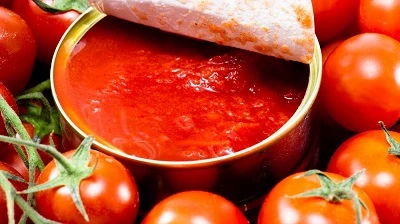
Both sauces rely on tomatoes, garlic, olive oil, salt, and dried herbs like oregano and basil as their foundation. The key difference is that pizza sauce often uses tomato paste or crushed tomatoes blended into a smooth, thick consistency. Marinara, on the other hand, starts with whole or diced tomatoes that break down naturally during simmering, which gives it a chunkier and more rustic texture.
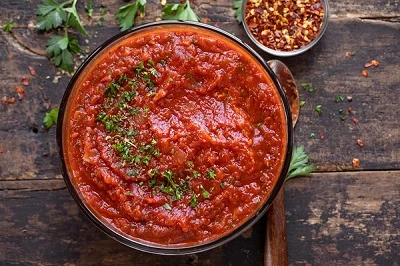
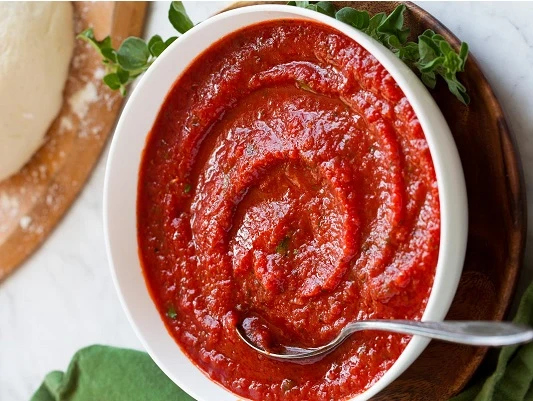
Pizza sauce stays thick so it won't make your dough soggy, and its flavor remains mellow because the oven does the final cooking. Marinara develops deeper, more complex flavors through stovetop simmering, where the garlic and herbs have time to meld together with the tomatoes.
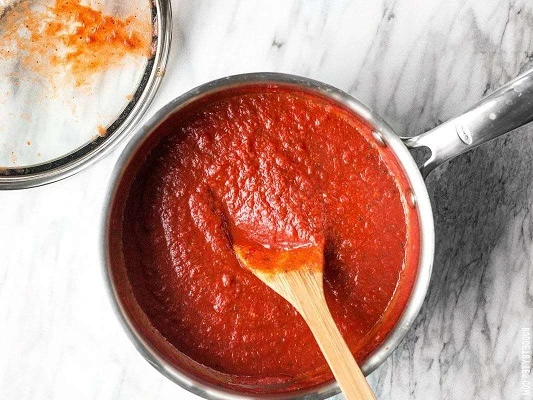
You don't need a professional kitchen to make excellent sauce at home, but having the right equipment speeds up the process and improves your results significantly.
If you already own a multi food processor or standard food processor, you can use it to purée canned tomatoes down to the perfect pizza sauce texture in under a minute. A food processor also handles dozens of other kitchen tasks that make sauce preparation faster.
Great sauce starts with great ingredients and a few techniques that separate homemade from store-bought quality every single time.
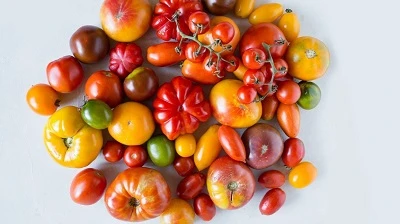
Your tomato choice affects everything from flavor to texture, so this is the single most important decision you'll make when building either sauce from scratch.
Since pizza sauce doesn't cook on the stove, you need to season it assertively from the start because there's no reduction to concentrate the flavors. Marinara benefits from starting with less seasoning and tasting as it simmers, since the flavors intensify as the liquid evaporates over twenty to thirty minutes of cooking time.
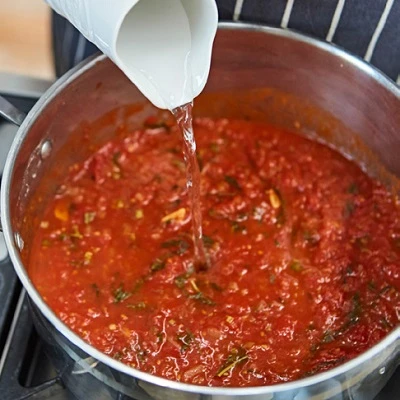
If your marinara gets too thick during simmering, add a splash of water or pasta cooking liquid to thin it back to a pourable consistency. For pizza sauce that's too thin, stir in a tablespoon of tomato paste at a time until you reach the right spreadable thickness.
Pro tip: Always taste your sauce with the food it's going on — a sauce that tastes perfect on a spoon might need more salt once it's spread across bland dough or tossed with plain pasta.
Plenty of cooking "rules" get passed around online that are flat-out wrong when it comes to tomato sauces, and following them can actually make your food worse.
This is the biggest myth out there. While you can technically use marinara on pizza or pizza sauce on pasta, the results won't be ideal in either direction. Marinara has too much moisture for pizza — it'll soak through your crust and leave you with a soggy bottom. Pizza sauce is too thick and too mild for pasta — your noodles will feel like they're coated in tomato paste rather than dressed in a proper sauce. If you love exploring food swaps, this is similar to understanding the difference between a sesame oil substitute and the real thing — close but not quite the same.

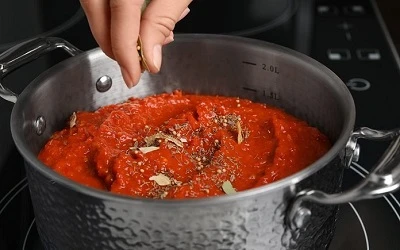
You don't need to add sugar to a well-made tomato sauce. If your sauce tastes too acidic, the problem is usually your tomatoes rather than a missing ingredient. High-quality San Marzano or vine-ripened tomatoes have enough natural sweetness on their own. Adding sugar just masks bad tomatoes instead of solving the root problem.
If you're interested in cutting unnecessary sugar from your cooking across the board, you might enjoy experimenting with recipes like sugar-free chocolate donuts that prove flavor doesn't require sweetener.
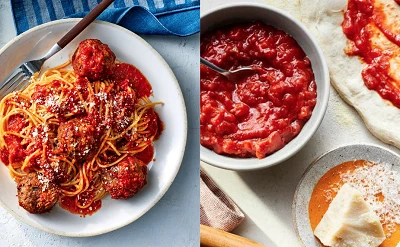
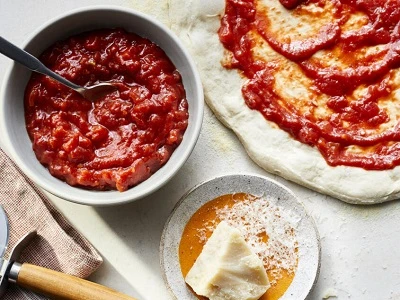
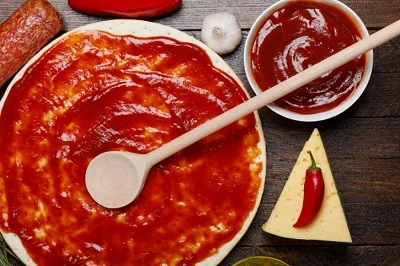
Knowing pizza sauce vs marinara sauce differences is only useful if you can apply that knowledge to real meals in your kitchen. Here's exactly where each sauce belongs.
 |
 |
 |
 |

About Daisy Dao
Daisy Dao grew up in Honolulu, Hawaii, where coastal living and access to fresh local ingredients shaped her approach to home cooking from an early age. She has spent years experimenting with seafood preparation, healthy cooking methods, and ingredient substitutions — developing hands-on familiarity with a wide range of kitchen tools, techniques, and produce. At BuyKitchenStuff, she covers healthy recipes, cooking techniques, and ingredient substitution guides.
Check for FREE Gifts. Or get our Free Cookbooks right now.
Disable the Ad Block to reveal all the recipes. Once done that, click on any button below
|
|
|
|
