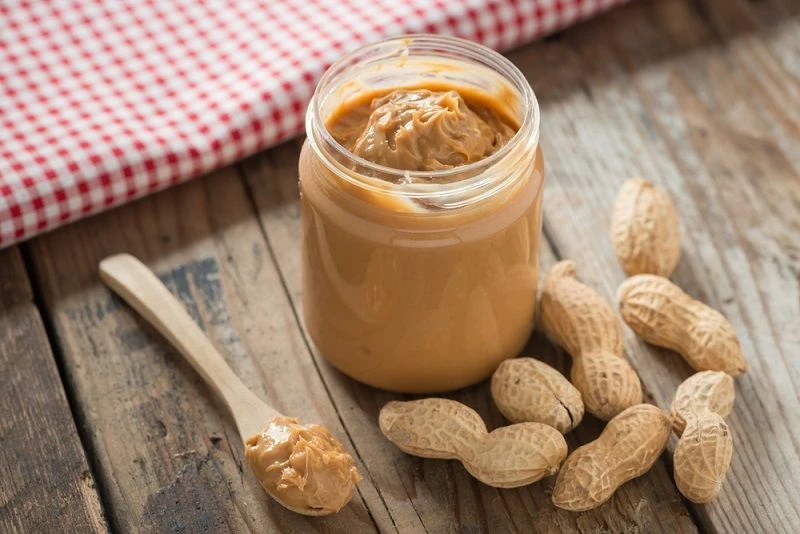
Discover delicious pairings for peanut butter—from classic sandwiches and fruit to crackers, oatmeal, and savory dishes—that make every meal more satisfying.
by Rick Goldman
Peanut butter pairs well with bananas, apples, whole-grain bread, oats, celery, honey, dark chocolate, yogurt, and savory noodle sauces. If you have been searching for ideas on what to eat with peanut butter, the answer spans every meal of the day — from quick breakfasts to sophisticated dinner sauces. For more recipe inspiration, browse our food blog for a full range of flavor-pairing guides.
What to Eat With Peanut Butter?
Peanut butter is one of the most adaptable pantry staples in any kitchen. Its dense, creamy texture and balanced fat-to-protein ratio make it a natural companion for both sweet and savory ingredients. Knowing which foods truly complement its flavor — and which combinations fall flat — helps you build better meals without relying on guesswork.
Whether you are assembling a post-workout snack, preparing a quick lunch, or baking a batch of cookies, the right pairing transforms a simple spoonful into a satisfying, nutritionally complete experience. This guide covers the optimal occasions for peanut butter pairings, the nutritional context you need to make informed choices, the tools that simplify preparation, and the fastest combinations you can assemble today.
Peanut butter performs best when paired with intention — not simply spread on the nearest available surface. The occasion, your nutritional goals, and the supporting ingredients at hand all determine which combination will serve you best. Timing matters as much as the pairing itself.
Breakfast Pairings
Breakfast is the most natural context for peanut butter. Its high protein and fat content provides sustained energy, making it ideal for morning meals that need to carry you through several hours of activity without a mid-morning crash.
Whole-grain toast with peanut butter and banana slices — a classic combination that delivers fiber, potassium, and protein in a single serving.
Oatmeal with a tablespoon of peanut butter stirred in — adds creaminess and significantly increases the protein content of a standard bowl.
Greek yogurt parfait with a swirl of peanut butter — pairs well with honey and granola for a textured, satisfying start to the day.
Smoothies blended with one to two tablespoons of peanut butter — pairs particularly well with frozen banana, cocoa powder, and almond milk for a thick, nutrient-dense drink.
Overnight oats layered with peanut butter and sliced strawberries — requires no morning preparation and delivers complex carbohydrates alongside sustained protein.
If you are managing specific dietary requirements during illness or recovery, our guide on what to eat when you have a cold outlines how soft, protein-rich foods like peanut butter can support your body when appetite is reduced and energy is low.
Post-Workout and Recovery Snacks
After exercise, your body requires both protein and carbohydrates to support muscle repair and glycogen replenishment. Peanut butter is an efficient, shelf-stable option that delivers both within a single convenient package.
Rice cakes with peanut butter and sliced apple — quick to prepare, easy to digest, and provides a fast carbohydrate source alongside protein.
Celery sticks with peanut butter — low in calories, high in fiber, and satisfying due to the textural contrast between the crunch of celery and the creaminess of the spread.
Whole-grain crackers with peanut butter and a piece of seasonal fruit — portable, nutrient-dense, and requiring no refrigeration.
Peanut butter blended into a protein shake — enhances richness, adds approximately 8 grams of additional protein per two-tablespoon serving, and improves the texture of plant-based protein blends.
Nutritional Context and Origins
Understanding what to eat with peanut butter becomes significantly more intuitive once you understand the ingredient itself. According to Wikipedia, peanut butter is a food paste or spread made primarily from dry-roasted peanuts, with origins tracing to the late 19th century. Today it is consumed globally, valued equally for its nutritional density and its low cost relative to other high-protein foods.
Peanut Butter Blossoms
What Makes Peanut Butter So Versatile
Peanut butter contains a balanced combination of macronutrients that make it compatible with an unusually wide range of foods and cooking contexts. Its composition includes:
Protein — approximately 7–8 grams per two-tablespoon serving, supporting muscle maintenance and sustained satiety.
Healthy fats — primarily monounsaturated and polyunsaturated fats, which support cardiovascular health when consumed in appropriate quantities.
Fiber — roughly 2 grams per serving, contributing to digestive regularity and extended fullness.
Micronutrients — a natural source of magnesium, phosphorus, zinc, niacin, and vitamin E.
Flavor complexity — its roasted, mildly sweet, and savory profile allows it to bridge the gap between sweet dessert applications and umami-forward savory dishes.
These properties make peanut butter particularly effective as a complement to carbohydrate-heavy foods, where its fat and protein content slows digestion and significantly extends satiety beyond what the carbohydrate alone would provide. For a comprehensive look at how peanut butter integrates into broader dietary planning, review our guide on what to eat or avoid for a healthy diet.
Natural vs. Processed Peanut Butter
The type of peanut butter you select directly affects which pairings work best and how the spread behaves in recipes.
Type
Ingredients
Texture
Best Paired With
Natural (no additives)
Peanuts, salt
Slightly oily; requires stirring
Toast, smoothies, savory noodle sauces
Conventional (commercial)
Peanuts, sugar, hydrogenated oil, salt
Smooth, consistent, highly spreadable
Sandwiches, baked goods, dips
Crunchy
Peanuts, salt (natural or conventional)
Chunky with visible peanut pieces
Crackers, celery, apple slices, energy balls
Powdered (PB2 style)
Defatted peanut flour, salt, sugar
Powder — reconstitute with water or milk
Smoothies, sauces, baking flour blends
Pro Tip: When substituting natural peanut butter into baked recipes that call for conventional peanut butter, reduce the added fat in the recipe by 10–15%, as natural varieties carry a higher oil content that will otherwise make baked goods greasy.
Kitchen Tools That Elevate Peanut Butter Creations
The right kitchen equipment transforms peanut butter from a simple spread into the foundation of a full recipe. Whether you are preparing homemade peanut butter, blending sauces, or making energy balls, your tools directly affect the efficiency and quality of the result.
The Food Processor Advantage
A food processor is the single most valuable appliance for anyone who incorporates peanut butter into their cooking regularly. It handles three distinct tasks with precision:
Making homemade peanut butter — dry-roasted peanuts processed for 2–4 minutes produce a smooth, additive-free peanut butter with no stabilizers, no added sugar, and full control over salt content.
Building peanut sauces — when combined with sesame oil, soy sauce, fresh lime juice, garlic, and a touch of chili oil, peanut butter becomes a balanced, restaurant-quality dipping sauce in under sixty seconds.
Producing energy balls and no-bake bars — a food processor distributes peanut butter evenly through oats, seeds, honey, and dried fruit without overworking the mixture into a paste.
Proper storage and appropriate spreading tools preserve peanut butter quality and simplify daily use considerably:
Wide-mouth glass jars — ideal for storing homemade peanut butter; easier to access with a spoon or spreading knife and far simpler to clean than narrow-necked containers.
Offset spatulas or flat-edged butter knives — spread peanut butter more evenly across bread surfaces without dragging or tearing the crumb structure.
Airtight containers in cool environments — essential for natural peanut butter, which separates readily and oxidizes faster than stabilized commercial varieties.
Small squeeze bottles — allow you to drizzle peanut butter over oatmeal bowls, dessert plates, or baked goods with precision and minimal mess.
Silicone spatulas with a thin edge — reach the bottom and sides of jars efficiently, reducing waste from residue left in the container.
Peanut Butter Healthy
Quick and Easy Peanut Butter Combinations
When speed is the priority, these pairings require minimal preparation and deliver consistent, satisfying results. These are the answers most people want when asking what to eat with peanut butter on a busy weekday.
Sweet Pairings
Sweet ingredients complement peanut butter's savory, roasted depth without overpowering it. The following combinations are ready in under five minutes and require no heat:
Banana — sliced or mashed directly onto whole-grain toast; the natural sweetness and soft texture balance peanut butter's saltiness and density perfectly.
Apple slices — the crisp structure and mild acidity contrast sharply with peanut butter's creaminess; Granny Smith and Honeycrisp varieties produce the most effective contrast.
Honey — drizzled over peanut butter toast or stirred directly into the jar; raw honey provides the most complex flavor profile alongside peanut butter's nuttiness.
Dark chocolate — either melted and drizzled over peanut butter toast or mixed in chip form directly into a spoonful; the bitterness of high-cacao chocolate counterbalances peanut butter's fat richness.
Strawberry jam — the classic combination; use a high-fruit-content preserve rather than a syrup-heavy commercial jam for the most balanced flavor.
Dates — hollowed and filled with peanut butter; a high-fiber, naturally sweet snack that requires no refrigeration and travels well.
Pears — sliced thin and paired with crunchy peanut butter on seeded crackers; the floral sweetness of ripe pear is a sophisticated alternative to the standard apple pairing.
Peanut Butter Honey
Fruit-based pairings extend naturally into preserved and dehydrated formats as well. If you enjoy building snack combinations that combine fruit textures with nut butters, our guide on making strawberry fruit leather in a food dehydrator demonstrates how dehydrated fruit concentrates sweetness and creates a chewy, pliable texture that pairs exceptionally well with a smear of peanut butter.
Savory Pairings
Savory pairings are frequently underestimated, but they showcase peanut butter's most sophisticated and culturally significant applications.
Celery sticks — the foundation of the classic "ants on a log" snack; fill the groove with peanut butter and add raisins for sweetness, or skip them entirely for a pure savory crunch.
Rice cakes and plain rice — a neutral base that absorbs peanut butter's flavor without competing; pairs particularly well when a small amount of soy sauce is added.
Soba or rice noodles in peanut sauce — thin noodles dressed with peanut butter, soy sauce, rice vinegar, sesame oil, garlic, and chili oil form the base of a quick, satisfying meal that requires less than 15 minutes of active preparation.
Cucumber rounds — light and highly hydrating; an effective low-calorie vehicle for peanut butter that provides crunch without the caloric density of crackers.
Whole-grain crackers with aged cheddar — the sharpness of well-aged cheddar amplifies the roasted nuttiness in peanut butter rather than competing with it.
Chicken satay skewers — peanut butter forms the sauce base for one of the most recognized savory peanut applications in Southeast Asian cuisine; grilled chicken, lemongrass, and a peanut-coconut sauce represent peanut butter at its culinary finest.
Toast with peanut butter and sriracha — a small drizzle of hot sauce over peanut butter toast creates a sweet-heat combination that is more nuanced than it appears.
Nutritional Advantages and Limitations of Peanut Butter
Every ingredient carries both benefits and drawbacks that determine how and how much you should consume it. Peanut butter is no exception. A clear-eyed understanding of its nutritional profile allows you to use it strategically rather than reflexively.
Key Benefits
High plant-based protein — approximately 7–8 grams per two-tablespoon serving makes it one of the most protein-dense pantry staples available at any price point.
Sustained energy release — the fat and fiber content slows the absorption of any accompanying carbohydrates, producing a more gradual and stable energy curve than a carbohydrate-only meal.
Micronutrient density — delivers meaningful amounts of vitamin E, magnesium, potassium, phosphorus, zinc, and niacin alongside its macronutrients.
Proven satiety effect — research consistently demonstrates that consuming peanut butter at breakfast reduces total caloric intake later in the same day, supporting weight management goals without requiring caloric restriction.
Long shelf life — does not require refrigeration and maintains quality for months under proper storage conditions, making it one of the most practical ingredients for meal-prep and emergency pantry planning.
Baking versatility — functions as a fat replacement in many baked goods, contributing moisture, binding properties, and distinctive flavor in cookies, brownies, and energy bars.
Limitations and Cautions
High caloric density — at approximately 190 calories per two-tablespoon serving, portion control is essential for individuals managing caloric intake for weight loss or maintenance purposes.
Severe allergen risk — peanut allergies are among the most common and life-threatening food allergies; always confirm with guests before serving any dish that contains peanut butter as an ingredient, including sauces where it may not be visually obvious.
Added sugars in commercial varieties — many conventional peanut butter brands contain 2–4 grams of added sugar per serving; review ingredient labels carefully and select varieties with peanuts and salt as the only listed ingredients when possible.
Aflatoxin contamination risk in low-quality products — peanuts are susceptible to mold growth that produces aflatoxins under improper storage conditions; purchase from reputable manufacturers and store opened jars in cool, dry environments.
Texture concerns in certain dietary contexts — soft-food protocols following specific medical procedures may restrict peanut butter depending on its texture and required chewing effort; our guide on what to eat after wisdom teeth removal provides a detailed framework for navigating these restrictions safely.
Incompatible with tree-nut allergy assumptions — peanuts are legumes, not tree nuts, and individuals with tree-nut allergies do not automatically have peanut allergies; however, cross-contamination during processing is common, so always verify manufacturing labels.
Frequently Asked Questions
What fruits go best with peanut butter?
Bananas and apples are the most effective fruit pairings with peanut butter. Bananas provide natural sweetness and potassium that complement peanut butter's savory, roasted depth, while apple slices offer a crisp, acidic contrast that cuts through the spread's richness. Strawberries, grapes, pears, and dates also pair well, particularly when served as part of a structured snack plate or blended into smoothies alongside peanut butter.
Can peanut butter be used in savory cooking?
Yes — peanut butter is a foundational ingredient in several well-established savory culinary traditions. It forms the sauce base for Thai chicken satay, West African groundnut stew, and Indonesian gado-gado. When combined with soy sauce, garlic, fresh lime juice, rice vinegar, and sesame oil, peanut butter produces a balanced, umami-forward sauce appropriate for noodles, grilled proteins, fresh spring rolls, and roasted vegetables.
How much peanut butter is an appropriate daily serving?
For most healthy adults, one to two tablespoons per day represents a nutritionally appropriate serving. This quantity delivers adequate protein and healthy fats without introducing excessive caloric intake. Individuals with higher protein requirements, active training schedules, or specific fitness goals may incorporate larger amounts — but should account for peanut butter's caloric density within their total daily dietary intake rather than treating it as a free addition to every meal.
Key Takeaways
Peanut butter pairs effectively with bananas, apples, honey, dark chocolate, celery, whole-grain bread, and savory noodle sauces — making it one of the most versatile ingredients across both sweet and savory cooking contexts.
A food processor is the most valuable tool for working with peanut butter at a higher level, enabling homemade production, smooth sauce blending, and consistent energy-ball preparation in minutes.
Natural peanut butter provides the cleanest nutritional profile, but conventional varieties perform more predictably in baked recipes due to their stable, emulsified texture.
At approximately 190 calories per two-tablespoon serving, peanut butter is nutrient-dense but calorie-significant — incorporate it with intention and measure portions rather than estimating by eye.
Rick Goldman grew up traveling the Pacific Coast and developed an early appreciation for regional and international cuisines through exposure to diverse food cultures from a young age. That culinary curiosity shaped his approach to kitchen gear — he evaluates tools based on how well they perform across different cooking styles, ingredient types, and meal occasions. At BuyKitchenStuff, he covers kitchen equipment reviews, recipe guides, and food-focused buying advice.