by Christopher Jones
When you run out of orange juice mid-recipe, the best orange juice substitutes are lemon juice mixed with a touch of honey, tangerine juice, or even apple cider vinegar diluted with water — depending on whether you need acidity, sweetness, or citrus flavor. You don't have to abandon a recipe or make a grocery run. Most kitchens already stock at least one solid alternative, and understanding how each substitute behaves gives you flexibility that goes well beyond a single missing ingredient. If you enjoy experimenting with creative swaps in the kitchen, you'll appreciate how pasta water substitutes follow a similar logic of matching function over flavor.
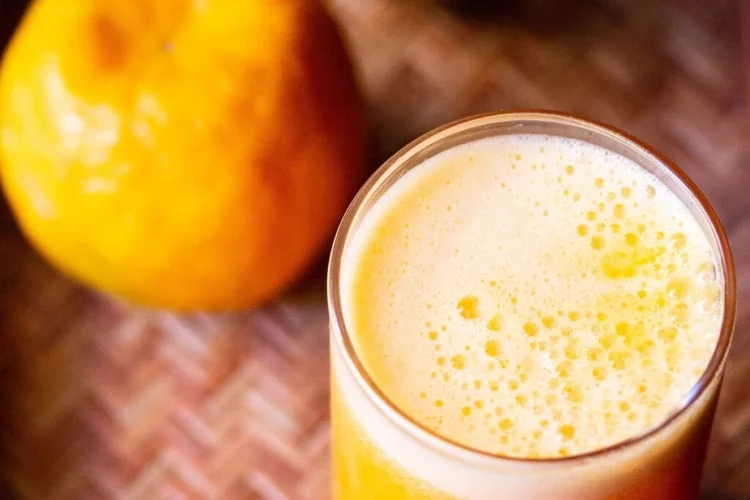
Orange juice plays multiple roles in cooking and baking — it contributes acidity, sweetness, moisture, and a distinct citrus aroma. The right substitute depends entirely on which of those roles matters most in your dish. A marinade needs the acid. A cake needs the moisture and sweetness. A glaze needs the flavor punch. Once you understand that distinction, picking a replacement becomes straightforward.
This guide breaks down the best orange juice substitutes by function, walks you through matching them to specific recipes, and gives you the ratios that actually work. No guesswork required.
Contents
Running out of OJ is the obvious reason, but it's not the only one. Seasonal availability, citrus allergies, and flavor preferences all push cooks toward alternatives. Understanding why orange juice is in a recipe in the first place makes finding the best orange juice substitutes almost intuitive rather than a guessing game.
Orange juice serves three distinct functions, and most recipes lean on just one or two of them. Acidity is the workhorse — it tenderizes proteins in marinades, activates leavening agents in baking, and brightens flavors in sauces. Sweetness provides balance, especially in glazes and dressings where you need to offset salt or vinegar. The citrus aroma rounds things out, contributing that recognizable fragrance that makes dishes smell fresh.
When you identify which role matters, your substitute options expand dramatically. A lemon-honey blend covers acidity and sweetness. Pineapple juice handles sweetness and moisture. Orange juice concentrate dissolved in water works when you specifically need that orange flavor profile and nothing else will do.
Citrus allergies are more common than most people realize, particularly in children. If you're cooking for someone with a citrus sensitivity, you need substitutes that avoid the entire citrus family — not just oranges. Apple juice, white grape juice, and cranberry juice blends all provide acidity and sweetness without triggering reactions. For recipes in the nutrition category, understanding these swap options helps you build meals that are both inclusive and flavorful.
Pro tip: If you're substituting for a citrus allergy, check your vinegar labels too — some flavored vinegars contain citrus extracts that aren't immediately obvious from the product name.
Not all substitutes are created equal. Some nail the flavor, others match the chemistry, and a few do both. Here's what actually works, tested across dozens of recipes.
Tangerine juice is the closest one-to-one swap you'll find. It's sweeter than orange juice with a slightly more floral quality, but the acidity level is nearly identical. Use it at a 1:1 ratio without any adjustments. Clementine and mandarin juice work the same way.
Grapefruit juice brings more bitterness and less sweetness. It's excellent in savory applications like seafood marinades or vinaigrettes, but you'll want to add a teaspoon of honey or sugar per half cup when using it in baking. Lemon juice is the most versatile citrus substitute — sharper and more acidic, so you should dilute it. Use two parts water to one part lemon juice, then add sweetener to taste.
Lime juice follows the same principle as lemon but adds a tropical undertone that works brilliantly in Asian-inspired dishes and Mexican cuisine. It pairs particularly well with recipes that already include cilantro, chili, or coconut.
Apple juice is the most forgiving non-citrus substitute. It matches the sweetness of OJ closely and provides enough acidity for most baking applications. The flavor is neutral enough that it won't fight with other ingredients. Use it at a 1:1 ratio.
Pineapple juice is bolder. It contains bromelain, an enzyme that aggressively tenderizes meat — which makes it a powerhouse in marinades but a poor choice for gelatin-based desserts. White grape juice stays subtle and sweet, making it ideal for light cakes and muffins where you don't want any competing flavor.
Apple cider vinegar mixed with water and a pinch of sugar replicates the acidity of orange juice surprisingly well in savory recipes. Use one tablespoon of vinegar diluted in three-quarters cup of water per cup of OJ called for. It's the kind of swap that sounds wrong but delivers solid results in braised meats and pan sauces.

The best substitute depends on what you're making. A swap that works perfectly in a marinade might ruin a cake. Here's how to match function to recipe type.
In baking, orange juice primarily provides moisture and activates baking soda through its acidity. Your substitute must match both the liquid volume and the pH level, or your rise will suffer. Apple juice and white grape juice are the safest bets — they're close enough in acidity that your leavening chemistry stays intact.
For recipes where orange flavor is central — like orange cranberry muffins or citrus pound cake — use two teaspoons of orange extract mixed into your liquid substitute. Orange zest, if you have it, adds authentic flavor even when the juice itself is missing. One tablespoon of zest replaces roughly a quarter cup of juice in terms of flavor impact, though you'll still need to make up the liquid volume.
If you've ever explored ingredient swaps in other contexts, like finding the right queso fresco substitute for a recipe, you know the principle: match the function first, then worry about exact flavor replication.
Savory applications are more forgiving because you're usually balancing multiple strong flavors. Lemon juice works in almost any savory context where OJ is called for. For Asian-inspired glazes, try rice vinegar sweetened with a tablespoon of honey — it provides the same acid-sweet dynamic without any citrus.
In marinades for poultry and pork, pineapple juice is actually an upgrade over orange juice. The bromelain enzyme breaks down proteins more effectively, giving you more tender results in less time. Just don't exceed two hours of marinating time or the texture turns mushy.
| Substitute | Best For | Ratio (per 1 cup OJ) | Flavor Notes |
|---|---|---|---|
| Tangerine juice | Any recipe | 1:1 | Sweeter, floral — closest match |
| Lemon juice + water | Marinades, sauces | ⅓ cup lemon + ⅔ cup water | Sharper acid, add sweetener for baking |
| Apple juice | Baking, smoothies | 1:1 | Mild, neutral sweetness |
| Pineapple juice | Marinades, glazes | 1:1 | Tropical, enzymatic tenderizing |
| Grapefruit juice | Savory dishes, dressings | 1:1 + sweetener | Bitter, needs sugar balancing |
| White grape juice | Light baking, drinks | 1:1 | Very mild, clean sweetness |
| Apple cider vinegar + water | Savory cooking, braising | 1 tbsp ACV + ¾ cup water | Tangy, no fruit flavor |
| Orange extract + liquid | Orange-flavored baking | 2 tsp extract + 1 cup substitute | Concentrated orange flavor |
Sometimes the substitute isn't just acceptable — it's actually the better choice. Knowing when to skip the OJ entirely gives you an edge.
Pineapple juice in a teriyaki glaze outperforms orange juice every time. The enzymatic action on the meat combined with the caramelization of the natural sugars creates a deeper, more complex flavor. Similarly, lemon juice in fish marinades is superior to orange juice because its sharper acidity cuts through the richness of oily fish without adding sweetness that competes with the natural flavor.
For cocktails and mocktails, passion fruit juice or mango nectar creates a more interesting drink than OJ. Orange juice is the default in many drink recipes simply because it's widely available, not because it's the best option. When you have alternatives on hand, experiment freely.
In salad dressings, grapefruit juice adds a sophisticated bitter note that orange juice can't match. Pair it with honey, olive oil, and a pinch of salt for a vinaigrette that tastes like it came from a restaurant kitchen.
Some recipes genuinely depend on orange juice and won't tolerate substitutes gracefully. Duck à l'orange is the classic example — the entire dish is built around the orange flavor profile, and no substitute captures that specific balance of bitter peel and sweet juice. Crepe suzette falls into the same category.
Orange marmalade recipes need actual orange juice for the pectin interaction and flavor. And if you're making fresh-squeezed OJ for drinking, no substitute will satisfy that craving. Just buy oranges.
Getting the swap right is about more than just pouring one liquid in place of another. Small adjustments make the difference between a passable result and one that nobody questions.
The biggest mistake people make is using lemon or lime juice at a 1:1 ratio. These are significantly more acidic than orange juice — roughly twice as much citric acid per volume. Always dilute them. Start with one part juice to two parts water, taste, and adjust from there.
For baking specifically, if your substitute is less acidic than OJ (like apple juice or grape juice), add half a teaspoon of cream of tartar per cup to maintain the leavening reaction. This is particularly important in recipes that rely on baking soda rather than baking powder, since baking soda needs an acid to activate.
When sweetness is the concern, remember that orange juice contains about 21 grams of sugar per cup. Apple juice is close at 24 grams, making it a near-perfect match. Grapefruit juice sits around 17 grams, so add a tablespoon of sugar or honey to compensate.
Combine two substitutes for a more complex result. Mix half apple juice with half lemon juice (diluted) to get sweetness, acidity, and brightness in one shot. Add a quarter teaspoon of orange extract if you want the citrus aroma without actual orange juice.
Orange zest is your secret weapon. Even when you don't have juice, a single orange yields enough zest to flavor an entire batch of muffins or a full pot of sauce. Dried orange peel, available in the spice aisle, works in a pinch — steep it in warm water for ten minutes to create an infusion that captures the essential oils.
If you've worked with ingredient substitutions before — similar to finding the right lemongrass substitute for a Thai curry — you know that layering multiple partial matches often beats relying on a single replacement.
Having substitutes ready when you need them requires a bit of planning. Fresh citrus juice degrades quickly, but proper storage extends its usefulness significantly.
Fresh-squeezed citrus juice lasts three to four days in the refrigerator when stored in an airtight container. The key is minimizing air exposure — use the smallest container that fits your volume so there's less oxygen in contact with the juice. Glass jars with tight lids work better than plastic, which can absorb and transfer flavors over time.
Bottled lemon and lime juice from the store lasts months in the fridge after opening, but the flavor deteriorates noticeably after about six weeks. For cooking applications where the citrus isn't the star, this is fine. For drinks or desserts where freshness matters, squeeze it fresh.
Apple juice and grape juice from cartons have a seven-to-ten-day window after opening. Pineapple juice is more perishable — use it within five days or freeze it.
Ice cube trays are the best tool for freezing juice in usable portions. Each standard ice cube slot holds roughly two tablespoons, which makes measuring simple when you pull them out later. Freeze the cubes, then transfer them to a freezer bag labeled with the juice type and date.
Frozen citrus juice retains its acidity and flavor for up to six months. Sweetness diminishes slightly after three months, but for cooking purposes, the difference is negligible. Thaw cubes in the refrigerator overnight or drop them directly into hot sauces and marinades where they'll melt instantly.
Orange zest freezes beautifully too. Spread it on a parchment-lined tray, freeze for an hour, then transfer to a small container. Frozen zest lasts up to a year and grates just as well as fresh — sometimes even easier because the frozen texture is firmer.
Yes, but only for flavor — not for volume or acidity. Orange extract is concentrated, so use two teaspoons per cup of OJ called for. You'll still need a liquid base like water or apple juice to replace the volume, and you may need to add a splash of lemon juice or vinegar to match the acidity.
Tangerine juice is the closest match. If you want to go non-citrus, mango nectar blended with a squeeze of lime gives you the tropical sweetness and brightness that OJ normally provides. Apple juice works as a neutral base if you're letting other smoothie ingredients take the lead.
It can if the acidity doesn't match. Orange juice has a pH around 3.5. Apple juice sits at about 3.4, making it a safe swap. If you use a less acidic substitute like grape juice (pH 3.8), add half a teaspoon of cream of tartar per cup to keep your leavening on track.
Water covers the liquid volume but provides zero acidity, sweetness, or flavor. In a pinch, add a tablespoon of lemon juice and a tablespoon of sugar per cup of water to approximate OJ's contribution. This works for marinades and braises but falls short in baking where the acid-leavener chemistry matters more.
In terms of flavor impact, about two tablespoons of zest roughly equals a cup of juice. But zest provides no liquid or acidity, so you'll need to pair it with a liquid substitute. Combine the zest with apple juice or diluted lemon juice for a complete replacement.
You now have every tool you need to handle a missing carton of orange juice without derailing your recipe. Start with the substitute table above, match the function to your dish, and adjust ratios based on acidity and sweetness. The next time a recipe calls for OJ, grab whatever you have on hand and make it work — chances are, you won't even notice the difference on the plate.
 |
 |
 |
 |

About Christopher Jones
Christopher Jones holds an MBA from the University of San Francisco and brings a business-minded approach to kitchen gear evaluation — assessing products not just for performance but for long-term value, build quality, and real-world usability in everyday home cooking. He has spent years testing appliances, cookware, and kitchen gadgets with the same analytical rigor he developed in business school. At BuyKitchenStuff, he covers kitchen appliance reviews, buying guides, and practical cooking tips.
Check for FREE Gifts. Or get our Free Cookbooks right now.
Disable the Ad Block to reveal all the recipes. Once done that, click on any button below
|
|
|
|
