by Christopher Jones
The best sumac substitutes are lemon zest mixed with salt, za'atar seasoning, and lemon juice — each one captures that signature tangy, citrusy punch sumac brings to dishes. Whether you ran out mid-recipe or simply can't find it at your local grocery store, you have plenty of options already sitting in your kitchen. Sumac is a staple in Middle Eastern and Mediterranean cooking, prized for its deep red color and fruity tartness. But you don't need to skip a recipe or make a special trip just because the jar is empty. Check out our cooking guides for more ingredient tips and recipe ideas.
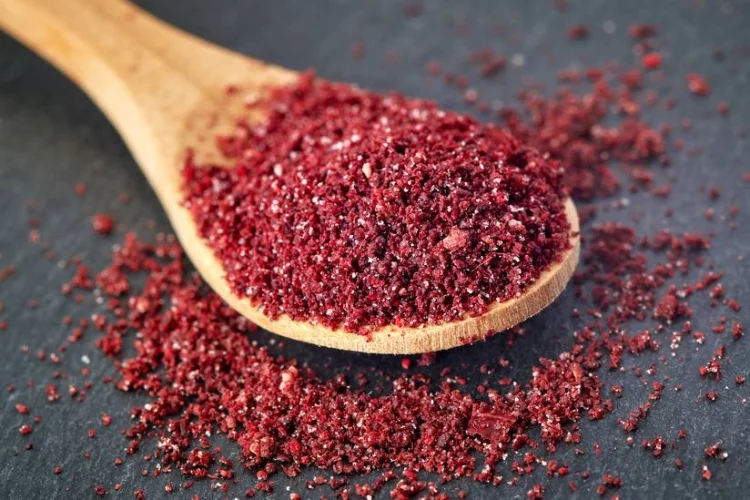
Sumac comes from the dried berries of the Rhus coriaria plant and has been used as a seasoning for centuries across the Middle East, Turkey, and parts of the Mediterranean. According to Wikipedia, it was even used as a souring agent before lemons became widely available in the region. Its flavor sits somewhere between lemon and vinegar — tart, slightly fruity, and a little earthy.
The good news is that several common ingredients can replicate most of what sumac does in a dish. Some work better in dry rubs and spice blends, while others shine in dressings and marinades. Let's break down exactly which substitutes work best and how to use them without ruining your meal.
Contents
Not all sumac substitutes are created equal. Some are grab-and-go options that take zero prep, while others need a little mixing to get the flavor right. Your choice depends on what you're cooking and how close you want to get to the real thing.
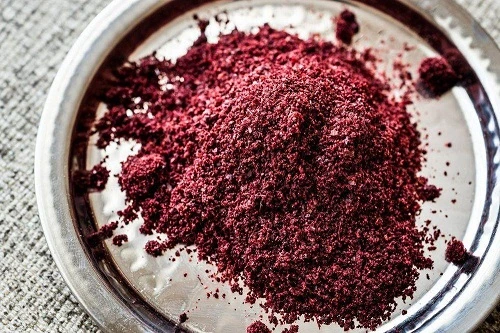
These are your best bet when the recipe calls for sumac as a dry seasoning, spice rub, or garnish:
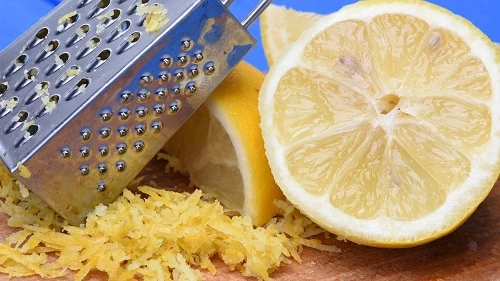
Pro tip: When using lemon zest as a substitute, grate it fresh right before adding. Pre-zested lemon loses its aromatic oils quickly and won't deliver the same punch.
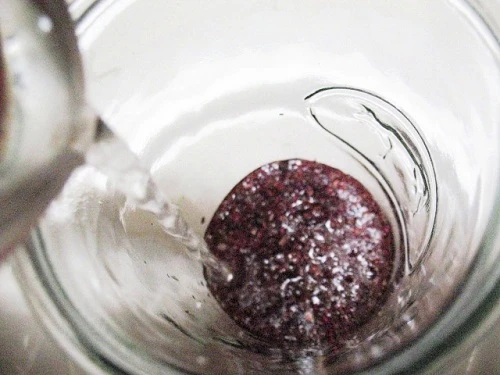
When you're making dressings, marinades, or sauces, a liquid substitute can actually work better than a dry one:
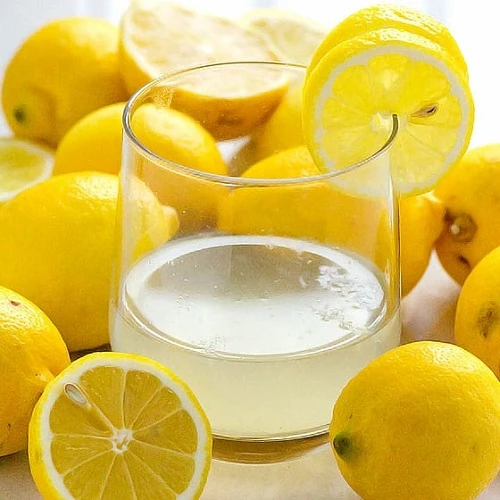
Getting the ratios right matters more than picking the "perfect" substitute. Too much and you'll overpower the dish. Too little and you'll wonder why it tastes flat.
| Substitute | Amount per 1 tbsp Sumac | Best For | Flavor Match |
|---|---|---|---|
| Lemon zest + salt | 1 tbsp zest + ¼ tsp salt | Dry rubs, garnishes | ★★★★★ |
| Za'atar | 1 tbsp | Flatbreads, roasted veggies | ★★★★☆ |
| Lemon pepper | 1 tbsp | Grilled meats, quick seasoning | ★★★☆☆ |
| Lemon juice | 1½ tsp | Dressings, marinades, sauces | ★★★★☆ |
| Red wine vinegar | 1½ tsp | Salads, dipping sauces | ★★★☆☆ |
| Tamarind paste | 1 tsp (diluted) | Curries, stews, glazes | ★★★★☆ |
Sumac rarely works alone in traditional recipes, and your substitutes shouldn't either. Here are combinations that get you closer to the real deal:
These blends work especially well in recipes where sumac plays a supporting role rather than being the star. If you enjoy exploring different spice combinations, our guide on improving your digestion covers how certain spices can also support gut health.
This is the number one mistake people make. Sumac is tart, yes, but it's a gentle tartness — more of a slow build than a sharp hit. Lemon juice and vinegar are much more aggressive.
Start with half the recommended amount and taste as you go. You can always add more acidity. You can't take it away once it's in there. This is especially important in cooked dishes where the acid concentrates as moisture evaporates.
Warning: Adding lemon juice to a hot pan can cause splattering and also destroys some of the bright citrus flavor. For cooked dishes, add your liquid substitute in the last few minutes of cooking.
A liquid substitute in a dry rub turns your spice blend into a paste. A dry substitute in a vinaigrette leaves gritty bits at the bottom of the bowl. Match the form to the function:
There's a lot of bad advice floating around about replacing sumac. Let's clear up the biggest misconceptions:
"Paprika works as a sumac substitute." This one comes up constantly. Paprika looks similar — that deep red color — but the flavor is completely different. Paprika is smoky and sweet, not tart. It'll change the color of your dish but do nothing for the tang. The only scenario where paprika helps is when combined with lemon zest, and even then it's just adding color.
"Any citrus juice will work the same." Not quite. Orange juice is too sweet. Grapefruit is too bitter. Lime works in a pinch but has a sharper, more tropical flavor that can clash with Middle Eastern spice profiles. Lemon is your safest bet because its acidity level and flavor are closest to sumac.
"You can just leave sumac out entirely." Technically you can, but you'll notice the difference. Sumac adds a layer of brightness that balances rich, fatty, or heavy dishes. Without it (or a substitute), those dishes can taste flat or one-note. Even a squeeze of lemon at the end is better than nothing.
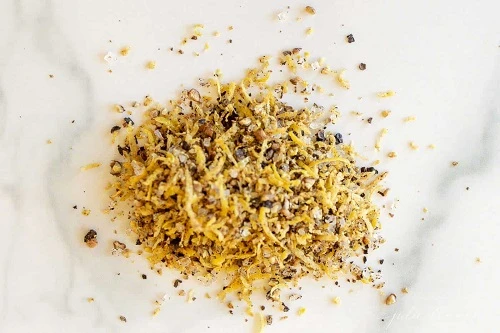
Every substitute has trade-offs. Here's an honest breakdown so you can make the right call for your recipe:
Lemon Zest + Salt — The closest flavor match you'll find. Fresh, bright, and works in almost any dish. The downside? You need a fresh lemon on hand, and the zest loses potency fast once grated.
Za'atar — Convenient and flavorful, plus it already contains sumac in most blends. However, the added thyme and sesame seeds change the flavor profile. Not ideal if you want pure tartness.
Lemon Pepper Seasoning — Easy to find at any grocery store and requires zero prep. On the other hand, commercial blends are heavy on salt and often contain additives. Read the label before buying.
Lemon Juice — Available everywhere and adds clean acidity. But it introduces moisture, which can be a problem in dry applications. Also more one-dimensional than sumac's complex flavor.
Tamarind Paste — The most complex flavor match with its sweet-sour depth. The catch is that it's harder to find, more expensive, and can overpower dishes if you use too much.
Quick tip: Keep a small jar of za'atar in your spice rack as an all-purpose sumac backup. It lasts for months in an airtight container and works in most recipes where you'd reach for sumac.
You don't need fancy equipment, but a few basic tools make substituting for sumac easier and more accurate:
Keeping your spice tools clean and organized also helps. A good food storage setup keeps your substitute blends fresh for longer.
Sumac has a tangy, slightly fruity flavor similar to lemon but less sharp. It adds brightness and a subtle earthiness to dishes without the moisture that citrus juice brings. Think of it as a milder, more complex version of lemon zest.
Yes, but stick with dry substitutes like lemon zest. Liquid substitutes such as lemon juice or vinegar change the moisture content of baked goods and can affect how they rise. Use the same amount of zest as you would sumac.
No. Za'atar is a spice blend that typically contains sumac along with dried thyme, oregano, and sesame seeds. It has a more complex, herbaceous flavor compared to sumac alone. It works as a substitute but adds extra flavors to your dish.
Pre-mixed dry substitutes like lemon zest and salt last about one week in an airtight container in the fridge. Za'atar and lemon pepper keep for several months in a cool, dark place. Liquid substitutes should be used fresh for the best flavor.
Look for ground sumac at Middle Eastern grocery stores, specialty spice shops, or online retailers. It's becoming more common in the international aisle of regular supermarkets too. Make sure the label lists sumac as the only ingredient with no fillers.
Absolutely. Combining lemon zest with a small splash of vinegar or mixing za'atar with a squeeze of lemon can get you closer to sumac's full flavor profile. Just be careful not to overdo the acidity — add gradually and taste as you go.
 |
 |
 |
 |

About Christopher Jones
Christopher Jones holds an MBA from the University of San Francisco and brings a business-minded approach to kitchen gear evaluation — assessing products not just for performance but for long-term value, build quality, and real-world usability in everyday home cooking. He has spent years testing appliances, cookware, and kitchen gadgets with the same analytical rigor he developed in business school. At BuyKitchenStuff, he covers kitchen appliance reviews, buying guides, and practical cooking tips.
Check for FREE Gifts. Or get our Free Cookbooks right now.
Disable the Ad Block to reveal all the recipes. Once done that, click on any button below
|
|
|
|
