by Christopher Jones
If you want to eat well without spending an hour in the kitchen every single night, easy healthy meal prep recipes are exactly what you need. Batch a few core meals once a week, stock your fridge with ready-to-go containers, and your nutrition becomes almost effortless. For a broader look at eating smart, start with our nutrition resource hub.

Meal prepping isn't about eating the same bland food on repeat. It's a system — a way to turn a couple of hours on the weekend into a full week of nutritious, satisfying meals. You spend less time deciding what to eat, less money on takeout, and less energy stressing over dinner at 6 p.m. when willpower is lowest.
This guide covers easy healthy meal prep recipes by meal type, the kitchen strategies that make consistency achievable, and the specific mistakes that trip up most home cooks. Whether you're new to batch cooking or ready to sharpen an existing routine, you'll find something here you can use this week.
Contents
Meal prep works for nearly everyone, but it delivers the most value in specific situations. Understanding where it helps most lets you invest your prep time where it actually counts.
If your weekdays leave you with 30 minutes or less to prepare food, meal prep is a game-changer. You come home, open the fridge, reheat, and eat. No recipe to follow. No chopping. No cleanup beyond a fork and a container.
Even a 90-minute Sunday session produces five days of ready-to-eat breakfasts, lunches, and snacks. That's the core promise of easy healthy meal prep recipes done efficiently — front-load the work so your weekdays require almost no effort.
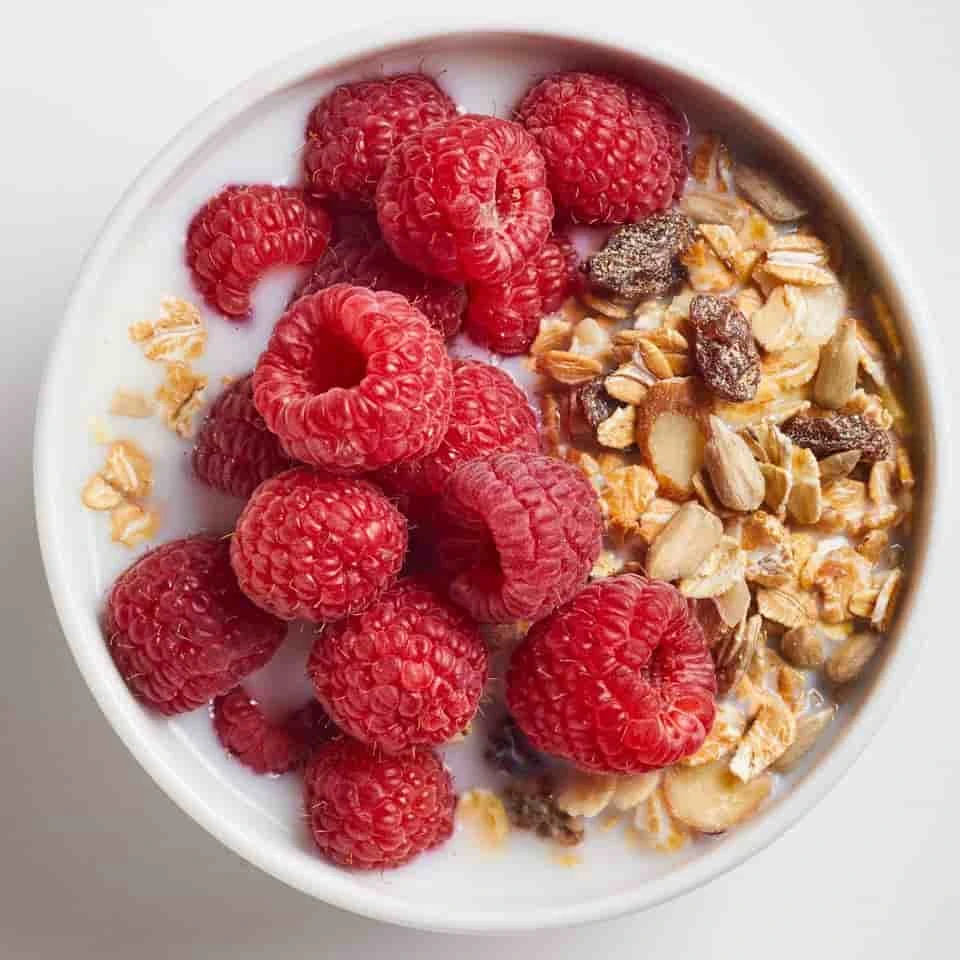
Breakfast is the easiest win. Overnight oats, egg muffins, and pre-portioned smoothie bags take under 20 minutes to prep for an entire week. Our guide to healthy breakfast recipes for weight loss offers a rotating lineup that keeps mornings interesting without adding any weekday prep time.
Portion control becomes simple when your meals are pre-made. You're not guessing serving sizes at 7 p.m. when hunger clouds your judgment — you've already done the math during prep. Research from the CDC's healthy eating resource center consistently links structured meal planning with improved dietary quality and better weight management outcomes.
Buying ingredients in bulk and cooking them yourself beats ready-made meals on cost every time. A week's worth of healthy lunches can run as little as $18–$22 when you prep at home — versus $50–$70 buying the same meals individually.
Pro tip: Build your weekly prep around whatever protein and produce is on sale that week — this one habit alone can cut your grocery bill by 25–30% without sacrificing nutrition quality.
Good technique separates efficient meal preppers from those who spend four hours on Sunday and still run out of food by Wednesday. These strategies tighten your process without adding complexity.
Batch cooking means making large quantities of a few key components — not necessarily full meals — that you combine throughout the week. Think grains, proteins, and roasted vegetables as separate, interchangeable building blocks.
For lunch-specific ideas that complement this modular system, our guide to healthy lunch recipes for weight loss covers high-protein, low-calorie combinations that keep your energy steady through the afternoon without causing the mid-afternoon crash that derails most people's diets.
The right containers make a real difference in how long food stays fresh — and whether you actually eat what you prep. Glass containers with locking lids are worth the upfront investment. You can see what's inside, they go from fridge to microwave in seconds, and they don't absorb odors like cheap plastic does.
| Food Type | Fridge Life | Freezer Life | Best Container |
|---|---|---|---|
| Cooked grains (rice, quinoa, farro) | 4–5 days | 2–3 months | Glass with lid |
| Cooked chicken breast | 3–4 days | 2–3 months | Airtight glass or BPA-free plastic |
| Roasted vegetables | 4–5 days | 1–2 months | Glass container |
| Soups and stews | 4–5 days | 3–4 months | Freezer-safe glass or silicone bags |
| Hard-boiled eggs | 7 days (unpeeled) | Not recommended | Covered bowl or sealed container |
| Fresh salad greens | 3–5 days | Not recommended | Container lined with dry paper towel |
| Overnight oats | 4–5 days | 1 month | Mason jar with lid |
Even experienced preppers hit walls. Here's how to handle the issues that cause most people to abandon their routine within the first month.
Eating the same four meals on rotation gets old fast. The fix isn't making more variety — it's building modular components that combine differently each day. Same ingredients, completely different experience.
Food spoiling before you eat it is both wasteful and discouraging. The solution is a combination of proper cooling technique, airtight storage, and strategic freezing from the start.
Meal prepping isn't a perfect system for every lifestyle. Here's an honest look at what you genuinely gain — and what you need to plan around.
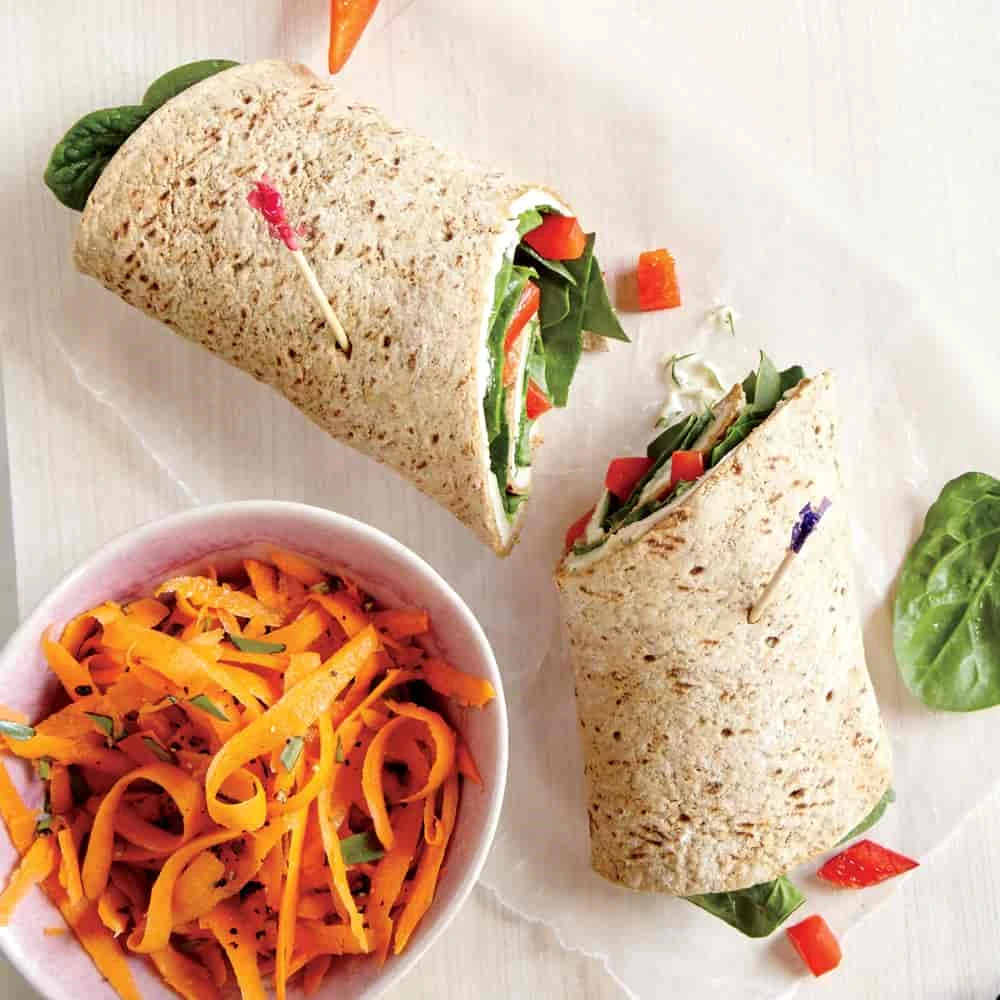
If you're building easy healthy meal prep recipes around lean proteins, our breakdown of healthy ground turkey recipes for weight loss shows how one versatile protein stretches across multiple meal types in a single batch — bowls, stuffed peppers, lettuce wraps, and more.
Important: Never store more than five days of perishable cooked food in the fridge at once — anything beyond that belongs in the freezer, not sitting at the back of a shelf.
These are the errors that cause people to quit meal prepping after a few weeks. Knowing them upfront saves you the frustration of learning them through failed batches and wasted groceries.
The number one beginner mistake is choosing recipes that are too complex for batch cooking. A dish that takes 45 minutes to make one serving is a special occasion dinner — not a meal prep staple.
Flimsy takeout containers don't seal properly, don't stack efficiently, and degrade your food faster than necessary. Investing in quality meal prep containers is one of the highest-return purchases you can make for your kitchen — it pays off in better food, less waste, and a more organized fridge.
Your approach to meal prep should match your current experience level. Starting too ambitiously causes burnout. Starting too simply leaves you underwhelmed with the results. The progression matters.
If you've never prepped before, start with just two meals: breakfast and lunch. That alone eliminates the daily decisions that push most people toward poor food choices.
The best easy healthy meal prep recipes for beginners use five ingredients or fewer and a single cooking method. Complexity comes later — once the habit is locked in and the system runs on autopilot.
Once the basics are solid, you can layer in efficiency upgrades that save more time and meaningfully expand your weekly variety.
Consistency is what separates people who use meal prep as a permanent lifestyle tool from those who try it for two weeks and abandon it. These practices keep the system running long-term without requiring constant motivation.
Pick one day as your dedicated prep day and protect it like any other appointment. Most people choose Sunday, but any day works as long as it comes before your busiest stretch of the week.
Our nutrition section includes weekly recipe roundups that make planning your prep menu faster — especially useful when you're expanding beyond your first rotation of recipes and need fresh ideas backed by solid nutritional reasoning.
A fixed menu of four recipes will bore you within a month — that's simply human nature. Build a rotation of 12 to 15 tested recipes and cycle through them. Three weeks of variety before anything repeats is enough to keep meal prep sustainable indefinitely.
Treat your recipe rotation like a curated playlist — it reflects your tastes, gets refreshed regularly, and never feels like a chore to run through. Easy healthy meal prep recipes work best when they're part of a deliberate system, not a random collection of things that seemed appealing at the time.
Prep four to five days of food at most for perishable items like cooked proteins and grains. For anything beyond five days, freeze portions immediately after they cool. This keeps your food safe and at peak texture and flavor throughout the week.
Chicken breast, ground turkey, hard-boiled eggs, canned fish, and legumes like chickpeas and lentils are all excellent choices. They cook quickly in large batches, hold well in the fridge for three to five days, and adapt to multiple flavor profiles so they don't become repetitive across the week.
Yes — the key is storing the dressing separately and not combining it until you sit down to eat. Layer your salad containers with the heaviest ingredients at the bottom (grains, roasted vegetables, protein) and the greens on top. Dress and toss only at mealtime, and your salad stays crisp for up to four days.
Use modular components rather than complete pre-assembled meals. Cook a protein, a grain, and a vegetable separately, then combine them differently each day using different sauces, toppings, and bases. This single approach eliminates most meal boredom without requiring you to cook more food or spend more time prepping.
A sharp chef's knife, a large cutting board, at least two quality sheet pans, an instant pot or slow cooker, and a full set of airtight glass containers with matching lids cover the core meal prep toolkit. These tools cut your active prep time by 30 to 40 percent compared to working with basic or mismatched equipment.
 |
 |
 |
 |

About Christopher Jones
Christopher Jones holds an MBA from the University of San Francisco and brings a business-minded approach to kitchen gear evaluation — assessing products not just for performance but for long-term value, build quality, and real-world usability in everyday home cooking. He has spent years testing appliances, cookware, and kitchen gadgets with the same analytical rigor he developed in business school. At BuyKitchenStuff, he covers kitchen appliance reviews, buying guides, and practical cooking tips.
Check for FREE Gifts. Or get our Free Cookbooks right now.
Disable the Ad Block to reveal all the recipes. Once done that, click on any button below
|
|
|
|
