Kitchen Gadgets & Equipment Reviews ›
by Christopher Jones
According to a 2025 National Kitchen & Bath Association survey, nearly 72% of homeowners replace their cabinet liners within two years because they chose the wrong type for their kitchen environment. That's a lot of wasted money and frustration — and it's almost entirely avoidable with a little upfront research. Shelf liners sit quietly inside your cabinets doing thankless work: absorbing spills, preventing scratches, keeping plates and glasses from sliding around every time you open a door. They're one of the cheapest upgrades you can make, yet the wrong pick can turn into a sticky, curling mess faster than you'd expect.
The market in 2026 has expanded well beyond the basic rubber mats your grandparents used. You'll find everything from thick cushioned fabric liners with waterproof backing to clear adhesive films designed to protect and preserve the wood underneath. Some are built for wire shelving in pantries. Others target the heavy-duty demands of kitchen cabinets that see daily use. The differences matter more than most people realize — grip strength, thickness, washability, and whether a liner uses adhesive or friction-based grip all affect how well it performs over months and years of use.
We spent weeks evaluating seven of the most popular shelf liners available on Amazon right now, comparing them across material quality, ease of installation, grip performance, cleaning convenience, and long-term durability. Whether you're lining a full set of kitchen cabinets during a remodel or just refreshing a few drawers, this guide will help you find the right match. If you're also tackling kitchen organization more broadly, you might want to check out our guide to the best food storage containers — keeping your shelves lined and your food properly stored go hand in hand.


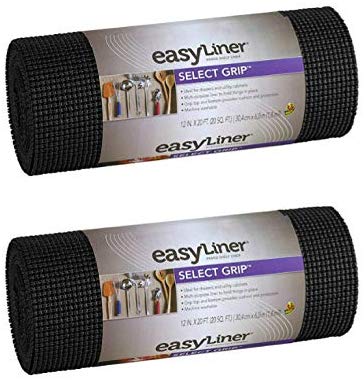
The Duck Brand Select Grip EasyLiner has been a household staple for years, and the 2026 version continues that legacy without complicating things. This is a straightforward non-adhesive liner that relies on a textured grip surface on both the top and bottom to hold itself in place and keep your items from sliding around. At 12 inches wide and 10 feet long, a single roll covers a decent amount of shelf space in standard kitchen cabinets. The material is lightweight but provides a noticeable cushioning effect that protects both your shelves and whatever you place on them.
Installation is about as simple as it gets. You unroll the liner, cut it to size with ordinary scissors, and lay it down. No peeling, no sticking, no fighting with backing paper. If you need to reposition it, you just pick it up and try again. This makes it especially practical for renters who can't make permanent modifications, or for anyone lining cabinets in an RV or camper where vibration and movement are constant concerns. The grip holds up surprisingly well on the road — items stay put even during travel, which is a genuinely useful feature if you spend time in a recreational vehicle.
Where the Duck Brand falls short is in its resistance to moisture. It's not waterproof, and it doesn't absorb spills the way fabric-based liners do. If a bottle of cooking oil tips over, you'll need to pull the liner out and clean both it and the shelf underneath. The material is also on the thinner side compared to premium options like the Drymate or Gorilla Grip, so if you're looking for substantial protection against heavy pots and pans scratching up your cabinet surfaces, you may want something more robust. That said, for the price point and the sheer simplicity of the product, it's hard to beat for basic drawer and shelf lining in low-traffic cabinets.
Pros:
Cons:
If moisture is your primary concern — and in a kitchen, it probably should be — the Drymate Premium Luxury Liner is the standout choice in this roundup. This is a USA-made product built on Drymate's patented material technology, which combines an absorbent fabric top layer with a completely waterproof backing. When something spills, the fabric wicks it up and holds it while the waterproof bottom prevents any liquid from reaching your shelf surface. It's a fundamentally different approach from standard PVC or rubber liners, and it works remarkably well.
The two-pack includes liners measuring 12 inches by 59 inches each, which gives you just under 10 total feet of coverage. The material is noticeably thicker than budget options at 0.13 inches, providing genuine cushioning that protects cabinet surfaces from scratches and scuffs caused by sliding dishes, heavy pots, or the bottoms of canned goods. The slip-resistant backing keeps the liner from bunching up or shifting around, a common annoyance with thinner products. You can cut it to any size with regular scissors, and the fabric edges don't fray — a small detail that makes a big difference in how clean and finished everything looks inside your cabinets.
The versatility extends beyond kitchen cabinets. These liners work beautifully in pantries, laundry rooms, bathroom vanities, and office drawers. The absorbent surface is particularly useful under bathroom sinks where small leaks can go unnoticed and cause expensive water damage over time. The main drawback is the price: Drymate liners cost significantly more per linear foot than basic options. You're also getting less total length in the package compared to products like the Gorilla Grip or the generic non-slip liner. But if you've ever dealt with the headache of water-stained or warped cabinet shelves, you already know that the cost of prevention is a fraction of the cost of replacement. For kitchens where spills are a daily reality, this liner earns its premium price tag.
Pros:
Cons:
Gorilla Grip has built a reputation around products that hold on tight, and their powerGRIP liner lives up to the name. This is a 12-inch by 20-foot roll, giving you more coverage per package than most competitors — enough to line a full set of kitchen cabinets without buying multiple rolls. The material is thick, durable, and engineered with what the company calls "superior gripping technology" on both surfaces. In practical terms, this means the liner sticks to your shelf through friction alone, and the items you place on it stay exactly where you put them.
The non-adhesive design is key here. Unlike contact paper or adhesive-backed liners, the Gorilla Grip won't leave residue on your shelves when you eventually remove or replace it. This makes it a strong choice for rental kitchens or for anyone who likes to change things up periodically. The tear-resistant construction also sets it apart — cheaper liners sometimes rip when you're cutting them to size or pulling them out for cleaning, but the Gorilla Grip material handles rough treatment without falling apart. It provides meaningful surface protection against dirt, debris, and the minor scratches that accumulate over time from everyday use.
The beige color option reviewed here blends nicely into most cabinet interiors, giving drawers and shelves a refreshed, uniform appearance. If you're someone who enjoys maintaining an organized kitchen — perhaps pairing lined cabinets with proper rice storage containers and labeled bins — this liner provides the visual foundation that makes everything else look more intentional. The grip performance is excellent on smooth surfaces like laminate and painted wood, though it can be slightly less effective on rough or textured shelf surfaces where the friction contact is uneven. For most standard kitchen cabinets, however, it performs exactly as advertised.
Pros:
Cons:
Wire shelving is a special challenge that most shelf liners aren't designed to solve. The gaps between wires let crumbs, small items, and spills fall through to the shelf below, creating a mess that's annoying to clean and unsanitary to ignore. The Clorox Solid Grip Liner tackles this problem directly with a solid surface construction that turns wire racks into flat, usable shelves. This six-roll project pack gives you six rolls at 20 inches wide and 6 feet long each — that's 36 total feet of coverage, enough to handle most pantry and closet wire shelving systems in a single purchase.
The wider 20-inch format is worth noting. Most liners in this category come in 12-inch widths, which works fine for standard cabinet shelves but falls short on the deeper wire racks commonly found in pantries, closets, and storage areas. At 20 inches, the Clorox liner covers these wider shelves without requiring you to piece together multiple strips side by side. The non-adhesive grip on both surfaces keeps the liner anchored to the wire rack while preventing items from sliding around on top. It's not just about organization — it's about creating a stable, functional surface where one didn't exist before.
One of the most practical features is machine washability. You can toss these liners in the washing machine with cold water and lay them flat to dry. For everyday messes, a quick wipe with a damp cloth does the job. This is a significant advantage in pantries where food particles and small spills are inevitable. The Clorox brand name also carries weight here — the company is synonymous with cleanliness, and the product feels purpose-built for hygiene-conscious households. The only real limitation is that the material, while solid enough to bridge wire gaps, isn't as thick or cushioned as options like the Drymate. It's solving a different problem, though, and it solves it well.
Pros:
Cons:
The BAGAIL liner takes a different approach to the durability question. Made from high-quality PVC material with an open grid structure, this liner is engineered to resist the warping, wrinkling, and deformation that plague cheaper alternatives over time. If you've ever installed a liner only to find it curled up at the edges three months later, you'll appreciate BAGAIL's emphasis on laying flat and staying flat indefinitely. The 12-inch by 10-foot roll in black offers a sleek, modern look that works particularly well in contemporary kitchens with dark cabinetry.
The open grid design serves a dual purpose. It allows air to circulate underneath, preventing the musty smell that can develop when moisture gets trapped between a solid liner and a shelf surface. At the same time, the grid provides thick cushioning that absorbs impacts and prevents dishes, glasses, and cookware from scratching your cabinet surfaces. The grid pattern also functions as a built-in cutting guide — you can follow the lines to cut straight, clean edges without needing to measure or mark anything. This is a small but genuinely helpful feature that makes installation faster and more precise than with liners that require freehand cutting.
Strong dual-sided grip holds the liner firmly without any adhesive, and cleaning is as simple as wiping with a damp cloth. The PVC construction is resistant to most kitchen substances including oils, sauces, and cleaning products, so the liner maintains its appearance and grip performance through regular use. The black color can show dust and light crumbs more visibly than lighter-colored liners, which means you'll either need to wipe it down more frequently or accept a bit of visible debris between cleanings. For anyone prioritizing long-term performance without replacement, though, the BAGAIL is built to outlast most of its competitors. It pairs nicely with other organizational investments — if you're the type who keeps your freezer organized with dedicated baskets, extending that same care to your cabinet shelves makes a real difference.
Pros:
Cons:
When you need to line every cabinet, drawer, and shelf in your kitchen without spending a fortune, this generic non-slip liner delivers the best footage-per-dollar ratio in our roundup. At 12 inches wide and a generous 20 feet long, a single roll gives you enough material to cover a significant portion of a standard kitchen's cabinet space. The double-sided ribbed texture provides reliable grip that keeps both the liner and your items from sliding around. It's not fancy, but it gets the fundamental job done at a price that won't make you think twice about covering every surface.
The material is oil-proof and washable, two features that matter enormously in a kitchen environment. Cooking oil has a way of migrating to places you never intended — the bottoms of bottles, the undersides of cutting boards, the surfaces of spice jars. An oil-proof liner means you can wipe up these messes without the oil soaking in and creating permanent stains or degrading the material. The washability factor is equally practical: when a full cleaning is needed, you can remove the liner, wash it with soap and water, let it dry, and put it right back. Most budget liners in this price range don't hold up well to repeated washing, but the ribbed PVC construction here maintains its shape and grip through multiple cleaning cycles.
Beyond kitchen cabinets, this liner finds useful applications in refrigerators, shoe racks, desks, and storage shelves throughout your home. Some users even cut it into small pieces to use as coasters or plant pot mats — the DIY versatility is a nice bonus. The trade-offs are predictable for the price point: thinner material than premium options, less cushioning, and a somewhat utilitarian appearance. The ribbed texture can also trap very fine crumbs in the grooves, requiring a more thorough wipe-down than smooth-surface liners. But if your priority is covering maximum surface area on a budget, this is the liner that makes the math work.
Pros:
Cons:
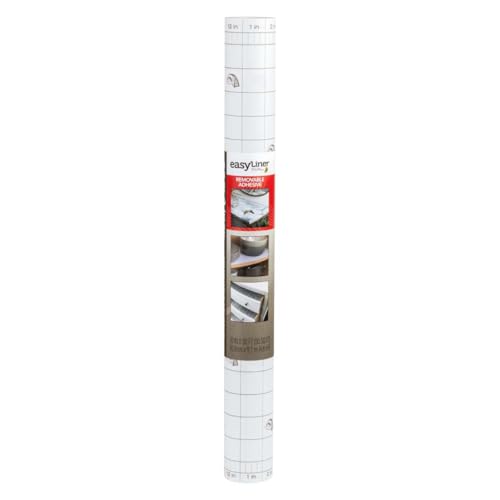
This is the outlier in our lineup, and intentionally so. The Duck EasyLiner Clear Adhesive is a peel-and-stick laminate film rather than a traditional cushioned liner. It serves a fundamentally different purpose: instead of sitting on top of your shelves as a removable mat, it adheres directly to the surface as a protective film. Think of it as a transparent shield that guards against scratches, stains, and moisture damage while letting the natural finish of your shelves show through. At 20 inches wide and 30 feet long, a single roll provides an enormous amount of coverage.
The adhesive backing includes printed guidelines on the paper liner for measuring and cutting, which takes the guesswork out of achieving straight lines and precise fits. You measure, cut, peel the backing, and stick it down — a process that's straightforward but requires more care than laying a non-adhesive mat. Bubbles and wrinkles are the enemy here, and taking your time during application pays dividends in the finished result. The clear material is genuinely removable, though "removable" in adhesive liner terms means you can peel it off without damaging the surface, not that it peels off effortlessly like a sticky note. Older adhesive that's been in place for years will require more effort to remove.
Where this liner excels is in applications beyond traditional shelf lining. It's excellent for covering and protecting recipe cards, book covers, flash cards, and other paper items — essentially functioning as a cold lamination film. Inside cabinets, the clear adhesive creates a wipeable, moisture-resistant surface that's especially useful on raw wood or painted shelves that would otherwise absorb stains. The downside is that it provides virtually no cushioning or grip. Items placed on the smooth surface can slide more easily than they would on a textured mat liner. For this reason, it works best in cabinets where items sit flat and stable — think stacked plates or stationary appliances — rather than in drawers where things shift every time you open and close them. You can explore more kitchen shelf liners on our category page for additional options.
Pros:
Cons:
This is the first decision you need to make, and it shapes everything else. Non-adhesive liners use friction or textured grip to stay in place. They're easier to install, simple to remove, and leave no residue behind. Six of the seven products in this roundup fall into this category for good reason — most people want a liner they can lay down quickly, adjust as needed, and replace without hassle. Adhesive liners like the Duck EasyLiner Clear bond directly to your shelf surface, creating a permanent protective layer that won't shift or bunch. They're ideal when you want to preserve the underlying surface long-term but aren't practical if you like to change liners seasonally or move frequently.
Consider your living situation. If you rent, non-adhesive is almost always the better choice — your landlord won't appreciate adhesive residue on the cabinet shelves. If you own your home and want lasting protection for expensive cabinetry, an adhesive film can be worth the extra installation effort. Most kitchen cabinet situations are best served by a quality non-adhesive liner that you can remove and wash periodically.
Shelf liner materials range from thin PVC films to thick cushioned fabrics, and the right choice depends on what you're storing and what you're protecting against. Thin liners (like the Duck Brand Select Grip or the generic non-slip liner) work well for lightweight items in drawers and utility cabinets. They cover the surface, prevent minor scratches, and keep things from sliding. But if you're storing heavy cookware, ceramic dishes, or glass items, a thicker liner like the Drymate or Gorilla Grip provides the cushioning needed to prevent chips, cracks, and surface damage.
Thickness also correlates with durability. Thinner liners tend to wear out faster, developing tears, wrinkles, or permanent compression marks under heavy items. A thicker liner maintains its shape and grip performance longer, making it the better long-term investment even at a higher upfront cost. Pay attention to the material's resistance to common kitchen substances — oils, acidic sauces, cleaning chemicals, and moisture. PVC and fabric liners with waterproof backing handle these challenges far better than basic foam or paper alternatives. According to the Wikipedia entry on PVC, polyvinyl chloride is inherently resistant to moisture and most household chemicals, which explains its dominance in this product category.
Before you buy anything, measure your shelves. It sounds obvious, but many buyers end up short on material or stuck with excessive waste because they guessed instead of measuring. Note both the width and depth of each shelf you plan to line. Standard kitchen cabinet shelves typically fall between 10 and 14 inches deep, which aligns well with the 12-inch width most liners come in. Deeper pantry shelves and wire racks may need wider liners like the 20-inch Clorox option.
Calculate total linear footage across all the shelves you want to cover, then add about 15% for cutting waste and mistakes. If you're lining an entire kitchen — say, 15 to 20 individual shelves — a product with generous roll length like the Gorilla Grip (20 feet) or the non-slip cabinet liner (20 feet) will stretch further and cost less per foot than buying multiple smaller rolls. For selective lining of just a few key cabinets, shorter rolls like the Duck Brand (10 feet) or Drymate (59 inches per piece) may be all you need without leftover waste.
Every liner gets dirty eventually. How easy it is to clean determines whether you'll actually maintain it or let it deteriorate. Machine-washable liners like the Clorox Solid Grip offer the most convenient cleaning path — throw them in the washer, lay flat to dry, and reinstall. Wipe-clean liners made from smooth PVC require nothing more than a damp cloth for routine maintenance. Textured or gridded liners like the BAGAIL can trap debris in their surface patterns, requiring slightly more effort to get fully clean.
Fabric liners like the Drymate present a middle ground. They absorb spills (which is their purpose), but they also need periodic washing to prevent odor buildup from absorbed liquids. The waterproof backing means you don't need to worry about damage to the shelf underneath, but the liner itself needs attention. Think about your cleaning habits honestly. If you're unlikely to remove and wash liners regularly, choose a material that stays presentable with minimal maintenance — smooth PVC wiped down monthly is the lowest-effort approach that still keeps your cabinets looking good.

Most quality shelf liners last between one and three years before needing replacement, depending on material quality and how heavily the cabinets are used. Signs that it's time to replace include visible wear, loss of grip (the liner slides around when you place items), persistent stains that won't clean out, and curling or warping at the edges. Thick PVC liners and fabric liners with waterproof backing tend to last longest. Budget liners may need replacement annually, especially in high-traffic cabinets that get opened multiple times daily. A good rule of thumb: if you can see the outline of where items sat permanently compressed into the liner, the cushioning is spent and it's time for a new one.
Yes, but you need the right type. Standard thin liners will sag through the wire gaps and defeat the purpose. Look for solid-surface liners specifically designed for wire shelving, like the Clorox Solid Grip, which bridge the gaps between wires and create a flat, usable surface. The liner should be thick enough to support the weight of items without sagging or bowing between wires. Wider formats (18-20 inches) typically work better on pantry wire shelving than standard 12-inch rolls, since most wire racks are deeper than conventional cabinet shelves. Some people double up thinner liners for extra rigidity, but a purpose-built wire shelf liner is a better solution.
Modern adhesive shelf liners labeled as "removable" are designed to peel off without damaging surfaces, and most do exactly that — if removed within a reasonable timeframe. The longer adhesive stays in place, the more it bonds with the surface underneath, especially in warm kitchen environments where heat can cure the adhesive further. Liners removed within one to two years generally come off cleanly. Liners that have been in place for five or more years may leave residue that requires a solvent like Goo Gone to fully remove. If you're concerned about surface damage, test a small strip in an inconspicuous spot first and remove it after a week to check for residue. Non-adhesive liners eliminate this concern entirely.
Prioritize the areas that see the most use and store the heaviest or most fragile items. The shelves holding everyday dishes, glasses, and mugs benefit most from lining since these items are moved frequently and can scratch cabinet surfaces. Drawers holding utensils and tools are another high-priority area. Lower cabinets storing heavy pots, pans, and appliances also benefit from thick, cushioned liners that absorb impact. Upper cabinets used for long-term storage of rarely accessed items are lower priority — a basic liner is fine or you can skip them entirely. If you're on a budget, line the high-use areas with quality liners and either skip or use budget liners for the rest.
Start by measuring the exact dimensions of each shelf or drawer bottom. Add about a quarter inch to each measurement — it's easier to trim excess than to deal with a liner that's slightly too small and shifts around. Use sharp scissors rather than a utility knife, as scissors give you more control on the flexible material and reduce the chance of an uneven cut. For grid-patterned liners like the BAGAIL, follow the grid lines for perfectly straight cuts without needing to mark anything. For rolls without grid lines, use a straightedge and a light pencil mark on the back side. Always unroll the liner and let it flatten for a few hours before cutting — cutting a still-curled liner leads to inaccurate measurements and uneven edges.
Most shelf liners sold for kitchen use are made from food-safe materials, but they're not designed for direct food contact. They're meant to line the surfaces underneath containers, boxes, cans, and bags — not to serve as a surface where you place unwrapped food. PVC liners may contain plasticizers, and fabric liners may have chemical treatments for waterproofing or antimicrobial properties. For pantry shelves storing packaged goods, this is a non-issue. If you store items like loose produce on a shelf, place a clean plate or container between the food and the liner. Check the product listing for any specific food-safety certifications if direct contact is a concern for your use case.
The best shelf liner isn't the most expensive one — it's the one that matches your shelves, your stuff, and your willingness to maintain it.
 |
 |
 |
 |

About Christopher Jones
Christopher Jones holds an MBA from the University of San Francisco and brings a business-minded approach to kitchen gear evaluation — assessing products not just for performance but for long-term value, build quality, and real-world usability in everyday home cooking. He has spent years testing appliances, cookware, and kitchen gadgets with the same analytical rigor he developed in business school. At BuyKitchenStuff, he covers kitchen appliance reviews, buying guides, and practical cooking tips.
