Kitchen Gadgets & Equipment Reviews ›
by Christopher Jones
You're standing in the baking aisle, staring at a wall of cocoa powders, and the word "organic" is plastered on half of them. But not all organic cocoa powders are created equal — some deliver deep, complex chocolate flavor while others taste flat and chalky. The difference comes down to sourcing, processing method, and fat content, details that matter when you're investing in a premium ingredient.
After testing dozens of organic cocoa powders across baking, hot chocolate, and smoothie applications in 2026, we've narrowed the field to seven standouts that genuinely earn their shelf space. Whether you need a raw, non-alkalized cacao for nutrient density or a Dutch-processed powder for velvety desserts, this guide covers the full spectrum. Each pick below has been evaluated for flavor depth, mixability, versatility, and value per ounce — the metrics that actually matter once you get past the marketing.

The organic cocoa market has matured considerably. You'll encounter two fundamental processing styles — natural (non-alkalized) and Dutch-process (alkalized) — and each behaves differently in recipes. Natural cocoa retains more flavonoids and carries a sharper, more acidic bite that activates baking soda. Dutch-process cocoa is treated with an alkalizing agent that mellows acidity, darkens color, and creates that smooth, rounded chocolate character you associate with European pastry. Knowing which type you need is the single most important buying decision you'll make, and our picks below cover both camps thoroughly.
Contents




Navitas Organics holds the distinction of being the first Regenerative Organic Certified cacao powder on the market, and that certification carries real weight. Regenerative Organic goes beyond standard USDA Organic by requiring soil health practices, animal welfare standards, and fair labor conditions. The beans are Fairtrade certified and fully traceable — you can follow the supply chain from farm to bag. For buyers who prioritize ethical consumption alongside flavor, this is the gold standard in 2026.
On the practical side, this is a non-alkalized cacao powder that substitutes 1:1 for regular cocoa in any recipe. The flavor profile leans toward a rich, slightly bitter dark chocolate with fruity undertones. It dissolves reasonably well in hot liquids, though you'll want to whisk vigorously for smoothies to avoid minor clumping. At 8 ounces per bag with roughly 38 servings, the per-serving cost runs higher than bulk options, but you're paying for certifications that genuinely matter.
The nutritional profile is where non-alkalized cacao shines. Because Navitas never alkalizes their beans, the powder retains its natural load of flavanols, fiber, and essential minerals like magnesium and iron. If you're adding cocoa to smoothie bowls and health-focused recipes, this preservation of nutrients is a meaningful advantage over Dutch-processed alternatives.
Pros:
Cons:
Anthony's delivers exactly what serious home bakers need: a 2-pound bag of certified organic cocoa powder at a price point that doesn't punish you for baking often. The powder is non-alkalized with a 10-12% fat content, which places it in the sweet spot for both baking and beverage applications. It's batch tested and verified gluten-free, making it a safe choice for households managing celiac disease or gluten sensitivity.
The flavor is clean and straightforward — a solid, natural chocolate taste without the fruitier high notes you get from single-origin cacao. Think of it as a reliable workhorse. It performs consistently in brownies, cakes, muffins, and hot chocolate without any off-flavors or bitterness that can plague cheaper cocoa powders. The texture is fine enough to sift easily, and it hydrates well in batters without excessive clumping.
Where Anthony's really wins is the cost-per-ounce calculation. At 2 pounds per bag, you're getting four times the volume of many boutique organic options at a fraction of the premium price. If you bake weekly or run through cocoa for daily smoothies and hot drinks, this is the pick that keeps your pantry stocked without draining your budget. The resealable bag is functional if not glamorous — transfer to an airtight container for long-term storage.
Pros:
Cons:
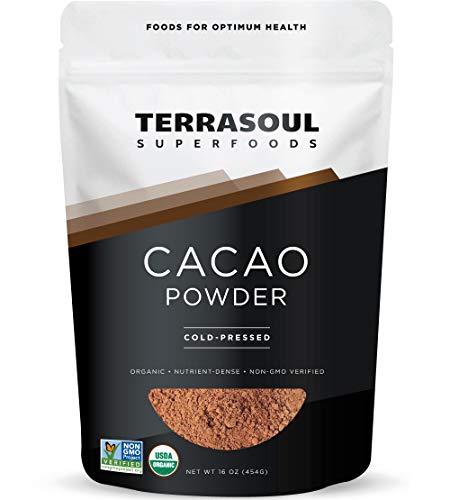
Terrasoul positions their cacao as a superfood first and a baking ingredient second, and the specs back that claim. This is raw, minimally processed cacao that stacks certifications: USDA Organic, Non-GMO, Earth Kosher, raw, keto-friendly, gluten-free, and vegan. The raw processing means beans are kept below temperature thresholds that degrade heat-sensitive antioxidants, preserving the highest possible concentration of polyphenols and flavonoids.
The antioxidant angle is legitimate. Cacao ranks among the highest ORAC-value foods on earth, and raw processing maximizes that benefit. Terrasoul specifically highlights cellular defense against free radicals, improved skin appearance, and cellular repair — claims supported by the underlying science of cacao flavanols. If you're adding cocoa to your diet primarily for health benefits rather than pure indulgence, this is the powder that delivers the most nutritional bang per tablespoon.
Flavor-wise, raw cacao carries a more intense, slightly astringent chocolate character compared to roasted cocoa. It's outstanding in smoothies, energy balls, and raw desserts. In traditional baking, the flavor works but reads differently than what most people expect from cocoa — more complex, less round. The 16-ounce bag hits a good middle ground between the small boutique packages and large bulk bags. If your pantry already includes ingredients like desiccated coconut and raw nuts for health-focused recipes, Terrasoul's cacao fits right in.
Pros:
Cons:

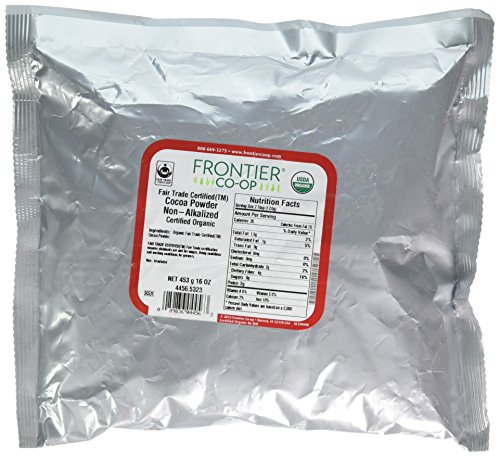
Frontier Co-op has been a trusted name in bulk organic ingredients for decades, and their cocoa powder reflects that heritage. This is a non-alkalized, Fair Trade certified powder sold in a 1-pound bulk bag — a format that restaurant supply buyers and prolific home bakers appreciate. The flavor profile is bold and distinctly bitter with a lighter brown color characteristic of unprocessed cocoa. It's the kind of cocoa that announces itself in a recipe rather than blending quietly into the background.
The sharp, chocolatey taste makes this powder particularly effective in applications where cocoa needs to compete with other strong flavors — think Mexican hot chocolate with cinnamon and chili, dark chocolate brownies with espresso, or rich ganache. The natural acidity pairs perfectly with baking soda as a leavening agent, giving baked goods reliable lift and a tender crumb. Frontier's powder is also notably fine in texture, which translates to smooth batters and lump-free hot beverages.
For pastry chefs and dedicated home bakers who go through cocoa in volume, the 1-pound bulk bag format eliminates the frustration of constantly reordering small packages. The unprocessed character means you're working with cocoa in its most authentic form — true-to-bean flavor that hasn't been chemically neutralized. It's not the pick for someone who wants mellow, easy-drinking hot chocolate, but it's outstanding for anyone who wants cocoa with backbone.
Pros:
Cons:
Wilderness Poets takes a wine-country approach to cacao, and it shows. This is 100% Peruvian Criollo cacao — widely regarded as the finest and rarest cacao variety on earth. Criollo beans account for less than 5% of global cacao production, prized for their delicate, complex flavor with minimal bitterness. The beans are sourced from Peru, one of the premier cacao-growing regions where Criollo has been cultivated for centuries.
The flavor difference between Criollo and commodity Forastero cacao is immediately apparent. You get nuanced chocolate notes with floral and nutty undertones that simply don't exist in mass-market cocoa. It's unsweetened and minimally processed, preserving the bean's natural character. The 32-ounce (2-pound) bag offers genuine value for a single-origin product — most Criollo powders come in tiny, expensive packages.
This is the cacao you reach for when the chocolate flavor is the star of the dish. Truffles, chocolate mousse, premium hot chocolate, and artisan baking all benefit from Criollo's refined character. It's USDA Organic, vegan, gluten-free, non-GMO, and free of preservatives. If you've been cooking with standard organic cocoa and wondering what the next level tastes like, Wilderness Poets provides a definitive answer. The jump in flavor complexity genuinely justifies the premium.
Pros:
Cons:
Valrhona is the name that professional pastry chefs reach for, and their cocoa powder demonstrates why. This is a premium Dutch-processed cocoa with a 20-22% fat content — significantly higher than most retail cocoa powders, which typically sit around 10-12%. That extra cocoa butter translates directly to richer mouthfeel, deeper flavor, and more luxurious texture in every application. The rich red mahogany color is immediately distinctive and produces visually stunning desserts.
Dutch processing alkalizes the cocoa, raising the pH to neutralize natural acidity. The result is a smoother, more rounded chocolate flavor without the sharp bite of natural cocoa. Valrhona's specific alkalization achieves an intense chocolate taste that balances perfectly in ganache, mousse, frosting, pudding, and decorative dusting. The finely ground texture dissolves cleanly into liquids and integrates seamlessly into batters — no grittiness, no residual clumps.
This is not a budget pick. At 1 pound, Valrhona's cocoa commands a premium that reflects its professional-grade quality and French chocolate-making heritage. But if you're making desserts where chocolate flavor is paramount — the kind of desserts that might pair beautifully with equipment from our kitchen reviews section — this powder delivers a result that lesser cocoas simply cannot match. It's the difference between good chocolate and extraordinary chocolate, and your palate will know immediately.
Pros:
Cons:
E. Guittard has been crafting chocolate in San Francisco since 1868, making them one of the oldest chocolate companies in the United States. Their Rouge Red Dutch Process cocoa powder carries that heritage in every ounce. The "Rouge Red" designation refers to the distinctive reddish-brown hue that Dutch processing imparts — a visual hallmark that experienced bakers recognize instantly as a sign of quality alkalized cocoa.
The 8-ounce can is compact but packed with character. Guittard's Dutch processing produces a mellow, deeply chocolatey flavor that lacks the harshness of natural cocoa while retaining more complexity than many competitors in this category. It excels in recipes that call specifically for Dutch-process cocoa — devil's food cake, red velvet cake, chocolate ice cream, and European-style hot chocolate. The canned packaging keeps the powder fresh and protected from moisture and light, which is a genuine advantage over bag packaging for smaller households that take longer to work through a container.
What sets Guittard apart from European Dutch-process brands is the American chocolate-making tradition it represents. The flavor profile is slightly less intense than Valrhona but more accessible — it hits a sweet spot that works beautifully in both everyday baking and special-occasion desserts. If you want Dutch-process quality without importing from France, and you appreciate supporting a multi-generational American chocolatier, Guittard delivers on both counts. It's also worth noting that the unsweetened formula keeps your sugar control entirely in your hands, whether you're making a vanilla bean-infused chocolate creation or a bold, bittersweet ganache.
Pros:
Cons:
This is the fork in the road that determines everything else. Natural (non-alkalized) cocoa retains the bean's inherent acidity, resulting in a sharper, more astringent chocolate flavor and a lighter brown color. It reacts with baking soda to provide leavening in baked goods — most traditional American chocolate recipes assume natural cocoa. Dutch-process cocoa has been treated with an alkalizing agent that neutralizes acidity, producing a darker color, smoother flavor, and neutral pH that pairs with baking powder instead.
If your recipe specifies one type, use that type. Swapping natural for Dutch-process (or vice versa) without adjusting your leavening agent will produce flat, dense baked goods. For non-baking uses like smoothies, hot chocolate, and energy balls, either type works — it's purely a flavor preference at that point. Health-focused buyers should note that alkalization significantly reduces flavanol content, so natural or raw cacao delivers more nutritional benefit.
Cocoa powder fat content typically ranges from 10% to 24%, and this number directly affects richness, mouthfeel, and performance. Lower-fat powders (10-12%) are drier, more intensely flavored, and absorb more liquid in recipes. Higher-fat powders (20-24%) like Valrhona produce richer, more unctuous results but may require slight recipe adjustments to account for the extra cocoa butter.
For general baking, 10-12% fat content is the industry standard and what most recipes are calibrated for. For premium pastry work — ganache, truffles, mousse, and professional-grade frosting — a higher-fat cocoa powder yields noticeably superior results. Check the nutritional panel if the fat percentage isn't listed on the front of the package.
The organic cocoa space is crowded with certifications, and not all carry equal weight. USDA Organic is the baseline — it ensures no synthetic pesticides or fertilizers were used. Fair Trade or Fairtrade certification guarantees minimum prices and better working conditions for farmers. Regenerative Organic Certified (held by Navitas) goes furthest, adding soil health and animal welfare requirements. Non-GMO Project Verified is standard for cacao but still worth confirming. Gluten-free certification matters if you have celiac disease, since cross-contamination during processing is a real risk with commodity cocoa.
Cocoa powder is shelf-stable but not indestructible. Moisture, light, and heat all degrade flavor and can cause clumping. Tin cans (like Guittard's) offer the best protection. Resealable bags are convenient but vary widely in quality — some seal tightly while others leak air. Bulk bags offer the best value but require transferring to airtight containers immediately after opening. For most home kitchens, cocoa powder stored in a cool, dark pantry in an airtight container stays fresh for 2-3 years, though flavor gradually diminishes after the first year. Buy the size you'll realistically use within 12 months for peak quality.
Cacao powder is made from beans processed at lower temperatures, preserving more nutrients and antioxidants. Cocoa powder is roasted at higher temperatures, which develops a smoother, more traditional chocolate flavor but reduces some nutritional content. Both come from the same Theobroma cacao plant. In practice, products labeled "cacao" tend to be raw or minimally processed, while "cocoa" typically indicates higher-temperature roasting. For baking, either works — the choice depends on whether you prioritize nutrient density or conventional chocolate flavor.
You can, but you need to adjust your leavening agent. Natural cocoa is acidic and reacts with baking soda (a base). Dutch-process cocoa is pH-neutral and works with baking powder. If a recipe calls for Dutch-process and you only have natural cocoa, replace baking powder with a combination of baking soda and the natural cocoa's acidity. A general rule: for every 3 tablespoons of Dutch-process cocoa, use 3 tablespoons of natural cocoa plus 1/8 teaspoon of baking soda, and reduce baking powder by 1 teaspoon. For non-baking applications, swap freely based on flavor preference.
The organic certification itself doesn't change flavor — it governs farming practices. However, organic cacao farms tend to grow higher-quality bean varieties and process them more carefully, which often results in better-tasting cocoa. The real flavor variables are bean origin, variety (Criollo vs. Forastero vs. Trinitario), roasting temperature, and whether the cocoa is Dutch-processed. A well-sourced conventional cocoa can taste better than a poorly processed organic one, but the best organic powders consistently outperform mass-market conventional options.
Store cocoa powder in an airtight container in a cool, dark, dry location — a pantry shelf away from the stove is ideal. Do not refrigerate or freeze cocoa powder, as temperature fluctuations introduce condensation that causes clumping and degrades flavor. Properly stored, cocoa powder remains usable for 2-3 years past its production date, though peak flavor is within the first 12-18 months. If your cocoa develops a grayish appearance or loses its chocolate aroma, it's past its prime and should be replaced.
Raw cacao does retain higher levels of flavanols, polyphenols, and certain minerals compared to roasted cocoa powder. Studies show that roasting at high temperatures can reduce flavanol content by 60-90%. However, the health difference in practical terms depends on how much you consume daily. If you're adding a tablespoon to a morning smoothie for health benefits, raw cacao delivers measurably more antioxidants. If you're using cocoa in a cake recipe where it's one ingredient among many, the health difference becomes negligible. Both forms provide magnesium, iron, and fiber.
For standard baking and hot chocolate, 10-12% fat content is the most versatile choice and what most recipes are designed around. This is the range you'll find in products like Anthony's and Frontier Co-op. For professional pastry applications — ganache, truffles, mousse, and premium frosting — look for 20-24% fat content like Valrhona's 20-22% formula. The extra cocoa butter creates noticeably richer texture and deeper flavor. Higher-fat cocoa is not better in every context; it's specifically better for applications where richness is the goal.
Match the cocoa to the task: natural for nutrition and baking-soda recipes, Dutch-process for smooth desserts and visual drama — the best organic cocoa powder is the one that fits how you actually cook.
 |
 |
 |
 |

About Christopher Jones
Christopher Jones holds an MBA from the University of San Francisco and brings a business-minded approach to kitchen gear evaluation — assessing products not just for performance but for long-term value, build quality, and real-world usability in everyday home cooking. He has spent years testing appliances, cookware, and kitchen gadgets with the same analytical rigor he developed in business school. At BuyKitchenStuff, he covers kitchen appliance reviews, buying guides, and practical cooking tips.
