Cooking and Baking Ingredient Substitutions ›
by Daisy Dao
Last winter, I was halfway through a big pot of soup when I realized the chicken broth I thought was in the pantry had already been used — four cups short, no time to run out. That moment sent me down a rabbit hole of testing alternatives, and what I found surprised me. There are excellent substitutes for chicken broth that hold up beautifully across a wide range of dishes, and a few of them might already be sitting in your kitchen right now. This guide walks you through every practical option, when to use each one, and how to avoid common missteps. For more swaps like these, browse our full ingredient substitutions guide.

Whether you're cooking for someone who avoids meat, managing a near-empty pantry, or just curious about changing up a recipe's flavor profile, there's a substitute that fits. Chicken broth brings mild savory depth, a touch of salt, and a light body to dishes — and several alternatives can replicate those qualities convincingly enough that most people won't notice the difference.
The catch is that not every swap works equally well in every context. A bold substitute like beef broth can overpower a delicate cream sauce, while plain water won't do much for a risotto that needs richness and body. The key is matching the right substitute to what you're actually cooking — and that's exactly what the sections below are designed to help you do.
Contents

There's a wide spectrum between "grab something from the pantry" and "make something from scratch." Your situation determines which end of that spectrum makes sense. If you're mid-recipe and the soup is already simmering, you need speed. If you have a bit more lead time, a more thoughtful substitute adds real quality.
These options require almost no prep and work in nearly any recipe that calls for chicken broth:
If you have 30 to 45 minutes and some kitchen scraps, you can make a surprisingly decent broth from scratch. Simmer a rough-cut onion, a few celery stalks, a carrot, two smashed garlic cloves, and a bay leaf in about six cups of water for 30 minutes. Strain it, season it lightly, and use it exactly as you would chicken broth. It won't have the same richness, but it's a clean, flavorful liquid that elevates any dish compared to plain water.
Dried mushrooms are another route worth trying. Steep a small handful in hot water for 15 to 20 minutes, then strain the liquid. You get a rich, earthy broth that works particularly well in pasta dishes, risotto, and winter stews. It's not subtle, but in the right dish it adds a complexity that chicken broth doesn't always deliver.

Before diving deeper into each substitute, it helps to see all your options laid out together. The table below covers the most commonly used alternatives, their flavor character, ideal applications, and how to convert them to the equivalent of one cup of chicken broth.
| Substitute | Flavor Profile | Best For | How to Use (per 1 cup broth) |
|---|---|---|---|
| Vegetable broth | Mild, slightly sweet | Soups, grains, sauces, general cooking | 1:1 replacement |
| Beef broth | Rich, bold, meaty | Hearty stews, gravies, braises | 1:1, dilute if it tastes strong |
| Mushroom broth | Earthy, umami-forward | Risotto, pasta, winter soups | 1:1 replacement |
| Fish broth or stock | Briny, delicate | Seafood dishes only | 1:1 replacement |
| Bouillon + water | Savory, salty | Almost any application | 1 tsp powder per 1 cup hot water |
| Diluted soy sauce | Salty, umami-rich | Asian dishes, hearty stews | 1 tbsp soy sauce + 1 cup water |
| Tomato juice + water | Tangy, acidic | Chili, tomato soups, braises | ½ cup tomato juice + ½ cup water |
| Chicken stock | Richer, more gelatinous than broth | Any recipe calling for chicken broth | 3 parts stock + 1 part water |
| Plain water | Neutral | Heavily seasoned dishes | 1:1, season more aggressively |
According to Wikipedia's overview of broth, the defining quality of broth is the savory liquid produced by simmering meat, bones, or vegetables — which explains why so many of these substitutes work: they each bring some version of that savory liquid quality to the pot.
You don't need specialized equipment to use a chicken broth substitute effectively. Most swaps come together with nothing more than a measuring cup and a stir. That said, a few basic tools make the whole process cleaner and more consistent.
A few extras can expand what you're able to do with substitutes:
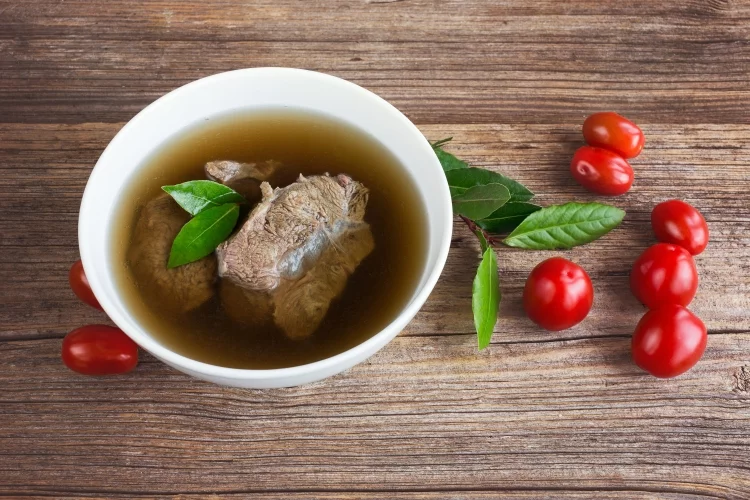
Choosing the right substitute depends heavily on what you're cooking. The same swap that works beautifully in a vegetable soup can completely overwhelm a light cream sauce. Think about what role the broth plays in the specific recipe, then pick accordingly.
Soups and stews are the most forgiving category for substitutes. The broth is one of many components, and strong aromatics — onion, garlic, herbs, spices — do a lot of heavy lifting on flavor. This gives your substitute more room to work without standing out.
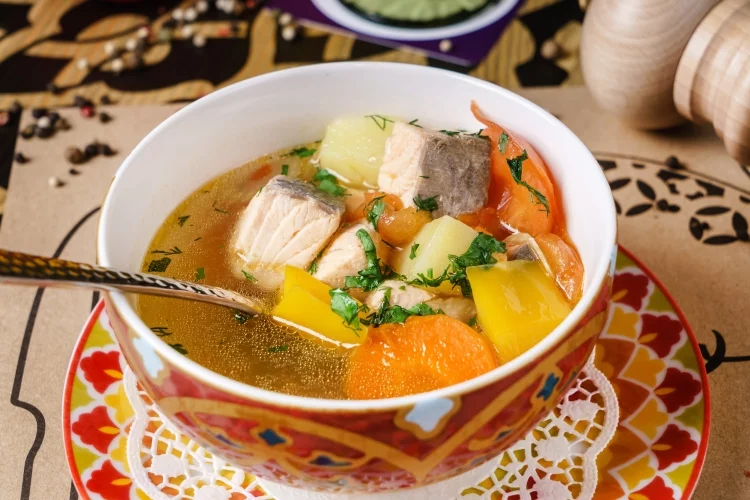
Sauces and gravies concentrate flavors as they reduce, which means your substitute's character becomes more pronounced — not less. This calls for more care in your selection.
Vegetable broth is the safest option here. Chicken stock also works well, though you may want to dilute it slightly so the finished sauce doesn't become overly rich. Avoid fish broth, soy-heavy mixtures, or tomato-based substitutes in delicate sauces — they'll dominate in ways that usually don't flatter the dish.
For risotto, mushroom broth is an excellent alternative to chicken broth. The earthiness complements Arborio rice's natural creaminess. Always warm your substitute broth before ladling it into the pan — adding cold liquid slows the cooking process and affects the starch release that makes risotto creamy.
Cooking grains in broth instead of water adds flavor to every bite. Vegetable broth is the go-to for most grain dishes — it's mild enough to complement rather than compete. For heartier applications like braised beef or pork, beef broth can substitute for chicken broth effectively. Just be aware that it will shift the dish's flavor profile toward something richer and more meaty. For lighter proteins like chicken thighs or pork chops, vegetable broth or diluted chicken stock keeps the balance better.
When braising with a substitute broth, always taste your liquid before adding protein. Bouillon-based and soy-based substitutes run salty — dilute them before you start or you risk an oversalted braise.
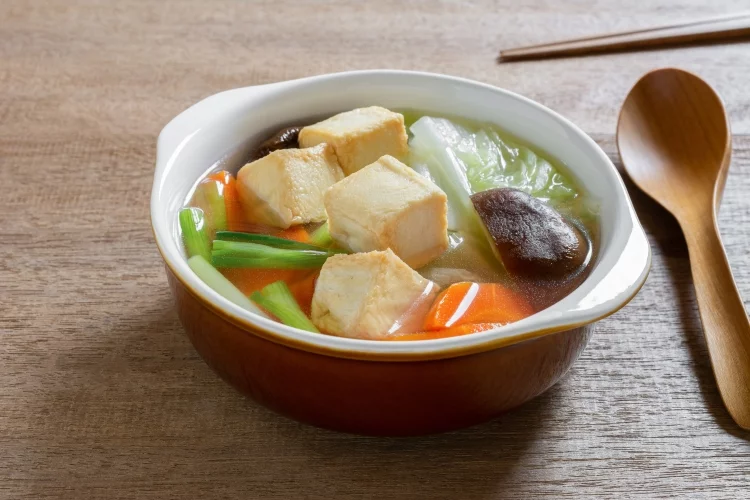
Substituting is a judgment call, and knowing when not to substitute is just as useful as knowing your options. Some recipes lean hard on chicken broth as a primary flavor, not just a background liquid.
There are specific situations where a substitute genuinely can't match what real chicken broth does:

A few persistent myths about chicken broth substitutes tend to make people either too cautious or too cavalier about swapping. Here's what's actually true.
Chicken stock and chicken broth are genuinely different products — stock is richer and more gelatinous due to the collagen from bones. When substituting stock for broth, mix three parts stock with one part water to approximate the lighter body of broth.

Choosing the right substitute is only half the job. How you use it matters just as much. These are the most common mistakes home cooks make when swapping out chicken broth — and how to avoid them.
The most frequent error is adding a substitute without tasting it first. Bouillon cubes, soy sauce, and many commercial vegetable broths carry significantly more sodium than standard chicken broth. If you add these to a recipe already calling for added salt, the dish can end up oversalted before it's even done cooking.
The fix is simple: taste your substitute before adding it to the pot. If it's already quite salty on its own, either dilute it further with water or cut back on any added salt in the recipe. Hold off on seasoning the dish until it's nearly finished, then adjust. The same principle applies when finding substitutes for other dairy or pantry staples — such as when you're looking for substitutes for cream cheese in a baked dish — understanding the role the ingredient plays helps you sub in something that behaves the right way without throwing off the balance.
Some substitutes need to be diluted, and skipping that step is one of the most common ways a swap goes wrong. Here's a quick reference:
Yes, in many recipes. Water works best when the dish already has strong aromatics, spices, or other umami sources doing the flavor work. Add a pinch of extra salt and taste as you go. In dishes where chicken broth is the primary flavor — like classic chicken noodle soup — water won't replicate the depth you need.
Vegetable broth is the most widely compatible substitute for chicken broth. It's mild enough to blend into soups, sauces, grain dishes, and braises without introducing a competing flavor. If you want more savory depth, add a small splash of soy sauce or a teaspoon of nutritional yeast to bring the vegetable broth closer to chicken broth's profile.
Dissolve one teaspoon of bouillon powder — or one small cube — in one cup of hot water. This replaces one cup of chicken broth in most recipes. Keep in mind that bouillon tends to be saltier than commercial broth, so taste before adding and reduce any other salt in the recipe accordingly.
 |
 |
 |
 |

About Daisy Dao
Daisy Dao grew up in Honolulu, Hawaii, where coastal living and access to fresh local ingredients shaped her approach to home cooking from an early age. She has spent years experimenting with seafood preparation, healthy cooking methods, and ingredient substitutions — developing hands-on familiarity with a wide range of kitchen tools, techniques, and produce. At BuyKitchenStuff, she covers healthy recipes, cooking techniques, and ingredient substitution guides.
Check for FREE Gifts. Or get our Free Cookbooks right now.
Disable the Ad Block to reveal all the recipes. Once done that, click on any button below
|
|
|
|
