by Christopher Jones
Last year, a neighbor powered up his vintage turntable amplifier for the first time in a decade and immediately heard a low, muddy hum that had no business being there. He assumed the whole unit was shot. Turns out, one failing output tube was the only issue. Knowing how to test vacuum tubes can save you from expensive repairs or tossing out perfectly usable equipment — and if you follow our audio equipment guides, this is one skill worth adding to your toolkit.
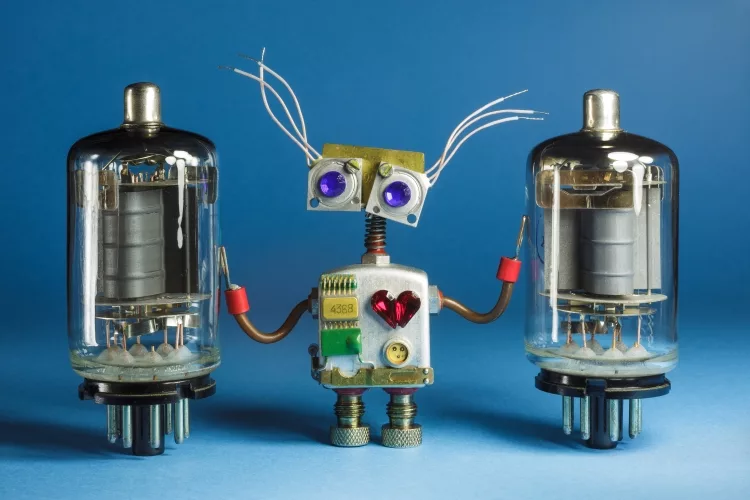
Vacuum tubes — also called thermionic valves — are the glowing glass components found inside vintage amplifiers, guitar amps, radio receivers, and high-end audio preamps. They amplify electrical signals, and when they degrade, your sound suffers. Diagnosing them is entirely doable once you understand the available methods and what your results actually mean.
This guide covers the tools you need, the step-by-step process, cost expectations, and the judgment calls you'll face along the way. You don't need an engineering degree to do this well. You just need a bit of patience and a reliable process.
Contents
Before you can test anything, you need to know what equipment is available. Your choice depends on your budget, how seriously you're pursuing tube audio, and how precise you need your results to be.
A dedicated tube tester is the most reliable option for accurate results. These devices are built specifically to evaluate tube performance, and two main types exist:
Vintage tube testers from brands like Hickok and B&K are widely available on resale platforms. They can be excellent tools, but calibration is everything — an uncalibrated tester gives you numbers you can't trust. Always confirm calibration status before relying on any readings from a used tester.
A standard digital multimeter won't give you full tube performance data, but it handles one important task: checking heater filament continuity. If a filament is open (broken), the tube is dead — no further testing needed. Beyond that basic check, a multimeter alone won't cut it for a thorough evaluation. Think of it as the first filter, not the final word.
Just as diagnosing problems in other home appliances — like working through a Shark vacuum disassembly or a Bissell vacuum teardown — benefits from having the right diagnostic tool on hand, tube testing goes much smoother when you invest in appropriate equipment from the start.
There are several approaches depending on your tools and experience level. Here's a practical walkthrough of the most common methods, starting with the simplest.
Before reaching for any testing equipment, look at the tube carefully. Hold it up to a light source and scan every part of it.
According to Wikipedia's overview of vacuum tubes, the getter — that metallic mirror-like deposit near the top of the tube — should remain dark silver or black. If it has turned white or clear, the seal has failed and the tube cannot be used.
If you have an emission-type tube tester, the process is straightforward:
Pro tip: Always test tubes after they've stabilized at room temperature — testing a cold tube fresh from a cold room can produce a falsely low emission reading and lead you to discard a tube that's actually fine.
A transconductance (Gm) test gives you a more meaningful picture of how the tube actually performs under load. The tester applies an AC signal to the grid and measures the resulting change in plate current. The ratio gives you the Gm value in micromhos or millisiemens, which you compare against published specifications for that tube type.
When matching tubes for push-pull amplifier stages, you want pairs or quads reading within 5–10% of each other. Mismatched output tubes cause distortion and place uneven stress on the output transformer over time — something that leads to costly repairs down the road.
Tube testing has a few nuances that trip people up early on. None of them are complicated, but missing them can lead you to wrong conclusions about a tube's condition.
This is the most common beginner mistake. Tubes need time to reach operating temperature before emission readings stabilize. Give each tube at least 60 seconds in the tester before you record anything. Some older tubes with heavy cathode coating need up to two minutes.
No tube tester? The substitution method is a practical alternative. Swap the suspect tube with a known-good tube of the same type and check whether the problem disappears. This is often the fastest diagnostic approach for casual use.
It works well when you keep a small stock of common tube types on hand — 12AX7, EL34, 6L6 are good starting points. The limitation is that it tells you a tube is bad, but not how bad, or how close other tubes in the set are to failing. For deeper diagnostics, methodical component-by-component troubleshooting — the same approach you'd apply when working through something like a Bissell Powerforce vacuum disassembly — gives you much more useful information.
Tube testers span a wide price range. Here's a realistic breakdown to help you decide how much to invest based on your actual needs.
If you're just getting started or only have a handful of tubes to evaluate, you don't need to spend much. Basic emission testers are available for under $80 on resale platforms, and a multimeter you already own covers heater continuity checks for free. For occasional use, that combination gets you surprisingly far.
For anyone maintaining a tube amplifier collection or doing regular gear maintenance, a transconductance tester in the $150–$300 range is a worthwhile investment. It pays for itself after just a few avoided misdiagnoses. Some audiophiles prefer professional tube testing services for one-off needs, which typically run $5–$15 per tube.
| Tester Type | Price Range | Accuracy | Best For |
|---|---|---|---|
| Basic emission tester | $30–$80 | Moderate | Beginners, quick pass/fail checks |
| Transconductance (Gm) tester | $100–$300 | High | Audiophiles, tube matching |
| Vintage tube tester (used) | $50–$200 | Variable (calibration-dependent) | Collectors, hobbyists |
| DIY tester kit | $20–$60 | Low to moderate | Budget-conscious tinkerers |
| Professional testing service | $5–$15 per tube | Very high | One-time or occasional needs |
Keep in mind that buying a used tube tester requires verifying recent calibration. An out-of-calibration tester can confidently declare a perfectly good tube as "weak" — or worse, pass a failing one through. Calibration matters as much as the tester itself.
Not every situation calls for testing. Sometimes it makes more practical sense to replace a tube outright, especially if it's inexpensive or obviously failed. Here's how to think about the tradeoff honestly.
Testing gives you data. It tells you exactly how much useful life a tube likely has remaining, and lets you make informed decisions about whether to run it now or set it aside as a spare.
There's no single right answer. Some audiophiles test every tube religiously; others replace on a fixed schedule and skip testing entirely. Both approaches work. The key is picking one and being consistent, rather than guessing and hoping.
Common signs include audible hum, crackling or distortion in audio output, complete loss of signal from one channel, or visible physical damage like a white or clear getter inside the glass. A tube tester confirms whether emission or transconductance has dropped below acceptable levels for that tube type.
Yes. The substitution method — swapping a suspected tube with a known-good one of the same type — tells you whether the tube is causing your problem. A multimeter can also check whether the heater filament has continuity. These approaches won't give you precise performance data, but they're often sufficient for basic diagnosis.
For regularly used amplifiers, testing every one to two years is a reasonable practice. Output tubes like EL34 or 6L6 wear faster than small-signal tubes and may warrant more frequent checks. If you notice any change in sound quality — even subtle — test sooner rather than waiting for the schedule.
A transconductance (Gm) tester provides the most meaningful performance data because it measures how effectively the tube amplifies under actual load conditions — which is what matters in audio applications. Emission testers are faster and more affordable but give you a less complete picture of real-world performance.
Absolutely. New old stock (NOS) tubes can be quite valuable, but condition varies widely depending on storage history, age, and handling. Always test — or have tested — any NOS tube before using it in a critical application, or at minimum request documented test data from the seller before paying a premium price.
Yes, in some cases. A tube drawing excessive current can overheat and damage the output transformer, bias resistors, or other components in the signal path. If you suspect a tube is failing, remove it from the circuit and test it before continuing to operate the amplifier with that tube installed.
 |
 |
 |
 |

About Christopher Jones
Christopher Jones holds an MBA from the University of San Francisco and brings a business-minded approach to kitchen gear evaluation — assessing products not just for performance but for long-term value, build quality, and real-world usability in everyday home cooking. He has spent years testing appliances, cookware, and kitchen gadgets with the same analytical rigor he developed in business school. At BuyKitchenStuff, he covers kitchen appliance reviews, buying guides, and practical cooking tips.
Check for FREE Gifts. Or get our Free Cookbooks right now.
Disable the Ad Block to reveal all the recipes. Once done that, click on any button below
|
|
|
|
