Recipes ›
by Christopher Jones
A friend of mine swapped her morning coffee for green juice and lost 11 pounds over two months — without changing anything else in her diet. That was enough to make me put down my latte and try it myself. If you've been searching for a solid green juice recipe for weight loss, you're in exactly the right place. This guide covers three proven recipes, a realistic cost breakdown, juicer maintenance routines, and the mistakes that keep most people from seeing results. For more ideas like these, browse our full recipes section.
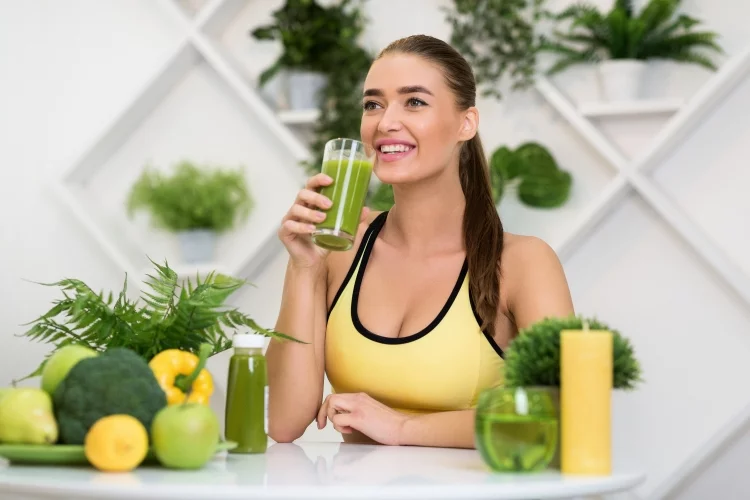
Green juice works because it delivers a concentrated hit of vitamins, minerals, and chlorophyll at a fraction of the calories you'd get from a typical breakfast or snack. A standard 16-ounce serving of leafy green juice clocks in between 100 and 150 calories. That makes it one of the most efficient tools you have for creating a calorie deficit without feeling deprived or hungry an hour later.
The formula is consistent across all three recipes below: dark leafy greens for nutrition density, cucumber or celery for volume and hydration, a small amount of fruit to make it drinkable, and something sharp — lemon or ginger — to support digestion. Once you understand the formula, you can adapt it endlessly based on what's in season or what your budget allows.
Contents
Before you spend money on a juicer or fill a cart with kale, it's worth clearing up the misconceptions. Several stubborn myths cause people to quit too early, spend more than they need to, or avoid green juice entirely based on faulty reasoning.
Green juice supports weight loss — it does not cause it on its own. It works by reducing your calorie intake at one meal, improving hydration, curbing appetite, and delivering nutrients that support metabolic function. You still need a calorie deficit to lose weight. Green juice makes that deficit easier to achieve, especially when it replaces a higher-calorie breakfast or midday snack.
According to the CDC's healthy weight guidance, sustainable weight loss requires a combination of reduced caloric intake and increased physical activity. Green juice is a powerful component of that strategy — not the entire plan.
Cold-press juicers produce excellent results, but they are not mandatory to start. A centrifugal juicer in the $60–$100 range handles all three recipes in this guide without issue. The nutrient loss from heat generated by centrifugal blades is minimal — especially if you drink the juice immediately after making it.
Start with what you have or what fits your budget. Upgrade later if you find yourself juicing daily and want to reduce long-term produce costs.
Most green juice recipes for weight loss use only one small piece of fruit per serving — typically one apple or half a cup of pineapple — to balance the bitterness of the greens. That adds roughly 15–20 grams of natural sugar to the whole serving. That amount, spread across all the water and fiber content of the vegetables, keeps blood sugar stable for most people.
If you're managing blood sugar more carefully, swap the apple for half a green pear, a few cucumber slices, or a squeeze of citrus. You get the flavor offset without the glycemic hit.

These three recipes are built around the same core principles: low calorie count, high nutrient density, and enough flavor balance to make them drinkable every day. Start with whichever one sounds most appealing to you — the best recipe is the one you'll actually make consistently.
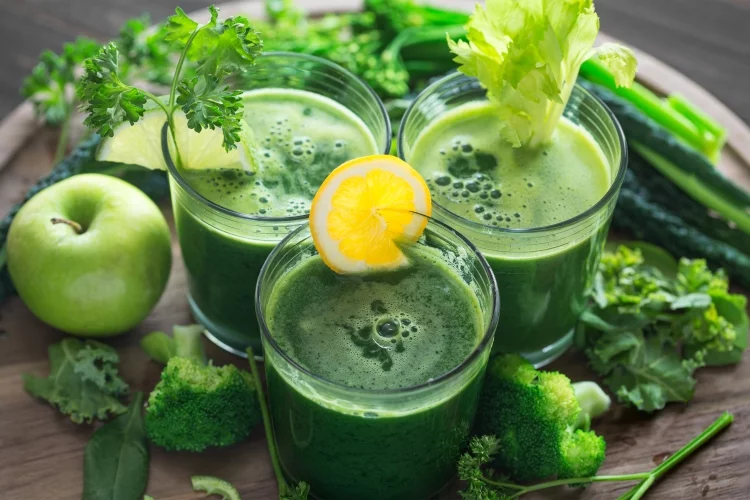
The classic, approachable recipe for beginners. It's mild enough to drink daily without palate fatigue and uses ingredients you can find at any grocery store.
Ingredients:
Instructions:
Estimated calories per 16-oz serving: approximately 120. Works well as a complete morning meal replacement or alongside a small protein source.
Lighter and more hydrating than The Green Machine. This one is designed for days when you want to give your digestive system a break without sacrificing nutrients.
Ingredients:
Instructions:
Estimated calories per serving: approximately 95. Pair this with an afternoon ginger tea for weight loss to maintain metabolic support throughout the day.
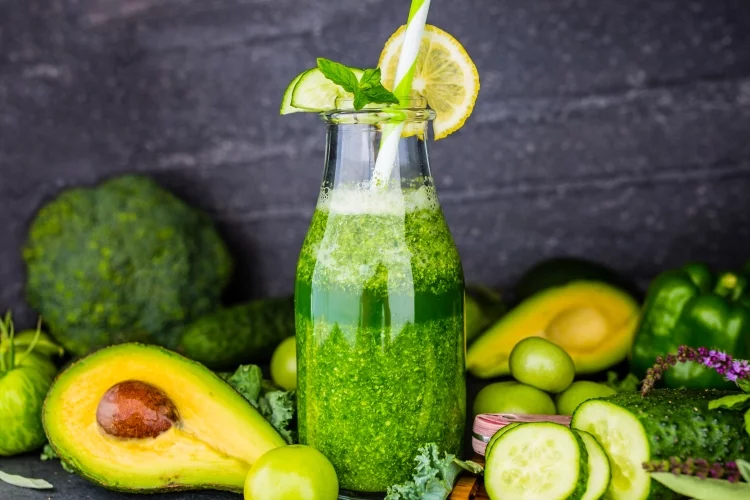
The most aggressive of the three. Higher in antioxidants and anti-inflammatory compounds. This one earns its name through ingredient density, not marketing.
Ingredients:
Instructions:
Estimated calories per serving: approximately 140. The turmeric adds documented anti-inflammatory benefits on top of the weight loss support. If you enjoy turmeric-forward drinks, our golden milk recipe for weight loss covers another powerful option worth adding to your rotation.
Timing affects how effectively green juice supports your goals. The same recipe can work with or against your body depending on when you drink it.
Pro tip: Drink your green juice within 15 minutes of making it. Oxidation degrades nutrients quickly — especially with centrifugal juicers — and the flavor deteriorates noticeably after an hour at room temperature.
Sticker shock at the grocery store is one of the most common reasons people abandon a green juice habit after the first week. Here's a realistic breakdown so you know what to expect and where to trim.
| Ingredient | Average Retail Price | Servings Per Purchase | Estimated Cost Per Serving |
|---|---|---|---|
| Spinach (5 oz bag) | $3.50 | 2–3 | $1.17–$1.75 |
| Kale (1 bunch) | $2.50 | 3–4 | $0.63–$0.83 |
| Cucumbers (2-pack) | $2.00 | 3–4 | $0.50–$0.67 |
| Celery (1 bunch) | $2.50 | 5–6 | $0.42–$0.50 |
| Green apples (3-pack) | $3.00 | 3 | $1.00 |
| Lemons (4-pack) | $2.00 | 4 | $0.50 |
| Fresh ginger (per oz) | $0.50 | 5–6 | $0.08–$0.10 |
| Parsley (1 bunch) | $1.50 | 4–5 | $0.30–$0.38 |
| Total per 16-oz serving (estimated) | $3.50–$5.50 | ||
At $3.50–$5.50 per serving for fresh-made juice, you're already well below what cold-pressed bottles sell for in stores ($8–$12 each). The equipment cost amortizes quickly: a $75 centrifugal juicer pays for itself in less than three weeks of daily juicing compared to store-bought alternatives.
A juicer you don't clean is a juicer you stop using. The single biggest barrier to a consistent green juice habit isn't motivation — it's a machine sitting on the counter caked with dried pulp. These routines take the friction out of cleanup so the habit actually sticks.
Never put juicer parts in the dishwasher unless your manual explicitly states they are dishwasher-safe. High heat warps the plastic filter baskets on most centrifugal models, degrading performance and requiring expensive replacement parts.
Once a week, give your juicer a more thorough cleaning to remove mineral buildup and oxidized juice stains that a simple rinse won't address.
If you've been making green juice consistently and still aren't seeing results — or you keep abandoning the habit — the issue is usually one of three identifiable problems. Each one has a direct fix.
Flavor is the number one reason people quit. If the juice doesn't taste good, the habit doesn't last. Here's how to diagnose and correct the most common flavor issues:
Green juice is not failing you — the surrounding habits are. These are the specific culprits:
Beyond the obvious, these are the subtler errors that keep green juice from delivering results:
Aim for one 16-ounce serving daily, five to seven days a week. Consistency matters far more than frequency. Drinking green juice five days a week every week outperforms seven days a week for two weeks followed by a break. Build the habit before worrying about optimizing the recipe.
Yes. Blend all ingredients with a half cup of water until smooth, then strain through a nut milk bag or fine-mesh cheesecloth, pressing the pulp firmly to extract as much liquid as possible. The result retains slightly more fiber than traditionally juiced versions, but the core nutrition and weight loss support are equivalent.
For most healthy adults, yes. One important caveat: if you take blood-thinning medications like warfarin, consult your doctor before drinking large amounts of kale or spinach daily. Both are high in vitamin K, which can interact with anticoagulants and affect dosing. For everyone else, daily green juice is well-tolerated long-term.
Fresh centrifugal-juiced green juice lasts 24 hours in an airtight glass container in the fridge. Cold-press juice lasts up to 72 hours. For best nutrition and flavor, drink within 15 minutes of making it. If you must store it, fill the container completely to minimize air contact, which accelerates oxidation.
Spinach and kale lead the field. Spinach is mild, easy to juice, and dissolves into almost any recipe invisibly. Kale delivers more antioxidants and chlorophyll per ounce but requires careful balancing with acidic ingredients to avoid bitterness. Cucumber adds volume and hydration at near-zero caloric cost, making it an essential base ingredient in every recipe here.
Before is more effective for most people. Drinking 30 minutes pre-workout provides quick micronutrient fuel without the weight of a full meal in your stomach. Post-workout, your body needs protein and carbohydrates to repair muscle tissue — green juice alone doesn't provide adequate recovery nutrition for strength or high-intensity training sessions.
Yes, but stir it in after juicing rather than running it through the machine. A plain, unflavored plant-based protein powder blends cleanly into green juice without significantly altering the flavor. Avoid flavored powders — vanilla and chocolate clash badly with the acidity of lemon and ginger. Add protein if you're using green juice as a full meal replacement rather than a supplement to meals.
 |
 |
 |
 |

About Christopher Jones
Christopher Jones holds an MBA from the University of San Francisco and brings a business-minded approach to kitchen gear evaluation — assessing products not just for performance but for long-term value, build quality, and real-world usability in everyday home cooking. He has spent years testing appliances, cookware, and kitchen gadgets with the same analytical rigor he developed in business school. At BuyKitchenStuff, he covers kitchen appliance reviews, buying guides, and practical cooking tips.
Check for FREE Gifts. Or get our Free Cookbooks right now.
Disable the Ad Block to reveal all the recipes. Once done that, click on any button below
|
|
|
|
