by Daisy Dao
Apple pie ranks among the top five most-searched dessert recipes in the United States, with millions of searches every season. The Betty Crocker French apple pie recipe sits near the top of that list — and for good reason. Our team has made this pie more times than we can count. It delivers a buttery streusel (crumble) topping, warm cinnamon-spiced apples, and a golden crust that fills any kitchen with an irresistible aroma. Anyone browsing our full recipe collection will find this pie is one of the most rewarding bakes on the list.

French apple pie differs from standard apple pie in one important way. Instead of a rolled pastry top crust, it uses a crumble made from butter, flour, and sugar. This gives the top layer a sandy, sweet crunch while keeping the apple filling soft and tender underneath. The Betty Crocker version follows this tradition closely. It is a recipe that has appeared in American kitchens for decades, trusted by home bakers across all skill levels.
Our team put this recipe through its paces — testing it with different apple varieties, crumble ratios, and baking setups. Below, we cover everything most people want to know: real results, when to make it, what it costs, common myths, and an honest look at the pros and cons.
Contents
Most people pull out this recipe for fall gatherings, holiday tables, and weekend baking projects. Our team has seen it appear at potlucks, school fundraisers, and casual Sunday dinners alike. The Betty Crocker French apple pie recipe is flexible enough for almost any occasion where a crowd-pleasing dessert is needed.
Our team found that many home bakers use a stand mixer to bring together the crumble topping faster. It is not required — a pastry cutter or two forks work fine — but a stand mixer saves noticeable time and effort, especially when doubling the recipe for a crowd. The key is not to overmix. The crumble should look sandy and clumpy, not smooth.
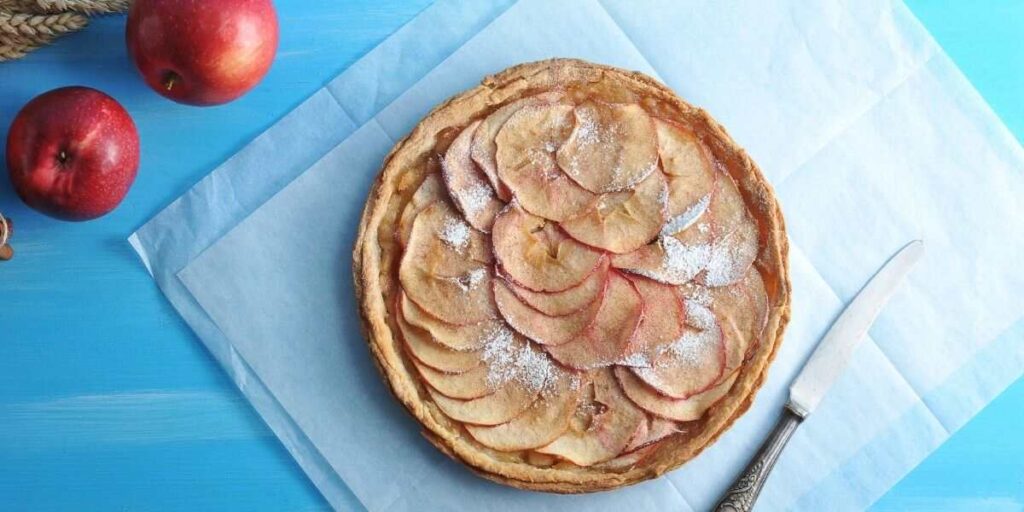
Not all apples behave the same way in the oven. Our team tested five common varieties to see how each one performed. Granny Smith held its shape best and delivered a tart contrast to the sweet crumble. Honeycrisp softened beautifully but added extra sweetness. Braeburn and Fuji both worked well in blended combinations.
Here is a breakdown of how popular apple varieties performed in our tests:
| Apple Variety | Texture After Baking | Flavor Profile | Our Rating |
|---|---|---|---|
| Granny Smith | Firm, holds shape well | Tart and bright | ★★★★★ |
| Honeycrisp | Soft and tender | Sweet and mild | ★★★★☆ |
| Braeburn | Medium firm | Balanced, slightly spiced | ★★★★☆ |
| Fuji | Soft, can turn mushy | Very sweet, one-dimensional | ★★★☆☆ |
| Golden Delicious | Mushy and watery | Sweet and flat | ★★☆☆☆ |
Using an electric vegetable chopper helped our team prep apple slices quickly and evenly. Even slices bake more uniformly. Thick or uneven chunks can leave some pieces undercooked while others turn to mush — a common reason pies disappoint even experienced bakers.
The Betty Crocker French apple pie recipe is a strong choice in several situations. Our team recommends it when fresh, tart apples are available at their peak. The crumble topping also makes it more forgiving than traditional double-crust pies — there is no top pastry to roll out or seal, which simplifies the process considerably for home bakers at any level.
Pro tip from our team: Chill the crumble topping in the fridge for 10 minutes before spreading it on the pie. Cold butter creates a crunchier, more defined streusel texture after baking — this single step noticeably improves the finished result.
There are times when this recipe is not the best fit. Anyone dealing with dietary restrictions around gluten or dairy will need significant modifications — the crumble relies heavily on flour and cold butter. The recipe also requires about 90 minutes total from prep to table, so it is not a quick weeknight option when time is short.
For leftover pie, most people find reheating it gently is the best approach. Our team's guide on reheating baked dishes covers techniques that apply equally well to pie — low oven heat at around 300°F, covered loosely with foil, works best to restore texture without drying out the filling.
One of the strongest appeals of the Betty Crocker French apple pie recipe is its low ingredient cost. Most items are already in a well-stocked kitchen. Our team tracked actual grocery prices for a single 9-inch pie serving 8 people.
Total estimated cost: $7.25–$9.75 per pie. That breaks down to roughly $0.90–$1.22 per slice — significantly cheaper than bakery alternatives, which typically run $4–$7 per slice. According to USDA food and nutrition data, apples are one of the most affordable fresh fruits available year-round, making this recipe budget-friendly in any season.
Most kitchens already have everything needed. A 9-inch pie plate, a mixing bowl, and a sharp knife are the essentials. A few optional tools improve results meaningfully.
A reliable oven is the most important piece of equipment in the entire process. Our team also recommends looking into a warming drawer for keeping finished pies at the right serving temperature before guests arrive. This is a small investment that pays off repeatedly at holiday dinners and gatherings where timing a hot dessert can be stressful.
Our team hears this one often. Many people assume that homemade pie requires pastry school-level technique. The Betty Crocker French apple pie recipe proves otherwise. The crumble topping involves mixing just three ingredients together until clumpy. The filling requires peeling, slicing, and tossing apples with sugar and spices — nothing more complicated than that.
The biggest intimidation factor is usually the crust. Using a quality store-bought shell removes that barrier entirely. Pie-baking has been a common home activity in American kitchens for generations. It was never designed to be a professional-only skill. Our team found that first-time bakers consistently succeed with this recipe on their very first attempt, provided they follow the temperature instructions closely.
The one area where technique matters most is apple preparation. Uniform slices bake evenly. Ragged, uneven chunks do not. Spending an extra five minutes on consistent cuts makes a visible difference in the finished texture of the filling.
This is one of the most persistent misconceptions our team encounters. The type of apple dramatically affects the texture and sweetness of the finished pie. Using overly soft or sweet varieties leads to a watery, one-note filling that pools at the bottom of the crust. As shown in our apple variety table above, Granny Smith consistently outperforms sweeter alternatives in both texture and flavor balance.
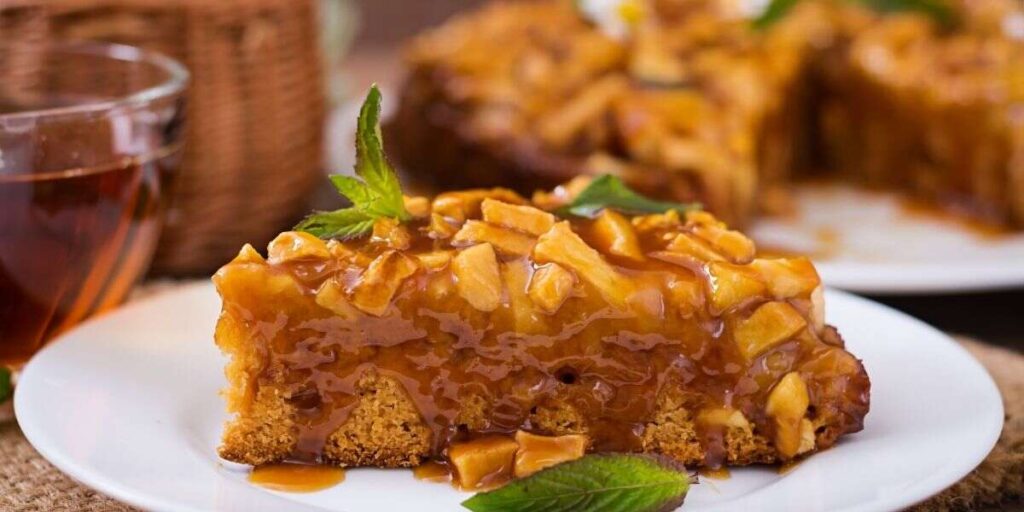
Another common myth is that the crumble topping always burns before the filling finishes cooking. This happens when the pie bakes too high in the oven. Our team always bakes this pie on the middle rack and loosely tents the top with aluminum foil during the last 10–12 minutes if the crumble browns too quickly. Simple adjustments like these eliminate most of the common failures people associate with this recipe.
After multiple rounds of testing across different kitchens and apple varieties, our team has a clear picture of where the Betty Crocker French apple pie recipe succeeds most consistently.
When serving this pie at gatherings, a sturdy tray table makes for a clean and convenient serving setup. Our team finds that having a dedicated surface for dessert keeps the rest of the dinner table organized and prevents the crumble from getting jostled during cutting and plating.
No recipe is perfect. Our team noted a few consistent limitations worth knowing before committing to a bake, especially for first-timers.
Our team found that adding a pinch of cardamom alongside the cinnamon brightens the spice profile noticeably. Anyone interested in spice swaps can explore warm spice alternatives that work well in baked desserts without overwhelming the apple flavor.
French apple pie — sometimes called Dutch apple pie — replaces the traditional rolled top crust with a sweet crumble (streusel) made from butter, flour, and sugar. This gives it a crunchy, sandy top layer instead of a flaky pastry lid. The Betty Crocker French apple pie recipe follows this format closely, making it simpler to assemble than a standard double-crust pie and more forgiving for home bakers at any skill level.
Most baked apple pies freeze well for up to two months. Our team recommends cooling the pie completely before wrapping it tightly in plastic wrap and then a layer of aluminum foil. Thaw overnight in the refrigerator and warm at 300°F for 20–25 minutes before serving. The crumble topping may soften slightly during freezing but will crisp back up with a few minutes of oven heat.
Our team consistently gets the best results with Granny Smith apples. Their firm texture holds up well during the full baking time, and their natural tartness balances the sweetness of the crumble and cinnamon-sugar filling. Mixing Granny Smith with a small portion of Honeycrisp adds a slight sweetness without making the filling watery or flat in flavor.
Total time is approximately 90 minutes — around 30 minutes of active prep work and 55–60 minutes of bake time. Our team also recommends allowing at least 30 minutes of resting time after the pie comes out of the oven. This lets the filling set properly so slices hold their shape cleanly when cut and plated.
 |
 |
 |
 |

About Daisy Dao
Daisy Dao grew up in Honolulu, Hawaii, where coastal living and access to fresh local ingredients shaped her approach to home cooking from an early age. She has spent years experimenting with seafood preparation, healthy cooking methods, and ingredient substitutions — developing hands-on familiarity with a wide range of kitchen tools, techniques, and produce. At BuyKitchenStuff, she covers healthy recipes, cooking techniques, and ingredient substitution guides.
Check for FREE Gifts. Or get our Free Cookbooks right now.
Disable the Ad Block to reveal all the recipes. Once done that, click on any button below
|
|
|
|
