Recipes ›
by Christopher Jones
Studies suggest that people who eat a fiber-rich breakfast consume roughly 31% fewer calories throughout the rest of the day — and few foods pack that fiber punch as efficiently as oats. If you're searching for the best oatmeal recipe for weight loss, you're already ahead of most people. Oatmeal is inexpensive, filling, and easy to customize. Browse the recipes section for more ideas, but stay here first — because getting oatmeal right actually takes a little thought.

The problem isn't finding an oatmeal recipe — the internet has thousands. The challenge is knowing which versions actually support your goals and which ones quietly undermine them. Flavored instant packets, for example, can pack as much sugar as a candy bar. A few small decisions change everything about how a bowl performs.
This guide walks you through the science, the common pitfalls, specific recipes you can try this week, and a realistic strategy for making oatmeal a long-term habit rather than a short-lived experiment.
Contents
Oatmeal's reputation isn't built on wellness trends. It's built on beta-glucan — a type of soluble fiber (meaning it dissolves in water) found in oats — which forms a thick gel in your stomach and slows digestion. That process keeps you feeling full longer after eating. According to research summarized by nutrition scientists, beta-glucan has been linked to reduced appetite and a lower glycemic response (the speed at which blood sugar rises after a meal). When hunger is under control, sticking to a calorie target gets a lot easier.
This is the core reason oatmeal keeps showing up in weight loss conversations. It addresses the root problem — constant hunger — rather than just restricting calories. That's a meaningful distinction when you're trying to build habits that last longer than two weeks.
Compared to white toast, sweetened cereal, or a muffin, oatmeal typically offers more protein, more fiber, and a slower-burning carbohydrate profile. A standard half-cup of dry rolled oats contains around 5 grams of protein and 4 grams of fiber for roughly 150 calories. Before you've added a single topping, that's a solid nutritional foundation that most grab-and-go breakfasts simply can't match.
The best oatmeal recipe for weight loss works because it checks several boxes simultaneously. It's filling, calorie-efficient, endlessly customizable, and shelf-stable. You can prep it ahead, eat it hot or cold, and adjust it based on what you have available. If mindless mid-morning snacking is your weak spot, a well-built bowl of oatmeal is one of the most reliable fixes you'll find.
It also pairs naturally with other weight-friendly ingredients. Swapping refined sugar for a small amount of monk fruit sweetener keeps the sweetness without the calorie load. Using a light mist from an olive oil sprayer on savory oats adds healthy fat without overdoing it. Small ingredient swaps like these compound over time.
Oatmeal is not a magic food. Eating it daily won't automatically produce weight loss — total calorie balance across your whole diet still governs the outcome. Plain oats are also relatively modest in protein, which means you may feel hungry again sooner if you don't pair them with a protein source like Greek yogurt, a soft-boiled egg, or nut butter. And if you load your bowl with sweetened syrups, flavored granola, or dried fruit, the calorie count can climb to 500 or more without you noticing.
Some people also experience digestive discomfort when they suddenly increase fiber intake. If that happens to you, start with smaller portions and increase gradually over a couple of weeks.
| Oatmeal Type | Cook Time | Fiber (per serving) | Glycemic Index | Best For |
|---|---|---|---|---|
| Steel-Cut Oats | 20–30 min | ~5g | Low (42) | Maximum satiety, slow digestion |
| Rolled Oats | 5–10 min | ~4g | Medium (55) | Everyday use, versatile recipes |
| Instant Oats (plain) | 1–2 min | ~3g | Medium-High (66) | Busy mornings, portion control |
| Overnight Oats | 0 min (prep night before) | ~4g | Low-Medium | Meal prep, eating on the go |
If you're new to cooking oatmeal from scratch, rolled oats are the easiest starting point. Bring one cup of water or milk to a boil, add half a cup of oats, reduce the heat, and stir for about five minutes. Season with a pinch of cinnamon and a light drizzle of honey. That's genuinely all it takes. You don't need specialized equipment or cooking experience.
If even that feels like too much effort on a weekday morning, overnight oats require zero cooking. Combine oats with milk in a jar, add whatever toppings you like, seal it, and refrigerate. By morning it's ready to eat cold. A Japanese-style lunch box or a wide-mouth mason jar works perfectly for portioning and carrying.
Once you're comfortable with the basics, you can start layering in ingredients that increase both nutrition and interest. Stirring in maca powder is a popular option for supporting steady energy levels. Adding a small amount of moringa powder introduces iron and antioxidants (compounds that help protect your cells) with minimal flavor impact. Both dissolve into hot oats easily.
On the equipment side, a microwave rice cooker handles oatmeal just as well as a stovetop pot and is significantly easier to clean. If you already own an Instant Pot, steel-cut oats cook beautifully in about ten minutes on the porridge setting — no stirring, no watching the pot.

Most oatmeal recipes skip protein, which is a significant oversight when weight loss is the goal. Adding 15–20 grams of protein to your bowl dramatically extends how long you feel full and reduces the likelihood of overeating later in the day. Stir in a scoop of unflavored protein powder while the oats are still hot, fold in a few tablespoons of plain Greek yogurt after cooking, or top with a soft-boiled egg for a savory direction. Each approach adds minimal calories relative to the satiety payoff.
Fresh berries, sliced banana, chopped walnuts, chia seeds, and ground flaxseed are reliable topping choices. They add real nutritional value without spiking blood sugar. Where most people go wrong is reaching for flavored syrups, sweetened nut butters, or packaged granola — all of which can quietly double the calorie count of an otherwise healthy bowl.
If you need sweetness, use a measured amount of monk fruit sweetener or a small drizzle of raw honey. Either option satisfies a sweet tooth without the heavy sugar load that comes with most store-bought toppings.

This comes up constantly, especially among people who've tried low-carb diets. Yes, oats are primarily carbohydrates. But they're complex carbohydrates paired with soluble fiber and moderate protein — a fundamentally different situation from white bread or sugary cereal. Whole oats behave very differently from processed carbs in your body. The beta-glucan fiber slows how quickly those carbohydrates enter your bloodstream, which reduces blood sugar spikes and the hunger that follows them.
Plain instant oats are a reasonable option when time is genuinely short. The problem is flavored instant packets, which often contain 12–15 grams of added sugar per serving — more than a third of many daily recommended limits. If you prefer instant oats, buy the plain, unflavored kind and control your own toppings. The convenience is real; the pre-sweetened versions just aren't worth it.
You don't. Consistency over months matters more than daily repetition. If oatmeal fits your routine three or four mornings a week while you're eating balanced meals otherwise, you'll still see meaningful results. Forcing a food you don't enjoy every single day is a reliable way to abandon the habit entirely — which helps no one.
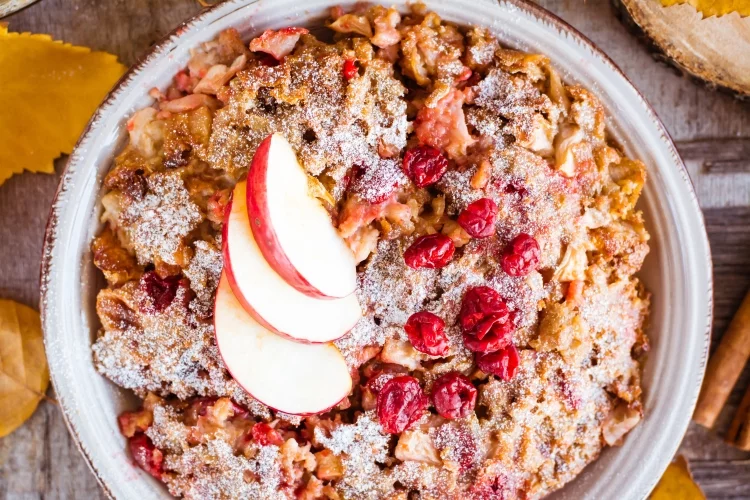
Cook half a cup of rolled oats in one cup of water until thickened. While still hot, stir in half a teaspoon of cinnamon and a finely diced apple. Finish with a tablespoon of natural almond butter. This bowl comes in around 290–320 calories depending on the apple size and delivers a solid mix of complex carbs, healthy fat, and fiber. It's also genuinely pleasant to eat, which matters more than most people admit.

Cook your oats as usual, then remove from heat and stir in half a scoop of vanilla protein powder along with a splash of milk to loosen the texture. Top with a generous handful of fresh or frozen blueberries and a tablespoon of chia seeds. The blueberries contribute antioxidants and natural sweetness, the chia seeds add omega-3 fatty acids and extra fiber, and the protein powder closes the satiety gap that plain oatmeal often leaves open by mid-morning.
Combine half a cup of rolled oats, three-quarters of a cup of unsweetened almond milk, one tablespoon of ground flaxseed, and half a mashed banana in a jar. Stir, seal, and refrigerate overnight. In the morning, top with a small handful of chopped walnuts and a pinch of sea salt. This version is especially useful during busy weeks — it's the best oatmeal recipe for weight loss when you want breakfast ready before you even wake up.
The biggest barrier to eating well in the morning is time. If you're rushing, you're not going to cook anything from scratch. Batch cooking solves this. Make a large pot of steel-cut oats on Sunday, portion it into individual containers, and refrigerate. Each morning, scoop a serving, add a splash of water or milk, and reheat. The process takes under two minutes and removes every excuse.
Overnight oat jars are even faster to prep in bulk. Assemble five jars at once for the full workweek. Use a Japanese lunch box or any airtight container that seals well. Each jar takes about three minutes to put together.
Eating the exact same bowl every morning is a reliable path to boredom — and boredom leads to skipping meals or reaching for something less healthy. Keep two or three topping combinations in rotation so breakfast stays appealing. Variety is what sustains consistency, and consistency is what actually produces results over months rather than days.
Even genuinely healthy food can stall weight loss if the portions are too large. A standard serving of dry oats is half a cup — roughly 150 calories before anything is added. It's easy to pour a full cup without thinking about it. Measure your oats for the first few weeks until you develop a reliable visual reference. After that, most people can eyeball a proper serving without much effort.
A standard serving is half a cup of dry oats, which yields about one cup cooked and roughly 150 calories before toppings. Most people find one serving at breakfast is sufficient. Eating a second serving is fine nutritionally, but it won't accelerate weight loss — your total daily calorie intake across all meals is what determines results.
Water keeps calories lower and lets your toppings carry the flavor. Milk — dairy or plant-based — adds creaminess and contributes extra protein or calcium depending on the type you choose. Both approaches work well. The decision really comes down to your daily calorie target and personal taste. If you're counting calories closely, water is the safer default.
Yes. Oatmeal has no special time-of-day restriction. Most people find it most useful at breakfast because its appetite-suppressing effects carry through the morning, but eating it in the evening is nutritionally sound. If late-night snacking tends to derail you, a small bowl of plain oats with a tablespoon of nut butter can be a low-calorie, satisfying alternative to less healthy options.
The best oatmeal recipe for weight loss is ultimately the one you'll actually prepare and eat on a regular basis — not the most elaborate one you find online. Pick one of the three recipes from this guide, try it tomorrow morning, and see how you feel by midday. Give it two weeks before judging the results. Simple, repeated actions are what create lasting change, and a well-built bowl of oatmeal is one of the easiest places to start.
 |
 |
 |
 |

About Christopher Jones
Christopher Jones holds an MBA from the University of San Francisco and brings a business-minded approach to kitchen gear evaluation — assessing products not just for performance but for long-term value, build quality, and real-world usability in everyday home cooking. He has spent years testing appliances, cookware, and kitchen gadgets with the same analytical rigor he developed in business school. At BuyKitchenStuff, he covers kitchen appliance reviews, buying guides, and practical cooking tips.
Check for FREE Gifts. Or get our Free Cookbooks right now.
Disable the Ad Block to reveal all the recipes. Once done that, click on any button below
|
|
|
|
