Kitchen Gadgets & Equipment Reviews ›
by Christopher Jones
Which moringa powder should you actually buy in 2026 — and does the brand you choose really make a difference? It does, and after comparing seven of the most popular options on Amazon, Micro Ingredients Organic Moringa Oleifera Leaf Powder comes out on top for most shoppers. Read on to find out why, and whether one of the other six picks might actually suit your needs better.
Moringa (Moringa oleifera, sometimes called the "miracle tree") has earned its superfood status the hard way. According to the National Institutes of Health Office of Dietary Supplements, moringa leaves contain meaningful levels of vitamin C, calcium, potassium, and iron — all in a form your body can absorb efficiently. You can stir the powder into smoothies, brew it as a tea, mix it into salad dressings, or blend it with other superfoods. If you enjoy experimenting with health-boosting ingredients, you might also want to check out our guide to the best maca powder, another popular adaptogen worth knowing about.
The challenge is that not all moringa powders are the same. Quality depends on where the leaves were grown, how they were dried, whether stems were included, and how the product was packaged and tested. We evaluated seven options across those criteria so you don't have to guess. Below you'll find a full breakdown, a buying guide, and a handy FAQ. We've also linked to our full product reviews page if you want to explore more categories.
Contents


If you want the best value in moringa powder without sacrificing quality, this two-pound bag from Micro Ingredients is the one to get. It's USDA certified organic, grown in India where moringa thrives in rich soil, and made from pure leaves with stems removed — a detail that matters because stems dilute the nutrient concentration and add a coarser texture. At two pounds, you're getting a serious supply that will last most people several months of daily use.
What sets this apart from cheaper options is the commitment to a completely clean label. No GMOs, no irradiation, no preservatives, no artificial colors, no gluten — nothing added at all. The powder is rich in calcium, potassium, magnesium, zinc, vitamin C, amino acids, and polyphenols (plant-based antioxidants that fight cell damage). The fine, bright-green texture blends smoothly into smoothies and teas without any gritty residue, which is a common complaint with lower-grade powders.
For daily supplement users who want a reliable, large-format bag they can keep on the counter and use consistently, this is the smartest buy in 2026. The price per ounce beats nearly every competitor reviewed here, and the quality holds up to scrutiny.
Pros:
Cons:
Jiva Organics brings a thoughtful approach to packaging that many buyers genuinely appreciate — a resealable kraft bag that keeps the powder fresh between uses. If you've ever fought with a flimsy bag and ended up with moringa powder scattered across your counter, you'll understand why this matters. The powder itself is Moringa oleifera leaf powder, India-grown, and gluten-free, making it accessible for people with dietary restrictions.
The 1.25-pound size hits a sweet spot for people who want a meaningful supply without committing to a two-pound bag right away. Jiva positions this as a smoothie booster first, and the fine grind reflects that — it mixes quickly without clumping. The brand also highlights faster absorption when taken in powder form compared to capsules, which is worth noting if you're switching from supplement capsules to raw powder. The resealable bag is genuinely one of the better storage solutions in this category.
One thing to keep in mind: Jiva Organics is a newer listing compared to some competitors here, so long-term reputation data is more limited. That said, the product specs and user feedback so far are solid. It's a strong choice if fresh storage is a priority for you.
Pros:
Cons:
Zen Principle takes a more premium approach than most moringa brands, and their drying process is the reason why. Instead of freeze-drying (which can degrade certain enzymes) or using heat, they sun- and shade-dry the leaves at a carefully controlled low temperature. This preserves the bright green color and earthy scent that signals a nutrient-dense, high-quality powder rather than a faded, processed one. If color and aroma matter to you as quality indicators, you'll notice the difference immediately when you open the bag.
The nutritional profile is impressive: over 90 essential ingredients including 20+ amino acids, 40+ antioxidants, key vitamins, minerals, protein, and Omega 3, 6, and 9 oils. Very few single-ingredient powders can claim that kind of completeness. The one-pound format is a bit smaller than some competitors, but it's priced accordingly, and the quality justifies it. This is the option to choose if you're prioritizing nutrient retention and freshness above all else rather than cost per ounce.
The powder works well stirred into shakes, smoothies, and teas, or even sprinkled over salads. It's GMO-free, gluten-free, and vegan. If you're also a tea enthusiast, pairing this with a quality brewing vessel from our guide to the best glass teapots makes for a genuinely pleasant moringa tea ritual.
Pros:
Cons:
Naturevibe Botanicals keeps things simple with their two-pound raw moringa leaf powder, and for buyers who just want a large, affordable supply without overthinking certifications and sourcing details, that simplicity is actually a selling point. You get 32 ounces of green leaf powder that works perfectly in drinks and smoothies, with the multi-vitamin profile that moringa is known for. The raw format means minimal processing from leaf to powder.
The packaging may vary (as the listing notes), which can be slightly frustrating for repeat buyers who want consistency on their shelves. But as a budget-friendly bulk option, Naturevibe delivers solid moringa powder at a competitive price point. This is a sensible choice if you're new to moringa and want to try a large quantity before investing in a premium brand, or if you're using it frequently enough that cost per ounce is your main concern.
The lack of detailed information about sourcing, drying method, and third-party testing does make it harder to assess this product against more transparent competitors like Zen Principle or PURA VIDA. If those details matter to you, step up to one of those options. If you want a lot of moringa for less money, Naturevibe gets the job done.
Pros:
Cons:
Organic India is one of the most recognized names in the Ayurvedic supplement space, and their moringa powder reflects the brand's "Beyond Organic" philosophy — meaning they go further than just meeting USDA organic standards. Their farming practices are designed to regenerate soil health, protect biodiversity, and remain fully ethical and sustainable from the ground up. If you care about where your supplements come from and how the farming affects the local ecosystem, this is the most conscientious choice on this list.
The 8-ounce canister is a standout practical feature. Unlike bags that can tip, spill, or lose their seal, the canister format keeps your powder organized and freshness-protected on the counter or in a cabinet. The trade-off is that you're paying more per ounce than you would for a bag. But for people who take moringa daily as part of a structured supplement routine, the canister makes the habit easier to maintain — no fumbling with twist ties or bag clips. It's loaded with vitamins A, E, and K, iron, calcium, fiber, and plant protein.
This is the strongest choice for someone who wants a premium, ethically sourced moringa from a highly reputable brand and doesn't mind paying a bit more for the packaging and the peace of mind. It's also easy to find in health food stores if you prefer buying local.
Pros:
Cons:
PURA VIDA takes single-origin sourcing more seriously than any other brand on this list. Their moringa is grown in volcanic soil in the Americas — a nutrient-dense growing environment that produces a particularly vibrant, potent leaf. Every batch is third-party tested by independent laboratories, with certificates available on request, which gives you a level of transparency that most competitors simply don't offer. The hand-peeled and handpicked process ensures only the leaves make it into your bag.
The proprietary machine-free, gentle drying process in their cGMP (current Good Manufacturing Practice) facility is designed to preserve the natural enzymatic profile of the moringa — meaning the delicate compounds that are most easily destroyed by heat and rough handling are carefully protected. If you want the most nutrient-intact moringa powder on this list, PURA VIDA has the strongest case. The 100% satisfaction guarantee backs that claim with real accountability.
The 8-ounce size and premium positioning mean you'll pay more per ounce here than with the Micro Ingredients or Naturevibe options. But for buyers who treat their moringa as a serious daily supplement rather than just a smoothie add-in, the third-party testing, single-farm sourcing, and enzyme-preserving process make the premium genuinely worthwhile. This is also a great gift option for health-conscious friends.
Pros:
Cons:
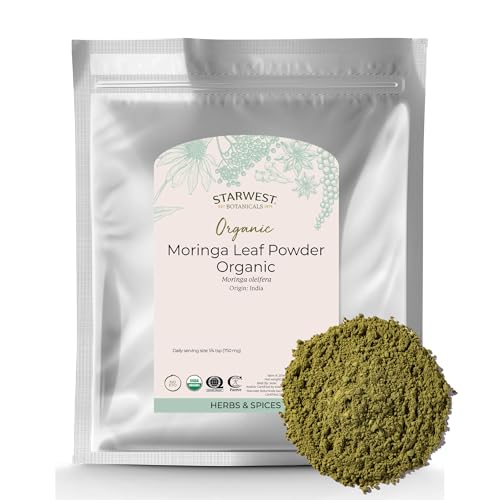
Starwest Botanicals has been a trusted name in the bulk herb and botanical space for decades, and their moringa powder reflects that heritage. It's USDA certified organic, certified kosher (a distinction no other product on this list holds), and non-GMO. The flavor profile — earthy and slightly sweet, reminiscent of matcha or spirulina — is highlighted as a feature here rather than something to mask, which signals that the quality is good enough to stand on its own without blending into heavy-flavored smoothies.
The versatility is a genuine strength: this powder works in smoothies, juices, teas, yogurts, sauces, and vegetable dishes. The earthy, slightly sweet flavor makes it the most enjoyable moringa powder to use in recipes where the moringa flavor is meant to come through, rather than being hidden under fruit and protein powder. If you enjoy moringa tea specifically, or cook with botanical powders regularly, Starwest's reputation for consistent botanical quality is hard to beat.
At one pound and USDA certified organic, the price is fair without being the cheapest option. The kosher certification makes this the only choice for buyers who require it. For everyday smoothie users, you might prefer the larger Micro Ingredients bag on pure value grounds — but for tea and culinary use, Starwest wins.
Pros:
Cons:
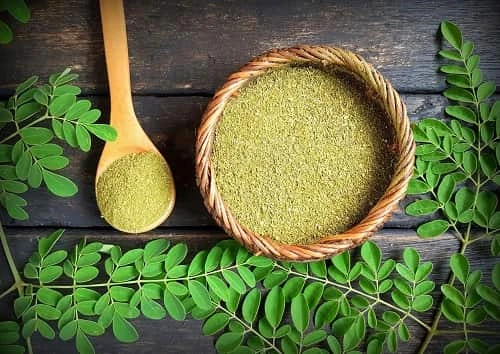
The single most important thing to look for when buying moringa powder is third-party certification. USDA Organic certification means the product has been independently verified to meet strict standards — no synthetic pesticides, no GMOs, no irradiation. Beyond the USDA seal, look for brands that disclose their growing region and farming practices. India is the world's largest moringa producer and a highly respected origin, but single-farm sourcing (like PURA VIDA's volcanic-soil farm) gives you even more traceability. If a brand won't tell you where their moringa comes from, that's a red flag worth taking seriously. Third-party lab testing, with certificates available on request, is the gold standard — PURA VIDA and Starwest Botanicals both meet it.
How the leaves are dried matters enormously for the final nutritional value of your moringa powder. High heat destroys heat-sensitive vitamins, enzymes, and antioxidants. The best producers use low-temperature sun-drying, shade-drying, or proprietary gentle-drying processes that preserve the natural enzymatic profile. You can often judge drying quality by the color of the powder: a vibrant, deep green indicates good nutrient retention, while a dull or faded olive-green often signals heat damage or over-processing. If you're comparing powders side by side, smell them — fresh, earthy, and slightly grassy is ideal. This is also why moringa powder is often considered a better choice than maca in certain contexts, though both serve different purposes — read our guide to the best maca powder to understand the difference.
Not all moringa powders are made from leaves alone. Some include stems, which have a different nutrient profile and a coarser texture that affects how smoothly the powder blends. Stem-inclusive powders are generally cheaper to produce but nutritionally weaker per gram. Always check whether the product specifies "leaf powder" or "leaf and stem powder." Every product reviewed here is leaf-based, but this distinction becomes relevant when comparing products outside this list. Pure leaf-only powder is the higher-quality choice for both nutrition and texture.
Moringa powder is sensitive to light, moisture, and air. Good packaging makes a genuine difference in how long your powder stays potent. Look for resealable bags (Jiva Organics does this well), sturdy canisters (Organic India), or zip-lock closures that prevent air infiltration. Once opened, store your moringa powder in a cool, dry place away from direct sunlight. Most products have a shelf life of 12 to 24 months from production, but improper storage can cut that significantly. If you're a smoothie-maker who also enjoys hot beverages, pairing a quality moringa powder with a well-designed brewing setup — such as one of the options in our guide to the best monk fruit sweeteners — can help you build a genuinely enjoyable morning routine with complementary flavors.
Moringa powder has an earthy, slightly grassy flavor that many people compare to matcha or spirulina. It's mildly bitter with a subtle sweetness underneath. Most people find the taste easy to mask in smoothies by combining it with fruit, nut butter, or a liquid base like almond milk. Higher-quality powders like Starwest Botanicals tend to have a cleaner, more pleasant flavor than cheaper alternatives that may taste dusty or overly bitter.
A common starting dose is one teaspoon (about 2–3 grams) per day, which you can gradually increase to one tablespoon as your body adjusts. Most moringa supplements are safe for daily use at these levels for healthy adults, but you should always check with your doctor before adding any new supplement to your routine, especially if you take medications or have underlying health conditions. Pregnant women in particular should get medical guidance before using moringa regularly.
Yes, in most cases it is. USDA Organic certification ensures that the product was grown without synthetic pesticides or fertilizers, which matters because moringa leaves are highly absorbent. Residual chemicals from conventional farming can concentrate in the powder, defeating the purpose of taking it as a health supplement. The price difference between organic and non-organic moringa is usually modest enough that the organic option is the smarter long-term choice for your health and peace of mind.
You can absolutely cook with moringa powder, and Starwest Botanicals is the pick specifically highlighted for culinary use. Moringa works well stirred into sauces, sprinkled over salads, mixed into soups, and blended into salad dressings. The one key caveat is that high heat degrades some of the heat-sensitive nutrients, so adding it at the end of cooking or using it in cold preparations preserves more of its nutritional value. For maximum nutrition, blending it raw into smoothies or cold drinks is the preferred method.
Moringa powder and capsules contain the same underlying ingredient, but powder generally offers several advantages: higher concentration per serving, faster absorption, and more flexibility in how you use it. Capsules are more convenient for travel and require no measuring, but you're also paying for the capsule casing and often getting a smaller effective dose per serving. If you're already making smoothies or teas as part of your routine, powder is the more cost-effective and versatile choice in 2026.
Store your moringa powder in an airtight container, away from direct sunlight, heat, and humidity. A cool pantry or cabinet is ideal. If you buy a large bag that isn't resealable, transfer the powder to a glass jar with a tight-fitting lid. Avoid storing it near the stove or in a spot where temperature fluctuates. Properly stored moringa powder can maintain its potency for up to two years, though freshness and color are best in the first 12 months after opening.
 |
 |
 |
 |

About Christopher Jones
Christopher Jones holds an MBA from the University of San Francisco and brings a business-minded approach to kitchen gear evaluation — assessing products not just for performance but for long-term value, build quality, and real-world usability in everyday home cooking. He has spent years testing appliances, cookware, and kitchen gadgets with the same analytical rigor he developed in business school. At BuyKitchenStuff, he covers kitchen appliance reviews, buying guides, and practical cooking tips.
