Kitchen Gadgets & Equipment Reviews ›
by Christopher Jones
Over 60% of home cooks who invest in an electric pasta maker report they use it at least twice a week within the first year of ownership — a usage rate that puts most kitchen gadgets to shame. Fresh pasta delivers a texture and flavor that dried boxed varieties simply cannot match, and the 2026 generation of electric pasta makers has made the process faster, cleaner, and more accessible than ever before.
Whether you want a fully automatic machine that mixes, kneads, and extrudes in under ten minutes or a motorized roller that gives you hands-on control over thickness and shape, there is an electric pasta maker built for your kitchen. The machines on this list range from compact units designed for couples to high-capacity models that feed a dinner party of eight. We evaluated each one on motor power, versatility of shapes, ease of cleaning, and overall build quality.

If you enjoy pairing homemade pasta with perfectly frothed sauces and beverages, you might also appreciate our guide to the best electric milk frothers. Below, you will find our detailed breakdown of the seven top electric pasta makers worth your money in 2026, along with a buying guide and answers to the most common questions we hear from readers browsing our kitchen appliance reviews.
Contents




The Philips 7000 Series represents the pinnacle of consumer electric pasta making in 2026. Powered by ProExtrude Technology and a 150W motor, this machine takes you from raw flour to perfectly textured pasta in under ten minutes. That is not marketing fluff — the mixing chamber and extrusion mechanism work in tandem with a precision that cheaper machines simply cannot replicate. The Perfect Mixing Technology ensures even hydration throughout your dough, eliminating dry pockets and sticky clumps before extrusion begins.
The eight included shaping discs cover everything from classic spaghetti to penne to lasagna sheets. You get genuine variety without purchasing additional accessories on day one. The large capacity handles up to eight portions in a single batch, which makes this the obvious choice if you cook for a family or like to meal-prep pasta for the week ahead. Integration with the Philips HomeID app provides guided recipes and troubleshooting, though the machine works perfectly without it.
Build quality is excellent. The housing feels solid without being excessively heavy, and the disassembly process for cleaning is straightforward — every component that touches food detaches in seconds. The white finish stays clean-looking even after heavy use, and the cord management is tidier than previous Philips generations.
Pros:
Cons:
Not everyone needs to produce eight servings at once. The Philips Viva Collection targets couples and solo cooks who want fresh pasta without the bulk of a full-sized machine. It automatically kneads and extrudes 2-3 servings in approximately 18 minutes — slower than the 7000 Series but still remarkably convenient for a weeknight dinner. The uniquely designed stirring bar handles the mixing internally, so you add ingredients and walk away.
Three default shaping discs for spaghetti, penne, and fettuccine cover the most popular pasta types. The double extrusion process built into these discs produces noticeably smoother pasta than single-pass competitors at this price point. You can experiment freely with different flours, egg additions, herb infusions, or vegetable juices like spinach and carrot to create flavored pastas without any special attachments.
The compact black design takes up minimal counter space — roughly the footprint of a coffee maker. The 40-inch cord gives you flexibility in placement. Cleaning requires some patience with the extrusion chamber, but the included tools make it manageable. If you live in an apartment or cook for one or two people regularly, this is the machine that makes the most practical sense.
Pros:
Cons:
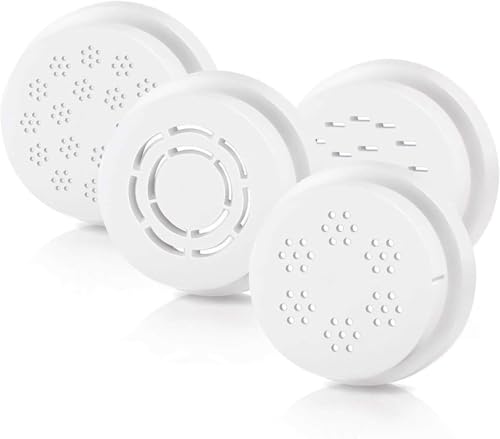
If you already own a Philips pasta maker and find yourself wanting more shapes, this 4-in-1 disc set is the most cost-effective way to expand your repertoire. The set adds angel hair, pappardelle, thick spaghetti, and tagliatelle to your machine's capabilities — four shapes that cover both delicate and hearty pasta styles. These are not generic third-party knockoffs; they are engineered by Philips with the same extrusion hole geometry that ensures smooth, consistent results.
The included cleaning tool with one-push functionality makes maintenance significantly easier than manually picking dried dough from disc holes. Each disc seats firmly in compatible Philips machines without wobble or misalignment. The thick spaghetti and tagliatelle discs in particular fill a gap that many owners notice after using the default set for a few months — you get that substantial bite that works beautifully with heavier ragù and cream-based sauces.
This is an accessory, not a standalone machine, so it requires a compatible Philips pasta maker to function. But if you are already in the Philips ecosystem, these four discs dramatically increase what you can produce without buying a second machine.
Pros:
Cons:
The Imperia Pasta Presto takes a fundamentally different approach from extrusion-style machines. This is a motorized roller — it sheets your dough to precise thicknesses and then cuts it into tagliatelle or fettuccine using built-in cutters. Made in Italy from heavy-duty 18/10 stainless steel, it carries the kind of build quality that Italian pasta-making tradition demands. The non-stick coating ensures clean release every time without oiling the rollers.
Six thickness settings give you control over your final product in a way that fully automatic machines cannot match. You decide exactly how thin your sheets go, which matters enormously when you are making different dishes — a thick pappardelle for bolognese requires completely different sheeting than a delicate filled ravioli. The electric motor eliminates the hand-cranking fatigue of manual machines while preserving that artisan control.
The trade-off is clear: you still need to make and rest your dough separately before feeding it through. This is not a dump-and-go appliance. But for cooks who enjoy the process and want restaurant-quality sheets with perfect consistency, the Imperia Pasta Presto delivers results that extrusion machines struggle to match. The two built-in cutters handle the most popular ribbon shapes, and the stainless construction will outlast plastic competitors by decades. According to the historical origins of pasta making, the roller method most closely replicates traditional Italian technique.
Pros:
Cons:
VEVOR has built a reputation for delivering capable kitchen equipment at aggressive price points, and their electric pasta maker continues that tradition. The 150W motor with four intelligent modes handles everything from mixing to extrusion automatically. The 500g flour capacity produces enough noodles for approximately four people in 14 minutes — solid middle ground between the compact Philips Viva and the full-size 7000 Series.
Eight included molds give you impressive shape variety right out of the box. The two-way kneading rod combined with what VEVOR calls "four-dimensional mixing" attempts to replicate the texture of hand-kneaded dough. In practice, the results are good — not quite Philips ProExtrude quality, but genuinely satisfying for everyday cooking. The included recipes and ratio guides make this particularly friendly for first-time pasta makers who have never worked with flour-to-water ratios before.
One important caveat: water measurement precision matters more with this machine than with premium competitors. Too much or too little water causes sticking or incomplete extrusion. Follow the Quick Start Guide ratios exactly until you develop a feel for the correct dough consistency. The measuring cups included help, but the margin of error is tighter than Philips machines. If you are looking to try electric pasta making without committing to a premium price, this is where you start. It pairs well with other budget-friendly kitchen upgrades — check our picks for the best electric hot pots if you are building out a versatile kitchen on a budget.
Pros:
Cons:
The Sailnovo occupies an interesting position in this list as a primarily manual machine with electric motor compatibility. Its aluminum alloy construction and nine adjustable thickness settings give you granular control over your pasta sheets — from a thick 3mm setting for hearty noodles down to a paper-thin 0.5mm for perfect dumpling wrappers. That range exceeds what most dedicated electric machines offer.
Two width cutters produce 2.0mm and 4.5mm strips, covering spaghetti through fettuccine. The food-grade material construction eliminates the metallic taste that plagues some cheaper pasta rollers. Nine thickness positions is exceptional — most competitors offer six at best, and the fine increments matter when you are dialing in specific recipes. The machine handles lasagna sheets, dumpling skins, and everything in between without swapping attachments.
Cleaning requires attention. The blade attachments must never be washed with water or placed in a dishwasher — moisture damages blade sharpness and shortens the machine's lifespan. A dry brush or wooden stick removes residual dough effectively. This maintenance approach mirrors traditional Italian pasta machines and is worth the minor inconvenience for the longevity it provides. If you already own an electric motor attachment or plan to purchase one separately, this becomes a fully motorized solution at a fraction of the cost of integrated machines.
Pros:
Cons:
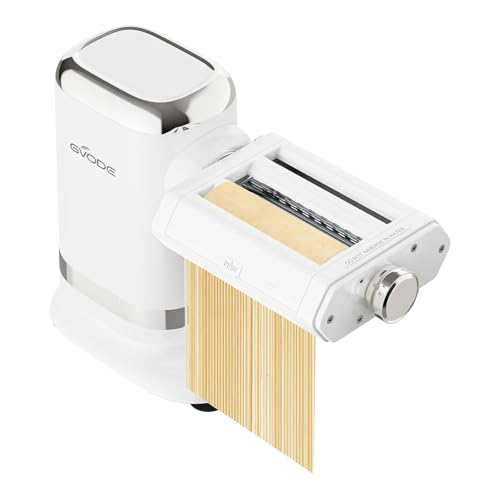
The GVODE takes a unique approach by combining a standalone 700W motor with KitchenAid stand mixer compatibility. That motor power is the highest on this list by a significant margin — nearly five times what the Philips 7000 Series uses. The result is effortless sheeting through even stiff, low-hydration doughs that would strain lesser motors. The premium aluminum construction provides both safety and the kind of durability you expect from equipment designed for frequent use.
Eight adjustable thickness settings range from 0.4mm to 2mm, covering everything from delicate angel hair to substantial fettuccine. The 3-in-1 design includes a pasta sheet roller, a fettuccine cutter, and a spaghetti cutter — all three attach and detach quickly for simple transitions between shapes. The quick-attach mechanism works identically whether you are using the standalone motor or connecting to your KitchenAid mixer's power hub, which gives you genuine flexibility in how you set up your pasta station.
Cleaning is brush-only — not dishwasher safe, similar to the Sailnovo and most quality roller-style machines. The included cleaning brush handles routine maintenance well. If you already own a KitchenAid stand mixer and want to add pasta-making capability without buying a completely separate appliance, the GVODE is the smartest investment on this list. The standalone motor option means you are not locked into always pulling out the full mixer for a quick pasta session. For those who love making fresh pasta to pair with homemade sauces, our whole wheat pasta recipe guide offers healthy variations worth trying.
Pros:
Cons:
This is the most fundamental decision you will make. Extrusion machines (like the Philips models and VEVOR) mix, knead, and push dough through shaped dies automatically. You add flour and liquid, press a button, and finished pasta comes out the other end. Roller machines (like the Imperia, Sailnovo, and GVODE) sheet pre-made dough to your desired thickness and then cut it into strips. Neither approach is objectively superior — they serve different preferences.
Choose extrusion if you value convenience and want shaped pasta like penne, rigatoni, or fusilli that rollers cannot produce. Choose rollers if you want maximum control over texture, prefer the silky surface of sheeted pasta, or plan to make filled pastas like ravioli and tortellini where sheet quality determines the final product.
Motor wattage tells you how stiff a dough the machine can handle without straining. The 700W GVODE powers through semolina-heavy recipes that would stall a 150W motor. However, higher wattage does not always mean better pasta — the Philips 7000 Series produces superior results at 150W because its engineering is optimized for extrusion rather than brute force. Consider what you will actually make. Standard egg pasta requires minimal motor power. Whole wheat and semolina doughs demand significantly more.
Capacity matters for household size. Machines producing 2-3 servings work for couples. If you regularly feed four or more, look for 500g+ flour capacity or the Philips 7000's eight-portion capability. Batch size directly impacts how often you run the machine for a single meal.
Count the included discs or cutters, but also check whether additional shapes are available for purchase. Philips machines have the largest accessory ecosystem — you can add dozens of shapes over time. Budget brands like VEVOR include more shapes initially but offer limited expansion. Roller machines produce only flat pastas and cut strips unless you hand-shape the sheets afterward.
Think about which shapes you actually eat. Most households rotate between three or four favorites. Eight discs sound impressive, but if you only use spaghetti and fettuccine regularly, those extra molds sit in a drawer. Invest in a machine that excels at your preferred shapes rather than one that does many shapes adequately.
Every electric pasta maker requires cleaning after use, and this is where many buyers experience regret. Extrusion machines with multiple chambers and die plates demand thorough disassembly. Roller machines need dry-brush cleaning only — water damages cutting blades. Before purchasing, watch a cleaning video for your specific model. The best-designed machines (like the Philips 7000 with its quick-release components) reduce cleaning time to under five minutes. Poorly designed machines can take twenty minutes of picking dried dough from crevices.
Non-stick coatings on rollers reduce sticking but eventually wear. Stainless steel lasts longer but requires more attention to prevent dough adhesion. Whichever you choose, plan on cleaning immediately after use — dried pasta dough becomes concrete-hard and exponentially harder to remove.
Fresh pasta keeps for 24 hours in the refrigerator when lightly floured and loosely covered. For longer storage, dry it on a pasta rack for 12-24 hours until brittle, then store in an airtight container for up to two weeks. You can also freeze fresh pasta directly on a floured baking sheet, then transfer to freezer bags where it stays good for up to eight weeks. Cook frozen pasta directly from frozen — do not thaw first.
Yes, but with caveats. Extrusion machines handle gluten-free blends better than rollers because the pressure compensates for the missing gluten structure. Use purpose-made gluten-free pasta flour blends rather than single-ingredient alternatives like rice flour alone. Add xanthan gum (about 1 teaspoon per cup of flour) to improve cohesion. Expect slightly different textures — gluten-free extruded pasta tends to be more fragile, so handle it gently and reduce cooking time by 1-2 minutes.
If you make pasta more than twice a month, yes. Hand-rolling develops arm fatigue after a few sheets, and achieving consistent thickness across an entire batch is genuinely difficult without practice. Electric machines deliver uniform results every time and reduce active labor from 30-45 minutes to under 15. The initial investment pays for itself in saved time within a few months of regular use. The difference is even more dramatic for extrusion shapes like penne that are virtually impossible to replicate by hand.
Bronze dies create a rough, porous surface on extruded pasta that grips sauce beautifully — this is what restaurants mean by "bronze-cut" pasta. Teflon-coated dies produce smoother pasta that releases from the die more easily and is simpler to clean. Most consumer electric pasta makers use Teflon-style dies for convenience and durability. If sauce adhesion matters to you (and it should for robust ragùs), look specifically for machines advertising bronze dies or purchase aftermarket bronze discs compatible with your machine.
Dust extruded pasta immediately with semolina flour or fine cornmeal as it exits the machine. Arrange cut pieces on a floured surface in a single layer — never pile fresh pasta. For long shapes like spaghetti, form small nests and let them dry for five minutes before cooking or storing. If your pasta sticks inside the machine during extrusion, your dough is too wet. Reduce liquid by one teaspoon per cup of flour and run another batch. Properly hydrated dough exits cleanly without sticking to the die.
Compact extrusion models like the Philips Viva Collection need roughly 10 by 7 inches — similar to a standard coffee maker. Full-size extrusion machines like the Philips 7000 require approximately 14 by 9 inches. Roller-style machines need their own footprint (around 8 by 8 inches) plus clearance space in front and behind for feeding and catching the pasta sheets — plan for at least 24 inches of linear counter space during operation. All machines need a power outlet within cord reach.
Buy the machine that matches how you actually cook — a fully automatic extruder for weeknight convenience, or a precision roller for weekend artisan sessions — and you will never reach for boxed pasta again.
 |
 |
 |
 |

About Christopher Jones
Christopher Jones holds an MBA from the University of San Francisco and brings a business-minded approach to kitchen gear evaluation — assessing products not just for performance but for long-term value, build quality, and real-world usability in everyday home cooking. He has spent years testing appliances, cookware, and kitchen gadgets with the same analytical rigor he developed in business school. At BuyKitchenStuff, he covers kitchen appliance reviews, buying guides, and practical cooking tips.
