by Rick Goldman
A few years ago, I spent an entire weekend batch-cooking meals for the week — soups, stir-fries, even homemade bread. By Monday morning, my hands were covered in angry red patches that cracked every time I gripped a pan. It took weeks of doctor visits and food journaling before I connected the dots. If you've ever dealt with something similar, you already know how frustrating it is to figure out which foods that trigger eczema are hiding in your everyday meals. The connection between your kitchen and your skin is more direct than most people realize, and understanding it can change everything about how you manage your health day to day.

Eczema (atopic dermatitis) affects more than 31 million Americans, and research consistently shows that certain foods can spark or worsen flare-ups. The tricky part is that your triggers aren't necessarily the same as someone else's. What sends one person into a full-body itch fest might be perfectly fine for you.
This guide walks you through the most common culprits, how to identify your personal triggers, and practical ways to restructure your kitchen so your skin stays calm. No guesswork — just straightforward steps you can start using today.
Contents
Not every eczema flare-up comes from something you ate. Before you overhaul your entire pantry, you need to figure out whether food is actually the problem. Here's how to tell the difference.
Foods that trigger eczema tend to follow a predictable pattern. Watch for these signals:
If you're also dealing with gut issues, you'll want to read up on ways to improve your digestion — your gut health and skin health are deeply connected.
Sometimes the culprit is environmental, not dietary. Don't chase food triggers if:
Pro tip: Before eliminating any foods, keep a detailed food-and-symptom diary for at least two weeks. Many people cut out foods unnecessarily when the real trigger is a new hand soap or seasonal allergen.
Switching to an eczema-friendly diet sounds expensive, but it doesn't have to wreck your grocery budget. The key is knowing where to spend and where to save.
| Common Trigger | Budget-Friendly Swap | Approx. Weekly Cost |
|---|---|---|
| Cow's milk | Oat milk (store brand) | $3–4 |
| Wheat bread | Rice cakes or corn tortillas | $2–3 |
| Cheese | Nutritional yeast or goat cheese alternatives | $3–5 |
| Peanut butter | Sunflower seed butter | $4–6 |
| Soy sauce | Coconut aminos | $4–5 |
| Eggs (in baking) | Flax eggs or applesauce | $1–2 |
| Processed snacks | Fresh fruit, rice crackers | $4–6 |
Here's what surprises most people — an eczema-friendly diet often costs less once you settle into it:
Proper food storage makes a big difference too. Keeping your anti-inflammatory staples fresh and organized in quality storage containers means less waste and fewer emergency grocery runs.
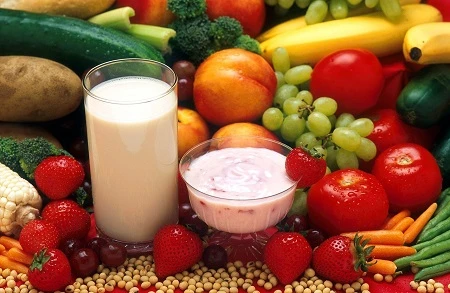
Identifying which foods that trigger eczema affect you specifically takes patience, but the elimination diet is the gold standard. Here's exactly how to do it.
An elimination diet strips your meals down to low-risk foods, then reintroduces potential triggers one at a time. Follow these steps:
According to the National Institute of Arthritis and Musculoskeletal and Skin Diseases, working with a healthcare provider during this process helps you avoid nutritional gaps.
While your triggers are personal, research consistently points to the same repeat offenders:

Once you've identified your personal foods that trigger eczema, the next step is building a sustainable eating pattern that keeps inflammation low without making you miserable at the dinner table.
These foods actively work against the inflammatory pathways that drive eczema:
If you're looking for an anti-inflammatory supplement to add to smoothies, beetroot powder is packed with nitrates and antioxidants that support overall skin health.
Sticking to an anti-inflammatory diet gets easier with a simple weekly framework:
A fresh lemon herb chicken salad makes an excellent eczema-friendly meal prep option that holds up well in the fridge for several days.
Your cooking methods and kitchen habits matter almost as much as the ingredients you choose. Small changes in how you prepare and store food can make a measurable difference in how your skin responds.
Not all cooking methods are equal when it comes to inflammation. Here's what the research shows:
A bamboo steamer is one of the best investments for eczema-friendly cooking — it gently cooks vegetables and fish while keeping their anti-inflammatory nutrients intact.
How you handle food before and after cooking affects both freshness and your skin:
The top culprits are dairy (especially cow's milk), eggs, wheat, soy, peanuts, tree nuts, shellfish, and citrus fruits. Processed foods high in sugar and artificial additives also frequently cause flare-ups. Your specific triggers depend on your individual immune response, so testing through an elimination diet is the most reliable way to identify them.
Most food-related eczema reactions appear within 2 to 6 hours after eating, though some delayed reactions can take up to 48 hours. This is why keeping a detailed food diary with timestamps is so important — it helps you connect meals to symptoms that might not seem related at first glance.
Diet changes can significantly reduce flare-ups, but eczema is a chronic condition with genetic and environmental components. Removing trigger foods eliminates one major source of inflammation, and many people see dramatic improvement. However, a complete cure through diet alone is unlikely for most people.
Dairy is the most commonly reported trigger, but it's not universally problematic. Some people with eczema tolerate dairy perfectly fine while reacting strongly to eggs or wheat. The only way to know if dairy affects your eczema is to eliminate it for 4–6 weeks and observe your skin.
Egg whites contain several proteins (ovomucoid, ovalbumin, ovotransferrin) that can trigger immune responses in eczema-prone individuals. Egg yolks are generally better tolerated. If you react to eggs, try eliminating them completely for six weeks before testing yolks separately from whites.
Yes. Omega-3 fatty acids from fish, antioxidants from berries and leafy greens, and compounds like curcumin from turmeric have all shown measurable anti-inflammatory effects in clinical studies. They work by calming the same immune pathways that drive eczema flare-ups.
Children should only follow elimination diets under medical supervision. Growing bodies need a wide range of nutrients, and unsupervised restriction can lead to deficiencies. A pediatric allergist or dermatologist can guide the process safely and may recommend specific blood or skin-prick tests first.
Absolutely. Stress raises cortisol and other inflammatory markers, which lowers the threshold for food reactions. A meal you normally tolerate fine might cause a flare-up during a stressful week. Managing stress through sleep, exercise, and relaxation techniques makes your dietary efforts more effective.
Your skin is the loudest messenger your body has — learn which foods set it off, rebuild your kitchen around what keeps it calm, and you'll spend far less time fighting flare-ups and far more time enjoying your meals.
 |
 |
 |
 |

About Rick Goldman
Rick Goldman grew up traveling the Pacific Coast and developed an early appreciation for regional and international cuisines through exposure to diverse food cultures from a young age. That culinary curiosity shaped his approach to kitchen gear — he evaluates tools based on how well they perform across different cooking styles, ingredient types, and meal occasions. At BuyKitchenStuff, he covers kitchen equipment reviews, recipe guides, and food-focused buying advice.
Check for FREE Gifts. Or get our Free Cookbooks right now.
Disable the Ad Block to reveal all the recipes. Once done that, click on any button below
|
|
|
|
