by Daisy Dao
Last winter, a friend handed me a bowl of handmade chicken noodle soup and the noodles were nothing like the dried ones from a box — softer, richer, and somehow more satisfying. That single bowl sent me down the path of learning how to make homemade noodles from scratch, and it turned out to be one of the most rewarding kitchen skills I've picked up. If you enjoy cooking from scratch, our recipe collection has plenty more inspiration waiting for you.
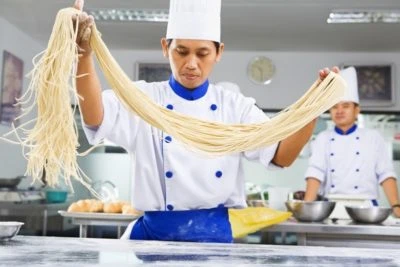
The process is simpler than most people expect. You need a handful of pantry staples, a little patience, and about an hour of your time. Once you've made noodles from scratch even once, going back to dried pasta starts to feel like a step backward. The texture is more tender, the flavor is richer, and the satisfaction of putting something handmade on the table is genuinely hard to beat.
Whether you plan to drop them into a simmering broth, toss them with butter and herbs, or pair them with roasted vegetables like in this pasta with cauliflower recipe, homemade noodles adapt to nearly any dish you want to build around them.
Contents
The traditional homemade noodle recipe calls for just a few basics: all-purpose flour, eggs, salt, and a small splash of water. That's genuinely it. The ratio that works for most home cooks is 2 cups of flour to 2 large eggs, plus a pinch of salt and 1–2 tablespoons of water if the dough feels a little dry during mixing.
Some cooks swap in semolina flour (a coarser, higher-protein wheat flour) for a firmer, chewier noodle. Others use only egg yolks instead of whole eggs, which gives the dough a richer golden color and a silkier texture when cooked. Both approaches work well. The plain all-purpose version is the most forgiving starting point, especially if this is your first time.
Pro tip: Use room-temperature eggs rather than cold ones straight from the fridge — cold eggs stiffen the dough and make kneading noticeably harder.
You don't need a pasta machine to make your first batch. A rolling pin and a sharp knife will get you through just fine. That said, a few basic tools do make the process faster and more consistent, especially once you start making noodles regularly.
If you already own a food processor, it can mix and partially knead your dough in about 30 seconds. You'd be surprised what that machine can do in the kitchen — check out these ways to use your food processor for dough, chopping, and much more. If you're still shopping for one, the guide on multi food processors vs. standard food processors explains the practical differences between models clearly.
Start by mounding your flour on a clean countertop or in a large bowl. Make a well in the center, crack in your eggs, and add a pinch of salt. Use a fork to slowly beat the eggs while pulling flour in from the edges. Once the mixture becomes shaggy and rough, set the fork aside and switch to your hands.
Knead the dough firmly for 8–10 minutes by hand. You're pushing it away with the heel of your hand, folding it back, turning it, and repeating. The dough should gradually become smooth, elastic, and slightly tacky — similar in feel to stiff Play-Doh. If it sticks to your hands and counter, dust in a little more flour. If it crumbles, add water a teaspoon at a time. Don't rush the kneading — this step builds the gluten structure that gives noodles their satisfying chew.
Once kneaded, wrap the dough tightly in plastic wrap and let it rest at room temperature for at least 30 minutes. This resting period is not optional. It relaxes the gluten, which means the dough won't spring back when you try to roll it thin. A dough that skips resting will fight you at every step.
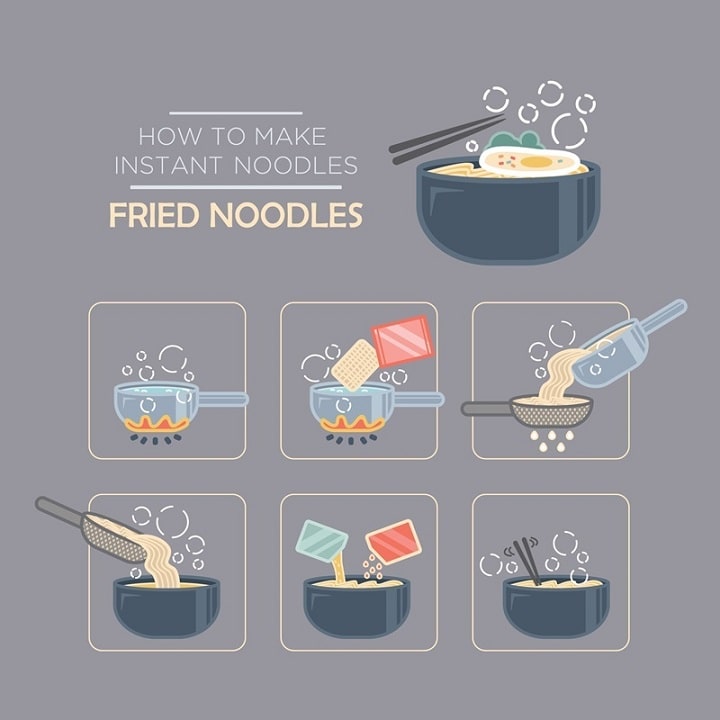
After resting, divide the dough into two or three portions so it's easier to manage. Working one portion at a time on a lightly floured surface, roll it out as thin as you can — aim for about 1–2 mm thick. Lift and rotate the sheet often to make sure it isn't sticking underneath, and dust with more flour as needed.
To cut by hand, loosely fold the sheet into thirds like a letter, then slice across the folds into strips. Unfold them and toss immediately with a little flour to keep the noodles from sticking together. Standard egg noodles are usually cut about 6–8 mm wide, but you can go narrower for soup or wider for saucier dishes. Cook them right away in a large pot of salted boiling water, or let them dry on a rack if you're making them ahead.
Important: Fresh noodles cook much faster than dried pasta — usually just 2–4 minutes. Start tasting at the 2-minute mark so you don't overcook them.
The most common issue is dough that tears when you try to roll it thin. This almost always means the dough didn't rest long enough. Give it the full 30 minutes wrapped up tight, and if it still resists, let it sit another 10 minutes before trying again.
Another frequent mistake is adding flour too aggressively when the dough feels sticky. Add it in small pinches and keep kneading — a shaggy, slightly tacky dough usually smooths out with more work rather than more flour. Dumping in extra flour too early produces dense, heavy noodles that lack the tender bite you're after. According to Wikipedia's overview of noodles, proper hydration is one of the defining characteristics that separates quality noodles from mediocre ones across essentially every culinary tradition.
Fresh noodles need a large volume of water at a full, rolling boil. Using a pot that's too small causes noodles to crowd together and cook unevenly. Salt the water generously — it should taste like mild seawater. This is not just for flavor; salted water seasons the noodles from the inside as they cook.
Overcooking fresh noodles is surprisingly easy because they go from perfect to mushy in under a minute. Drain them the moment they're just tender with a slight chew (what Italians call "al dente," meaning "to the tooth"). They'll continue softening slightly from residual heat after draining, so pulling them a moment early is actually the right call.
The honest case for making your own noodles comes down to dollars and cents. A single batch of homemade egg noodles — enough to serve four people — costs well under a dollar in raw ingredients. Compare that to a bag of store-bought egg noodles and the math is hard to ignore.
| Item | Approximate Cost | Serves |
|---|---|---|
| 2 cups all-purpose flour | $0.20 | 4 |
| 2 large eggs | $0.40 | 4 |
| Salt and water | Negligible | 4 |
| Total per batch | ~$0.60 | 4 |
| Store-bought dried egg noodles | $2.00–$3.50 | 4 |
If you cook noodle dishes once a week, you're looking at saving roughly $100 or more over a year compared to buying packaged noodles. That's not nothing — especially when the homemade version is genuinely better.
If you decide to invest in dedicated equipment, a manual pasta roller (the kind you clamp to a counter and hand-crank) typically costs between $30 and $60 and lasts for decades with basic care. An electric pasta attachment for a stand mixer runs $60–$100. Either option speeds up rolling significantly and produces more consistent thickness than doing it by hand.
That said, you can skip all of it. A rolling pin and a knife require zero additional spending if you already own them, and many experienced home cooks swear by the hand-rolled method anyway. Start with what you have and upgrade only if you find yourself making noodles regularly enough to justify it.
Homemade noodles shine brightest when dropped fresh into a simmering broth. They absorb the surrounding flavors in a way dried noodles simply can't replicate, turning a basic chicken stock into something that actually tastes homemade all the way through. If someone at home is feeling sick, knowing what to eat when you have a cold — including a proper noodle soup — can make a real difference in how they recover.
Beyond soup, your fresh noodles take well to butter and herbs, creamy sauces, stir-fry preparations, or a simple drizzle of good olive oil with garlic. They hold up to bold, assertive flavors without falling apart. A little fresh thyme or rosemary works beautifully here — if you run short, this guide on substitutes for thyme will keep your dish on track without a last-minute grocery run.
Your first batch will take the longest simply because you're still learning how the dough should feel at each stage. By the third or fourth time, you'll mix, knead, rest, and roll a full batch in under 45 minutes without thinking much about it. The repetition is where the skill lives.
Many home cooks make a double batch on weekends and dry the extra noodles overnight on a rack or hang them over a dowel rod. Dried homemade noodles keep well for several weeks in an airtight container. Batch cooking your noodle dough is especially practical for families — portion and freeze raw dough balls for up to a month, thaw overnight in the fridge, and roll them out fresh on a weeknight. It cuts your actual active cooking time down considerably.
Once the basic process feels natural, experimenting becomes fun rather than stressful. Try blending spinach into the dough for green noodles, or add a pinch of turmeric for a golden color and mild earthiness. None of these variations require extra cost — just ingredients you probably already have on hand.
Yes, a rolling pin and a sharp knife are all you need. Roll the rested dough as thin as you can manage by hand, fold it loosely into thirds, and slice it into strips. It takes a bit more effort than using a machine, but the results are just as good once you get the hang of rolling evenly.
You can cook them immediately, toss them with a little flour and refrigerate for up to 2 days, or spread them on a rack to dry overnight and then store in an airtight container for several weeks. You can also freeze uncooked dough balls for up to a month — just thaw overnight in the fridge before rolling.
The most likely cause is not enough resting time. The dough needs at least 30 minutes wrapped tightly in plastic so the gluten can relax. If it still tears after that, let it rest another 10 minutes. Attempting to roll dough that hasn't rested properly is the single most common source of frustration for beginners.
All-purpose flour is the most forgiving and works well for everyday egg noodles. Semolina flour produces a firmer, chewier noodle similar to restaurant-style pasta. A blend of half all-purpose and half semolina gives you a good balance of tenderness and chew, which is a solid option once you're past the beginner stage.
 |
 |
 |
 |

About Daisy Dao
Daisy Dao grew up in Honolulu, Hawaii, where coastal living and access to fresh local ingredients shaped her approach to home cooking from an early age. She has spent years experimenting with seafood preparation, healthy cooking methods, and ingredient substitutions — developing hands-on familiarity with a wide range of kitchen tools, techniques, and produce. At BuyKitchenStuff, she covers healthy recipes, cooking techniques, and ingredient substitution guides.
Check for FREE Gifts. Or get our Free Cookbooks right now.
Disable the Ad Block to reveal all the recipes. Once done that, click on any button below
|
|
|
|
