Recipes ›
by Rick Goldman
Research suggests that increasing protein intake can help people reduce their total daily calorie consumption by up to 441 calories without deliberately restricting food — and a healthy chicken recipe for weight loss is one of the most practical ways to put that principle into action. Chicken is lean, affordable, and works with nearly every diet approach out there. If you're looking for more ideas to build around, the recipes section is a great place to start.

A 3.5-ounce (100g) serving of cooked, skinless chicken breast packs about 165 calories and 31 grams of protein with only 3.6 grams of fat, according to the USDA's food and nutrition resources. That protein-to-calorie ratio is hard to beat. It fills you up, supports muscle retention during weight loss, and keeps blood sugar steadier than carb-heavy meals.
Knowing chicken is healthy is the easy part. Cooking it consistently — without getting bored or ending up with something dry and flavorless — takes a little more effort. This guide covers the best cooking methods, the most common mistakes, and practical strategies to help you build real, lasting habits around this protein staple.
Contents
Your cooking method matters just as much as your ingredients. Some approaches add fat, some destroy moisture, and some make meal prep a nightmare. A few reliable techniques, though, consistently deliver good results with minimal effort.
Chicken breast is the leanest option, but it's not the only reasonable choice. Here's a quick overview of the main cuts:
If you're just starting out, boneless skinless chicken breast is your safest bet. It's easy to measure, simple to cook, and keeps your nutrition targets predictable.
Flavor is where most people either win or lose on a healthy eating plan. You don't need butter or heavy sauces to make chicken taste great. Focus on:
Grilling, baking, poaching, and air frying are your go-to methods. They keep added fat to a minimum and let the seasoning do the heavy lifting.
Before you commit to building a meal plan around chicken, it helps to see how it actually compares to other popular protein sources. The numbers below give you an honest side-by-side look.
| Protein Source | Calories (per 100g) | Protein (g) | Total Fat (g) | Sat. Fat (g) |
|---|---|---|---|---|
| Chicken breast (cooked, skinless) | 165 | 31 | 3.6 | 1.0 |
| Canned tuna (in water) | 109 | 25 | 2.5 | 0.7 |
| Lean ground beef (93%) | 218 | 26 | 12 | 4.6 |
| Salmon (baked) | 208 | 20 | 13 | 3.1 |
| Firm tofu | 76 | 8 | 4.8 | 0.7 |
| Whole eggs | 155 | 13 | 11 | 3.3 |
Chicken breast has the strongest protein-to-calorie ratio on that list. That's a big part of why it appears in nearly every structured weight loss meal plan.
Eating chicken every single day can lead to food fatigue, which is one of the fastest ways to abandon a healthy eating habit. Rotating in other lean proteins a few days per week keeps things sustainable. Good options include canned tuna, salmon for omega-3 benefits, and plant-based proteins like tofu — this veggie tofu burger recipe is a satisfying, low-calorie option when you want a break from meat.
Even people who know the basics make these errors regularly. Catching them early saves you from plateaus, wasted meals, and the temptation to quit.
Dry, rubbery chicken is probably the number one reason people give up on healthy meal prep. When chicken breast gets overcooked, it loses its moisture and becomes unpleasant enough that you start reaching for other foods instead.
Use a meat thermometer — chicken breast is done at an internal temperature of 165°F (74°C). Pull it off the heat at 160°F and let it rest for five minutes; carryover cooking takes it the rest of the way and keeps the juices inside.
Resting your chicken after cooking is a step most home cooks skip, but it makes a noticeable difference in texture and moisture.
A recipe labeled "healthy" can quickly become the opposite when you account for what goes into and around the chicken. Watch out for:
Pair your chicken with low-calorie, high-volume sides. This cabbage soup recipe for weight loss is an excellent option — it's filling, flavorful, and barely registers on a calorie budget.
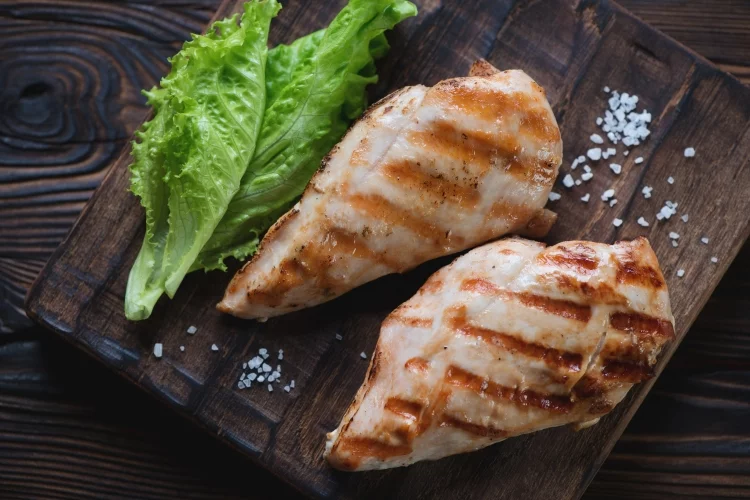
You followed a recipe carefully and still ended up with something that missed the mark. Here's how to diagnose what went wrong and fix it going forward.
Toughness is almost always caused by overcooking or inadequate prep before cooking. If you're baking chicken breast, try these adjustments:
Bland chicken is a seasoning problem, not a chicken problem. Season more aggressively than feels right — a pinch more won't hurt. A few other tactics:
If your chicken still tastes flat after seasoning, add a splash of low-sodium chicken broth to the pan while it rests. It adds rich flavor with almost no calorie impact.
The hardest part of weight loss isn't the first two weeks — it's month three, when novelty wears off and old habits start pulling you back. Building a sustainable system around healthy chicken recipes is about making the right choice the easy choice, consistently.
Cooking a large batch of chicken once or twice a week is one of the most effective habits you can build. Prepare plain baked or poached chicken in bulk, then season it differently each day — Mexican-inspired one night with cumin and lime, Mediterranean the next with lemon and oregano. You get variety without extra cooking time.
If you want to round out a full weekly rotation, this guide to cheap and easy healthy meals pairs well with a chicken-centered approach and helps keep your grocery costs reasonable at the same time.
Rotating cooking methods across the week prevents the boredom that kills most meal plans:
When you can approach the same ingredient five different ways, you're far less likely to reach for takeout on a tired Wednesday night.
Safe food handling matters more with chicken than with almost any other protein. Getting your storage and reheating right protects your health and ensures your meal prep effort doesn't go to waste.
| Chicken Type | Refrigerator (40°F / 4°C or below) | Freezer (0°F / -18°C or below) |
|---|---|---|
| Raw breast or thighs | 1–2 days | Up to 9 months |
| Raw whole chicken | 1–2 days | Up to 12 months |
| Cooked chicken | 3–4 days | Up to 4 months |
| Chicken broth or stock | 3–4 days | Up to 6 months |
Label every container with a date when you store it. When in doubt, throw it out — food safety is non-negotiable, and no weight loss goal is worth a foodborne illness.
The microwave is your biggest enemy when reheating chicken breast — it dries it out within seconds. Better approaches include:
Properly stored and gently reheated chicken tastes close to fresh — and that's what makes consistent meal prep actually sustainable week after week.
Most people do well with 4–6 ounces (113–170g) of cooked chicken per meal, across 2–3 meals per day. Your exact target depends on your overall protein goal, which is generally 0.7–1 gram per pound of body weight for active adults.
Chicken breast is lower in calories and fat, which makes it easier to stay in a calorie deficit. That said, chicken thighs are much more forgiving to cook — if you remove the skin, they're a reasonable option too. Consistency matters more than the specific cut you choose.
Yes — it's safe and effective for many people. To avoid food fatigue, rotate your cooking methods and seasonings, and swap in other lean proteins a few times per week for a broader nutrient profile.
Grilling, baking, poaching, and air frying are your best options. These methods add little to no fat while preserving the protein content. Deep frying or pan frying in large amounts of oil can nearly double the calorie count of the same piece of chicken.
For weight loss, yes — removing the skin significantly reduces fat and calories. If you prefer leaving the skin on during cooking to retain moisture, just pull it off before eating. Either approach works; what matters is that you're not eating the skin regularly.
Absolutely. The slow cooker is one of the best tools for this purpose — no added fat is needed, and the low, slow heat keeps the chicken moist and easy to shred. Add chicken with low-sodium broth, garlic, and herbs, set it on low for 6–8 hours, and you'll have versatile protein ready for salads, bowls, and wraps all week.
Steamed or roasted vegetables, leafy green salads, cauliflower rice, and broth-based soups are all excellent pairings. They add bulk and nutrients without many calories, helping you feel satisfied without going over your daily target.
 |
 |
 |
 |

About Rick Goldman
Rick Goldman grew up traveling the Pacific Coast and developed an early appreciation for regional and international cuisines through exposure to diverse food cultures from a young age. That culinary curiosity shaped his approach to kitchen gear — he evaluates tools based on how well they perform across different cooking styles, ingredient types, and meal occasions. At BuyKitchenStuff, he covers kitchen equipment reviews, recipe guides, and food-focused buying advice.
Check for FREE Gifts. Or get our Free Cookbooks right now.
Disable the Ad Block to reveal all the recipes. Once done that, click on any button below
|
|
|
|
