Kitchen Gadgets & Equipment Reviews ›
by Daisy Dao
You're standing in the baking aisle — or scrolling through Amazon at midnight — trying to figure out which rolling pin is actually worth buying, and you realize there are more options than you expected. Wood, marble, silicone, stainless steel, French-style, ball-bearing handles: the choices pile up fast. The good news is that once you understand what separates a frustrating pin from a great one, picking the right tool for your kitchen becomes a lot easier.
A rolling pin is one of those tools you'll use dozens of times a year, whether you're flattening pie crust on Thanksgiving, rolling out cookie dough with kids, or shaping homemade pasta on a Sunday afternoon. The right pin makes the process smooth and satisfying; the wrong one leaves you wrestling with uneven dough and aching wrists. We've put together this guide to the best rolling pin reviews of 2026 to help you cut straight to the best option for your needs.
Whether you bake occasionally or spend serious time in the kitchen, you'll find a strong recommendation here. From precision-engineered beechwood designs to professional-grade maple barrels and sleek stainless steel options, these seven pins cover every style of baker. You can also browse our full kitchen product reviews for more curated buying guides across every category.
Contents




Each of the seven rolling pins below was selected for a specific strength — whether that's adjustable thickness control, material quality, or pure everyday value. Read through the details on each one and you'll quickly find which style fits your baking routine best.
If you've ever tried to roll pie crust to an even thickness without any guide and ended up with patches too thick in the middle and paper-thin at the edges, the Joseph Joseph PrecisionPin solves that problem completely. This beechwood pin comes with five sets of colored removable rings, each set corresponding to a specific pastry thickness: 2 mm, 4 mm, 6 mm, 8 mm, and 10 mm. You simply slide on the rings for your target thickness, roll, and the rings act as physical stops that prevent the barrel from pressing down any further. The result is remarkably consistent dough every single time.
The beechwood barrel itself is smooth and well-finished, with a satisfying weight that gives you good control without tiring out your arms. Switching ring sizes takes only a few seconds — twist to remove, twist to attach — and the rings store neatly on the pin itself when not in use. This design is genuinely useful for anyone who bakes sugar cookies that need to be an exact thickness for even baking, or for laminated doughs like croissants where consistency really matters. If you're also looking to pair this with a quality work surface, check out our picks for the best pastry mats for rolling dough to get a complete setup.
The pin is dishwasher-safe, though hand-washing is recommended to preserve the beechwood over time. It's on the shorter side compared to a traditional Western rolling pin, so if you regularly roll very large sheets of dough for pizza or big batch cookies, you might feel slightly constrained. But for the precision baker, this is the most thoughtfully designed pin in the lineup.
Pros:
Cons:
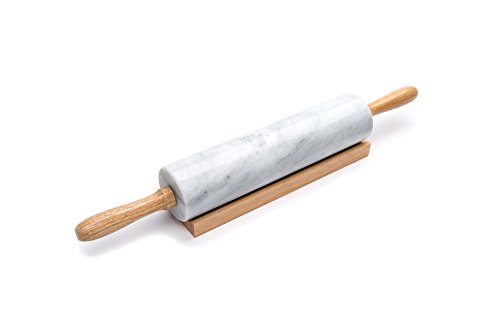
Marble is the preferred material among pastry chefs who work with butter-heavy doughs like puff pastry or shortcrust, and for good reason: marble naturally stays cool, which keeps your butter from softening too quickly as you work. The Fox Run Polished Marble Rolling Pin brings that professional advantage into your home kitchen at a price that's genuinely accessible. The 10-inch barrel is crafted from 100% natural marble, which means every pin is slightly unique in its veining and color pattern — you're getting a one-of-a-kind kitchen tool and a beautiful one at that.
The wooden handles are smooth and comfortable, giving you a solid grip even when your hands are dusted with flour. Because marble is naturally non-stick when properly dusted, you won't need much flour to keep dough from clinging to the surface, which is a real advantage when you're trying to minimize extra flour incorporation into a delicate pastry recipe. The included wooden cradle keeps the pin stable on your counter when it's not in use and looks great on display. If you refrigerate the pin before working with laminated doughs (like croissants or Danish pastry), it holds that cool temperature for a surprisingly long time during use.
The weight of a marble pin is something to consider. It's heavier than a wood pin of comparable size, which means it does some of the pressing work for you, but it can also feel tiring during a long baking session. Cleaning is straightforward — wipe down with a damp cloth and dry immediately — but you should never submerge marble in water or put it in a dishwasher.
Pros:
Cons:
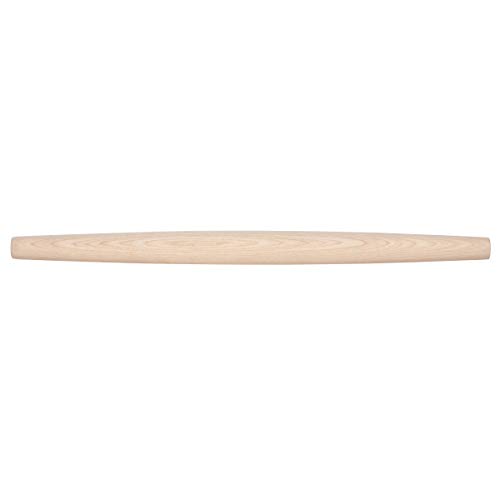
A French rolling pin (also called a tapered pin or dowel pin) is a solid cylinder without separate handles — you grip the pin itself and use your palms and fingers to apply pressure as you roll. This style gives you a much more tactile connection to the dough compared to a handled pin, and experienced bakers often prefer it for that reason. The J.K. Adams Maple French Rolling Pin is a standout example of this style, handcrafted in Vermont from sustainably grown North American maple wood with a classic tapered design at both ends.
At 20.5 inches long with a 1.5-inch diameter barrel, this pin gives you plenty of surface area to work with, and the tapered ends make it easy to shift direction and apply angled pressure when you're shaping round pie crusts or pizza bases. The maple wood is smooth, dense, and naturally resistant to moisture absorption, which means it won't warp or crack the way softer woods can over time. Because there are no handles or bearings to clean around, maintenance is simple: wipe it down, let it dry, and store it in a dry place. It's also remarkably light, which makes it easy to maneuver and less tiring during long rolling sessions.
The learning curve for a French pin is real if you've only ever used a handled rolling pin — you'll need to develop a feel for applying even pressure across the full barrel. But once you do, many bakers never go back to a handled pin for delicate doughs. If you love making handmade pasta alongside your pastry work, take a look at the best pasta rollers to round out your dough-working toolkit.
Pros:
Cons:
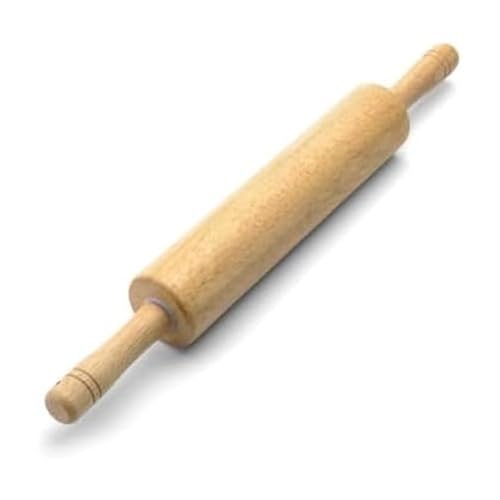
If you bake a few times a month and don't want to spend a lot of money on a specialty tool, the Farberware Classic Wood Rolling Pin is exactly what you need. This is a traditional Western-style rolling pin — 18 inches long with a 10-inch barrel and ergonomic handles on both ends — and it does its job reliably without any fuss or learning curve. The moisture-resistant hardwood construction keeps the surface smooth and warp-resistant even with regular use, and the balanced weight distribution means the pin glides across dough without you needing to push hard.
The handles are designed with comfort in mind, with a shape that fits your grip naturally and reduces hand fatigue during extended rolling sessions. This is the kind of pin that lives in a kitchen for years, handles everything from pizza dough to sugar cookies to pie crusts, and never gives you trouble. The 10-inch barrel is a practical size — wide enough to handle most standard recipes without needing multiple passes. Because the barrel rolls on bearings inside the handles, you get a free-spinning action that lets the barrel rotate against the dough while your hands push the handles forward, which is more efficient and gentler on your wrists than a fixed-barrel design.
For casual home bakers and beginners, this Farberware pin is the smartest starting point in the lineup. It's not going to win any beauty contests on your counter, but it's a dependable daily-use tool that handles everything you throw at it. If you're putting together a complete home baking setup, pairing this with one of our recommended pizza makers gives you a great pizza-night combination.
Pros:
Cons:
Ateco has been making professional baking tools since 1905, and the 18325 rolling pin is a prime example of why the brand earns repeat business from serious home bakers and professionals alike. Every component of this pin — barrel, handles, and bearings — is made from solid rock maple, and the result is a rolling pin that feels completely different from anything in the budget category. The 18-inch barrel with a 3.25-inch diameter is notably wider than a standard home pin, which means fewer passes to cover a large sheet of dough, and the weight is perfectly balanced for sustained use.
The rust-proof ball bearings inside the handles provide an exceptionally smooth, free-spinning action that professionals rely on for high-volume work. When you roll puff pastry or pie crust with this pin, the barrel glides across the dough with almost no resistance, giving you precise control over pressure and direction. The 4.5-inch handles are long enough to give you a secure, comfortable grip even if you have large hands, and the solid maple construction means this pin will outlast a dozen cheaper alternatives. Ateco makes this in the USA, which is reflected in the build quality.
This is the pin to choose if you bake seriously and want a tool that handles high-volume work — multiple pies for the holidays, regular laminated dough projects, or professional-level pastry production. The price is higher than the budget picks, but for the baker who uses a rolling pin several times a week, this investment pays for itself in durability and performance over years of use. According to Wikipedia's overview of pastry, consistent dough thickness is one of the most critical factors in professional pastry quality, which is exactly what this pin delivers.
Pros:
Cons:
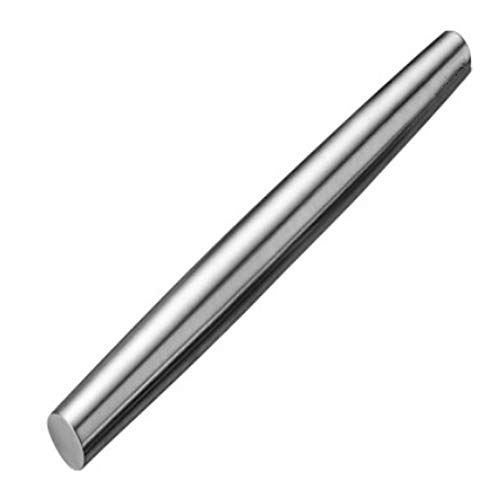
Stainless steel rolling pins occupy a different niche than wood or marble: they're for bakers who prioritize hygiene, easy cleanup, and long-term durability over the warmth of natural materials. This 12.8-inch stainless steel pin is crafted from 304 food-grade stainless steel (the same grade used in professional kitchen equipment) with a mirror-polished, seamless surface that won't absorb odors, colors, or tastes from any dough it touches. Unlike wood, it won't ever warp, crack, or develop mold in humid conditions, and unlike marble, it won't chip if it takes a knock.
The hollow design keeps the pin lighter than its solid metal appearance suggests, making it genuinely easy to use for extended periods without arm fatigue. The mirror-polished surface is naturally non-stick when lightly floured, and it wipes clean in seconds — just rinse under warm water and you're done. This pin is also a great choice for working with fondant (the sugar paste used to decorate cakes), play dough, or polymer clay crafts where you need a surface that releases easily and cleans up perfectly. Parents who bake with kids will appreciate how hygienic and simple it is to keep clean after messy baking sessions.
The trade-off with stainless steel is temperature: it doesn't hold a cool temperature like marble, and it doesn't have the natural warmth of wood that some bakers prefer for certain doughs. The 12.8-inch length is also shorter than the other pins in this list, which means it works best for smaller-scale rolling tasks rather than large pie sheets or pizza dough. But for fondant work, cookie decorating, and everyday baking where easy cleanup is the top priority, this pin is outstanding.
Pros:
Cons:
Silicone is the material of choice when you're working with sticky, soft doughs that tend to cling to everything, and this silicone rolling pin with wooden handles is the most practical non-stick option in the lineup. The food-grade silicone barrel releases dough cleanly without the need for excessive flouring, which means you can roll sticky gingerbread dough, soft fondant, or soft sugar cookie dough without the frustration of tearing or sticking. The total length is 15.15 inches with a 7.9-inch rolling barrel and 3.5-inch handles on each side — a well-proportioned design that gives you good coverage without feeling unwieldy.
The wooden handles are sturdy and comfortable, with a design that lets you grip and apply pressure securely even during extended rolling sessions. Silicone is also heat-resistant, so this pin can handle warm doughs without the material softening or deforming. Cleanup is exactly as easy as you'd hope — the silicone barrel wipes completely clean with a damp cloth, and because it's non-porous, there's no issue with dough residue getting trapped in the surface. This pin is also genuinely kid-friendly, making it a good choice for baking activities with children or for working with modeling clay and play dough.
The silicone barrel is softer than wood or metal, which means it provides slightly less feedback about how much pressure you're applying. Very firm doughs — like a stiff shortcrust pastry — require more effort to flatten than they would with a heavier wooden or marble pin. But for the baker who primarily works with soft cookie doughs, fondant decorating, pizza dough, or homemade tortillas, the non-stick performance of this silicone pin is hard to beat at this price point.
Pros:
Cons:
With seven strong options reviewed above, the right choice comes down to how you bake and what you bake most often. Here are the key factors to consider as you make your decision in 2026.
The barrel material affects how dough responds, how the pin feels in your hands, and how you care for it long-term. Wood is the most versatile and traditional choice, offering a naturally smooth surface that works with a light dusting of flour for almost any dough type. Maple is the most popular wood for rolling pins because it's dense, smooth, and moisture-resistant — the Ateco and J.K. Adams pins both demonstrate this well. Marble is preferred for butter-heavy pastry doughs because it holds a cool temperature that prevents butter from melting prematurely. Stainless steel is the most hygienic and the easiest to clean, but it doesn't provide the same temperature-control benefits as marble. Silicone offers unmatched non-stick performance and suits soft, sticky doughs best.
Traditional Western rolling pins have a barrel mounted on two handles via bearings, so the barrel spins freely as the handles push forward. This gives you a familiar, ergonomic grip and is the easiest style to pick up and use right away. A French or dowel pin is a solid cylinder with no separate handles — you grip the pin directly and use your palms to guide and press. French pins provide significantly more tactile control because your hands are directly in contact with the rolling surface, which is why professional pastry chefs tend to prefer them for delicate doughs. If you're new to baking, start with a handled pin; if you have some experience and want more precision, consider giving a French pin a try.
Barrel length determines how wide a sheet of dough you can roll in a single pass. A longer barrel (18 inches, like the Ateco) lets you flatten a large pie crust or a full pizza dough in fewer strokes, which is more efficient and creates a more even result. A shorter barrel (like the 7.9-inch silicone pin or the 10-inch marble pin) is better suited to smaller tasks like individual cookies or tortillas. Barrel diameter affects how much weight the pin carries: a wider barrel (like the Ateco's 3.25-inch diameter) brings more downward force with less effort, which is useful for firm doughs. If you bake a wide variety of recipes, choose a mid-to-large barrel length for the most versatility.
Most rolling pins give you no direct feedback about dough thickness — you judge by eye and feel, which takes practice. If consistent thickness is important to you (for even baking, professional-looking cookies, or laminated doughs), look for a pin with built-in thickness guides like the Joseph Joseph PrecisionPin. These guides are adjustable rings that sit on either end of the barrel and physically stop the pin from rolling below your chosen depth. This feature alone is worth the upgrade for bakers who want reproducible results every time without guesswork. For the casual baker, you can also purchase separate silicone thickness guide rings that fit over most standard rolling pins as an inexpensive add-on.
For most home bakers, maple wood is the best all-around material because it's smooth, durable, moisture-resistant, and versatile across all dough types. Marble is the top choice specifically for butter-heavy pastry doughs because it holds cool temperatures, while silicone excels with sticky, soft doughs that tend to cling. Stainless steel wins on hygiene and ease of cleaning but lacks the tactile warmth that many bakers prefer. The best material really depends on what you bake most often.
A French rolling pin (also called a dowel or tapered pin) is a solid cylinder with no separate handles — you grip the barrel itself and apply pressure directly with your palms and fingers. A regular Western rolling pin has a barrel that rotates freely on bearings inside two handles, so the barrel spins against the dough while the handles stay still in your grip. French pins give you more tactile feedback and control over pressure and direction, while handled pins are easier to learn on and less fatiguing during long rolling sessions.
For general home baking, a barrel length of 10 to 12 inches handles most standard recipes comfortably, including pie crusts, cookie dough, and pizza. If you regularly bake large-format items like sheet pastry, big batch sugar cookies, or oversized pizza, an 18-inch barrel like the Ateco or Farberware pin gives you meaningful efficiency gains by covering more dough in each pass. Specialty tasks like rolling tortillas or individual fondant pieces don't require a long barrel at all — a shorter pin is actually easier to maneuver for small-scale work.
You don't strictly need a marble pin for pie crust, but it does offer a genuine advantage if you work with all-butter crust recipes. The natural coolness of marble slows down butter softening as you roll, which keeps fat distributed as distinct layers rather than blending into the flour — this is what creates a flaky texture in the finished crust. A chilled wooden or metal pin achieves a similar effect if you put it in the refrigerator for 15 minutes before use, but marble maintains its cool temperature passively for longer during active rolling without any prep step.
Never put a wooden rolling pin in the dishwasher — the high heat and moisture will cause the wood to crack and warp over time. Hand-wash the barrel with warm water and mild dish soap, then dry it immediately and completely before storing. Once or twice a year, apply a thin coat of food-safe mineral oil (the same oil used for cutting boards) to the barrel with a cloth, let it absorb overnight, and wipe off any excess. This keeps the wood hydrated and prevents it from drying out and cracking, which extends the life of the pin significantly.
Yes — a rolling pin is useful in the kitchen beyond pastry and cookie dough. You can use it to crush crackers or pretzels inside a zip bag for crumb coatings and dessert bases, flatten chicken breasts to an even thickness before cooking, roll out homemade pasta dough (though a dedicated pasta roller gives better results — see our pasta roller reviews for top picks), and even crush spices or seeds when you don't have a mortar and pestle. Outside the kitchen, rolling pins are widely used for fondant decorating, working with polymer clay, and kids' craft projects involving play dough.
 |
 |
 |
 |

About Daisy Dao
Daisy Dao grew up in Honolulu, Hawaii, where coastal living and access to fresh local ingredients shaped her approach to home cooking from an early age. She has spent years experimenting with seafood preparation, healthy cooking methods, and ingredient substitutions — developing hands-on familiarity with a wide range of kitchen tools, techniques, and produce. At BuyKitchenStuff, she covers healthy recipes, cooking techniques, and ingredient substitution guides.
