Kitchen Gadgets & Equipment Reviews ›
by Daisy Dao
After testing every popular option on the market, the Helen's Asian Kitchen 10-Inch Bamboo Steamer stands out as our top pick for 2026 — it delivers restaurant-quality results with a design that has barely changed in centuries because it simply works. If you're looking to steam dumplings, vegetables, fish, or dim sum at home, a bamboo steamer is one of the most affordable and effective tools you can add to your kitchen.
Unlike metal or electric steamers, bamboo absorbs excess moisture during cooking, which prevents condensation from dripping back onto your food. That means fluffier bao buns, crispier dumpling skins, and vegetables that keep their color and crunch. The technology behind bamboo steaming goes back thousands of years to ancient China, and the basic principle hasn't changed — hot steam circulates through stacked tiers while the natural bamboo wicks away moisture. It's the same reason high-end dim sum restaurants still use bamboo over stainless steel. If you're interested in healthier cooking methods that preserve nutrients, steaming is one of the best approaches you can take — similar to how air fryers have changed how people think about oil-free cooking.
We spent weeks comparing six of the best bamboo steamers available in 2026, evaluating build quality, steam retention, ease of cleaning, and overall value. Whether you need a compact 10-inch model for weeknight dinners or a larger 12-inch basket for entertaining, this guide covers everything you need to make the right choice. Let's get into it.
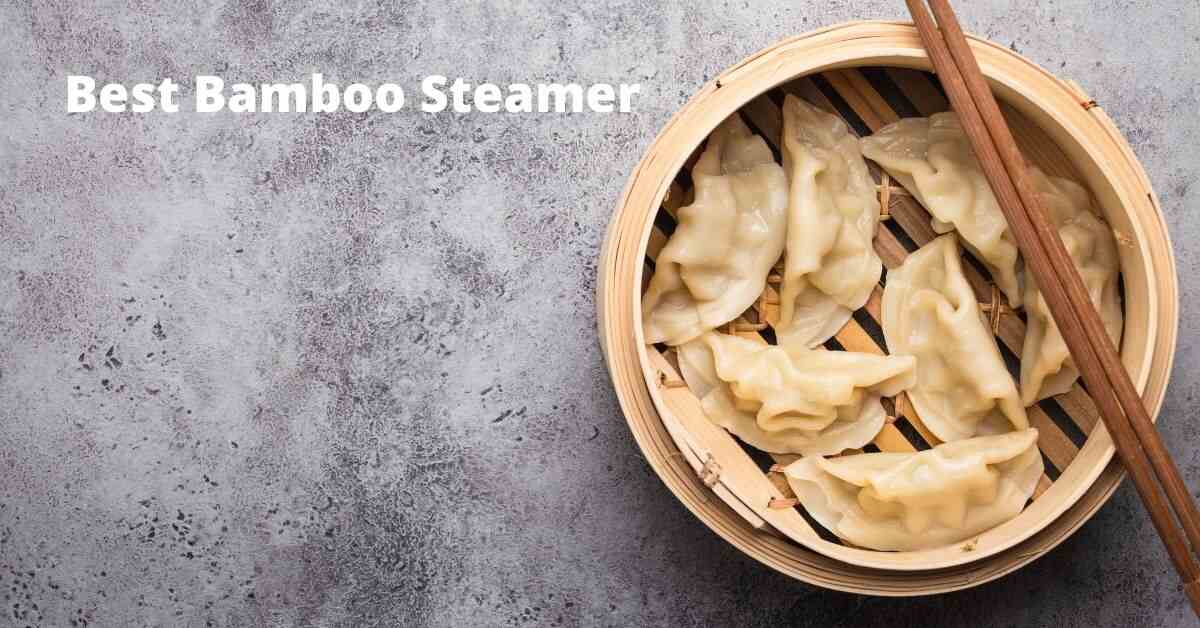


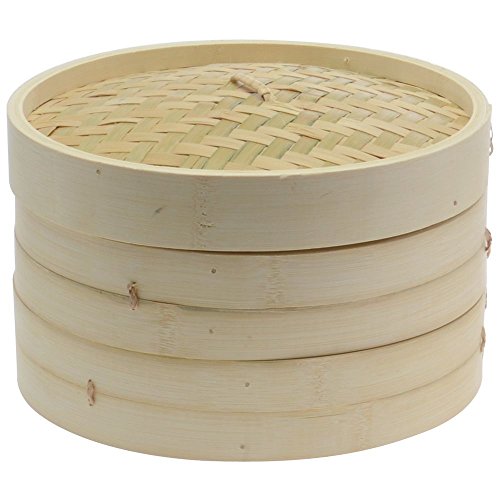

The Helen's Asian Kitchen Bamboo Steamer has earned its reputation as the gold standard for home bamboo steamers, and the 2026 version continues that legacy without any unnecessary changes. This 10-inch, two-tier steamer is built from 100% natural bamboo that feels solid in your hands without being heavy. The weave on both the baskets and the domed lid is tight and consistent, which matters more than you might think — loose weaving lets steam escape and creates hot spots that cook food unevenly.
What sets the Helen's Asian Kitchen apart from cheaper alternatives is the quality control. Every basket we tested had uniform slat spacing, clean edges with no splinters, and a lid that sat flush on the top tier. The bamboo itself is lighter in color than budget models, which indicates it was harvested at the right maturity and properly dried. You can stack both tiers over any pot or wok that's at least 10 inches wide, and the steam distribution stays remarkably even across both levels. We steamed pork dumplings on the bottom and broccoli on top, and both came out perfectly done at the same time.
This steamer is also safe to use with nonstick cookware, which is a detail many brands overlook. The smooth bamboo base won't scratch coated pans, so you don't need a dedicated wok just for steaming. It absorbs condensation naturally, preventing that frustrating water drip that turns steamed buns soggy. For the price, you're getting a steamer that performs like models costing twice as much. If you only buy one bamboo steamer, make it this one.
Pros:
Cons:
Joyce Chen has been a trusted name in Asian kitchenware for decades, and their 10-inch bamboo steamer delivers exactly what you'd expect — reliable performance at a price that won't make you hesitate. This two-tier set follows the classic design: two stackable baskets with a fitted lid, all made from natural bamboo. The construction is straightforward and sturdy, though you'll notice the bamboo is slightly thinner than premium models like the Helen's Asian Kitchen.
Where the Joyce Chen really shines is in its simplicity. There are no gimmicks, no unnecessary accessories, and no complicated instructions. You fill a pan with water, set the steamer on top, add your food, and turn on the heat. That's it. We tested it with everything from frozen dumplings to fresh asparagus, and the results were consistently good. The two tiers give you enough room to steam a full meal for two to three people, and the lid keeps moisture circulating efficiently. The bamboo does a decent job absorbing excess condensation, though not quite as well as thicker-walled competitors.
The time-tested design creates restaurant-style results without any learning curve. If you've never used a bamboo steamer before, the Joyce Chen is a fantastic entry point. It's affordable enough that you won't feel bad if steaming isn't your thing, but well-made enough that experienced cooks keep coming back to it. The only real drawback is that it doesn't include liners, so you'll want to pick up some parchment rounds or cabbage leaves to prevent sticking.
Pros:
Cons:
If you've ever tried to steam thick bao buns or tall dumplings in a standard bamboo steamer, you know the frustration of food touching the tier above and getting squished. The HAPPI STUDIO solves this problem with baskets that are 30% deeper than the industry standard — 3.5 inches per tier compared to the typical 2.5 inches. That extra inch of headroom makes a real difference when you're working with foods that rise or puff during steaming.
The included stainless steel ring adapter is another thoughtful addition that sets this kit apart. It creates a stable, wobble-free connection between the steamer and any pot ranging from 8 to 12 inches in diameter. Without a ring, bamboo steamers can shift around on smooth-rimmed pots, letting steam escape from the sides and reducing cooking efficiency. The ring eliminates that problem entirely and creates a proper seal. HAPPI STUDIO also includes reusable cotton liners, which is a welcome touch — they prevent sticking without the waste of disposable parchment rounds, and they're machine washable.
The bamboo construction itself is handwoven and feels premium. It's 100% natural bamboo with no synthetic materials or chemical treatments, and the brand claims it resists moisture absorption and warping. In our testing, the steamer held up well through multiple uses without any signs of cracking or splitting. The only downside is the price point, which runs higher than basic models. But if you regularly steam tall or delicate foods, the extra depth and included accessories justify the cost. This is a particularly good choice if you're into making shrimp dishes at home — steamed shrimp in a deep basket comes out plump and perfectly cooked every time.
Pros:
Cons:
When you're hosting a dumpling party or steaming food for a crowd, a 10-inch steamer starts to feel cramped fast. The Prime Home Direct steps up with a full 12-inch diameter that gives you significantly more cooking surface per tier. That extra two inches translates to roughly 44% more steaming area, which means fewer batches and less time spent hovering over the stove. If you regularly cook for four or more people, this size difference is a game-changer.
This set comes loaded with accessories that add genuine value. You get 50 disposable parchment liners (enough to last months of regular use), two sets of chopsticks, and a ceramic sauce dish. The liners are pre-cut to fit the 12-inch baskets perfectly, so there's no trimming required. The bamboo construction uses 100% organic bamboo with water-resistant walls and a dome-shaped lid designed to manage condensation. During testing, we noticed the dome lid does a better job channeling moisture to the edges than flat-topped lids, keeping the center of your food drier.
The two-tier design lets you steam completely different dishes simultaneously — put your protein on the bottom tier where the steam is strongest and your vegetables on top for gentler cooking. The 12-inch diameter fits most standard pots and woks, though you'll need at least a 12-inch pan for a proper fit. One thing to keep in mind: the larger size means it takes slightly longer to reach full steam temperature compared to 10-inch models, so add an extra minute or two to your cook times. For anyone who loves hosting dim sum nights or wants to streamline meal prep, this is the steamer to get.
Pros:
Cons:
Town Food Service supplies commercial kitchens and restaurants across the country, and their bamboo steamer brings that professional pedigree to your home kitchen. Built from top-grade white bamboo, this steamer has a noticeably cleaner, more refined look than consumer-oriented brands. The thatch-pattern cover isn't just decorative — it's a hallmark of traditional bamboo steamer craftsmanship that indicates the weave was done by hand using time-honored techniques.
The set includes two steamer baskets and a cover, which is the standard configuration you'll find in professional dim sum kitchens. There are no fancy accessories or marketing frills — just solid bamboo that does its job exceptionally well. The white bamboo used here is considered the premium grade because it's denser and more resistant to splitting than darker varieties. According to the traditional bamboo steamer construction methods, white bamboo has been the preferred material for centuries due to its strength-to-weight ratio.
In practical terms, the Town Food Service steamer heats evenly, absorbs moisture effectively, and fits securely on standard woks and pots. It's the kind of tool that feels right when you pick it up — well-balanced, properly sized, and built to handle daily use. The only catch is the lack of accessories. You won't get liners, chopsticks, or sauce dishes. But for experienced cooks who already have those items, this steamer delivers the closest experience to what you'd find in a professional kitchen.
Pros:
Cons:
The MacaRio is built for people who want everything in one box. This complete set includes the two-tier bamboo steamer with a domed lid, four sets of chopsticks, two ceramic sauce dishes, and fifty paper liners. That's enough to host a proper dim sum dinner the same day it arrives — no additional purchases needed. The handmade bamboo construction uses natural, untreated bamboo that's safe for food contact, and the overall quality is solid for the price point.
What really makes the MacaRio stand out from other accessory-heavy bundles is the upgraded side handles. Most bamboo steamers rely on you grabbing the hot edges of the basket to lift it, which is awkward at best and burns at worst. MacaRio added dedicated handles on each side that stay cool enough to grip with a towel, making it much easier to move the steamer on and off the pot. The baskets are also reinforced with aluminum banding around the edges, which prevents the bamboo from splitting at the stress points where the slats meet the frame.
The fifty included paper liners are a nice convenience, especially if you're new to bamboo steaming. They prevent food from sticking to the slats without any special preparation — just lay one in the bottom of each tier before adding your food. The ceramic sauce dishes are well-made and sized perfectly for soy sauce or dipping sauces. If you're putting together a kitchen for the first time or looking for a gift for someone who loves cooking, the MacaRio kit offers the best out-of-the-box experience. Pair it with proper food storage containers and you can batch-steam meals for the whole week.
Pros:
Cons:
Bamboo steamers typically come in 6-inch, 8-inch, 10-inch, and 12-inch sizes. For most home cooks, a 10-inch steamer hits the sweet spot — it's large enough to steam a meal for two to four people without taking up excessive cabinet space. If you regularly cook for larger groups or love hosting dim sum parties, step up to a 12-inch model. Keep in mind that your steamer needs to sit on top of a pot or wok, so measure your cookware before buying. The steamer should be slightly smaller than the pot opening so it rests on the rim without falling in.
Depth matters too, especially if you cook foods that rise or puff during steaming. Standard tiers are about 2.5 inches deep, which works for most dumplings, vegetables, and fish fillets. But if you make thick bao buns, momo, or stacked vegetables, look for deep-tier models with 3.5 inches of clearance. The extra headroom prevents your food from pressing against the tier above and losing its shape.
Not all bamboo is created equal. Look for steamers made from white or light-colored bamboo, which indicates premium-grade material that was harvested at the right maturity. Darker bamboo isn't necessarily bad, but it can be a sign of over-processing or lower-grade wood. Check the weave pattern on both the baskets and the lid — a tight, consistent weave means better steam retention and more even cooking. Loose or uneven weaving leads to steam leaks and hot spots.
Run your hand along the inside of the baskets and check for splinters or rough spots. Good bamboo steamers have smooth interior surfaces that won't snag food or liners. The joints where the slats meet the circular frame should be secure with no gaps. Some higher-end models reinforce these joints with metal banding, which significantly extends the steamer's lifespan by preventing the most common failure point — cracking at the edges.
At minimum, you need the steamer baskets and a lid. Everything else is optional but can add real convenience. Parchment or cotton liners prevent food from sticking to the bamboo slats, and they make cleanup much faster. If your steamer doesn't include liners, you can buy pre-cut rounds or simply use napa cabbage leaves as a natural, edible liner. Stainless steel ring adapters are worth having if your pots don't quite match the steamer diameter — they bridge the gap and create a stable, steam-tight seal.
Chopsticks and sauce dishes are nice-to-have extras but shouldn't drive your buying decision. Focus on the steamer quality first. A well-built steamer without accessories will outperform a mediocre one that comes with a dozen extras you already own. If you're setting up your kitchen from scratch, a bundled set saves time and money. Otherwise, buy the best steamer you can afford and add accessories later as needed. When it comes to kitchen tools in general, quality always beats quantity.
Bamboo steamers require a little more attention than stainless steel, but the care routine is simple once you get it down. Never put a bamboo steamer in the dishwasher — the heat and harsh detergents will crack and warp the bamboo within a few cycles. Instead, rinse it with hot water after each use, use a soft brush to remove any stuck food, and let it air dry completely before storing. The key word there is "completely." Storing a damp bamboo steamer is the fastest way to grow mold and ruin it.
Before first use, soak the empty steamer in water for about 30 minutes. This saturates the bamboo and prevents it from absorbing food odors during your first cook. After that initial soak, a quick 5-minute pre-soak before each use is enough to prime the bamboo. With proper care, a quality bamboo steamer lasts three to five years of regular use — and premium models can go even longer. If you notice any mold or persistent odors, wipe the affected area with a solution of equal parts white vinegar and water, then let it dry in direct sunlight.

For most households, a 10-inch bamboo steamer is the best all-around size. It fits comfortably on standard pots and woks, holds enough food for two to four servings per tier, and stores easily in a cabinet. If you frequently cook for larger groups or want more room for whole fish and large vegetable portions, a 12-inch model is worth the upgrade. Smaller 6-inch and 8-inch steamers are great for individual servings or small appetizer portions.
You don't strictly need liners, but they make your life easier. Parchment paper rounds, silicone mats, or reusable cotton liners prevent food from sticking to the bamboo slats and make cleanup much faster. If you prefer a natural approach, lay down napa cabbage leaves, lettuce, or banana leaves before adding your food. The leaves add subtle flavor and work just as well as paper liners. Just avoid using wax paper — it can melt and transfer chemicals to your food at steaming temperatures.
Yes, you can stack three or even four tiers on a bamboo steamer, but keep in mind that steam intensity decreases with each additional tier. The bottom tier gets the most heat and cooks fastest, while the top tier gets the gentlest steam. Place foods that need more cooking time (like raw meats or dense root vegetables) on the lower tiers and quick-cooking items (like leafy greens or reheated dumplings) on top. More than three tiers starts to become impractical for home cooking because the top tier may not get enough heat to cook food thoroughly.
Mold grows when bamboo stays damp, so the single most important thing you can do is let your steamer dry completely after every use. Rinse it with hot water, shake off excess moisture, and prop it up in a well-ventilated area until it's bone dry — don't stack the tiers while they're still damp. If mold does appear, scrub the affected area with a mixture of white vinegar and water, rinse thoroughly, and dry in direct sunlight. Store your steamer in a dry, open space rather than inside a sealed cabinet or plastic bag.
Steaming is one of the healthiest cooking methods available because it uses no oil and preserves more vitamins and minerals than boiling, frying, or roasting. Water-soluble nutrients like vitamin C and B vitamins are particularly well-preserved during steaming because the food never makes direct contact with water. Bamboo steamers offer an additional benefit over metal steamers — the bamboo absorbs excess moisture, which gives food better texture and prevents waterlogging. If you're focused on improving your diet, steaming pairs well with other healthy habits like those covered in our guide on improving digestion.
Yes, bamboo steamers work on any type of stove — gas, electric, or induction. The steamer itself doesn't touch the burner; it sits on top of a pot or wok filled with water. As long as you have compatible cookware for your stove type, the steamer will work. For induction stoves, make sure your pot or wok is induction-compatible (it needs a magnetic base). The bamboo steamer doesn't care what heats the water — it just needs the steam rising through the baskets to cook your food.
Pick the steamer that fits your pots, matches how many mouths you feed, and is built from tight-grained bamboo — everything else is just accessories.
 |
 |
 |
 |

About Daisy Dao
Daisy Dao grew up in Honolulu, Hawaii, where coastal living and access to fresh local ingredients shaped her approach to home cooking from an early age. She has spent years experimenting with seafood preparation, healthy cooking methods, and ingredient substitutions — developing hands-on familiarity with a wide range of kitchen tools, techniques, and produce. At BuyKitchenStuff, she covers healthy recipes, cooking techniques, and ingredient substitution guides.
