by Christopher Jones
Over 48 million Americans experience foodborne illness every year — and improperly reheated chicken is one of the most common causes. The best way to reheat grilled chicken goes beyond just warming it up. It's about keeping your food safe, preserving the texture, and making sure every bite is worth eating. Whether you've got leftover thighs from a weekend cookout or meal-prepped grilled breasts, getting the method right makes a real difference. For more guides like this one, browse our cooking tips section.
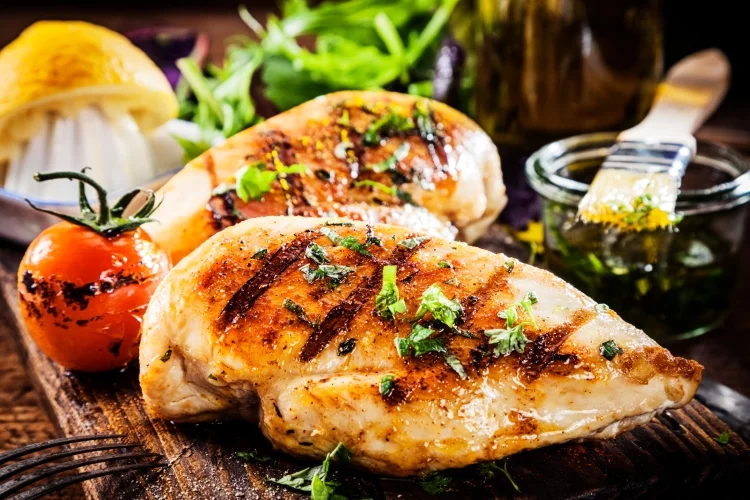
Grilled chicken is already at a disadvantage when it comes to leftovers. The grilling process drives out moisture and chars the surface. When you apply heat a second time, the muscle fibers tighten again and push out whatever moisture remains. Do it wrong, and you end up with something dry, rubbery, and worth throwing away. Do it right, and it tastes almost as good as it did fresh off the grill.
One rule applies no matter which method you use: always check the internal temperature. According to the USDA's food safety guidelines for poultry, reheated chicken must reach at least 165°F (74°C) to be safe to eat. A basic meat thermometer takes the guesswork out entirely. Below, you'll find every major reheating method explained step by step, plus a side-by-side comparison to help you pick the right one for your situation.
Contents
Chicken dries out during reheating for one core reason: heat contracts muscle proteins. When chicken cooks the first time, proteins tighten and juices get squeezed out. The second time around, those proteins contract even more. Apply high, direct heat without any added moisture, and you accelerate that process fast.
A few specific things make drying out worse:
Understanding the cause makes the solution obvious. You need lower heat, added liquid, and something to trap steam. Those three things solve most of the problem before you even start.
A little prep goes a long way. Taking two minutes before you start reheating makes the final result noticeably better. Here's what to do:
Pro tip: A damp paper towel draped over chicken in the microwave creates a mini steam chamber — it's one of the simplest tricks for preventing dry, rubbery meat.
The oven is the most reliable method, especially for bone-in cuts or when you're reheating a larger batch. It takes more time, but the results are consistently better. You get even heat distribution and the option to crisp the skin back up at the end.
Here's exactly how to do it:
If you have a wall oven microwave combo, the convection setting improves airflow and helps crisp the exterior without drying the inside. And when you're pulling that hot dish out, a good pair of silicone oven mitts protects your hands from the heat — those handles get surprisingly hot.
The stovetop works especially well for boneless chicken breasts and thighs. It's quick, and you have direct control over the heat. The trick is keeping things low and covering the pan so steam does the work.
A stovetop grill pan takes this method up a notch. It adds the char marks back and crisps the outside while steam from the added liquid keeps the inside from drying out. Keep the lid on and the heat at medium-low — that's the combination that works.
The microwave is the fastest option on the list, but it requires the most attention. Done carelessly, it produces uneven hot spots and rubbery texture. Done right, it can get you a decent result in under five minutes.
The 50% power setting is the single most important step in this method. Full power blasts the outside while the center stays cold. Lower power heats more evenly and gives you more control. It takes an extra minute or two, but the texture is noticeably better.
Warning: Bone-in chicken pieces reheat unevenly in the microwave — the meat near the bone often stays cold while the outer layer overcooks. For bone-in cuts, use the oven every time.
Once you pull the chicken off the heat, resist the urge to slice in right away. Let it rest for 2–3 minutes first. This gives the juices time to redistribute through the meat instead of running out onto the cutting board the moment you cut in. It's the same principle that makes a freshly cooked steak better when you wait — and it works just as well on reheated chicken.
If you're packing lunch or need to keep chicken warm for a while, a quality soup thermos can hold reheated chicken at a safe temperature for several hours without needing a second round of reheating. That's a practical option for work lunches or school meals where you don't have access to a kitchen.
How you store leftover grilled chicken directly affects how well it reheats. Poor storage leads to more moisture loss before you even start. A few basic habits make a real difference:
A warming drawer is another useful option if you want to hold freshly cooked or reheated chicken at a stable temperature for serving. These appliances keep food warm without continuing to cook it — useful for dinner prep or when guests arrive at different times.
Every method has a different trade-off between speed, quality, and convenience. This table gives you a quick way to compare them:
| Method | Best For | Time Required | Moisture Retention | Ease of Use |
|---|---|---|---|---|
| Oven at 325°F | Bone-in pieces, large batches | 20–25 min | Excellent | Easy |
| Stovetop skillet | Boneless breasts and thighs | 5–8 min | Good | Easy |
| Microwave at 50% | Quick single servings | 2–4 min | Fair | Very Easy |
| Air Fryer at 350°F | Crispy skin, smaller pieces | 4–6 min | Fair | Easy |
| Pressure Cooker | Tender, moist result fast | 1–3 min | Excellent | Moderate |
Different cuts respond differently to heat. Matching the method to the cut gives you the best outcome:
If you have a stainless steel pressure cooker, it's worth knowing it can reheat chicken in just 1–2 minutes under pressure with added liquid. The result is tender and moist — almost like it was freshly cooked. It's not the first tool most people reach for, but it delivers excellent moisture retention when you need speed and quality together.
Yes, as long as you bring it to an internal temperature of 165°F (74°C) before eating. Use a meat thermometer to confirm — visual checks aren't reliable. Chicken that has been stored properly in the refrigerator and used within 3–4 days is safe to reheat once.
It's not recommended. Each reheating cycle causes more moisture loss and slightly increases the risk of bacterial growth if the food wasn't cooled and stored correctly after the previous reheat. As a practical rule, only reheat as much as you plan to eat in one sitting.
Add a small amount of chicken broth or water before reheating. Cover the chicken to trap steam — foil in the oven, a lid on the stovetop, or a damp paper towel in the microwave. Use low heat and stop the moment it reaches 165°F. Resting for 2–3 minutes before cutting also helps the juices redistribute.
Set your oven to 325°F (163°C). This lower temperature heats the chicken slowly and evenly, which means less moisture loss compared to higher settings. At 375°F or above, the outside overcooks before the inside reaches a safe temperature — especially for thicker pieces.
The best way to reheat grilled chicken is the method that respects the meat — go low, go slow, add a little moisture, and stop the moment it's safe to eat.
 |
 |
 |
 |

About Christopher Jones
Christopher Jones holds an MBA from the University of San Francisco and brings a business-minded approach to kitchen gear evaluation — assessing products not just for performance but for long-term value, build quality, and real-world usability in everyday home cooking. He has spent years testing appliances, cookware, and kitchen gadgets with the same analytical rigor he developed in business school. At BuyKitchenStuff, he covers kitchen appliance reviews, buying guides, and practical cooking tips.
Check for FREE Gifts. Or get our Free Cookbooks right now.
Disable the Ad Block to reveal all the recipes. Once done that, click on any button below
|
|
|
|
